

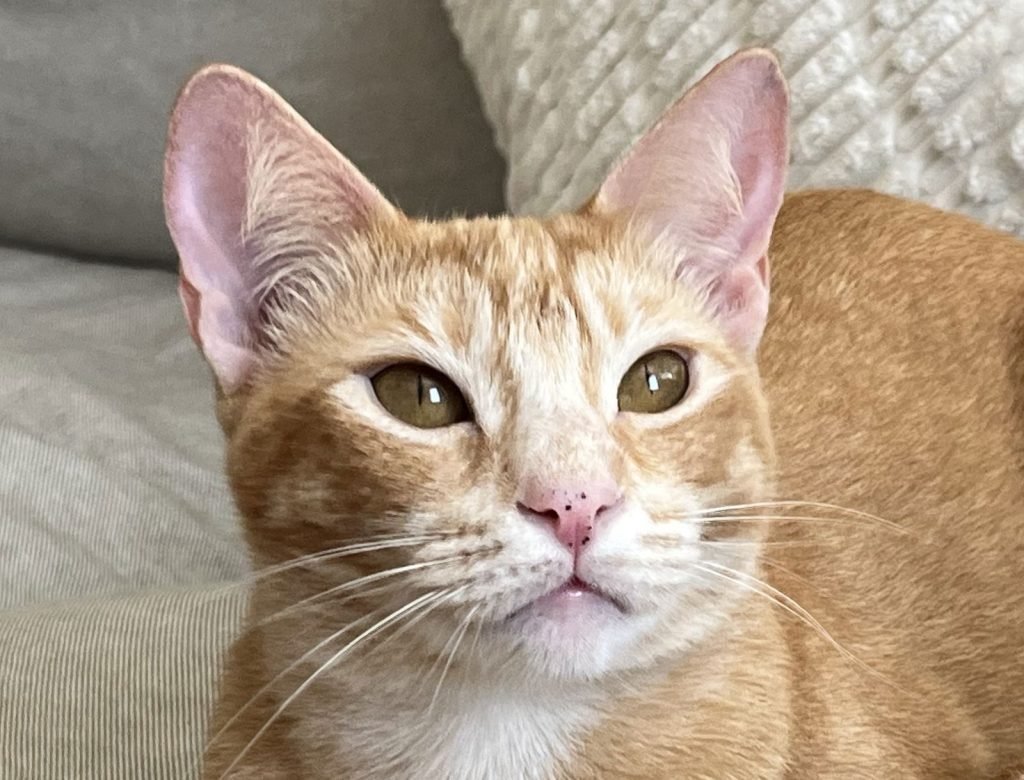
Thinking about bringing a furry friend into your home? Imagine a playful, affectionate, and charming companion that fills your days with joy.
Meet the orange tabby cat, a purr-fect addition to any family. These cats are known for their striking coats and warm personalities. But why choose an orange tabby for adoption? Because they are more than just pets; they are family members who bring love and happiness into your life.
You might wonder what makes orange tabbies so special. Maybe you’ve heard they are friendly or perhaps you’ve seen their captivating photos online. The truth is, these cats have unique traits that make them irresistible companions. Adopting an orange tabby means welcoming endless cuddles, playful antics, and unwavering loyalty into your home. Curious to know more about these fascinating felines? Ready to discover why an orange tabby might be the perfect match for you? Read on, and let us guide you through the wonderful world of orange tabby cat adoption. Your new best friend could be just a heartbeat away!
Why Choose An Orange Tabby
Choosing an orange tabby cat for adoption means inviting a vibrant and affectionate companion into your life. These cats are more than just their striking coat color—they bring unique traits and benefits that can brighten your home. Understanding what makes orange tabbies special can help you decide if one fits your lifestyle and personality.
Unique Personality Traits
Orange tabby cats often have a friendly and outgoing nature. Many owners describe them as social butterflies who love being around people and other pets. Their playful energy makes them great companions, especially if you enjoy interactive playtime or cuddling sessions.
Have you noticed how some cats seem to ‘talk’ more? Orange tabbies often use a variety of meows and purrs to communicate, making it easier for you to understand their needs and moods. This vocal nature can create a stronger bond between you and your new pet.
Common Health Benefits
Orange tabbies, like most domestic cats, benefit from regular vet check-ups, but they tend to have robust health. Their genetics don’t usually predispose them to specific breed-related illnesses, which can mean fewer health worries for you. This resilience can translate into lower vet bills and a longer, happier life together.
Additionally, adopting an orange tabby from a shelter often means you’re helping reduce the number of homeless pets. Many orange tabbies are waiting for a loving home, so choosing one supports animal welfare efforts directly.
Popular Orange Tabby Breeds
Orange tabby coloring appears in several cat breeds, each with its own characteristics. Some popular breeds include:
- American Shorthair:Known for their calm demeanor and adaptability, making them great family pets.
- Maine Coon:Large and friendly, with tufted ears and a thick coat perfect for colder climates.
- British Shorthair:Stocky and affectionate, these cats often enjoy quiet companionship.
Thinking about adopting an orange tabby? Consider what breed traits match your lifestyle to ensure a perfect fit. Which personality or breed characteristics matter most to you in a feline friend?
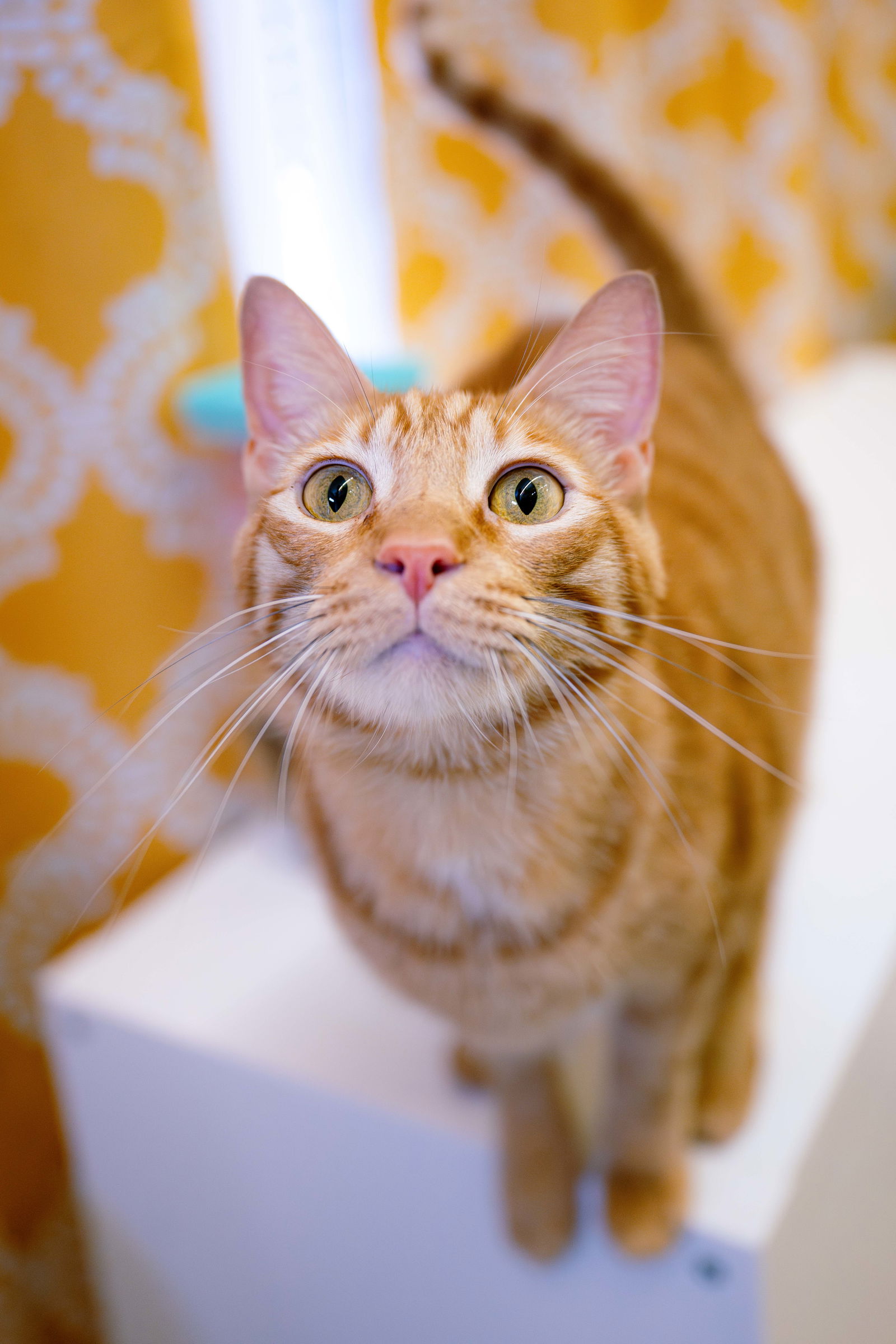
Credit: www.thedancingcat.org
Where To Find Orange Tabby Cats
Finding an orange tabby cat to adopt can bring joy and warmth to your home. These cats are known for their friendly nature and striking coat patterns. Several places offer orange tabby cats ready for adoption. Exploring different options helps you find the perfect feline friend.
Animal Shelters And Rescues
Animal shelters often have orange tabby cats waiting for new homes. These cats may come from various backgrounds and need care and love. Visiting a shelter lets you meet cats in person and learn about their personalities. Rescue groups focus on saving cats and providing medical care before adoption. They often have websites showing available cats with photos and details.
Online Adoption Platforms
Online platforms list many cats available for adoption nationwide. These websites allow you to filter searches by color, age, and location. You can view pictures and read descriptions of orange tabby cats. Some platforms connect you directly with shelters or foster homes. This makes the process easy and helps you find cats near you or in other states.
Local Cat Breeders
Local breeders specialize in specific cat breeds, including orange tabbies. They can provide healthy cats with known backgrounds and pedigrees. Breeders often offer advice on care and behavior. Choosing a reputable breeder ensures the cat’s well-being and proper socialization. Visiting breeders allows you to see the cats and ask questions before adopting.
Preparing For Your New Cat
Preparing for your new orange tabby cat is an exciting and important time. Setting up the right environment helps your cat feel safe and loved. Planning ahead makes the transition smooth and stress-free. Keep your new pet’s comfort and safety as top priorities. This preparation creates a warm welcome for your furry friend.
Essential Supplies
- Food and water bowls, sturdy and easy to clean
- High-quality cat food suitable for your cat’s age
- Comfortable bed or soft blanket for resting
- Litter box with cat litter, placed in a quiet spot
- Scratching posts to protect your furniture
- Toys for play and mental stimulation
- Grooming tools like brushes and nail clippers
Safe Home Setup
Check your home for hazards before bringing your cat inside. Remove toxic plants and secure loose wires. Keep windows and balconies closed or screened. Provide hiding spots where your cat can feel safe. Create quiet areas away from loud noises. Make sure all doors are closed to prevent escapes. A calm and secure space helps your cat adjust faster.
Introducing Your Cat To Family
Introduce your orange tabby slowly to family members. Let your cat explore at its own pace. Teach children to be gentle and calm around the cat. Avoid loud voices or sudden movements. Offer treats to create positive associations. Spend quiet time together to build trust. Respect your cat’s space and signals to avoid stress.
Adoption Process Tips
Adopting an orange tabby cat is a rewarding experience, but the process requires careful thought and preparation. Knowing what to expect can help you bring home a feline friend who fits your lifestyle and personality. Here are some practical tips to guide you through adoption smoothly and confidently.
Questions To Ask The Shelter
Start by asking about the cat’s medical history. Has the orange tabby been vaccinated, spayed or neutered, and checked for common illnesses?
Find out about the cat’s behavior around people and other pets. Is your potential new friend shy, playful, or more independent?
Ask about the cat’s daily routine and diet to make sure you can maintain consistency at home. How does the shelter handle feeding and litter box habits?
Evaluating Cat Temperament
Spend time interacting with the cat before deciding. Watch how it reacts to your voice and touch. Does it approach you or hide?
Notice the cat’s energy level. Some orange tabbies are lively and curious, while others prefer quiet and calm environments.
Consider your own home setting. If you have children or other pets, check how the cat responds to them. Compatibility is key to a happy home.
Understanding Adoption Fees
Adoption fees often cover vaccinations, microchipping, and spaying or neutering. Clarify what is included to avoid surprises.
Some shelters offer discounts for senior cats or multiple adoptions. Don’t hesitate to ask about special offers.
Remember, adoption fees support the shelter’s care for animals waiting for homes. Your payment helps save more lives.
Caring For Your Orange Tabby
Caring for your orange tabby means understanding their unique needs and personality. These cats are often friendly and curious, but they thrive best with proper attention to their health and comfort. By focusing on nutrition, grooming, and vet care, you can keep your orange tabby happy and energetic for years.
Nutrition And Diet
Your orange tabby needs a balanced diet to maintain that vibrant coat and playful spirit. Choose high-quality cat food with real meat as the first ingredient. Avoid fillers like corn and soy, which offer little nutritional value.
Consider adding wet food to their meals to increase hydration. Cats don’t always drink enough water, and wet food helps prevent urinary problems. You might notice your tabby prefers certain flavors—observe and adjust accordingly.
- Feed according to age and activity level.
- Limit treats to avoid weight gain.
- Provide fresh water daily.
Grooming Needs
Orange tabbies usually have short to medium fur that’s easy to manage. Still, regular brushing reduces shedding and hairballs. A quick brush two to three times a week can make a big difference.
Watch for mats or debris, especially if your cat spends time outdoors. Nail trimming every few weeks keeps claws at a healthy length and prevents scratches on furniture—and you. Don’t forget to clean their ears and check for any signs of irritation.
Regular Vet Visits
Routine vet check-ups keep your orange tabby in top shape. Annual exams catch health issues early, from dental disease to parasites. Vaccinations and flea prevention are essential parts of these visits.
Don’t wait for symptoms to appear. Cats often hide discomfort, so a proactive approach helps you stay ahead. Ask your vet about diet, behavior changes, or anything unusual you notice—it’s better to be safe than sorry.
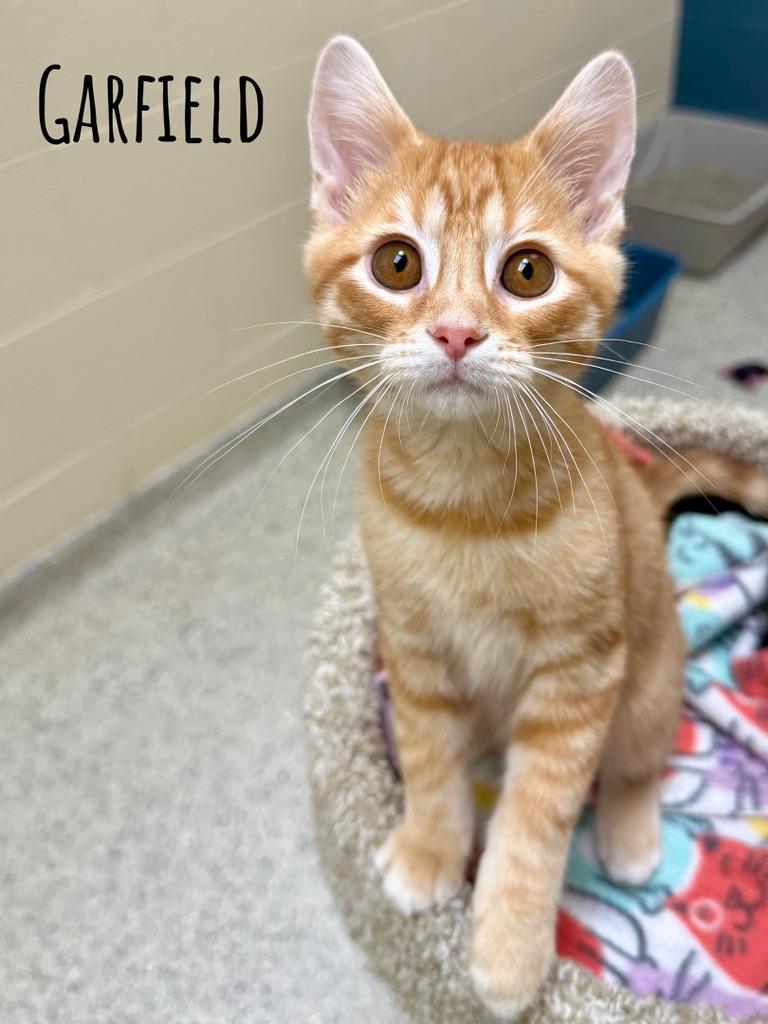
Credit: www.petfinder.com
Common Behavior And Training
Orange tabby cats have lively and friendly personalities. Understanding their common behavior helps build a strong bond. Training them early makes living together easier. These cats enjoy play, attention, and routines. Recognizing their natural habits supports effective training and care.
Socialization Techniques
Introduce your orange tabby to new people calmly. Offer treats and gentle pets to build trust. Use soft voices to keep them relaxed. Regular short visits from friends help your cat adapt. Play sessions encourage positive interaction and reduce fear. Avoid forcing contact to prevent stress or anxiety.
Litter Box Training
Place the litter box in a quiet, accessible spot. Show your cat the box after meals and naps. Keep the box clean by scooping daily. Use unscented, clumping litter for better results. Praise your cat after using the box correctly. If accidents happen, clean areas with enzyme cleaner to remove smells.
Dealing With Scratching
Provide scratching posts made from wood or sisal rope. Place posts near favorite resting spots and doors. Teach your cat to use posts by rubbing catnip on them. Redirect scratching from furniture gently but firmly. Trim your cat’s nails regularly to reduce damage. Reward good behavior with treats and affection.
Health Concerns Specific To Orange Tabbies
Orange tabby cats are beloved for their vibrant coats and affectionate personalities. However, like all breeds and color patterns, they have specific health concerns you should be aware of before adoption. Understanding these issues helps you provide the best care and ensures a long, happy life for your new feline friend.
Genetic Predispositions
Orange tabbies are not a breed but a color pattern, mostly seen in domestic short-haired cats. Still, certain genetic factors linked to their coloration can influence their health.
For instance, male orange tabbies are more common due to genetics, and they can be prone to conditions like hypertrophic cardiomyopathy (HCM), a heart disease. Knowing this, you should ask your vet about genetic testing and regular heart checkups.
Preventive Care
Preventive care is your best tool to keep your orange tabby healthy. Regular vaccinations, flea control, and dental check-ups are key parts of this routine.
Feeding a balanced diet tailored to your cat’s age and activity level also helps prevent obesity, which is common in indoor orange tabbies. Have you ever noticed how active your cat is during the day? Encouraging play can make a big difference in their health.
Recognizing Warning Signs
Early detection of health problems can save your orange tabby’s life. Watch for changes in appetite, energy levels, or grooming habits.
- Sudden weight loss or gain
- Excessive thirst or urination
- Difficulty breathing or coughing
- Unusual lumps or bumps
Don’t ignore subtle signs like hiding or irritability. Have you ever caught your cat acting differently and wondered what it meant? Trust your instincts and consult your vet promptly.
Credit: www.seattleareafelinerescue.org
Bonding And Enrichment
Bonding with an orange tabby cat goes beyond simple petting and feeding. It requires time, patience, and thoughtful enrichment to build a meaningful connection. Engaging your cat’s mind and body helps deepen trust and keeps them happy and healthy.
Playtime Ideas
Play is a powerful way to connect with your orange tabby. Use interactive toys like feather wands or laser pointers to encourage movement and curiosity. Notice which toys spark your cat’s interest—some prefer chasing strings, others enjoy pouncing on small balls.
Try short, frequent play sessions throughout the day instead of one long session. This keeps your cat engaged without overwhelming them. Have you observed how your tabby reacts to different toys? Tailoring playtime to their preferences strengthens your bond.
Creating A Stimulating Environment
Your cat’s environment shapes their mood and behavior. Add climbing shelves or window perches to let your orange tabby explore vertical spaces. Place scratching posts nearby to satisfy their natural instincts and protect your furniture.
Rotate toys regularly to prevent boredom. Even simple items like cardboard boxes or paper bags can become exciting hideouts. Think about how you can transform your home into a playground that invites curiosity every day.
Building Trust Over Time
Trust is the foundation of any relationship with your orange tabby. Speak softly and move slowly around your cat to avoid startling them. Allow them to approach you on their terms rather than forcing interaction.
Offer treats or gentle petting during quiet moments. Remember, consistency matters more than intensity. Have you noticed how your patience has helped your cat relax and seek your company more often?
Frequently Asked Questions
What Makes Orange Tabby Cats Unique For Adoption?
Orange tabby cats are known for their friendly nature and striking coat patterns. They often have a loving personality. Their distinct orange fur and stripes add charm, making them popular pets. They generally adapt well to homes, which makes them great adoption choices.
How To Prepare For Adopting An Orange Tabby Cat?
Prepare by creating a safe, cozy space with essentials like food, litter, and toys. Research local shelters or rescue groups for availability. Learn about their care needs and schedule a vet visit soon after adoption. Patience and love help them adjust smoothly to new homes.
Are Orange Tabby Cats Good With Children And Pets?
Yes, orange tabbies are typically social and gentle. They often bond well with children and other pets. Early socialization enhances their friendly behavior. However, individual personalities vary, so introductions should be gradual and supervised for a harmonious home environment.
What Health Concerns Affect Orange Tabby Cats?
Orange tabbies face common feline health issues like obesity and dental problems. Regular vet checkups are essential. They may be prone to genetic conditions, so ask the shelter about their health history. Proper diet and exercise support their well-being after adoption.
Conclusion
Adopting an orange tabby cat brings joy to your home. These cats are friendly, loving, and full of personality. They adapt well to families and enjoy playtime. Giving a cat a chance means saving a life. You create a bond that lasts forever.
Think about visiting a shelter near you. Meet these wonderful cats and feel their charm. Your new friend waits for a warm home. A simple act can bring happiness to both you and the cat. Choose adoption and change a life today.
