

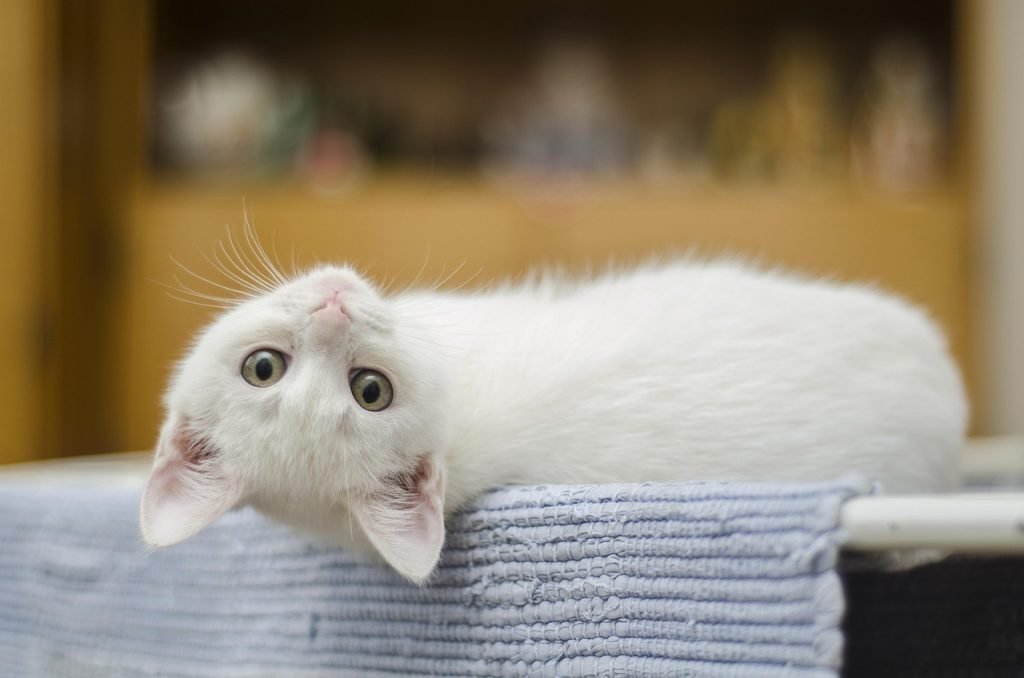
Is your cat spending too much time licking and biting their fur? Over grooming can lead to bald spots, irritated skin, and even infections.
If you’ve noticed your furry friend obsessively grooming, you’re not alone—and you’re probably wondering how to help them stop. The good news is, there are simple steps you can take to ease their discomfort and keep their coat healthy. Keep reading to discover effective ways to stop your cat from over grooming and bring peace back to your home.

Credit: pethelpful.com
Causes Of Over Grooming
Over grooming in cats can be a frustrating and worrying behavior to witness. Understanding what triggers this excessive licking or biting is crucial for helping your feline friend. Identifying the root causes allows you to address the problem effectively and improve your cat’s comfort and well-being.
Stress And Anxiety
Cats are sensitive creatures, and changes in their environment can easily cause stress. Moving to a new home, introducing a new pet, or even changes in your routine can make your cat anxious. This anxiety often leads to over grooming as a way for your cat to self-soothe.
Have you noticed your cat licking more after loud noises or when left alone? These moments might be when stress triggers their behavior. Providing a calm and stable environment can help reduce this urge.
Allergies And Skin Issues
Sometimes, over grooming points to an underlying skin problem. Allergies to food, pollen, or cleaning products can cause itching and discomfort. Your cat might lick or chew the irritated areas to relieve the itch, but this only worsens the problem.
Check for redness, bumps, or hair loss, which can signal allergies or skin infections. A vet visit is essential to identify specific allergens and recommend treatment options.
Parasites And Infections
Fleas, mites, and other parasites are common culprits behind over grooming. Even a small flea bite can cause intense itching that drives your cat to groom excessively. Infections, whether bacterial or fungal, can also make the skin uncomfortable and lead to this behavior.
If your cat is constantly biting a particular spot, take a closer look for signs of parasites or sores. Regular parasite control and prompt treatment of infections can stop the cycle of over grooming before it causes lasting damage.
:strip_icc()/the-kitty-1011094438-5c3d1af5c9e77c00015e66a6.jpg)
Credit: www.thesprucepets.com
Signs To Watch For
Noticing the early signs of over grooming in your cat is crucial to preventing further discomfort and health issues. You might miss subtle clues if you don’t know what to look for. By paying close attention to your cat’s skin and behavior, you can catch problems before they escalate.
Bald Patches
Bald patches appear when your cat licks or scratches an area excessively. These spots often show up on the belly, legs, or neck. If you suddenly spot fur missing in round or irregular patches, it’s a clear signal to take action.
Have you checked your cat’s fur during playtime or petting sessions? Regularly running your fingers through their coat helps spot these early signs. Don’t ignore even small bald spots—they can quickly grow larger.
Redness And Irritation
Skin redness and irritation often accompany over grooming. Your cat’s skin may look inflamed, raw, or scabbed. These signs indicate discomfort or an underlying issue like allergies or parasites.
Look closely at areas your cat frequently grooms. If you see redness, swelling, or tiny sores, it’s time to consult your vet. You want to relieve your cat’s pain before it worsens.
Behavioral Changes
Over grooming can cause changes in your cat’s behavior that you might not immediately connect. Your cat may become more restless, irritable, or hide more often. Sometimes they pace or lick themselves nonstop, which is unusual.
Have you noticed your cat acting differently lately? Increased grooming paired with mood shifts is a red flag. Observing these changes helps you address the root cause rather than just the symptoms.
Home Remedies To Try
Dealing with a cat that over grooms can be frustrating, but you can try several home remedies to help calm your furry friend and reduce this behavior. These remedies focus on creating a soothing environment and addressing possible causes without relying on medications. Here are some practical ideas to start with.
Calming Products
Have you noticed your cat acting anxious or restless? Calming products like pheromone diffusers and sprays can help your cat feel more relaxed. These products release synthetic versions of natural cat pheromones that signal safety and comfort.
Try placing a diffuser in your cat’s favorite room or use a collar infused with calming scents. Many cat owners, including myself, saw noticeable improvements after a week of consistent use. It’s a simple, non-invasive way to reduce stress-related grooming.
Diet Adjustments
Your cat’s diet may play a bigger role than you think in their grooming habits. Sometimes, food allergies or nutrient deficiencies can cause skin irritation, leading to over grooming. Switching to a hypoallergenic or limited-ingredient diet might ease discomfort.
Adding omega-3 fatty acids through supplements or fish oil can improve skin health and reduce itching. Have you considered tracking your cat’s food intake and reactions to spot any patterns? Small diet changes often make a big difference in how your cat feels.
Environmental Enrichment
Boredom and lack of stimulation can cause your cat to over groom as a way to pass time or relieve anxiety. Adding new toys, climbing trees, and interactive play sessions can redirect your cat’s energy. Have you noticed your cat spending long hours alone without any engagement?
Try rotating toys to keep things fresh and schedule daily playtime to strengthen your bond. Creating a richer environment not only entertains but also reduces stress, which may be the key to stopping over grooming.
When To Visit The Vet
If your cat is over grooming, knowing when to visit the vet can make a big difference. Over grooming can signal underlying health or stress issues that need professional attention. Ignoring this behavior might worsen your cat’s condition and cause more discomfort.
Medical Treatments
Your vet can identify if infections, parasites, or skin conditions cause your cat’s over grooming. They might prescribe antibiotics, antifungal creams, or medicated shampoos to treat these problems.
Sometimes, your cat may need pain relief or anti-inflammatory drugs if the skin is sore or irritated. Early treatment often prevents further damage and helps your cat feel better faster.
Allergy Testing
Allergies are a common reason cats over groom. Your vet can perform allergy tests to find out if your cat reacts to food, pollen, dust, or other triggers.
Once allergens are identified, you can adjust your cat’s diet or environment to reduce exposure. Allergy shots or medications might also be necessary to control symptoms effectively.
Behavioral Therapy
Over grooming may stem from stress or anxiety. Your vet can refer you to a behaviorist who helps address these emotional causes.
Behavioral therapy might include environmental enrichment, play therapy, or calming products. Do you notice changes in your cat’s routine or environment that could be stressing them out? Identifying these can be key to stopping over grooming.
Preventing Future Over Grooming
Preventing future over grooming in cats requires a mix of care and attention. Early action helps keep your cat healthy and happy. Focus on key areas to reduce the chance of over grooming returning.
Regular Vet Checkups
Routine visits to the vet catch health problems early. Skin infections, allergies, and pain cause cats to groom too much. A vet can spot these issues fast. Regular checkups keep your cat’s health in check. This helps prevent over grooming before it starts.
Stress Reduction Techniques
Stress makes cats groom excessively. Create a calm home with quiet spaces and familiar smells. Offer toys and playtime to keep your cat busy. Use pheromone diffusers to soothe anxious cats. A relaxed cat grooms less and feels better overall.
Proper Parasite Control
Fleas and mites cause itching and discomfort. Parasites lead to constant licking and scratching. Use vet-recommended flea and tick treatments regularly. Check your cat’s fur often for signs of parasites. Good parasite control stops over grooming caused by itching.

Credit: pennypaws.com
Frequently Asked Questions
Why Is My Cat Over Grooming Itself?
Cats over groom due to stress, allergies, parasites, or skin irritation. Identifying the cause helps in proper treatment. Consult a vet to rule out medical issues and reduce stressors at home.
How Can I Stop My Cat’s Over Grooming?
Provide a calm environment, regular playtime, and proper diet. Use vet-approved treatments for allergies or parasites. Redirect attention with toys and consider calming pheromone diffusers to reduce anxiety.
Can Over Grooming Cause Health Problems In Cats?
Yes, over grooming can lead to skin infections, bald spots, and wounds. It weakens the skin’s protective barrier, increasing risk of secondary infections. Prompt treatment is essential for your cat’s health.
When Should I See A Vet For Over Grooming?
Visit a vet if grooming causes hair loss, sores, or behavioral changes. Early diagnosis prevents complications. A vet can recommend treatments tailored to your cat’s specific condition.
Conclusion
Stopping your cat from over grooming takes time and patience. Watch your cat’s behavior closely every day. Provide a calm and safe space for them. Offer toys and play to reduce stress. Consult your vet if the problem continues. Small changes can make a big difference.
Your cat will feel happier and healthier soon. Keep loving and caring for your furry friend.
