

Have you ever wondered how your house cat could end up with worms? It might seem surprising, especially if your furry friend stays indoors.
But understanding how cats get worms is important for keeping your pet healthy and happy. You’ll discover the common ways worms find their way into your cat’s body—and what signs you need to watch for. Keep reading to learn how to protect your cat and prevent these unwelcome visitors from causing trouble.
Common Types Of Worms In Cats
Worms in cats are more common than many pet owners realize. Knowing the common types helps you spot symptoms early and protect your feline friend. Let’s look at the main worms that affect cats and what you should watch for.
Roundworms
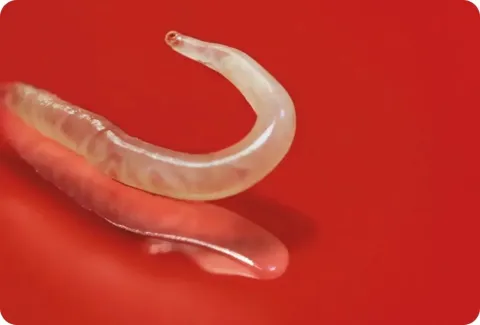
Roundworms are one of the most frequent intestinal parasites in cats. They look like spaghetti strands and can grow quite long inside your cat’s intestines. Cats often get them by swallowing infected fleas or eating rodents, which makes outdoor cats especially vulnerable.
Signs include a pot-bellied appearance, vomiting, and sometimes diarrhea. Have you noticed your cat’s appetite suddenly change? That could be a clue.
Tapeworms
Tapeworms attach to your cat’s intestines and grow in segments that look like grains of rice. Cats usually get tapeworms by ingesting fleas during grooming. These tiny hitchhikers carry tapeworm larvae, making flea control crucial.
You might spot small white segments around your cat’s anus or in their litter box. Are you regularly checking your cat for fleas? It’s an important step to prevent tapeworms.
Hookworms
Hookworms are small but dangerous. They latch onto the intestinal wall and suck blood, which can cause anemia, especially in kittens. These worms enter through the skin, often when cats walk on contaminated soil.
If your cat seems weak or pale, hookworms could be the cause. Do you know where your cat spends most of its time? Avoiding certain outdoor areas might help reduce the risk.
Heartworms
Heartworms are less common in cats than dogs but still pose a serious threat. They live in the heart and lungs, causing respiratory problems and sometimes sudden death. Mosquitoes spread heartworm larvae, so even indoor cats aren’t completely safe.
Watching for coughing or breathing issues can save your cat’s life. Have you talked to your vet about heartworm prevention? It’s worth considering, especially in mosquito-prone areas.
Transmission From Mother To Kitten
Understanding how worms pass from mother cats to their kittens is crucial for keeping your furry family healthy. This type of transmission can happen in more than one way, often before the kittens even open their eyes or during those early nursing days. Knowing these paths helps you act quickly to protect your pets.
Prenatal Infection
Kittens can get worms while still in their mother’s womb. Some parasites, like roundworms, cross the placenta and infect the developing kittens directly. This means even before birth, your kittens might already be carrying worms.
If the mother cat is not treated for worms during pregnancy, the chance of prenatal infection is much higher. Have you ever wondered why some kittens seem sick right from birth? This could be a sign of worms passed before birth.
Nursing Transmission
After birth, worms can also spread through the mother’s milk. Larvae from parasites like hookworms can be present in the milk and infect the kittens during nursing. This is why early deworming of the mother is vital.
Watching your kittens closely in their first weeks is important. If they show signs of poor growth or diarrhea, worms could be the cause. Ensuring the mother receives proper veterinary care reduces the risk of passing worms through nursing.
Ingesting Contaminated Food Or Water
House cats can get worms by eating or drinking things that carry parasite eggs or larvae. This happens when their food or water is not clean. Parasites can live in raw meat or dirty water. Cats can swallow these parasites and get infected. Understanding these risks helps keep cats safe and healthy.
Raw Meat Risks
Raw meat can contain parasite eggs or larvae. These parasites come from infected animals. Cats eating raw or undercooked meat can swallow these parasites. Common sources include rodents, birds, or contaminated meat from stores. Parasites like roundworms and tapeworms can hide in raw meat. Feeding cooked meat reduces the risk of infection. Always handle raw meat carefully to avoid spreading parasites.
Contaminated Water Sources
Dirty water can carry parasite eggs or larvae. Outdoor water sources like puddles, ponds, or stagnant water often contain parasites. Cats drinking from these sources can easily get worms. Parasites survive longer in warm, wet places. Clean, fresh water is safest for cats. Regularly change your cat’s water bowl to prevent contamination. Avoid letting cats drink from outdoor water pools.
Fleas As Vectors
Fleas are more than just an itchy nuisance for your house cat—they play a crucial role in spreading worms. These tiny parasites act as carriers, transferring worm larvae directly to your pet as they feed. Understanding how fleas function as vectors can help you protect your cat from uncomfortable and potentially harmful worm infestations.
Life Cycle Of Fleas
The flea life cycle has four stages: egg, larva, pupa, and adult. Adult fleas live on your cat, feeding on its blood and laying eggs in its fur. These eggs fall off into your home environment, hatching into larvae that feed on organic debris before becoming pupae.
Inside the pupal case, fleas develop into adults and wait for a host. When your cat comes near, the adult flea jumps on and starts feeding. If the flea carries worm larvae, your cat can ingest these while grooming itself, leading to worm infection.
Flea Prevention Tips
- Regularly use flea treatments:Spot-on treatments or oral medications can kill fleas before they spread worms.
- Keep your home clean:Vacuum carpets, furniture, and pet bedding frequently to remove flea eggs and larvae.
- Wash pet bedding often:Hot water can eliminate flea eggs and prevent re-infestation.
- Check your cat daily:Look for signs of fleas or excessive scratching to catch infestations early.
- Limit outdoor exposure:Fleas thrive in grassy and wooded areas, so keeping your cat indoors reduces risk.
Have you noticed your cat scratching more than usual? Could fleas be hiding in your home, silently passing worms to your furry friend? Taking these prevention steps not only stops fleas but also blocks the worm cycle before it starts.
Exposure To Infected Animals
House cats can catch worms through exposure to infected animals. Worms spread easily among cats that share close spaces or interact outdoors. Understanding how these interactions happen helps protect your cat from parasites.
Interactions With Stray Cats
Stray cats often carry worms. They may not show signs but still spread parasites. When house cats meet or fight with strays, worms can transfer. Even brief contact can be enough for infection.
Stray cats leave worm eggs in the environment. Your cat can pick up these eggs from soil or surfaces. Outdoor cats have higher risks due to these encounters.
Contact With Other Pets
House cats living with other pets face worm risks too. Dogs and other animals can carry different types of worms. Close contact, grooming, or shared bedding can spread worms between pets.
Pets that roam outside or hunt rodents increase worm exposure. Worm eggs or larvae may transfer through saliva or fur. Keeping all pets checked and treated helps reduce worm infections.
Credit: nexgardforpets.com
Outdoor Environments And Soil
Outdoor environments expose house cats to various health risks. Soil, especially, can harbor dangerous parasites. Cats that roam outside often come into contact with contaminated soil. This contact can lead to worm infections. Understanding these risks helps protect your feline friend.
Risks In Garden Soil
Garden soil can contain worm eggs and larvae. These parasites come from animal feces left in the area. Cats digging or playing in the soil may ingest these harmful agents. Even small amounts of contaminated soil pose a risk.
Common worms found in garden soil include roundworms and hookworms. These worms can cause digestive issues and other health problems. Keeping cats away from untreated soil reduces their chance of infection.
Dangers In Public Parks
Public parks often have many animals passing through. Wildlife and stray animals leave behind feces filled with worm eggs. Cats exploring parks may come into contact with these infected areas. Walking through grass or soil poses a threat.
Parasites like tapeworms and whipworms can thrive in park environments. They spread easily because many animals share the space. Supervised outdoor time and regular vet check-ups help manage these dangers.
Signs And Symptoms Of Worm Infestation
Recognizing the signs and symptoms of worm infestation in your house cat is crucial for timely treatment. Worms can cause discomfort and health issues that may not be obvious at first. Paying close attention to changes in your cat’s body and behavior can help you spot the problem early.
Physical Symptoms
Look for a swollen or bloated belly, which often signals worms, especially in kittens. You might notice your cat’s fur becoming dull and thin, or see patches of hair loss. Some cats may vomit or have diarrhea, sometimes with visible worms or segments.
Check your cat’s rear end for irritation or redness, as worms can cause itching and discomfort there. Weight loss despite a good appetite is another red flag. Have you ever seen small white rice-like segments near your cat’s tail or in their bedding? Those are usually tapeworm pieces.
Behavioral Changes
Worms can make your cat lethargic and less playful than usual. You may notice your cat hiding more often or showing signs of discomfort when moving. Sometimes, increased scratching or biting at the skin can indicate internal parasites.
Appetite changes are common—your cat might eat less or suddenly become very hungry. If your pet seems restless at night or has trouble sleeping, worms could be the cause. How closely do you observe your cat’s mood and activity? Small changes can reveal a big problem.

Credit: justcatsclinic.com
Prevention And Treatment Options
Preventing and treating worm infections in house cats is vital for their health. Worms can cause discomfort and serious illness if left untreated. Understanding prevention and treatment helps keep cats safe and happy.
Regular Vet Check-ups
Regular visits to the vet help catch worms early. Vets examine your cat’s stool and overall health. Early detection means faster treatment and fewer problems. Schedule check-ups at least twice a year for best care.
Deworming Treatments
Deworming medicines kill worms inside your cat. These treatments come in pills, liquids, or injections. Follow your vet’s advice on the right product and dosage. Repeat treatments may be needed to fully clear worms.
Preventative Measures
- Keep your cat’s litter box clean daily.
- Control fleas, as they spread tapeworms.
- Prevent hunting small animals or birds.
- Wash your hands after handling pets or soil.
- Feed your cat high-quality commercial food.
These simple steps reduce the risk of worm infections. Prevention is easier and safer than treatment.

Credit: nexgardforpets.com
Frequently Asked Questions
How Do Cats Get Worms From The Environment?
Cats can get worms by ingesting contaminated soil, feces, or infected prey. Outdoor cats are more at risk due to exposure to parasite eggs and larvae.
Can Cats Catch Worms From Other Animals?
Yes, cats can catch worms by coming into contact with infected animals or their feces. Close interaction with infected pets increases the risk.
Are Indoor Cats At Risk Of Worm Infections?
Indoor cats have a lower risk but can still get worms through fleas or contaminated food. Regular deworming is important for all cats.
What Role Do Fleas Play In Cat Worm Infections?
Fleas can carry tapeworm larvae, which cats ingest while grooming. This makes flea control essential in preventing worm infestations.
Conclusion
Cats can get worms from many places, like fleas or dirty soil. Keeping your cat clean helps prevent these pests. Regular vet visits catch worm problems early. Treating worms fast keeps your cat healthy and happy. Watch your cat’s behavior for signs of worms.
Good care and attention make a big difference. Worms are common, but easy to control. Protect your furry friend with simple steps. Healthy cats live longer and feel better every day.
