

Are you ready to welcome a truly unique companion into your home? Hairless cats are not just eye-catching—they offer a special kind of charm and affection that can change the way you think about pets.
If you’ve ever wondered what it’s like to care for a cat without fur, or if you’re searching for a pet that stands out from the crowd, this guide is made just for you. Keep reading to discover everything you need to know about adopting hairless cats and why they might be the perfect fit for your family.
Popular Hairless Cat Breeds
Hairless cats stand out with their unique look and charming personalities. These breeds have little to no fur, making them perfect for people with allergies or those who want a different kind of pet. Each breed has its own traits and care needs. Understanding these popular hairless cat breeds helps in choosing the right companion for your home.
Sphynx Cats
Sphynx cats are the most famous hairless cats. They have smooth, soft skin and large ears. These cats love attention and are very playful. Their skin needs regular cleaning to remove oils. They enjoy warmth and often cuddle with their owners.
Peterbald Cats
Peterbald cats come from Russia. They have a slender body and a fine coat that can be almost hairless. These cats are gentle and very social. They like to be around people and other pets. Their skin care is similar to the Sphynx.
Donskoy Cats
Donskoy cats also come from Russia and have a unique hairless look. Their skin can feel like suede. They are friendly and intelligent pets. Donskoy cats need warmth and regular skin care to stay healthy.
Ukrainian Levkoy Cats
Ukrainian Levkoy cats have folded ears and a hairless body. They look very different and are quite rare. These cats are calm and affectionate. Their skin care involves gentle cleaning and keeping them warm indoors.

Credit: lapa.shop
Traits That Set Hairless Cats Apart
Hairless cats are unlike any other feline companions you may have encountered. Their unique traits go beyond the absence of fur, influencing their care needs, behavior, and overall charm. Understanding what sets these cats apart can help you decide if they are the right fit for your home and lifestyle.
Physical Characteristics
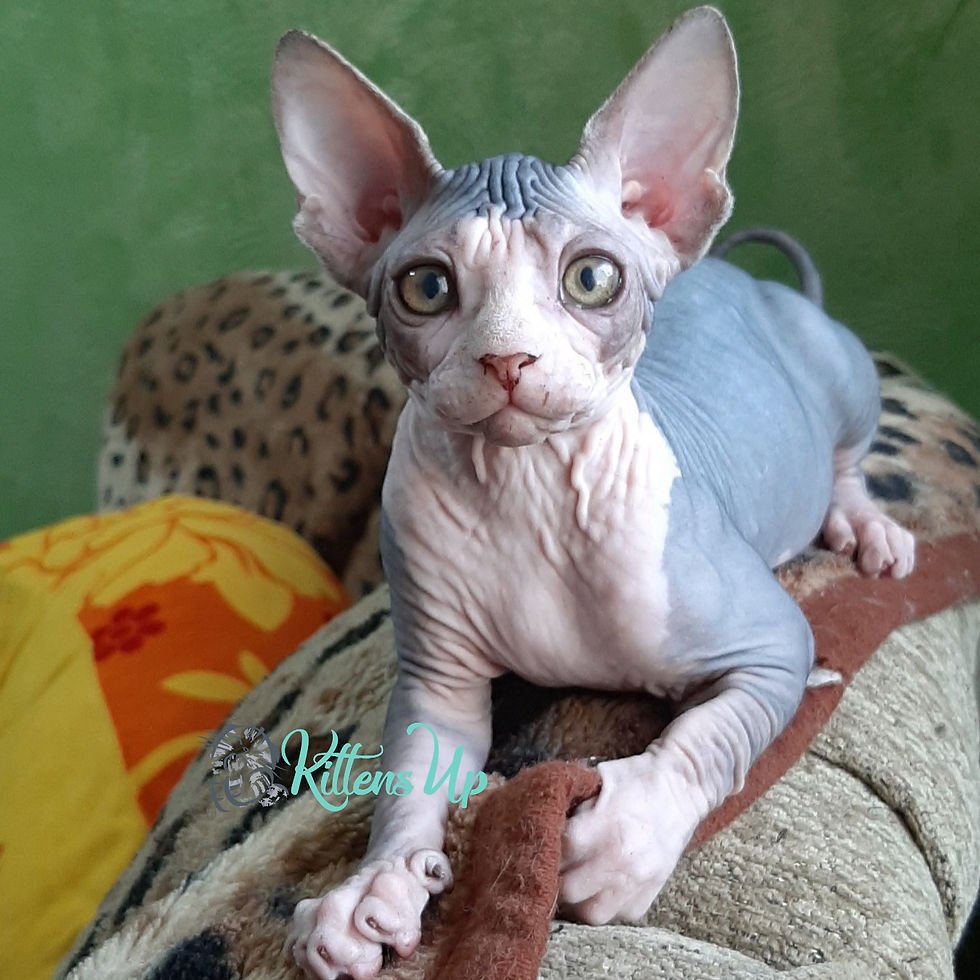
Hairless cats, such as the Sphynx, have smooth, warm skin that feels almost like suede. Their lack of fur exposes every contour, from their muscular bodies to their large ears and prominent cheekbones. You might notice fine wrinkles around their neck and face, which add to their distinct look.
Because they don’t have fur, these cats lose body heat faster. This means they often seek out warm spots—sunny windows, cozy blankets, or even your lap. Their eyes stand out more due to the absence of whisker pads, giving them an expressive, intense gaze.
Personality And Temperament
Hairless cats tend to be incredibly social and affectionate. They often crave human attention and enjoy being part of family activities. Unlike some shy cats, these breeds usually approach strangers with curiosity rather than fear.
Many owners describe their hairless cats as playful and intelligent, often learning tricks or playing fetch. They thrive on interaction and can become lonely if left alone for too long. Does your lifestyle allow you to be a constant companion or provide plenty of stimulation?
Health Considerations
Without fur, hairless cats need special skin care. Regular baths are necessary to remove oils and prevent skin issues. You will also need to protect them from sunburn and cold weather since their skin is exposed.
Some hairless breeds have a higher risk of heart conditions like hypertrophic cardiomyopathy, so regular vet check-ups are crucial. Their sensitive skin can also make them prone to cuts and scrapes, so a safe environment is key. Are you prepared to commit to the extra care these unique cats require?
Caring For Hairless Cats
Caring for hairless cats is a unique experience that requires attention beyond typical pet care. Their lack of fur means their skin needs extra protection and their environment must be thoughtfully arranged. Understanding their special needs helps you provide a happy, healthy home for your hairless feline friend.
Skin Care And Hygiene
Hairless cats produce natural oils that would normally be absorbed by fur. Without that fur, the oils build up on their skin, making regular baths essential. Use a gentle, cat-safe shampoo to keep their skin clean and free from oil buildup.
Check their skin daily for dryness or irritation. Their exposed skin is sensitive and can easily get sunburned or scratched. Applying a vet-approved moisturizer can soothe any dry patches, but always ask your vet before trying new products.
Diet And Nutrition
Hairless cats have a faster metabolism to help regulate their body temperature. This means they often need more calories compared to furry cats. Feeding high-quality, nutrient-rich food supports their energy needs and overall health.
Pay attention to their weight and adjust portions as needed. Overfeeding can lead to obesity, which adds strain on their bodies, while underfeeding can leave them cold and weak. Have you noticed your cat’s activity level changing? That’s a good sign to reevaluate their diet.
Creating A Comfortable Environment
Your hairless cat needs warmth and comfort throughout the day. Soft blankets, heated beds, or cozy spots near sunny windows help keep them warm without overheating. Make sure their resting areas are draft-free, especially during colder months.
Consider their skin sensitivity when choosing furniture or toys. Rough surfaces or materials can cause discomfort or skin damage. Do you provide your cat with safe, soft spaces where they can relax and feel secure?

Credit: purebredkitties.com
Adoption Tips For Hairless Cats
Adopting a hairless cat requires special care and attention. These unique pets need a warm, safe environment and thoughtful owners. Preparation helps ensure a happy life for both you and your new companion.
Finding Reputable Breeders And Shelters
Choose breeders or shelters with good reputations. Check their reviews and ask questions about the cat’s health. Avoid places that do not provide clear health records.
Visit the facility to see the conditions. Healthy and clean surroundings mean responsible care. Ask about the cat’s temperament and history to match your lifestyle.
Preparing Your Home
Hairless cats need warmth since they lack fur. Provide soft blankets, heated beds, or warm spots around the house. Avoid drafts and cold floors.
Use gentle, hypoallergenic cleaning products. Sensitive skin can react to harsh chemicals. Set up a quiet area where the cat can feel safe and relaxed.
- Stock up on skin-friendly lotions recommended by vets
- Buy nail clippers to prevent scratches on delicate skin
- Provide scratching posts to keep claws healthy
Understanding Long-term Commitment
Hairless cats live around 12 to 15 years. They need daily care and love throughout their lives. Regular vet visits help prevent skin problems and other health issues.
Expect to spend time grooming and monitoring their skin condition. These cats thrive with attention and gentle handling. Your commitment ensures a strong bond and happy pet.
Benefits Of Choosing Hairless Cats
Choosing a hairless cat offers many unique advantages. These cats stand out with qualities that suit various lifestyles. Their traits make them a special addition to any home.
Hypoallergenic Qualities
Hairless cats produce less dander than furry breeds. This reduces allergic reactions for sensitive individuals. They are easier to care for in terms of allergy management. Less shedding means cleaner living spaces too.
Unique Appearance
Their smooth, bare skin gives them a striking look. Many find their appearance fascinating and beautiful. They often have large ears and expressive eyes. This distinct look makes them memorable and charming pets.
Affectionate Nature
Hairless cats are known to be very loving. They enjoy close contact and often seek warmth from their owners. Their social and playful personality makes bonding easy. These cats thrive on attention and affection.
Credit: www.adoptapet.com
Frequently Asked Questions
What Are The Best Hairless Cats To Adopt?
The best hairless cats to adopt include Sphynx, Peterbald, and Donskoy. These breeds are known for their affectionate nature and unique appearance. They require special skin care and regular vet visits to stay healthy and happy.
Are Hairless Cats Hypoallergenic Pets?
Hairless cats produce fewer allergens but are not completely hypoallergenic. People with mild allergies may tolerate them better. Regular cleaning and grooming help reduce allergens in your home.
How Do You Care For Hairless Cats?
Hairless cats need regular skin cleaning to prevent oil buildup. They require protection from sunburn and cold weather. Bathing every 1-2 weeks and moisturizing keep their skin healthy.
Do Hairless Cats Have Special Dietary Needs?
Hairless cats do not have special dietary needs but may require more calories. Their lack of fur causes higher energy use to maintain body temperature. A balanced diet supports their health and skin condition.
Conclusion
Hairless cats offer unique companionship. Their playful nature delights many families. Easy grooming makes them ideal for busy lives. These cats love attention and provide warmth and love. They fit well in homes with allergies. Their distinct look attracts curious pet lovers.
Each cat has its own personality and charm. Adoption gives them a loving home and you a loyal friend. Consider adding a hairless cat to your family today. Enjoy the joy and friendship they bring. A rewarding experience for everyone involved.
