

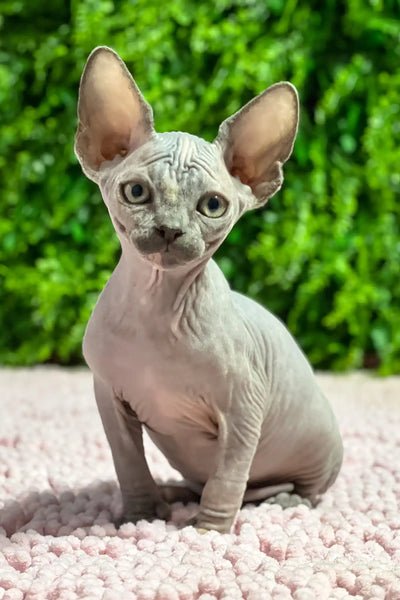
Are you considering adding a new feline friend to your family? Imagine a cat without fur, with eyes that seem to look right into your soul.
Hairless cats, also known as Sphynx cats, might just be the perfect fit for your household. These unique companions are not only hypoallergenic but also have a personality that will melt your heart. We’ll explore everything you need to know about adopting a hairless cat, from their care needs to their playful and affectionate nature.
By the end, you might just find yourself enchanted by these curious creatures and ready to welcome one into your home. Get ready to discover the magic of hairless cats and why they could be the ideal pet for you.
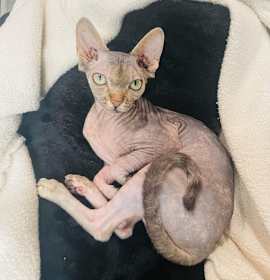
Credit: www.adoptapet.com
Why Choose A Hairless Cat
Choosing a hairless cat as a pet offers more than just a unique look. These cats bring a special charm and qualities that make them stand out. Their care and companionship suit many lifestyles. Here is why hairless cats make a wonderful choice for adoption.
Unique Appearance And Charm
Hairless cats have a striking, smooth skin that draws attention. Their lack of fur highlights their expressive eyes and large ears. This look is rare and fascinating. People often find their appearance elegant and artistic. They become a conversation starter and a distinctive pet in any home.
Hypoallergenic Qualities
Many who suffer from allergies find hairless cats easier to live with. These cats produce fewer allergens than furry cats. Their skin needs regular care to stay healthy and clean. This lowers the chance of allergic reactions. They offer a good option for allergy sufferers who want a cat.
Personality Traits
Hairless cats are known for being friendly and loving. They enjoy human company and often follow their owners around. These cats are playful and curious, keeping life lively. They adapt well to different environments and routines. Their affectionate nature creates strong bonds with people.
Preparing Your Home
Preparing your home for a hairless cat is essential for their comfort and health. These unique pets need special care because they lack fur. Your home should feel cozy and safe to help them thrive. Small changes make a big difference in their daily life.
Creating A Warm Environment
Hairless cats feel cold easily. Keep rooms warm, especially during winter. Use soft blankets and heated beds to help them stay cozy. Avoid drafts near their resting places. Place sunny spots where they can relax and soak up warmth safely.
Essential Supplies
- Soft, warm bedding for comfort
- Hypoallergenic cat shampoo for gentle baths
- Sunblock made for pets to protect skin
- Cat clothes or sweaters for extra warmth
- Non-slip mats to prevent slipping on smooth floors
Keep grooming tools handy to clean their skin regularly. Hairless cats need routine skin care to avoid issues.
Safety Considerations
Hairless cats have sensitive skin that can get hurt easily. Remove sharp objects and rough surfaces from their play areas. Avoid strong chemicals and sprays around the house. Use window guards to prevent falls. Keep small items out of reach to avoid choking risks.
Watch for signs of skin irritation or dryness. A safe, clean home protects your new pet from harm and stress.
Adoption Process
Adopting a hairless cat requires thoughtful planning and care. These unique cats need special attention and a loving home. The adoption process helps ensure you and your new pet are a perfect match. Understanding each step makes adoption smooth and rewarding.
Finding Reputable Breeders And Shelters
Start by searching for trusted breeders or shelters with good reputations. Check reviews and ask for recommendations from cat lovers. Reliable sources provide healthy cats with proper care. Avoid places that do not allow visits or provide little information.
Visit the breeder or shelter in person. See the living conditions and how the cats behave. Healthy hairless cats are active and curious. Ask about the cat’s health history and vaccinations. Choose places that prioritize animal welfare and transparency.
Questions To Ask Before Adoption
- Has the cat received all necessary vaccinations?
- Are there any known health issues?
- What type of diet does the cat need?
- How does the cat behave around children or other pets?
- What grooming or skin care does the cat require?
- Does the cat have any special needs?
- What is the cat’s history or background?
Asking these questions helps you prepare for your new cat’s needs. It also shows the breeder or shelter your commitment.
Adoption Costs And Commitments
Adopting a hairless cat comes with costs beyond the adoption fee. Expect expenses for regular vet visits, skin care products, and special food. These cats need extra warmth and protection from the sun.
Commit to providing a safe, comfortable home. Hairless cats rely on owners for care and attention. Consider time, effort, and finances before adopting. This ensures a happy life for your new companion.
Daily Care Tips
Caring for hairless cats requires a thoughtful approach to their unique needs. Their lack of fur means they rely on you more for protection, comfort, and health maintenance. Paying close attention to daily care will keep your hairless companion happy and thriving.
Skin Care And Bathing Routine
Hairless cats have sensitive skin that can easily get oily or dirty. You should gently clean their skin with a mild, hypoallergenic pet shampoo once a week to avoid clogged pores and irritation.
Using a soft cloth or sponge can help you reach tricky spots without causing discomfort. Don’t forget to moisturize with a vet-approved lotion to prevent dryness or cracking.
Have you noticed your cat scratching more than usual? It might be a sign their skin needs extra attention or a different product. Always watch for redness or bumps and consult your vet if needed.
Nutrition And Feeding
Hairless cats often burn more calories to stay warm, so their diet should be rich in nutrients and calories. Feeding high-quality, protein-rich food supports their energy needs and promotes healthy skin.
Provide fresh water at all times to keep them hydrated—hydration affects skin health more than you might expect. You might also want to add omega-3 supplements after discussing it with your vet for that extra skin boost.
Have you ever tracked your cat’s eating habits? Noticing changes early can prevent health issues down the line.
Exercise And Mental Stimulation
Hairless cats are energetic and curious, needing both physical and mental exercise to stay balanced. Set up interactive play sessions using toys like feather wands or laser pointers to keep them active.
Providing puzzle feeders or new objects to explore challenges their minds and reduces boredom. Remember, a tired cat is a happy cat, and this also helps prevent destructive behavior.
What new activity could you introduce today to spark your cat’s interest? Sometimes a small change in routine makes a big difference.
Health Concerns
Owning a hairless cat is a unique experience, but it comes with specific health concerns you should be aware of. These cats have special needs that differ from their furry counterparts. Understanding these concerns helps you provide the best care and keep your feline friend happy and healthy.
Common Health Issues
Hairless cats are prone to skin problems since they lack fur protection. They can easily get sunburned or develop dry, flaky skin. Some may also experience respiratory issues or dental problems more frequently than other cats.
One of the most common issues is skin infections caused by dirt buildup or minor injuries. You might notice redness or unusual odors, signaling that your cat needs medical attention. Paying attention to these signs early can prevent more serious complications.
Regular Veterinary Check-ups
Scheduling frequent vet visits is essential for hairless cats. These check-ups allow your vet to monitor their skin condition, teeth, and overall health. Early detection of any issues can save you from costly treatments later.
During my first year with a hairless cat, regular vet visits helped catch a mild skin infection early. This made treatment quick and straightforward. You’ll find that having a trusted vet familiar with hairless breeds makes a huge difference.
Preventive Care
Preventive care is crucial when adopting a hairless cat. You should keep their skin moisturized with vet-approved lotions and protect them from direct sunlight. Using gentle wipes regularly helps remove oils and dirt that accumulate on their skin.
Don’t forget dental care. Hairless cats often need teeth cleaned more frequently to avoid buildup and gum disease. Simple steps like brushing their teeth or offering dental treats can improve their health significantly.
Are you prepared to adjust your routine to meet these specific needs? Your attention can make all the difference in your hairless cat’s well-being.

Credit: purebredkitties.com
Building A Strong Bond
Building a strong bond with your hairless cat is essential for a happy and healthy relationship. These unique felines thrive on attention and connection, so investing time and effort will pay off in trust and affection. Understanding their personality and needs helps you create a lasting friendship that feels natural and fulfilling.
Socializing Your Sphynx
Sphynx cats are naturally curious and social animals. Introducing them to different people, environments, and gentle handling early on helps them feel comfortable and confident. If your cat seems shy or hesitant, patience is key—soft voices and slow movements encourage them to open up.
Try inviting friends over gradually and allow your cat to approach at their own pace. This builds their comfort with new experiences and prevents fear or aggression. Have you noticed how your Sphynx reacts differently around strangers? Observing these cues guides you in making socialization a positive experience.
Interactive Playtime
Play is more than fun; it’s a powerful way to connect with your cat. Hairless cats love chasing toys that mimic prey, like feather wands or laser pointers. Set aside daily play sessions to keep them mentally and physically active.
Use interactive toys to engage their hunting instincts and prevent boredom. Notice which games your cat prefers—does it enjoy pouncing or stalking? Tailoring playtime to their style deepens your bond and keeps your cat happy.
Recognizing Their Needs
Hairless cats have specific needs that impact your relationship. Their lack of fur means they get cold easily and require cozy spaces or clothing. They also need regular skin care, such as gentle baths, to stay healthy.
Pay close attention to signs of discomfort or stress, like excessive scratching or hiding. Meeting these needs promptly shows your cat that you understand and care for them deeply. What small changes could you make today to improve your Sphynx’s comfort and trust?
Traveling With Your Hairless Cat
Traveling with your hairless cat requires special care and planning. These unique pets need extra attention to stay comfortable and safe. Their lack of fur means they can get cold or stressed easily. Preparing well can make trips smooth and enjoyable for both of you.
Travel Preparation
Start by choosing a secure carrier that fits your cat well. Add soft blankets or towels for warmth. Pack essentials like food, water, and any medications. Keep your cat’s favorite toys or a small blanket with their scent. Visit the vet before travel for a health check. Make sure vaccinations are up to date. Practice short car rides to help your cat get used to traveling.
Comfort And Safety Tips
Maintain a comfortable temperature inside the vehicle. Use a carrier cover to block drafts and bright light. Never leave your cat alone in a parked car. Offer water regularly, especially on long trips. Speak softly to calm your pet during travel. Secure the carrier with a seatbelt to prevent movement. Avoid loud noises and sudden stops to reduce stress.
Adjusting To New Environments
Set up a quiet, warm space for your cat at the new location. Use familiar bedding and toys to create comfort. Let your cat explore slowly and at their own pace. Keep feeding and litter box routines consistent. Watch for signs of stress like hiding or refusal to eat. Spend time together to reassure your cat and build trust. Gradual adjustment helps your hairless cat feel safe and happy.

Credit: www.adoptapet.com
Myths And Facts
Thinking about adopting a hairless cat? It’s easy to get caught up in the myths that swirl around these unique pets. Separating fact from fiction will help you make a better decision and prepare you for what owning one really means.
Common Misconceptions
Many believe hairless cats are completely hypoallergenic, but this isn’t always true. They still produce skin oils and dander that can trigger allergies.
Another myth is that hairless cats don’t need much care. In reality, their skin requires regular cleaning to prevent oil buildup and sunburn.
Some people think these cats are unhealthy or fragile. While they have specific needs, well-bred hairless cats are just as strong and lively as any other breed.
Realities Of Hairless Cat Ownership
Owning a hairless cat means embracing daily skin care. You’ll need to gently wipe them down every week to remove oils and dirt.
Temperature control matters a lot. Hairless cats get cold easily, so providing warm blankets or clothing during chilly days is essential.
Despite their unusual look, these cats are affectionate and social. Many owners say their hairless pets are even more cuddly and playful than furred cats.
Are you ready to commit to this kind of care? Understanding these facts ensures your hairless cat will thrive and be a happy part of your home.
Frequently Asked Questions
What Should I Know Before Adopting A Hairless Cat?
Hairless cats need regular skin care to prevent dryness and sunburn. They require warmth as they lack fur insulation. These cats are friendly but may need extra attention. Understanding their grooming and health needs ensures a happy adoption experience.
Are Hairless Cats Hypoallergenic Pets?
Hairless cats produce fewer allergens but aren’t completely hypoallergenic. They still shed skin oils and dander, which may trigger allergies. People with mild cat allergies might tolerate them better. Always spend time with a hairless cat before adopting to test your reaction.
How Much Does Adopting A Hairless Cat Typically Cost?
Adoption fees for hairless cats vary between $100 and $500. Costs depend on the breed, age, and shelter policies. Additional expenses include veterinary care, grooming, and supplies. Budgeting for these ensures you can provide proper care after adoption.
Do Hairless Cats Require Special Grooming?
Yes, hairless cats need regular bathing to remove skin oils. Their skin can become oily and dirty without fur. They also need nail trimming and ear cleaning. Proper grooming keeps them healthy, comfortable, and prevents skin infections.
Conclusion
Choosing to adopt a hairless cat brings joy and unique care needs. These cats are loving, playful, and need warmth and gentle skin care. Adopting means giving a special cat a safe, happy home. They fit well in many families and bring lots of affection.
Think about your lifestyle and readiness before adopting. Hairless cats make wonderful pets for those ready to care for them. Their special traits create a strong bond with their owners. Caring for them is rewarding and filled with love.
