

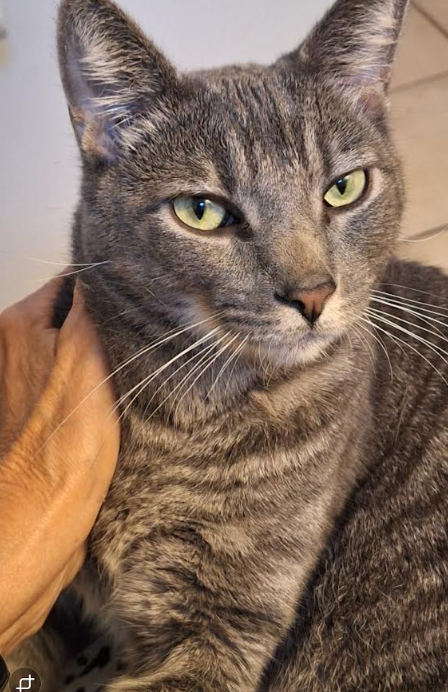
Have you ever wondered what happens to cats after they’ve been declawed? If you care about animals, especially cats, this topic is something you can’t ignore.
Declawed cats face unique challenges that most people don’t see or understand. You’ll discover why rescuing declawed cats is so important and how you can make a real difference in their lives. Keep reading to learn how your actions can bring hope and comfort to these special cats who need it the most.
Impact Of Declawing On Cats
Declawing cats is a serious procedure that affects their health and happiness. It is not just about removing claws. The impact goes deeper, influencing their body, behavior, and feelings. Understanding these effects helps us care better for declawed cats and support their rescue.
Physical Consequences
Declawing removes the cat’s front toes at the last joint. This causes:
- Pain during and after surgery
- Difficulty walking and balancing
- Long-term joint problems
- Increased risk of arthritis
- Possible infections and complications
These physical issues can last for months or even years. Cats rely on their claws for many activities. Without them, their mobility changes.
Behavioral Changes
Declawed cats often show new behaviors. Many become more withdrawn or aggressive. Common changes include:
- Increased biting
- Avoidance of litter boxes due to pain
- Reduced grooming habits
- Less play and exercise
- Heightened anxiety or fear
These behaviors arise because the cat feels vulnerable. Claws help cats defend themselves and express feelings.
Emotional Well-being
Declawing deeply affects a cat’s emotions. It can cause stress and sadness. Cats may feel:
- Frustration from limited movement
- Loss of confidence
- Fear due to inability to escape threats
- Emotional withdrawal from people
- Overall unhappiness
Emotional pain is as real as physical pain. Rescue groups work hard to heal these wounds and restore trust.

Credit: www.reddit.com
Challenges In Declawed Cat Rescue
Rescuing declawed cats presents unique challenges. These cats need more care and patience than others. Understanding their specific needs is key for their well-being and happiness. Each stage of rescue has its own difficulties that must be handled carefully.
Medical Needs
Declawed cats often suffer from long-term pain. Removing claws affects their paw structure and balance. Many have arthritis or nerve damage. Regular vet visits are essential to monitor these issues. Special treatments and medications may be required. Rescue centers must be ready to provide ongoing medical care.
Behavioral Rehabilitation
Declawed cats may show fear or anxiety. They often struggle with natural behaviors like scratching. Some become withdrawn or aggressive due to stress. Patience and gentle interaction help rebuild trust. Providing soft surfaces for scratching can ease frustration. Behavioral therapy supports their emotional healing.
Finding Suitable Homes
Not all adopters understand the needs of declawed cats. Potential homes must be patient and committed. Educating adopters about special care is crucial. Ideal homes offer quiet, safe environments. Families with children or other pets require careful matching. Successful adoption depends on clear communication and support.
Medical Care For Declawed Cats
Declawed cats need special medical care to stay healthy and comfortable. The declawing surgery removes important parts of their toes. This can cause pain and other health issues. Careful attention helps these cats live happier lives after rescue. Medical care focuses on pain relief, infection prevention, and ongoing health checks.
Pain Management
Declawing causes pain that can last weeks or longer. Pain management is key to healing. Vets use medicines to reduce discomfort. These may include:
- Non-steroidal anti-inflammatory drugs (NSAIDs)
- Opioids for severe pain
- Topical ointments to soothe wounds
Gentle handling and calm environments also help cats feel better. Monitor for signs of pain like limping or hiding.
Preventing Infections
Surgery wounds can get infected without proper care. Keep the paws clean and dry. Vets may prescribe antibiotics to stop infections. Watch for redness, swelling, or discharge. These signs need prompt medical attention. Use soft bedding to avoid irritation. Regular checks reduce infection risk and speed recovery.
Long-term Health Monitoring
Declawed cats can face ongoing health problems. Joint pain and arthritis may develop over time. Monitor their walking and behavior regularly. Look for:
- Changes in gait or posture
- Reduced activity or limping
- Signs of discomfort or stress
Regular vet visits help catch problems early. Adjust care plans to support their well-being. Long-term monitoring improves quality of life.

Credit: www.reddit.com
Behavioral Support Strategies
Supporting declawed cats with behavioral strategies improves their quality of life. These cats often face unique challenges after declawing. Tailored approaches help them adjust and thrive in new environments. Focus lies on trust, natural instincts, and emotional health.
Building Trust And Confidence
Declawed cats may feel vulnerable and scared. Approach them gently and speak softly. Offer treats to create positive experiences. Avoid sudden movements or loud noises. Give cats space to explore at their own pace. Consistency in care builds a safe environment. Trust grows with patient, calm interactions.
Encouraging Natural Behaviors
Even without claws, cats need to express instincts. Provide soft scratching posts to replace clawing. Use interactive toys to stimulate hunting behaviors. Encourage play to keep them active and engaged. Create cozy spots for resting and observing. These outlets reduce stress and improve well-being.
Handling Anxiety And Aggression
Stress can cause anxiety or aggression in declawed cats. Watch for signs like hissing or hiding. Create quiet areas free from disturbances. Use gentle petting to soothe nervous cats. Avoid forcing interactions during upset moments. Consult a vet for calming options if needed. Support helps cats feel safe and calm again.
Creating Safe Environments
Creating safe environments for declawed cats is essential to their well-being. These cats need spaces that protect their sensitive paws while encouraging natural behaviors. You can make simple changes at home that have a big impact on their comfort and happiness.
Home Adaptations
Sharp edges and rough surfaces can hurt declawed cats, so smooth floors and soft resting spots are a must. Adding cushioned beds and rugs helps protect their paws from hard surfaces. Think about removing or covering any rough carpets or tiles that might irritate their feet.
Keep harmful objects like wires or small items out of reach. Declawed cats may have less ability to defend themselves, so creating a calm, clutter-free environment reduces stress. You might notice your cat relaxes more when their space feels safe and easy to navigate.
Providing Enrichment
Declawed cats still need to climb, scratch, and play, but they require different tools. Soft scratching posts made from fabric or cardboard are great alternatives. You can also offer interactive toys that don’t require intense paw use, like feather wands or laser pointers.
Watching your cat engage with gentle play can spark ideas for new activities. What types of toys does your cat prefer? Your observation can help you tailor enrichment to keep them active without risking injury.
Litter Box Considerations
Declawed cats have more sensitive paws, so choosing the right litter is key. Avoid rough or clumping litters that might cause discomfort. Instead, opt for fine-grain, dust-free options that feel softer underfoot.
Make sure the litter box is easy to access and has low sides for easy entry. If your cat hesitates to use the box, try shallow layers of litter to reduce pressure on their paws. Small changes like these can improve their bathroom experience significantly.

Credit: www.reddit.com
Adoption Tips For Declawed Cats
Adopting a declawed cat requires special attention and care. Declawed cats need a calm and safe environment to thrive. Understanding their unique needs ensures a happy life for both the cat and owner.
Screening Potential Owners
Not every home suits a declawed cat. Owners must be patient and gentle. They should provide a quiet space and avoid rough play. Experience with cats is a plus but not required. Ask questions about daily routines and home setup. Ensure the adopter can meet the cat’s physical and emotional needs.
Educating Adopters
Teach adopters about declawed cat care basics. Explain the importance of soft surfaces and safe toys. Discuss litter box maintenance and hygiene. Highlight the need for regular vet visits. Warn about the cat’s limited defense ability. Help adopters understand how to prevent stress and injury.
Post-adoption Support
Support after adoption builds trust and success. Offer advice on behavior and health questions. Provide resources for local vets and pet care. Encourage adopters to share updates and concerns. Follow-up calls help catch problems early. A strong support system improves the cat’s adjustment.
Preventing Declawing Practices
Preventing declawing practices is vital for the well-being of cats. This harmful procedure causes pain and long-term issues. Efforts to stop declawing focus on education, alternatives, and laws. These strategies help protect cats and promote kindness.
Raising Awareness
Many people do not know the true impact of declawing. Sharing facts about the pain and risks helps change opinions. Rescue groups and shelters use social media and events to inform the public. Education encourages pet owners to choose humane options. Stories from declawed cats show the need for change.
Promoting Alternatives
Safe and effective alternatives to declawing exist. Nail trimming keeps claws short and prevents damage. Soft nail caps can protect furniture and paws. Training cats to use scratching posts supports natural behavior. Promoting these options reduces the demand for declawing surgeries.
Legislative Efforts
Laws banning or limiting declawing grow worldwide. Many cities and countries have made declawing illegal. These rules protect cats from unnecessary harm. Advocates work with lawmakers to pass new legislation. Strong laws create safer environments for cats everywhere.
Frequently Asked Questions
What Is Declawing In Cats And Why Is It Harmful?
Declawing removes a cat’s claws by amputating toes, causing pain and mobility issues. It often leads to behavioral problems and long-term health risks. Many vets and animal groups strongly oppose declawing for ethical reasons.
How Can I Help A Declawed Cat In Rescue?
Provide a safe, indoor environment with soft bedding and litter boxes. Use nail caps or soft paws to protect furniture. Offer extra affection and monitor for pain or mobility issues, ensuring regular vet check-ups for their specific needs.
Why Do Declawed Cats Need Special Care?
Declawed cats lack natural defenses and claw-related functions. They require gentle handling, stress reduction, and protection from injury. Their paws can be sensitive, so soft surfaces and careful grooming are essential for their comfort and health.
Are Declawed Cats Adoptable Through Rescue Organizations?
Yes, many rescues specialize in declawed cats. These cats need loving homes aware of their special needs. Adoption helps provide them safe lives and raises awareness about the consequences of declawing.
Conclusion
Saving declawed cats matters. They need love and care. Rescue efforts provide a second chance. Each adoption makes a big difference. It offers a safe, loving home. Many declawed cats await kind owners. Consider adopting one today. Their purrs will warm your heart.
Your support helps more rescues. Every little action counts. Join this compassionate mission. Spread awareness about declawed cat rescue. Together, we can bring hope. These cats deserve a brighter future. Let’s make it happen. Together, we change lives. One cat at a time.
