

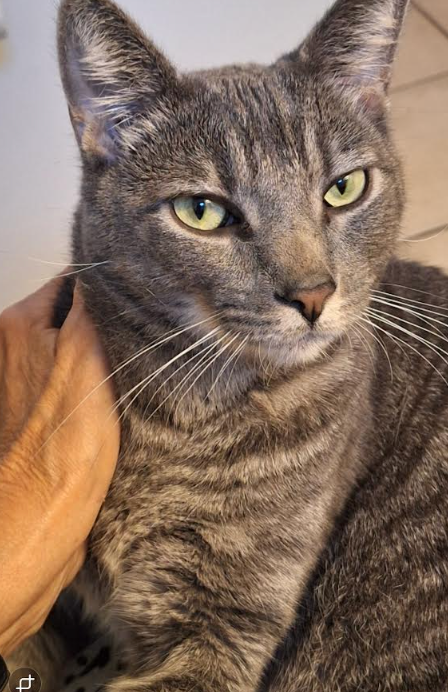
Are you thinking about adding a new furry friend to your home? If so, you might come across declawed cats for adoption.
Understanding what it means for a cat to be declawed is important before making your decision. This article will help you learn the facts, the care these cats need, and how you can provide a loving home. Keep reading to discover everything you need to know to make the best choice for you and your future pet.
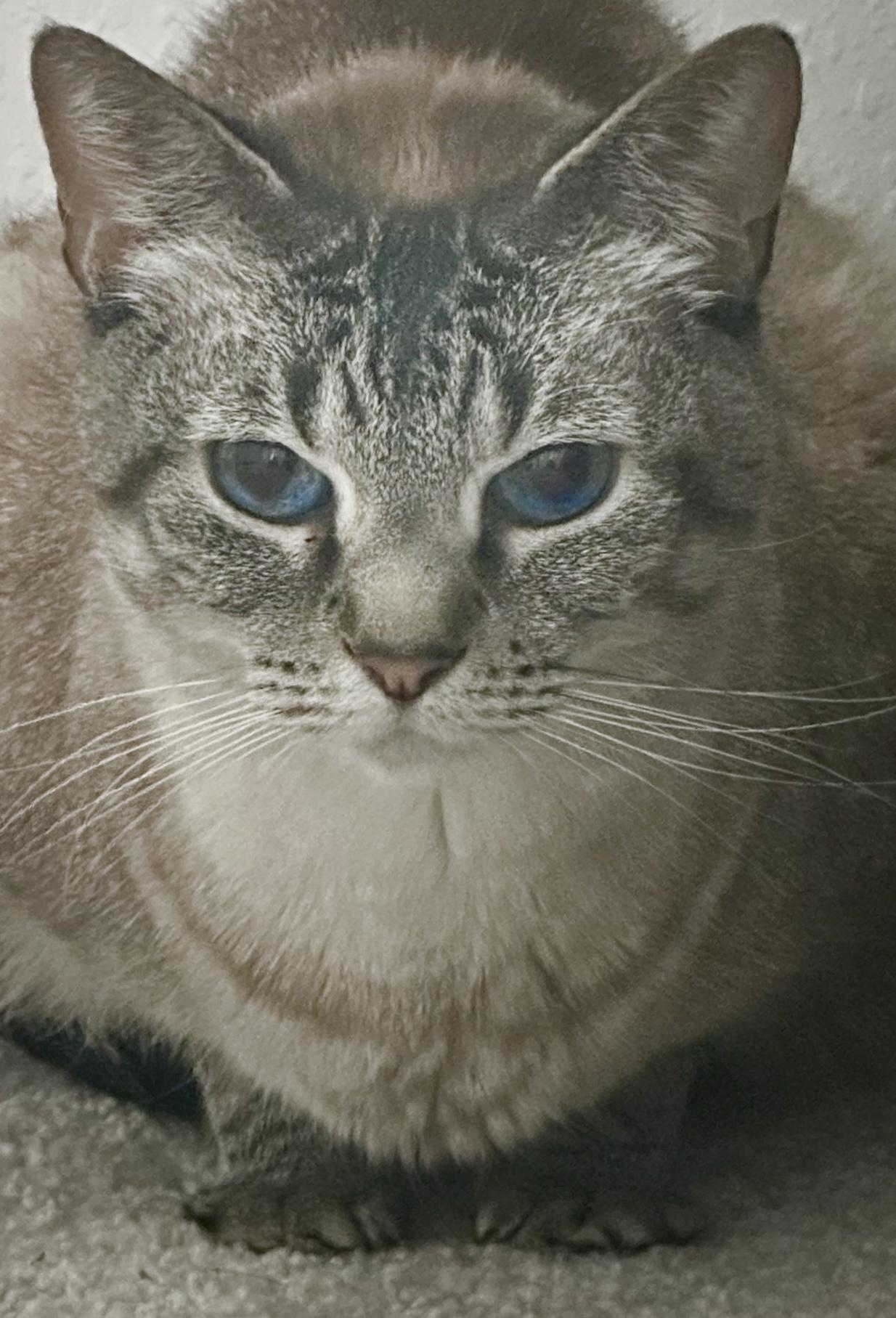
Credit: www.petfinder.com
Why Declawed Cats Need Homes
Declawed cats often face unique challenges that make finding them loving homes essential. Many of these cats were declawed before people fully understood the long-term effects of the procedure. By opening your heart and home to a declawed cat, you offer them a chance for a better life filled with care and understanding.
Impact Of Declawing On Cats
Declawing is more than just removing nails; it involves amputating the last bone of each toe. This procedure can lead to lasting physical pain and affect a cat’s ability to walk properly. Many declawed cats develop arthritis or other joint problems later in life because their balance and posture change.
Because their primary defense is gone, declawed cats may feel more vulnerable. This can make them shy or fearful, especially in new environments. Knowing this, you can create a calm and safe space to help your declawed cat feel secure.
Behavioral Traits Of Declawed Cats
Without claws, some cats may become more cautious or avoid certain activities like climbing or playing with scratch toys. They might also use other behaviors, such as biting, to communicate discomfort or fear. It’s important to watch their body language closely and respond with gentle reassurance.
Many declawed cats are incredibly affectionate and bond deeply with their owners. Their need for comfort and security can make them loyal companions who thrive in a quiet, loving home. Have you ever noticed how some cats become velcro pets, always wanting to be near you?
Common Misconceptions
One common myth is that declawed cats are easier to care for because they don’t scratch furniture. While true to some extent, this overlooks the physical and emotional toll on the cat. Declawing does not stop all scratching behaviors—it only removes the nails.
Another misconception is that declawed cats don’t need special care. In reality, they may require extra attention to their paws and comfort levels. Knowing the truth helps you make a more informed decision and provide better care if you adopt a declawed cat.
Benefits Of Adopting Declawed Cats
Adopting a declawed cat offers several unique benefits. These cats often fit well in indoor homes and bring gentle companionship. Many people find declawed cats easier to care for in certain living spaces. Understanding their traits helps potential adopters make informed decisions.
Suitability For Indoor Living
Declawed cats adapt well to indoor environments. Without claws, they are less likely to damage household items. These cats enjoy cozy spaces and quiet areas. Their lifestyle suits apartments and homes with limited outdoor access.
Affectionate Nature
Declawed cats often show strong affection toward their owners. They enjoy cuddling and being close. Their gentle touch makes them great companions for families and seniors. These cats usually seek comfort and attention.
Lower Risk To Furniture
Without claws, these cats cause less damage to furniture. Upholstery and curtains stay intact longer. Owners save money on repairs and replacements. This trait makes declawed cats ideal for homes with delicate furnishings.
Caring For Declawed Cats
Caring for declawed cats requires special attention to their unique needs. These cats face challenges different from those with claws. Understanding their health, hygiene, and activity needs helps keep them happy and healthy.
Special Health Considerations
Declawed cats may have changes in their walking and balance. Watch for limping or soreness in their paws. Regular vet visits are important to check for arthritis or joint pain. Keep their nails trimmed on the remaining toes to avoid injury. Use soft bedding to protect their feet and joints.
Litter Box Tips
Declawed cats can be sensitive to litter texture. Use soft, dust-free litter to prevent paw irritation. Avoid clumping litter that can stick to their paws. Keep the litter box clean to encourage use. Consider a shallow box for easier access and comfort.
Exercise And Play Needs
Playtime keeps declawed cats active and reduces stress. Provide toys that do not require scratching, like balls or feather wands. Encourage gentle play to avoid paw injury. Use climbing shelves with soft padding for safe jumping. Regular exercise helps maintain their muscle strength and agility.
Finding Declawed Cats For Adoption
Finding a declawed cat for adoption can be a unique journey. These cats often face challenges in finding new homes due to misconceptions and the special care they require. Yet, with patience and the right resources, you can connect with a declawed feline who will bring joy and companionship to your life.
Shelters And Rescues To Contact
Start by reaching out to local animal shelters and rescue groups. Some shelters have declawed cats needing homes, especially those specializing in senior or special-needs pets. Visiting these places in person can give you a better sense of the cat’s temperament and health.
Ask about their policies on declawed cats. Some rescues may have specific programs or foster networks for them. Building a relationship with shelter staff can also help you stay informed about new arrivals.
Online Adoption Resources
Websites like Petfinder, Adopt-a-Pet, and Rescue Me list cats available for adoption nationwide. You can filter your search to find declawed cats or specify special needs. This broadens your options beyond local shelters.
Be cautious and verify the credibility of online listings. Look for detailed profiles and clear photos. Connecting directly with rescue organizations through these platforms often leads to smoother adoption experiences.
Questions To Ask Before Adoption
Before adopting a declawed cat, ask about their medical history and any special care they need. Declawed cats may have unique behaviors or health concerns you should be ready to manage.
Inquire about their personality and how they interact with other pets or children. Understanding their behavior helps ensure a good match with your household.
Finally, ask what support the shelter or rescue offers after adoption. Will they provide advice on litter box training or mobility issues? Knowing you have guidance can make a big difference in your cat’s adjustment.
Creating A Safe Home Environment
Creating a safe home environment is vital for a declawed cat’s happiness and health. Declawed cats need special care to feel secure and comfortable. Their mobility and behavior can change after declawing. Adjusting your home helps them live stress-free. This section explains how to adapt furniture, provide comfort, and reduce anxiety.
Adapting Furniture And Spaces
Declawed cats cannot climb or scratch like other cats. Provide low, soft surfaces for resting and playing. Use ramps or stairs to help them reach favorite spots. Avoid sharp edges or rough surfaces that can hurt their paws. Cover furniture with soft fabric to make it safe and cozy. Create quiet corners where your cat can retreat and feel safe.
Providing Comfort And Security
Soft bedding is essential for declawed cats. Choose warm blankets or cushioned beds. Place beds in calm, low-traffic areas. Use gentle lighting to avoid startling your cat. Keep food and water bowls in easy-to-reach spots. Maintain a clean litter box with soft, dust-free litter. Regular grooming helps your cat feel cared for and relaxed.
Preventing Stress And Anxiety
Declawed cats can feel vulnerable or stressed. Maintain a calm, predictable daily routine. Play gently with toys that don’t require scratching. Avoid loud noises and sudden movements. Provide hiding places like boxes or covered beds. Use pheromone diffusers or sprays to create a soothing atmosphere. Watch for signs of stress and respond with patience and care.
Credit: www.hsni.org
Sharing Stories Of Declawed Cats
Sharing stories about declawed cats can open your eyes to the unique experiences these pets and their owners face. These stories reveal the resilience of cats and the dedication of their adopters. They show how love and care can transform challenges into rewarding relationships.
Success Stories From Adopters
Many adopters have found joy in welcoming declawed cats into their homes. One adopter shared how their declawed cat quickly adapted and became a playful companion despite initial worries. These stories highlight how patience and understanding help these cats thrive.
Success often comes from providing safe environments where cats feel secure. You can create a space with soft bedding and gentle toys that encourage activity without causing harm. Seeing your cat explore and relax happily can be one of the most fulfilling experiences.
Overcoming Challenges
Declawed cats may face certain physical limitations or behavioral changes. Some owners noticed their cats becoming more cautious or needing help with jumping. These challenges require adjustments in daily care and attention to your cat’s comfort.
For example, using ramps or low furniture helps your cat move safely. Regular vet visits are important to monitor their paw health. How might you change your home to support a declawed cat’s needs?
Building Lasting Bonds
Building trust with a declawed cat takes time but is deeply rewarding. Consistent gentle interaction and respect for their boundaries foster a strong connection. Many adopters feel that these cats become especially affectionate and loyal.
Simple acts like quiet petting sessions or sitting beside your cat while reading can deepen your bond. Have you noticed how small moments of patience lead to greater closeness? Your commitment can turn a challenging start into a lifelong friendship.

Credit: www.petfinder.com
Frequently Asked Questions
What Is A Declawed Cat?
A declawed cat has had its claws surgically removed. This procedure is usually done to prevent scratching damage. It’s controversial due to potential pain and behavioral effects. Declawed cats need special care to protect their paws and nails.
Are Declawed Cats Harder To Adopt?
Declawed cats can be harder to adopt because some people avoid them. They may require more medical attention and special litter. However, many declawed cats are loving and make great pets. Adoption centers often have declawed cats looking for homes.
How Does Declawing Affect A Cat’s Behavior?
Declawing can lead to changes like increased biting or anxiety. Cats use claws for defense and climbing. Without claws, some cats may feel insecure or stressed. Proper care and environment help declawed cats adjust well.
Can Declawed Cats Live Happily Indoors?
Yes, declawed cats can live happily indoors with proper care. Provide soft litter, scratching posts, and comfortable resting spots. Indoor living protects their paws and reduces injury risks. Regular vet visits ensure their health and comfort.
Conclusion
Adopting a declawed cat is a big decision. These cats need special care. Their world has changed, and they rely on you. Provide a safe, loving home for them. Ensure they feel secure and comfortable. Declawed cats can make wonderful pets.
They offer love and companionship. Remember, patience and understanding are key. Every cat deserves a chance at happiness. Give them that chance. You’ll find joy in their trust and affection. Consider adopting one today. Your home might be their perfect match.
