

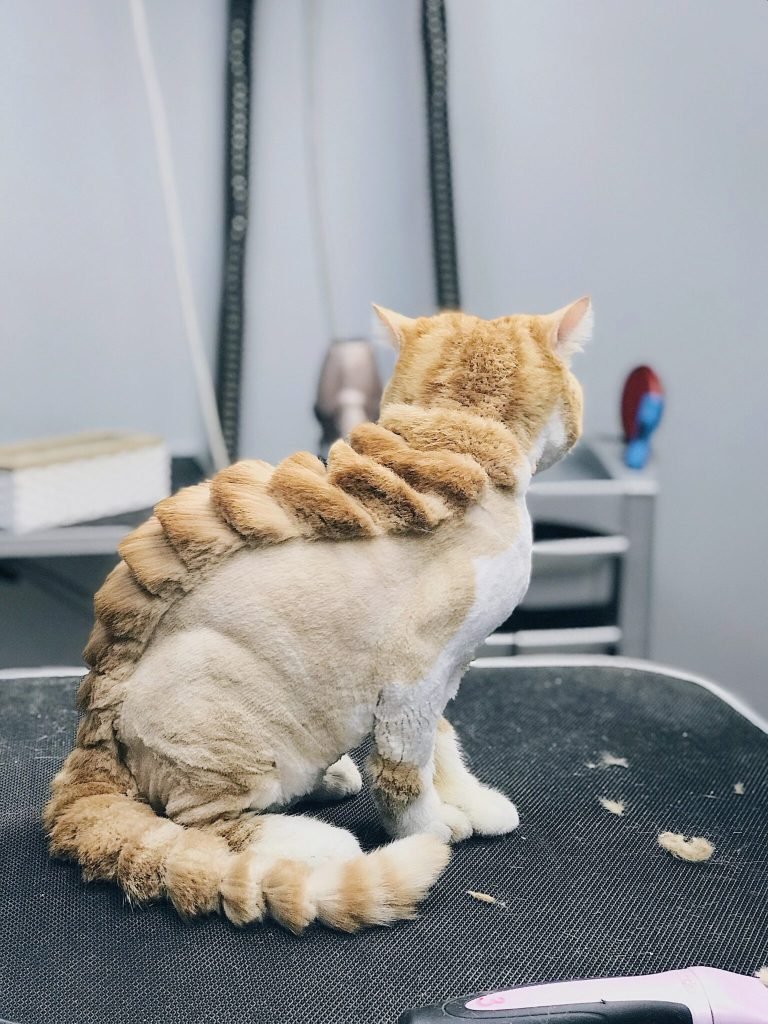
Do you ever find yourself wondering how to keep your cat looking neat without turning grooming time into a wild adventure? Crazy cat grooming might sound like a challenge, but with the right tips, it can become a fun and stress-free part of your routine.
Whether your feline friend loves being pampered or turns into a little tornado when you bring out the brush, this guide is made just for you. Stick around, and you’ll discover simple tricks to make grooming easier for both you and your cat—no more scratches, no more chaos, just happy purrs and shiny fur.

Credit: www.opawz.com
Choosing The Right Grooming Tools
Choosing the right grooming tools makes a big difference in caring for your cat. Proper tools help keep your cat comfortable and looking great. Each cat’s coat and needs vary, so select tools that fit your furry friend’s unique traits.
Brushes And Combs For Different Coats
Short-haired cats need soft bristle brushes to remove loose fur gently. Long-haired cats benefit from wide-tooth combs that detangle knots without pulling.
Slicker brushes work well for thick or curly coats to remove mats. A fine-tooth comb helps catch small debris and loose hairs. Choose brushes with comfortable handles for easy use.
Clippers And Scissors Essentials
Use clippers designed for pets to trim thick fur safely. Quiet, low-vibration clippers reduce stress during grooming. Scissors with rounded tips prevent accidental cuts.
Curved scissors help shape fur around the face and paws. Straight scissors work for general trimming. Keep your scissors sharp for clean cuts and less pulling.
Nail Trimmers And Accessories
Choose nail trimmers made for cats, with sharp, precise blades. Guillotine trimmers are easy to use and effective. Scissor-style trimmers offer more control for small nails.
Use a nail file to smooth sharp edges after trimming. Have styptic powder ready to stop bleeding from accidental cuts. Regular nail care prevents scratching and keeps paws healthy.
Creating A Calm Grooming Environment
Creating a calm grooming environment is key to making the grooming process easier for both you and your cat. Cats can sense stress, so a peaceful setting helps them stay relaxed and cooperative. Small adjustments to the space, sounds, and timing can make a big difference in how your cat reacts.
Setting Up A Comfortable Space
Choose a quiet area away from loud noises and high traffic. A soft blanket or towel on a stable surface gives your cat a cozy spot to sit during grooming. Keep all grooming tools within reach to avoid sudden movements that might startle your cat.
Try to use natural light or soft lamps instead of harsh overhead lighting. This reduces visual stress and helps your cat feel more at ease. Have you noticed how your cat prefers certain spots to rest? Use those familiar places for grooming to build comfort.
Using Soothing Sounds And Scents
Background noise like gentle classical music or white noise can mask startling sounds and calm your cat. Avoid loud or abrupt noises that can trigger anxiety.
Some cats respond well to calming scents like lavender or chamomile. Use a diffuser with pet-safe essential oils, but always check for allergies first. Have you ever observed your cat’s reaction to different smells? This can guide you to find the best scent that soothes them.
Timing Your Grooming Sessions
Pick times when your cat is naturally calm, such as after a meal or playtime. Avoid grooming when your cat is energetic or hungry, as they may resist more.
Keep sessions short and sweet to prevent stress from building up. You can gradually increase the grooming time as your cat gets more comfortable. How long does your cat usually tolerate grooming? Adjusting session length can help maintain their calmness.
Brushing Techniques For Fluffy Fur
Brushing fluffy fur requires patience and the right approach. Gentle brushing keeps your cat’s coat soft and healthy. It helps remove dirt and loose hairs while preventing painful knots. Regular grooming sessions build trust and make your cat feel calm.
Detangling Knots And Mats
Start by using a wide-tooth comb or detangling brush. Work slowly from the edges of the knot. Hold the fur close to the skin to avoid pulling. Use short, gentle strokes to loosen the mats. Do not rush, as pulling can hurt your cat. If the mat is tough, try softening it with a little water or cat-safe conditioner. Never cut mats out yourself; seek a groomer’s help if needed.
Preventing Hairballs
Brushing daily removes loose hairs before your cat swallows them. Focus on the belly and chest areas where shedding is heavier. Use a fine-tooth comb to catch smaller hairs. Brushing also stimulates natural oils that keep fur smooth. A clean coat reduces the chance of hairballs forming in the stomach. Offer plenty of water and a balanced diet to help your cat pass hairballs easily.
Dealing With Shedding Seasons
Shedding increases in spring and fall. Brush your cat more often during these times. Use a slicker brush or grooming glove to catch loose fur. Create a calm environment to keep your cat relaxed. Groom outside if possible to manage the extra hair. Regular brushing prevents fur from piling up on furniture and clothes. It also keeps your cat comfortable and less itchy.
Credit: www.youtube.com
Bathing Tips For Fussy Cats
Bathing a fussy cat can be challenging. Many cats dislike water and try to escape. Patience and calmness are key to a smooth bath time. Preparing the right tools and environment helps reduce stress for both you and your cat.
Selecting Cat-friendly Shampoos
Choose shampoos made specifically for cats. These shampoos are gentle and safe for their skin and eyes. Avoid human shampoos as they can cause irritation. Look for products with natural ingredients and no strong fragrances. Hypoallergenic options are best for sensitive skin.
Step-by-step Bathing Process
- Brush your cat’s fur before the bath to remove loose hair.
- Fill the sink or tub with a few inches of lukewarm water.
- Speak softly and move slowly to keep your cat calm.
- Gently wet your cat’s fur using a cup or spray nozzle.
- Apply shampoo and massage it in carefully, avoiding eyes and ears.
- Rinse thoroughly with lukewarm water until no soap remains.
- Wrap your cat in a warm towel immediately after rinsing.
Drying Without Stress
Pat your cat dry with a soft towel. Avoid rubbing as it may upset them. Use several towels if needed to remove most moisture. Keep your cat in a warm, draft-free room during drying. Some cats tolerate a low, quiet hairdryer. Watch their reaction carefully and stop if they show stress.
Nail Care Without The Struggle
Nail care can be one of the most challenging parts of grooming your cat. Many cats dislike having their paws touched, making nail trimming a stressful task for both of you. However, with the right techniques and tools, you can keep your cat’s claws healthy without the usual struggle.
How To Safely Trim Claws
Start by choosing a quiet time when your cat is relaxed, perhaps after a nap or meal. Gently hold your cat’s paw and press the pad to extend the claw. Use sharp, cat-specific nail clippers and trim only the sharp tip, avoiding the pink quick to prevent bleeding.
If you accidentally cut too close, keep styptic powder or cornstarch handy to stop any bleeding. Regular, short sessions work better than trying to do all claws at once. Have you noticed that trimming a few nails frequently is easier than a long session once a month?
Using Nail Caps As Alternatives
Nail caps offer a great alternative if your cat resists clipping. These small, soft covers fit over claws to prevent scratching damage. They are safe, painless, and usually last for several weeks before needing replacement.
Applying nail caps requires patience and positive reinforcement. Try putting them on during calm moments and reward your cat with treats. Nail caps not only protect your furniture but also reduce the chance of accidental scratches on people.
Handling Resistant Cats
Some cats react strongly to nail care, making the task feel impossible. Try wrapping your cat gently in a towel, leaving one paw out at a time. This method reduces movement and keeps both of you safe.
Talk softly and offer breaks if your cat becomes stressed. You might also find success in enlisting a helper or consulting a professional groomer for advice. Could a calm environment and slow approach change your cat’s attitude toward nail care?
Managing Grooming Challenges
Managing grooming challenges with your cat can feel overwhelming, but understanding the common issues helps you stay calm and proactive. Grooming is more than just keeping your cat clean—it’s about spotting problems early and handling tricky behaviors with care. Let’s look at key challenges you might face and how to tackle them effectively.
Recognizing Skin Issues
Skin problems can quickly escalate if unnoticed. Watch for redness, bald spots, or excessive scratching, which often signal irritation or infection.
Sometimes, your cat may lick or bite a specific area repeatedly. This behavior often points to discomfort or allergies. Have you ever noticed your cat avoiding touch in certain spots? That’s a clear warning sign.
Check your cat’s skin regularly under natural light. This simple habit helps you spot tiny bumps, scabs, or parasites early. It can save your cat from painful conditions later.
Dealing With Aggressive Behavior
Grooming can stress cats, leading to biting or scratching. If your cat acts aggressively, pause and give them space. Forcing grooming only builds fear.
Try breaking grooming into short, calm sessions. Use gentle strokes and speak softly. Reward your cat with treats or affection to create positive associations.
Observe your cat’s body language closely. Tail flicks, flattened ears, or wide eyes warn you to slow down or stop. Have you ever felt unsure when your cat’s mood changes suddenly? Learning these cues makes grooming safer for both of you.
When To Seek Professional Help
Some grooming challenges require expert attention. If your cat’s skin issues worsen or aggressive behavior prevents basic grooming, a professional groomer or vet can help.
Professionals have tools and experience to handle difficult cats and diagnose hidden problems. Don’t wait until your cat’s coat is matted or their skin raw—early intervention prevents suffering.
Consider professional grooming if your cat is elderly, overweight, or has medical conditions that make home grooming risky. Have you thought about how a specialist could ease your grooming struggles? It might be the best step for your cat’s health and your peace of mind.
Maintaining A Grooming Routine
Keeping a consistent grooming routine for your cat is essential for their health and happiness. It helps prevent mats, reduces shedding, and keeps their skin healthy. Plus, a steady schedule builds trust between you and your feline friend, making grooming less stressful for both of you.
Daily
Daily grooming might sound intense, but small actions can make a big difference. Use a soft brush or grooming glove to gently remove loose fur and check for any skin issues. Pay attention to your cat’s ears, eyes, and paws—signs like redness or discharge can indicate problems early on.
Spend a few minutes talking to your cat while you groom, turning it into a bonding moment. Have you noticed how some cats actually seem to enjoy this quiet time together?
Weekly
Set aside a longer session each week for thorough grooming. This includes brushing with a comb designed to detangle knots and trim any excess fur around sensitive areas like the belly and rear. Don’t forget to clip their nails carefully and clean their ears if needed.
Keeping a checklist can help you stay consistent. You could even mark your calendar or use a reminder app to track these weekly sessions.
Monthly Tasks
Monthly grooming is the time for deeper care. This might include bathing your cat if they tolerate it or checking for fleas and ticks. Take this time to inspect your cat’s teeth and gums, as dental health is often overlooked but vital.
Have you tried introducing a new grooming tool or product during these sessions to see how your cat reacts? It’s a good opportunity to adjust your routine based on what works best.
Tracking Your Cat’s Grooming Needs
Every cat is unique, so their grooming needs can change over time. Keep a simple journal or digital note of what you observe during each session—skin condition, behavior, or any discomfort. This record helps you spot trends and consult your vet if something seems off.
When was the last time you updated your grooming approach based on your cat’s age or health changes? Tracking allows you to tailor care specifically for your furry companion.
Rewarding Your Cat After Grooming
Positive reinforcement makes grooming easier and more enjoyable. Offer your cat treats, gentle petting, or playtime immediately after each session. This links grooming with a positive experience, reducing anxiety over time.
Think about what your cat loves most. Is it a particular snack or a favorite toy? Using these rewards consistently can turn grooming into a moment your cat looks forward to.

Credit: www.freepik.com
Frequently Asked Questions
What Are The Best Tools For Crazy Cat Grooming?
Essential tools include a slicker brush, wide-tooth comb, nail clippers, and grooming gloves. These help remove mats and loose fur efficiently.
How Often Should You Groom A Crazy Cat?
Grooming should be done at least twice a week. More frequent sessions help prevent tangles and reduce shedding in active cats.
Can Grooming Reduce Crazy Cat Behavior?
Yes, grooming calms cats by stimulating blood flow and reducing stress. Regular sessions also strengthen your bond and improve their mood.
What Are Signs My Cat Needs Professional Grooming?
Look for severe mats, skin irritation, or excessive shedding. If grooming causes distress, a professional groomer can safely handle these issues.
Conclusion
Grooming your cat can be fun and helpful for both of you. It keeps your cat clean and healthy. Regular brushing stops fur from matting and reduces hairballs. Be patient and gentle to keep your cat calm. Small steps work better than rushing the process.
Remember, a happy cat means a happy home. Try different grooming tools to find what your cat likes. Enjoy the special time together, building trust and care every day.
