

Thinking about bringing a cat into your home? One of the first questions you probably have is, “What will it actually cost to adopt a cat?”
You want to make sure you’re ready—not just emotionally, but financially too. Understanding the full cost helps you prepare better and avoid surprises down the road. You’ll discover the true expenses behind adopting a cat, from adoption fees to ongoing care.
Keep reading to find out how to make your new furry friend a happy part of your life without breaking the bank.

Credit: www.thecaffeinatedcatcafe.com
Adoption Fees Breakdown
Understanding the adoption fees helps prepare for the true cost of bringing a cat home. These fees vary widely depending on the shelter and what they include. Knowing what you pay for makes the adoption process clearer and easier.
Typical Cost Range
Adoption fees usually range from $50 to $150. Some shelters may charge less, while others ask for more. The price depends on the cat’s age, breed, and health needs. Kittens often cost more than adult cats. Special cats, like those with unique markings, might also have higher fees.
What Fees Cover
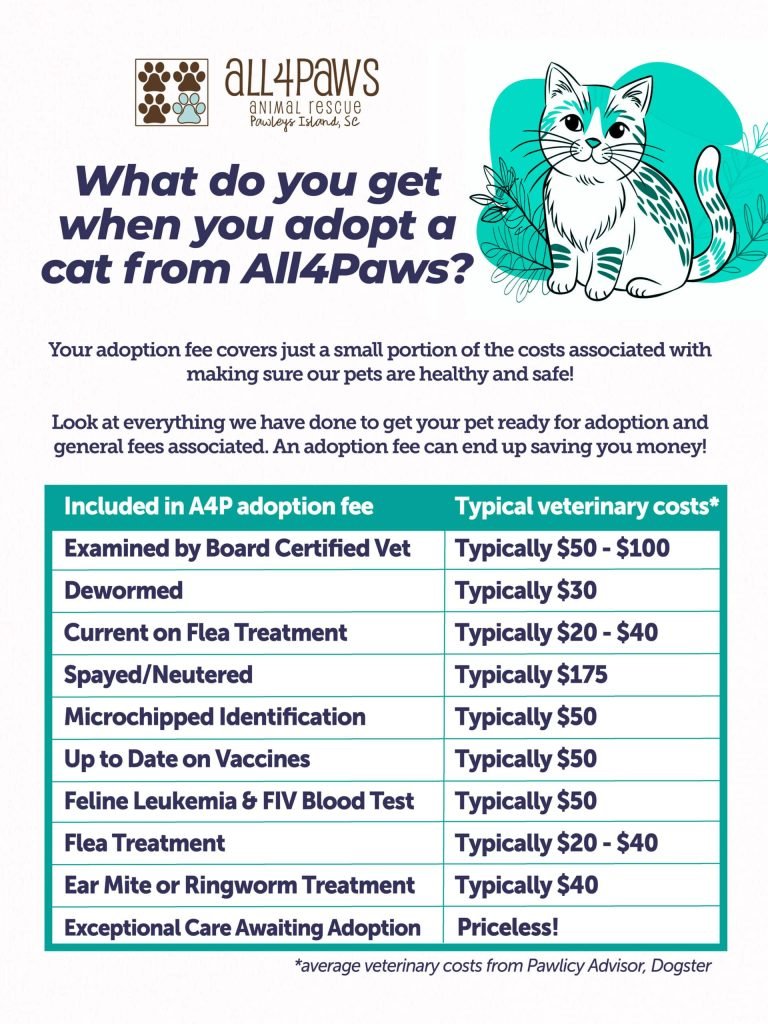
Adoption fees cover many important services. These include:
- Spaying or neutering to prevent unwanted litters
- Vaccinations to protect against diseases
- Microchipping for identification if the cat gets lost
- Basic health check-ups and treatments
- Sometimes, a starter kit with food or supplies
These services save money after adoption. They ensure the cat is healthy and ready for a new home.
Variations By Shelter Type
Different shelters have different fee structures. Nonprofit rescue groups might charge less or ask for donations. Municipal shelters often have set fees and may offer discounts. Private shelters sometimes include extra services, raising costs. Some places waive fees during special adoption events. It’s good to check with the shelter before visiting.
Initial Supplies And Equipment
Adopting a cat means preparing a safe and comfy space. Initial supplies and equipment help your new pet settle in quickly. These items meet basic needs and keep your cat happy and healthy. Planning these purchases saves time and stress later.
Essentials For New Cats
- Litter box and cat litter for hygiene
- Food and water bowls, preferably stainless steel or ceramic
- High-quality cat food suited to age and health
- Comfortable bed or blanket for resting
- Scratching post to protect furniture and keep claws healthy
- Toys for mental and physical stimulation
- Collar with ID tag for safety
- Carrier for vet visits and travel
Budget-friendly Shopping Tips
- Compare prices online before buying
- Look for sales or discounts in pet stores
- Buy multipacks of litter and food for savings
- Choose durable items to avoid frequent replacement
- Check local shelters for free or low-cost supplies
- Ask friends or family for unused items
Diy Options
Creating your own cat supplies can cut costs and add fun.
- Make a cozy bed using old blankets or towels
- Craft toys from yarn balls or paper rolls
- Build scratching posts with wood and sisal rope
- Use a sturdy box as a temporary carrier
- Recycle containers for food and water bowls
Veterinary Expenses
Veterinary expenses form a significant part of the cost when adopting a cat. These costs ensure your new furry friend stays healthy and happy as they adjust to their new home. Understanding these expenses upfront helps you prepare financially and avoid surprises later.
Initial Health Checkups
Right after adoption, a thorough health checkup is essential. This visit helps identify any existing health issues and sets a baseline for your cat’s wellness. Expect to pay between $50 to $100depending on the clinic and location.
During the exam, the vet will check for common problems like parasites, infections, or dental issues. Catching these early can save you money and stress down the road. Have you thought about how often you’ll schedule these checkups?
Vaccinations And Treatments
Vaccinations protect your cat from many dangerous diseases. Typically, core vaccines include rabies, feline distemper, and respiratory infections. The cost for this initial round usually ranges from $75 to $150.
Besides vaccines, treatments for fleas, ticks, and worms are necessary. These can add another $20 to $50depending on your cat’s needs. Keeping up with these prevents costly health problems later.
Spaying And Neutering Costs
Spaying or neutering your cat is not just responsible; it also reduces future health risks. Prices vary widely but generally fall between $100 and $300. Some shelters offer discounted or included services at adoption.
This procedure can also decrease behavioral issues, making life easier for you and your pet. Have you checked if your adoption fee covers this cost? It might save you a significant amount.

Credit: www.homewardboundcats.org
Ongoing Care Costs
Adopting a cat is a joyful experience. Ongoing care costs are important to plan for. These expenses keep your cat healthy and happy. They cover daily needs and regular health care. Understanding these costs helps you budget better.
Food And Treats
Quality food is essential for your cat’s health. Cats need balanced nutrition every day. Costs depend on the brand and type of food. Wet food usually costs more than dry food. Treats are extra but important for training and bonding. Monitor how much food your cat consumes. This prevents waste and controls expenses.
Litter And Maintenance
Cat litter is a regular expense. Choose clumping or non-clumping based on your preference. Litter boxes need frequent cleaning to avoid odors. You may need liners or deodorizers sometimes. Replace litter boxes every year or two. Keep cleaning supplies handy for daily maintenance.
Regular Vet Visits
Routine vet visits keep your cat healthy. Annual check-ups catch problems early. Vaccinations protect against common diseases. Flea and tick prevention is a yearly cost. Dental care may require special visits. Budget for unexpected health issues too. Regular vet care saves money in the long run.
Saving Money When Adopting
Saving money when adopting a cat can make the experience even more rewarding. There are several ways to reduce costs without compromising care. Many shelters and rescues offer discounts or special deals that help lower the adoption fee. Planning ahead and exploring options can save both money and stress.
Finding Discounts And Deals
Shelters often provide discounts on adoption fees. These deals may occur during holidays or special campaigns. Some places reduce fees for senior cats or multiple pet adoptions. Checking websites and social media can reveal current offers. Signing up for newsletters from local shelters helps catch deals early.
Adoption Events And Specials
Adoption events often feature reduced fees or waived charges. These events bring many cats together for easy browsing. Some shelters partner with pet stores or community centers for these specials. Attending events on weekends or holidays increases chances for savings. Events also allow meeting cats in person before adopting.
Partnering With Rescue Groups
Rescue groups sometimes offer lower fees than traditional shelters. They may focus on specific cat breeds or needs. These groups rely on foster homes, which lowers their costs. Donations often support their work, helping reduce adoption expenses. Contacting rescue groups directly can uncover unique opportunities for saving money.
Financial Assistance Options
Adopting a cat involves some costs, but financial help options can ease the burden. Many organizations and communities offer ways to support pet adopters. These options help cover adoption fees, medical care, and other expenses.
Exploring financial assistance can make adopting a cat more affordable. Various programs exist to support responsible pet ownership. Understanding these options helps you plan better for your new furry friend.
Grants And Subsidies
Some animal welfare groups provide grants or subsidies to adopters. These funds may cover part or all of the adoption fee. Grants often support low-income families or special needs pets.
Applying for grants usually requires proof of income or other documents. Local shelters or rescue groups can guide you through the process. Grants can significantly reduce the initial costs of adoption.
Payment Plans
Many shelters offer payment plans for adoption fees. This option allows spreading the cost over several months. Payment plans make it easier to manage the upfront expenses.
Ask the shelter about available plans and terms. Some may require a small deposit at adoption time. These plans help balance your budget without delaying adoption.
Community Resources
Community centers and local nonprofits sometimes provide pet adoption assistance. They may offer vouchers, discounts, or supplies for new pet owners. These resources support pet care beyond the adoption fee.
Check with local animal shelters or pet stores for programs nearby. Community groups often organize fundraisers to help adopters. Utilizing these resources can reduce ongoing pet care costs.
Hidden Costs To Consider
Adopting a cat is a rewarding experience, but the initial adoption fee is just the tip of the iceberg. Many hidden costs can catch you off guard if you’re not prepared. Understanding these expenses helps you budget better and provide the best care for your new furry friend.
Emergency Medical Expenses
Unexpected health issues can arise anytime, even in young, healthy cats. Emergency vet visits often cost hundreds or even thousands of dollars. You might face expenses for urgent treatments, surgeries, or medications that are not part of regular check-ups.
Ask yourself: Are you financially ready to handle sudden medical emergencies? Setting aside a pet emergency fund can save you stress and keep your cat safe when the unexpected happens.
Behavioral Training
Not all cats are perfectly behaved right away. Some may scratch furniture, refuse to use the litter box, or display anxiety. Behavioral training or consulting a cat behaviorist can help address these issues.
These services might seem like an extra cost, but they improve your cat’s quality of life and your peace of mind. Investing in training early on prevents costly damage and frustration later.
Pet Insurance
Pet insurance is an optional but wise investment. It helps cover veterinary bills, reducing your financial burden over time. Monthly premiums vary, but they often pay off if your cat needs ongoing treatment.
Consider what coverage fits your budget and your cat’s needs. Would you rather face a large vet bill unexpectedly, or pay a smaller monthly fee for peace of mind?
Comparing Adoption To Buying
Deciding between adopting a cat and buying one is important. Both choices have different costs and benefits. Understanding these differences helps you make the best choice for your budget and heart.
Cost Differences
Adoption fees usually cover vaccinations, spaying, and basic care. These fees range from $50 to $150. Buying a cat from a breeder can cost hundreds to thousands of dollars. Purebred cats often have higher prices. Adoption saves money on initial medical care.
Long-term Financial Impact
Both adoption and buying require expenses like food, litter, and vet visits. Adopted cats may have lower health risks due to early care. Buying a cat might mean extra costs for health checks or special treatments. Think about lifetime costs, not just the starting price.
Emotional And Ethical Benefits
Adopting a cat saves a life and reduces shelter overcrowding. It feels good to give a home to an animal in need. Buying a cat supports breeders, but adoption supports animal welfare. Adopted cats often show deep gratitude and form strong bonds.

Credit: pawmettolifeline.org
Frequently Asked Questions
How Much Does It Cost To Adopt A Cat?
Adoption fees typically range from $50 to $150. Fees cover vaccinations, spaying/neutering, and microchipping. Costs vary by shelter and cat age. Some shelters offer lower fees during special events or promotions.
What Factors Affect Cat Adoption Costs?
Costs depend on the cat’s age, health, and breed. Kittens usually cost more than adult cats. Special medical needs or vaccinations can increase fees. Location and shelter policies also influence adoption prices.
Are There Hidden Costs After Adopting A Cat?
Yes, expect expenses like food, litter, toys, and vet visits. Initial medical exams and vaccinations may also add costs. Budgeting for ongoing care ensures a healthy, happy cat. Planning ahead helps avoid surprises.
Can Adoption Fees Be Waived Or Reduced?
Some shelters offer fee waivers for seniors, military, or during promotions. Events like “clear the shelter” days often reduce costs. Contact local shelters to learn about available discounts or financial aid programs.
Conclusion
Adopting a cat is a rewarding choice. It brings joy and companionship. Costs vary, but planning helps manage them. Initial expenses include adoption fees, vet visits, and supplies. Monthly costs cover food, litter, and check-ups. Budgeting ensures your cat’s well-being and happiness.
Remember, every cat deserves a loving home. Research and prepare before bringing a cat home. This will ensure a smooth transition. Enjoy the joy of having a feline friend. They offer love and comfort in return. Adopt responsibly and enjoy a fulfilling pet experience.
Your new furry friend awaits.
