

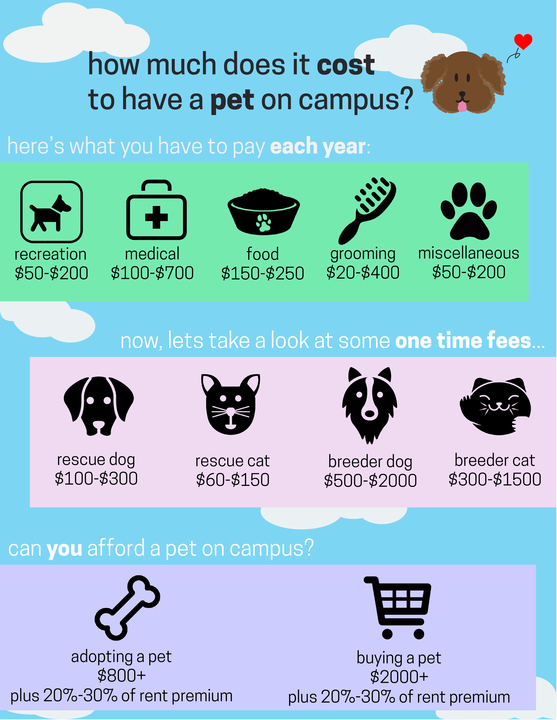
Thinking about bringing a cat into your home? Before you say yes, it’s important to understand the real cost of adopting a cat.
This isn’t just about the adoption fee—you’ll want to be ready for everything from food and toys to vet visits and unexpected expenses. Knowing what to expect will help you prepare, so your new furry friend gets the best care without surprises draining your wallet.
Keep reading to discover all the costs involved and how you can manage them wisely. Your future cat will thank you!

Credit: bowwowinsurance.com.au
Initial Adoption Fees
Initial adoption fees are the first costs to consider when getting a cat. These fees cover the process of bringing a new pet home. They often include basic health checks, vaccinations, and sometimes microchipping. Understanding these fees helps you prepare financially and avoid surprises. Different sources have different costs and benefits.
Shelter And Rescue Costs
Shelters and rescues usually charge lower fees. These fees help cover medical care and shelter expenses. Adoption fees often range from $50 to $150. This fee may include:
- Vaccinations
- Spaying or neutering
- Microchipping
- Basic health check
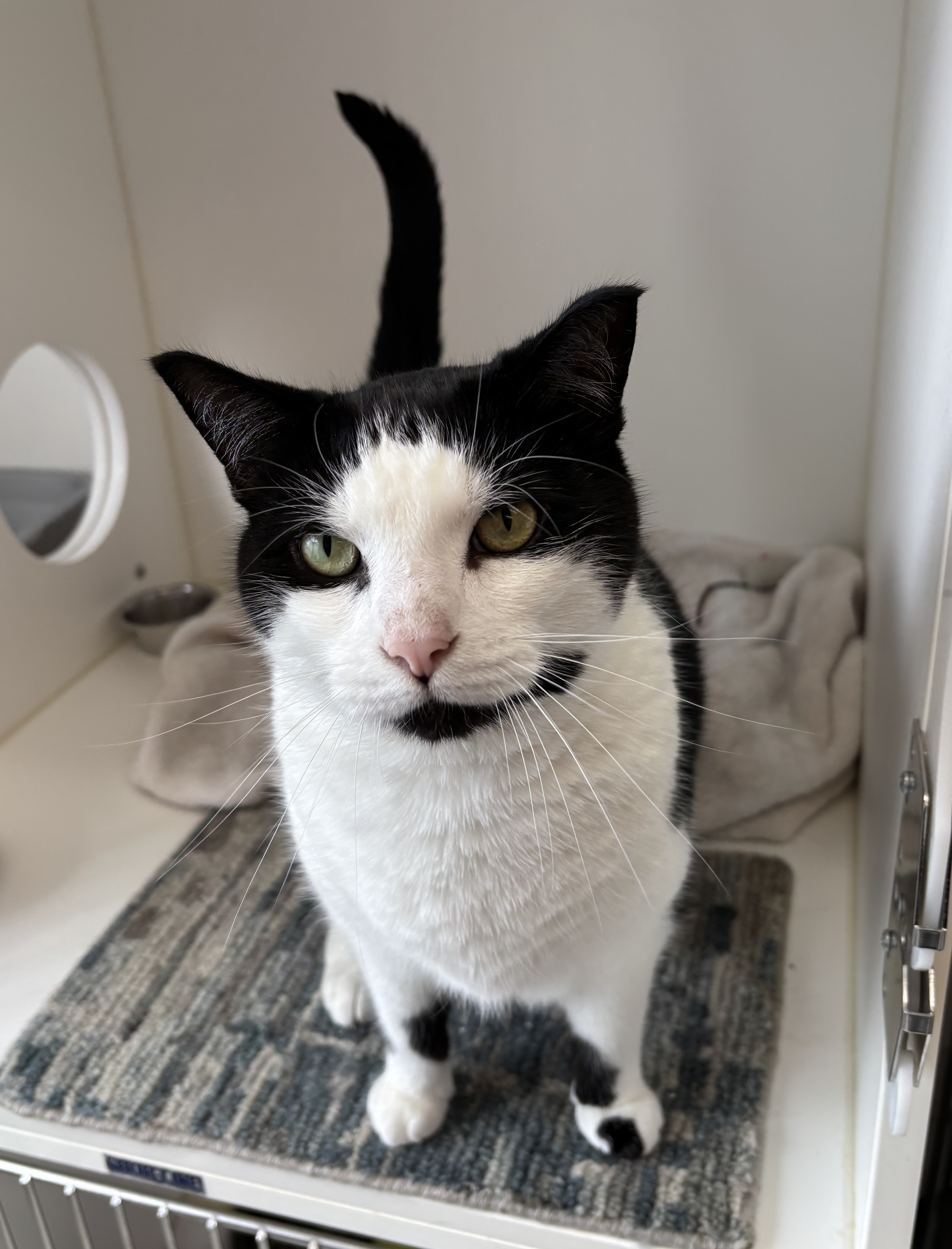
Adopting from a shelter saves money and gives a cat a second chance.
Breeder Prices
Breeders usually charge higher fees. Prices vary by breed, age, and pedigree. Expect to pay between $500 and $2,000 or more. This cost often covers:
- Health guarantees
- Initial vaccinations
- Registration papers
- Early socialization
Buying from a breeder can ensure specific traits but costs more upfront.
Pet Store Expenses
Pet stores often have higher prices than shelters but lower than breeders. Fees range from $100 to $500. The cost usually covers:
- Initial vaccines
- Basic health check
- Starter supplies like litter and food
Pet store cats may come with less health history or socialization.
Credit: aarcs.ca
Essential Supplies
Adopting a cat requires several essential supplies for a smooth transition. These items ensure your cat stays healthy, happy, and comfortable. Planning ahead helps you budget wisely. Each supply plays an important role in your cat’s daily life.
Food And Water Bowls
Choose sturdy, easy-to-clean bowls for food and water. Stainless steel or ceramic bowls work best. Avoid plastic, which can harbor bacteria. Size matters; small bowls suit kittens, larger ones fit adult cats. Place bowls in a quiet, accessible spot.
Litter Boxes And Litter
Pick a litter box that fits your space and cat’s size. Covered boxes offer privacy, but some cats prefer open ones. Use clumping litter for easy cleaning. Keep boxes in low-traffic areas to reduce stress. Clean the box daily to maintain hygiene.
Bedding And Carriers
Provide soft bedding for warmth and comfort. Cat beds come in various shapes and sizes. Place beds in quiet, safe areas. A carrier is essential for trips to the vet. Choose a sturdy carrier with good ventilation and security.
Toys And Scratching Posts
Toys keep cats active and mentally sharp. Offer a mix of balls, feathers, and interactive toys. Scratching posts protect furniture and satisfy natural instincts. Place posts near favorite resting spots. Rotate toys regularly to keep your cat interested.
Healthcare Costs
Healthcare costs are an important part of adopting a cat. These expenses keep your pet healthy and happy. Planning for these costs helps avoid surprises and stress. Understanding common healthcare needs is key to budgeting well.
Vaccinations
Vaccinations protect cats from serious diseases. Core vaccines include rabies, feline distemper, and respiratory infections. Initial vaccinations usually happen in the first months. Booster shots are needed yearly or every few years. Costs vary but expect to pay for the full vaccination series.
Spaying And Neutering
Spaying or neutering prevents unwanted litters and health issues. This surgery is a one-time expense. Prices depend on the clinic and your cat’s size. Many shelters offer low-cost services. It also helps reduce some behavioral problems.
Routine Vet Visits
Regular vet visits keep cats in good shape. Annual checkups catch problems early. Vets check weight, teeth, and overall health. They also give flea and tick prevention. These visits usually include basic tests and advice.
Emergency Medical Care
Emergencies can happen anytime. Accidents or sudden illness require immediate care. Emergency vet costs can be high. Having savings or pet insurance helps cover these bills. Knowing nearby emergency clinics is useful for quick action.

Credit: www.ottawahumane.ca
Ongoing Food Expenses
Feeding a cat is a continuous responsibility. Food costs add up over time and affect your budget. Knowing what types of food to buy helps manage expenses. Understanding monthly costs keeps your finances steady while caring for your pet.
Types Of Cat Food
Cat food comes in several forms, each with different costs.
- Dry Food:Affordable and easy to store. Good for daily feeding.
- Wet Food:More expensive but offers extra hydration. Many cats prefer the taste.
- Raw Food:Often pricier and needs careful handling. Some owners choose this for health reasons.
- Special Diets:Veterinary prescribed foods for health issues. Usually cost more than regular food.
Choosing the right type depends on your cat’s needs and your budget.
Monthly Food Budget
The average monthly cost for cat food ranges between $20 and $60.
| Food Type | Estimated Monthly Cost |
|---|---|
| Dry Food | $15 – $30 |
| Wet Food | $30 – $50 |
| Raw Food | $40 – $60+ |
| Special Diets | $50 – $70+ |
Adjust your budget based on your cat’s preferences and health needs. Regular monitoring helps avoid unexpected expenses.
Grooming And Maintenance
Grooming and maintenance are essential parts of caring for your cat, and they directly affect your pet’s health and happiness. Regular grooming helps prevent hairballs, skin problems, and discomfort caused by overgrown nails or matted fur. Understanding the costs involved can help you plan better and ensure your cat looks and feels great.
Brushing And Nail Trimming
Brushing your cat regularly reduces shedding and keeps their coat shiny. Short-haired cats might need brushing once or twice a week, while long-haired breeds require daily attention. You can buy a good quality brush for around $10 to $30, which usually lasts a long time.
Nail trimming is another maintenance task that you can do at home with a simple clipper costing about $5 to $15. If you’re nervous about cutting too close, some pet stores offer free or low-cost nail trims. How often you trim depends on your cat’s activity, but every two weeks is a good rule of thumb.
Professional Grooming Services
Some cats, especially those with long or thick fur, benefit from professional grooming to avoid mats and skin issues. Groomers can provide baths, haircuts, and thorough nail trims. The cost typically ranges from $40 to $80 per session, depending on your location and the cat’s needs.
Professional grooming might also be necessary if your cat is older or has health problems that make self-care difficult. Booking regular appointments can save you money on vet visits caused by skin infections or injuries from neglected nails. Have you considered how much time and effort you want to spend on grooming versus the cost of a pro service?
Training And Behavior
Training and behavior play a crucial role in helping your new cat adjust to their home. Addressing these needs early on can prevent future frustrations and create a stronger bond between you and your pet. Understanding the costs involved will help you prepare better for this important phase of cat adoption.
Litter Training Costs
Litter training is often the first behavior you’ll need to establish with your cat. Most cats instinctively use a litter box, but some may require extra guidance. Expect to spend on the litter box itself, which can range from $15 to $60, depending on size and features.
Cat litter is a recurring expense. Basic clay litter costs around $10 to $20per bag, which usually lasts a month. Specialty litters, like clumping or natural options, can cost more but may reduce odor and mess.
Occasionally, litter training aids such as attractants or training mats may be needed, adding around $5 to $15to your budget. Think about how much time you want to spend cleaning and what litter type suits your lifestyle best.
Behavioral Aids And Classes
Behavioral aids can include scratching posts, calming sprays, or interactive toys designed to keep your cat engaged. These tools typically cost between $10 and $50and can prevent destructive habits before they start.
If your cat shows signs of anxiety or aggression, professional help might be necessary. Behavioral classes or consultations with a cat behaviorist usually run from $50 to $150per session. Many owners find investing in expert advice saves money and stress in the long run.
Have you ever faced a challenging behavior with a pet? Sometimes a small investment in training can transform your experience and deepen your connection with your cat.
Pet Insurance And Emergency Funds
Adopting a cat is a joyful experience, but it also comes with financial responsibilities. Two essential aspects to consider are pet insurance and emergency funds. These can protect you from unexpected costs and give you peace of mind as you care for your new furry friend.
Insurance Plans Overview
Pet insurance helps cover the cost of veterinary care, including accidents, illnesses, and sometimes routine checkups. Policies vary widely, so it’s important to compare what each plan covers and how much you’ll pay monthly.
Some plans cover hereditary conditions and chronic illnesses, while others only cover accidents. Look for policies with clear reimbursement rates and low deductibles. Also, check if there are any waiting periods before coverage starts.
Think about your cat’s breed and age when choosing a plan. For example, a younger cat might benefit from a basic plan, while a senior cat with health issues might need more comprehensive coverage. Would you rather pay a steady monthly fee or risk high vet bills later?
Setting Up An Emergency Fund
Even with insurance, some costs might not be covered. Creating an emergency fund is a smart way to handle unexpected expenses like sudden illness or injury. Aim to save at least $500 to $1,000 specifically for your cat’s emergencies.
Set up a separate savings account or a dedicated jar to avoid mixing these funds with everyday expenses. Contribute a small amount regularly—say $20 a month—and watch it grow over time.
Imagine a scenario where your cat needs urgent surgery. Having money ready can save you from stressful decisions. How comfortable are you with handling a surprise $1,000 vet bill right now?
Additional Expenses
Adopting a cat is just the beginning of your financial journey. Beyond the initial adoption fee, you’ll encounter various additional expenses that can catch you off guard. Understanding these costs early helps you prepare and avoid surprises that might affect your cat’s well-being or your budget.
Pet Sitting And Boarding
When you travel or need to be away, your cat still requires care. Hiring a pet sitter or using a boarding facility can add up quickly. Pet sitters often charge between $15 to $50 per visit, depending on location and services, while boarding facilities can range from $20 to $60 per night.
Have you considered how your cat will react to being away from home? Some cats handle boarding well, but others get stressed, which might mean opting for a trusted pet sitter who visits your house instead. This choice can affect costs and your cat’s comfort.
Travel Costs With Cats
Traveling with your cat involves more than just packing a carrier. You might need special equipment like a secure crate, calming sprays, or travel litter boxes. Plus, certain airlines or transportation services charge extra fees for pet travel.
Think about your next trip—will you fly, drive, or take a train? Each mode has different costs and challenges. Planning ahead means budgeting for these travel needs without compromising your cat’s safety or your peace of mind.
Unexpected Expenses
Cats can surprise you with sudden expenses. Health emergencies, such as infections or accidents, often require immediate vet visits and treatments that aren’t cheap. Even routine vet visits sometimes reveal unexpected health issues.
Setting aside an emergency fund for your cat can save you stress and financial strain. Would you be ready if your cat needed urgent surgery or special medication tomorrow? Preparing for the unexpected helps keep your cat healthy and happy without breaking your budget.
Frequently Asked Questions
How Much Does It Cost To Adopt A Cat?
Adoption fees typically range from $50 to $150. This covers vaccinations, spaying/neutering, and microchipping. Costs vary by shelter and location.
What Are The Initial Expenses After Adopting A Cat?
Initial costs include food, litter, toys, and a bed. Expect to spend $100 to $200 on these essentials.
Are There Ongoing Costs For Cat Ownership?
Yes, regular expenses include food, litter, vet visits, and grooming. Budget around $500 to $1,000 annually for these needs.
Does Adopting A Cat Include Veterinary Care?
Most shelters provide initial vet care like vaccinations and spaying/neutering. Future vet visits are the owner’s responsibility.
Conclusion
Adopting a cat brings joy and companionship. It’s important to consider costs. Food, vet visits, and toys add up. Planning ahead ensures a happy, healthy pet. Think about unexpected expenses too. Pet insurance can help with big vet bills. Saving money each month is wise.
A cat is a lifetime commitment. Their love and purrs make it worthwhile. Take your time. Make sure you’re ready for this furry friend. Your new cat will bring endless happiness to your home. Adopting a cat is a rewarding choice for many families.
A decision you won’t regret.
