

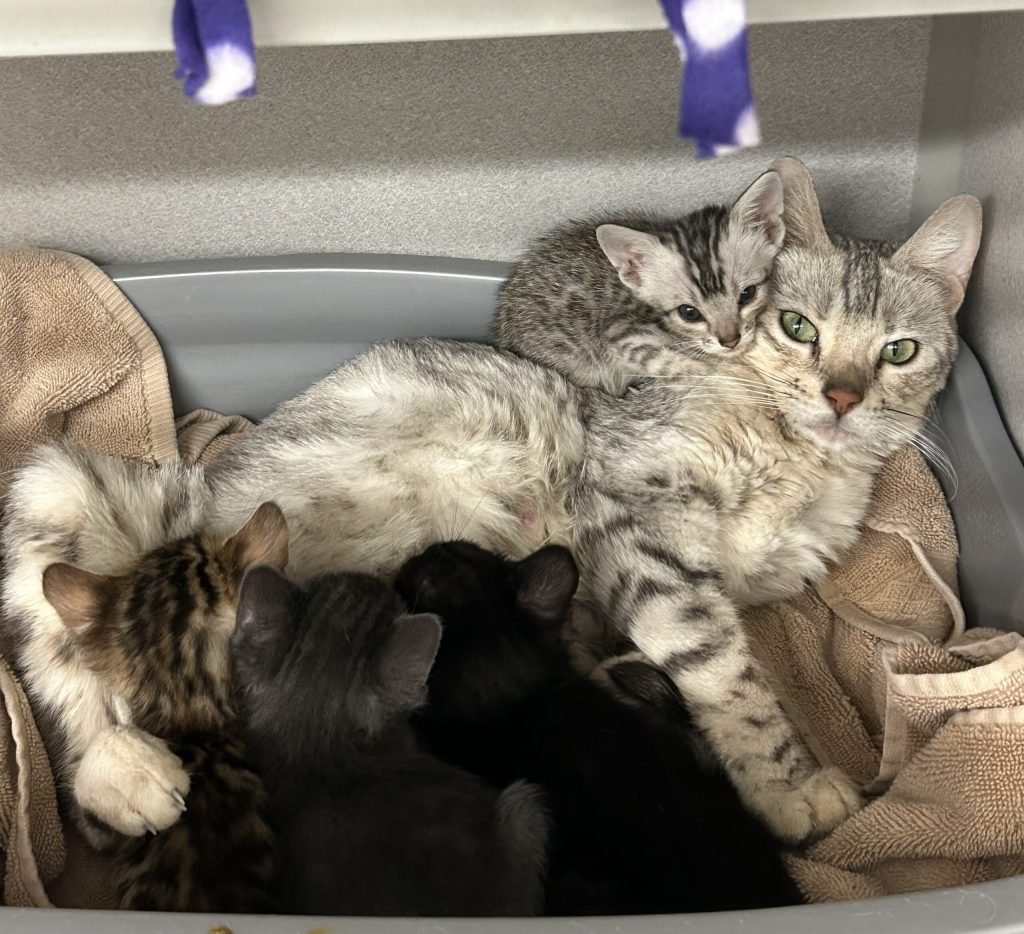
Every day, countless cats find themselves in desperate situations, waiting for a hero to step in. Maybe you’re a cat lover, or perhaps you’re just curious about the heartwarming stories behind these rescues.
Either way, you’re about to discover tales that will tug at your heartstrings and possibly inspire you to make a difference. Imagine the joy of knowing that you helped give a cat a second chance at life. As you read on, you’ll learn about the incredible people and organizations working tirelessly to rescue these furry friends.
You’ll also find out how you can be a part of this life-saving mission. So, are you ready to dive into the world of cat rescues and see how you can contribute to their happy endings?
Rescue Missions That Changed Lives
Rescue missions for cats are more than just operations—they are stories of transformation and hope. Every saved cat carries a tale of survival, courage, and the dedication of those who refuse to give up. These missions don’t just change the lives of the cats; they often reshape the perspectives and hearts of the rescuers and communities involved.
From Streets To Safety
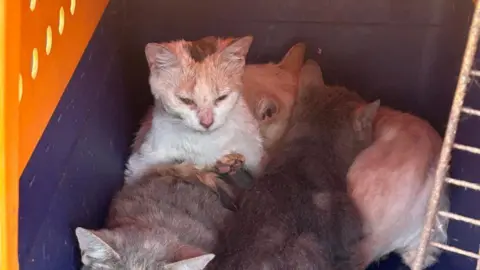
Imagine a small kitten, shivering under a car in a busy city street. That scene is common, but the change happens when someone steps in. Taking a cat from the dangers of traffic and hunger to a warm, safe space is a profound rescue.
One rescue volunteer shared how a timid cat, once afraid of human touch, began to trust again after weeks in a foster home. This kind of patience and care shows that safety is just the first step toward healing. How many cats around your neighborhood might be waiting for a similar chance?
Emergency Saves During Disasters
Natural disasters like floods, fires, and hurricanes put many cats in immediate danger. Rescue teams often race against time to find and save them from perilous situations. These emergency saves require quick thinking and courage.
During a recent wildfire, rescuers used thermal cameras to locate cats trapped in smoke-filled areas. The success of such missions highlights how technology combined with human effort can save lives. What tools could you use to aid in local animal rescues during emergencies?
Community Efforts In Rescue
Rescue missions become more effective when communities come together. Local groups, neighbors, and animal lovers working side by side create a powerful network of support. This cooperation often leads to faster identification of cats in need and better care after rescue.
One community organized regular feeding stations and trap-neuter-return programs, significantly reducing the number of stray cats. Their collective action showed that everyday people can play a vital role in rescue efforts. What small step could you take to make a difference in your own community?
Tales Of Recovery And Healing
The journey of rescued cats from trauma to trust is filled with moments that prove the resilience of these creatures. Their stories of recovery and healing offer powerful lessons about patience, care, and the strength it takes to rebuild a life. Each cat’s progress shows what is possible when you commit to their wellbeing.
Overcoming Injuries And Illness
Many rescued cats arrive with serious injuries or illnesses that need immediate attention. Some suffer from broken bones, wounds, or infections that demand skilled treatment and time to heal. Watching a cat go from barely moving to playfully chasing a toy again is nothing short of inspiring.
Take Luna, for example, who was found with a fractured leg and severe anemia. After weeks of bandaging, medication, and rest, she not only healed but gained strength and confidence. What if you had the chance to witness such a transformation? It might change how you view patience and care.
Behavioral Rehabilitation
Physical healing is just one part of the journey. Many rescued cats carry emotional scars that affect their behavior. Fear, aggression, or withdrawal can make them seem unreachable at first.
Patience and consistent positive interaction can slowly break down these barriers. For instance, a cat named Jasper was terrified of human touch when rescued. Through gentle handling and rewards, he learned to trust again and even started seeking out affection.
How do you approach a cat that doesn’t want to be touched? The key lies in respect for their pace and creating a safe environment where they feel in control.
Veterinary Care Milestones
Tracking veterinary milestones helps you see tangible progress in a rescued cat’s recovery. Vaccinations, spaying or neutering, dental care, and routine check-ups mark critical steps toward a healthy life.
| Milestone | Importance | Typical Timeline |
|---|---|---|
| Initial Health Assessment | Identifies immediate health issues | Within 24-48 hours of rescue |
| Vaccinations | Prevents common infectious diseases | Within first 2-4 weeks |
| Spaying/Neutering | Controls population and improves behavior | After recovery from any illnesses |
| Dental Cleaning | Prevents oral disease and pain | As soon as oral health allows |
Each milestone reached signals a step closer to a stable, healthy life. Have you considered how regular vet visits can boost a cat’s long-term wellbeing?
Finding Forever Homes
Finding forever homes for rescued cats is a vital part of their journey. Every cat deserves a safe, loving place to live. This process helps cats leave shelters and start new lives filled with care and comfort.
Rescue groups work hard to connect cats with families who will cherish them. Each match aims to create a strong bond that lasts a lifetime. The goal is happy cats and happy owners.
Matching Cats With Families
Matching cats with families involves understanding both the cat’s and family’s needs. Rescuers consider:
- Cat’s personality and energy level
- Family’s lifestyle and home environment
- Presence of other pets or children
This careful process helps ensure the best fit. It reduces stress for the cat and increases the chance of a smooth transition.
Adoption Success Stories
Many cats find loving homes and thrive there. Stories often share:
- How a shy cat became playful
- A senior cat finding comfort in a quiet home
- Families gaining joy and companionship
These stories inspire others to adopt and support rescue efforts. They show the real impact of giving cats a second chance.
Fostering Journeys
Fostering is a key step before adoption. Foster families provide temporary homes and care. They:
- Help cats adjust to home life
- Teach social skills to shy or scared cats
- Monitor health and behavior closely
Fostering prepares cats for forever homes. It also gives fosters a unique chance to save lives and share love.
Credit: www.bbc.com
Impact Of Rescue On Cats’ Lives
Rescuing cats changes their lives in many positive ways. Many cats come from difficult situations. Rescue offers them a new chance to heal and grow. The impact of rescue can be seen in their behavior, trust, and daily comfort. These changes show how important rescue efforts really are.
Transformation In Temperament
Rescued cats often arrive scared or aggressive. With care, their temperament changes slowly. They become calmer and more relaxed. Gentle handling helps reduce their fear and stress. Many cats show curiosity and playfulness after rescue. This shift improves their chance for adoption.
Building Trust And Bonds
Trust is key to a rescued cat’s happiness. Caregivers build bonds through patience and kindness. Cats learn to trust humans again over time. Simple acts like feeding and petting help. Strong bonds make cats feel safe and loved. This connection supports their emotional healing.
Improved Quality Of Life
Rescue improves health and well-being greatly. Cats receive proper food and medical care. Safe shelter protects them from harm. They enjoy regular routines and attention. Mental stimulation and play reduce boredom. Overall, rescued cats live happier, healthier lives.
Role Of Rescue Organizations
Rescue organizations play a vital role in saving cats from dangerous situations and giving them a second chance at life. They act as a bridge between stray or abandoned cats and loving homes. Their work goes beyond just rescue; they build communities, spread knowledge, and gather resources to support these animals.
Volunteer Contributions
Volunteers are the backbone of rescue organizations. They provide hands-on care, from feeding and cleaning to socializing shy cats. Many volunteers also foster cats in their own homes, helping them recover and prepare for adoption.
Have you ever thought about how much time and energy goes into caring for just one cat? Volunteers often juggle this commitment alongside their daily lives, showing real dedication. Your involvement, even small, can create a huge impact.
Fundraising And Resources
Rescue groups rely heavily on fundraising to cover medical bills, food, and shelter needs. Events like charity runs, bake sales, and online campaigns help raise money and awareness simultaneously. Donations of supplies, like blankets and toys, also play a crucial role.
Imagine the difference your contribution could make. Even sharing a fundraiser link could help save a cat’s life. What unique ways could you help raise funds in your community?
Education And Awareness
Rescue organizations don’t just save cats; they teach people how to care for them properly. Workshops on spaying, neutering, and responsible pet ownership reduce the number of homeless cats. Awareness campaigns also encourage adoption over buying from breeders.
Have you noticed how knowledge changes how you treat animals? By learning and sharing what you know, you help build a kinder world for cats. What new fact about cat care surprised you the most?

Credit: www.youtube.com
How To Support Cat Rescue Efforts
Supporting cat rescue efforts is a meaningful way to make a real difference in the lives of stray and abandoned cats. Your involvement can range from financial help to hands-on participation, each action creating a ripple effect of hope and care. Consider how your unique skills and resources can best serve these vulnerable animals.
Donations And Sponsorships
Money is the lifeblood of rescue organizations. It covers food, medical care, shelter, and more. Even a small monthly donation can provide steady support.
You can also sponsor a specific cat’s care. This creates a personal connection and motivates ongoing support. Many rescues offer updates on the cat’s progress, which adds a rewarding element to your contribution.
Volunteering Opportunities
Your time is often as valuable as money. Shelters need help with feeding, cleaning, socializing cats, and organizing events. Volunteering gives you a close look at the impact of your efforts.
Think about your skills—are you good at photography, social media, or event planning? These talents can boost adoption rates and raise awareness. Have you ever helped a scared cat come out of its shell? Those moments can inspire others to get involved.
Advocacy And Community Involvement
Speaking up for cats can create lasting change. You can educate neighbors about responsible pet ownership and the importance of spaying or neutering. Hosting or attending local events spreads awareness and builds a supportive community.
Have you noticed how powerful a simple conversation can be? Sharing your passion might encourage someone else to rescue or adopt. Your voice matters in shaping a kinder environment for cats everywhere.

Credit: www.youtube.com
Frequently Asked Questions
What Does It Mean When Cats Are Rescued?
Cats rescued refers to saving cats from unsafe or harmful situations. These cats often come from shelters, streets, or abusive homes. Rescue efforts aim to provide them with medical care, food, shelter, and loving homes. The goal is to improve their well-being and find permanent families.
How Can I Help Cats That Are Rescued?
You can help by volunteering at shelters, donating supplies or money, or fostering cats. Sharing rescue stories on social media also raises awareness. Adopting rescued cats gives them a second chance. Every small action supports their recovery and increases their chance of finding forever homes.
Why Are Cats Rescued From Shelters Important?
Rescued shelter cats often face health and safety risks. Shelters provide medical treatment and socialization. Adopting from shelters reduces overpopulation and euthanasia rates. Rescued cats bring joy and companionship while helping solve stray cat issues in communities.
What Should I Know Before Adopting A Rescued Cat?
Consider your lifestyle, home environment, and time for care. Rescued cats may need patience and gradual adjustment. They often require veterinary check-ups and vaccinations. Understanding their history helps in providing proper care. Adoption is a lifelong commitment to their happiness.
Conclusion
Cats rescued find new hope and loving homes. Each saved cat shows the power of kindness. Communities grow stronger by helping these animals. Small actions can change a cat’s life forever. Giving care and love makes all the difference. Rescue efforts inspire people to act and care.
Every rescued cat tells a story of hope. Together, we create safer places for cats to live. Helping cats helps us be more compassionate humans. Let’s keep supporting rescue work for happier cats.
