

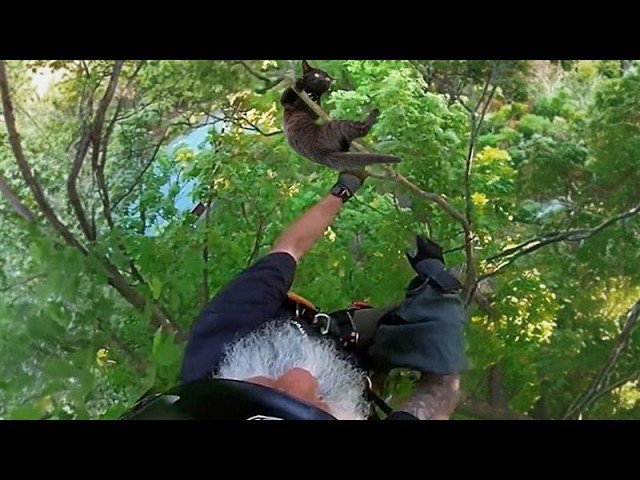
Have you ever seen a cat stuck high up in a tree and wondered what to do next? It’s a common problem that can cause a lot of worry.
You want to help your furry friend, but climbing up yourself might seem risky. Don’t worry—you’re not alone, and there are smart ways to handle this situation safely. You’ll discover practical tips and expert advice that will give you the confidence to rescue your cat without stress or danger.
Keep reading to learn exactly what steps to take when your cat is trapped in a tree.
Why Cats Climb Trees
Have you ever wondered why your cat suddenly darts outside and climbs a tree? It’s not just random behavior—cats have deep-rooted reasons for scaling those heights. Understanding why cats climb trees helps you stay calm and know when to step in for a rescue.
Instincts And Curiosity
Cats are natural climbers. Their ancestors used trees to escape predators and hunt prey. This instinct remains strong even in indoor cats.
Curiosity drives your cat to explore. Trees offer new sights, sounds, and smells. Climbing up gives them a bird’s-eye view and a chance to satisfy their adventurous spirit.
Common Triggers
Sudden noises, like fireworks or thunder, can send your cat scrambling up a tree for safety. Strange animals or unfamiliar people nearby can also trigger this reaction.
Sometimes, it’s just playfulness or boredom. If your cat isn’t getting enough stimulation at home, a tree becomes an exciting playground.
When Climbing Becomes Risky
Climbing a tree isn’t dangerous by itself, but descending can be tricky. Cats often get stuck because they don’t know how to climb down headfirst.
If your cat stays in the tree for hours or looks distressed, it’s time to act. Have you noticed if your cat is scared of heights or just unsure how to come down? Observing this can guide your rescue approach.

Credit: www.sacbee.com
Signs Your Cat Needs Help
Knowing when your cat needs help during a tree rescue can make all the difference. Cats often climb trees out of curiosity or to escape danger, but sometimes they get stuck and need assistance. Recognizing the signs early ensures their safety and prevents unnecessary stress for both of you.
How To Spot Distress
Look for vocal signs like persistent meowing or yowling. These sounds often indicate your cat is scared or uncomfortable. Watch for trembling or visible shaking; a calm cat rarely shows these signs when stuck.
Also, notice if your cat tries to climb higher but can’t seem to find a way down. A cat that freezes or stops moving for a long time might be too frightened to descend on its own.
Timeframe For Rescue
How long has your cat been stuck? If it’s been more than a couple of hours, the risk of dehydration and exhaustion increases. Cats can sometimes stay in trees overnight, but this isn’t ideal and can lead to dangerous situations.
If your cat hasn’t moved or responded for over an hour, it’s time to act. Waiting too long might make the rescue more difficult as your cat becomes more anxious or fatigued.
Behavior To Watch
Is your cat pacing or shifting nervously? This restlessness often signals stress. Conversely, a cat that sits still and avoids eye contact may be too scared to move.
Pay attention if your cat’s breathing becomes rapid or if it starts drooling—these can be signs of panic or physical distress. Have you noticed any injuries like limping or bleeding? Such signs mean you should get professional help immediately.
Safe Rescue Methods
Rescuing a cat stuck in a tree requires gentle care and safe techniques. The goal is to bring the cat down without stress or injury. Choosing the right approach helps protect both the cat and the rescuer. Patience and calm actions improve the rescue’s success. Here are some safe methods to try.
Using Food And Treats
Food can be a strong motivator for a frightened cat. Place tasty treats or its favorite food near the tree base. The smell may encourage the cat to climb down on its own. Use small pieces to avoid choking. Stay quiet and wait patiently. Avoid forcing the cat or sudden movements that may scare it higher.
Luring With Familiar Sounds
Cats respond well to familiar voices and sounds. Call the cat softly using its name. Gentle clapping or shaking a container of treats can attract attention. Use a calm, soothing tone to reduce fear. Avoid loud noises or shouting. Repeating the sounds from below helps the cat feel safe. This method works best if the cat trusts the rescuer’s voice.
Employing A Ladder Safely
A ladder can help reach a cat stuck high in a tree. Choose a sturdy ladder placed on firm, level ground. Have a helper hold the ladder steady. Wear gloves to protect hands from scratches. Move slowly and speak calmly to the cat. Avoid sudden moves that may frighten it. If the cat resists, pause and try again later. Always prioritize safety for both the cat and yourself.
Tools For Tree Rescue
Rescuing a cat stuck in a tree requires the right tools for safety and success. Using proper equipment makes the rescue faster and safer for both the cat and the rescuer. Knowing what tools to prepare helps avoid panic and mistakes during the rescue.
Essential Equipment
- Sturdy ladder with non-slip feet
- Rope or harness for added safety
- Long stick or pole to gently coax the cat
- Cat carrier or soft blanket to carry the cat down
- Gloves to protect from scratches
- Flashlight for low-light conditions
Protective Gear Tips
Wear thick gloves to avoid scratches and bites. Use closed-toe shoes with good grip. A helmet is smart for high rescues to protect your head. Long sleeves and pants shield your skin from branches and claws. Always check your gear before climbing.
When To Call Professionals
Call experts if the tree is very tall or unstable. Avoid rescue attempts in bad weather like strong wind or rain. If the cat is too high or scared, professionals have special tools and skills. It is safer for everyone to trust trained rescuers in difficult cases.
Preventing Future Tree Incidents
Preventing future tree incidents helps keep cats safe and reduces rescue calls. It requires thoughtful steps to limit your cat’s temptation to climb. Creating a secure environment and guiding your cat’s behavior lowers risks.
Simple changes around your home make a big difference. Teaching cats and using deterrents help avoid dangerous climbs.
Creating Safe Outdoor Spaces
Build a cat-friendly area with fences or enclosures. These keep your cat close and away from tall trees. Provide toys, scratching posts, and places to hide. A stimulating space reduces boredom and the urge to climb.
Ensure the space has shade and fresh water. Regularly check for escape routes or hazards. Safety and comfort stop your cat from wandering too far.
Training Your Cat
Use positive reinforcement to teach your cat boundaries. Reward your cat for staying on the ground. Practice recall commands to bring your cat back quickly. Training helps your cat understand safe limits.
Start training indoors before moving outside. Keep sessions short and fun. Patience is key to building good habits.
Using Deterrents Effectively
Place safe deterrents near trees to discourage climbing. Items like motion-activated sprays or noise makers work well. Avoid harmful substances that can hurt your cat.
Rotate deterrents to keep your cat from getting used to them. Combine deterrents with training for best results. Watch your cat’s reactions and adjust as needed.

Credit: cheknews.ca
Handling Post-rescue Care
After successfully rescuing your cat from a tree, your responsibility doesn’t end there. Handling post-rescue care is crucial to ensure your feline friend recovers safely and comfortably. This phase involves careful observation, gentle calming, and knowing when to seek professional help.
Checking For Injuries
Immediately after rescue, examine your cat for any visible wounds or signs of pain. Look closely at paws, claws, and limbs for cuts, swelling, or limping. Don’t forget to check their mouth and eyes for any scratches or unusual discharge.
Sometimes injuries are subtle, like slight limping or a small bruise, but these can worsen if left untreated. Be gentle during your inspection to avoid stressing your cat further.
Calming Your Cat
Your cat has just gone through a frightening ordeal. They may be scared, confused, or even aggressive. Speak in a soft voice and offer a familiar blanket or toy to help them feel safe.
Creating a quiet, comfortable space with minimal noise and no other pets around can reduce anxiety. Have you noticed how your cat responds to touch or sound after such an event? This can guide you in comforting them effectively.
When To Visit A Vet
Some injuries aren’t obvious and need a professional’s eye. If your cat shows signs like persistent limping, difficulty breathing, bleeding, or unusual behavior, don’t wait to get veterinary care.
Even if injuries seem minor, a vet visit can rule out internal damage or stress-related issues. Remember, timely medical attention can prevent complications and speed up recovery.

Credit: www.gettyimages.com
Frequently Asked Questions
How Do I Safely Rescue A Cat Stuck In A Tree?
Start by coaxing the cat with food or treats. Avoid sudden movements to prevent scaring it. If the cat remains trapped, call local animal rescue or fire services for professional help.
Why Do Cats Climb Trees And Get Stuck?
Cats climb trees to explore, hunt, or escape danger. They sometimes get stuck because they fear climbing down or are unsure of the descent path.
When Should I Call Professionals For Cat Rescue?
Call professionals if the cat stays stuck over 24 hours or shows signs of distress. Avoid risky self-rescue attempts that could harm you or the cat.
Can I Use A Ladder To Rescue My Cat?
Using a ladder is possible but risky. Ensure the ladder is stable and have someone assist you. If unsure, contact animal rescue experts for safe removal.
Conclusion
Rescuing a cat from a tree takes patience and care. Always prioritize safety for both you and the cat. Stay calm and assess the situation. Sometimes, waiting helps as cats often come down themselves. If needed, call professionals for help.
They have the right equipment and experience. Remember, it’s important to approach carefully to avoid scaring the cat. With the right actions, you can ensure a safe rescue. Cats can be adventurous. So, keeping them safe is important. Stay prepared and informed for future incidents.
Your furry friend’s safety is always worth the effort.
