

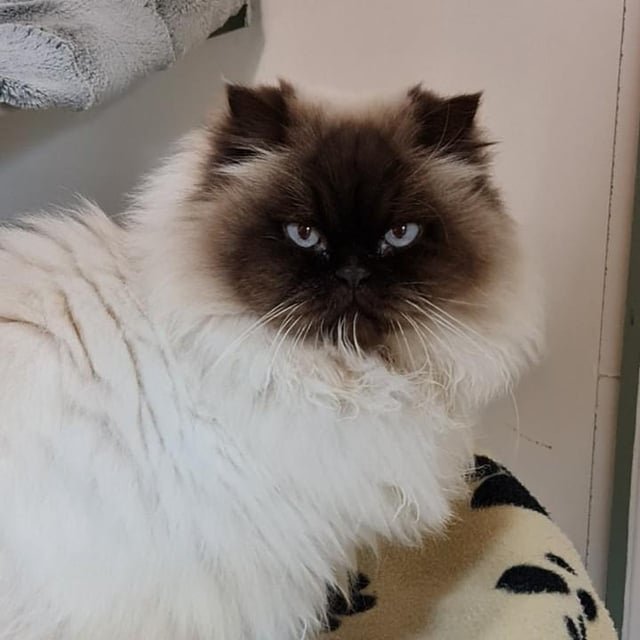
If your cat struggles with grooming or becomes anxious during the process, you’re not alone. Many pet owners face this challenge and wonder how to keep their furry friend clean and comfortable without stress.
Cat grooming with sedation might sound intimidating, but it can be a safe and effective solution when done properly. You’ll discover how sedation can help your cat stay calm, why it might be necessary, and what you need to know before considering this option.
Keep reading to learn how to make grooming a better experience for both you and your cat.
Why Cats Need Grooming
Grooming is more than just keeping your cat looking neat. It plays a crucial role in their overall health and happiness. Cats naturally groom themselves, but your help ensures they stay clean, comfortable, and free from health issues that self-grooming might miss.
Benefits Of Regular Grooming
Regular grooming keeps your cat’s coat shiny and reduces shedding around your home. It also helps prevent painful mats and tangles, which can cause skin irritation or infections.
Grooming sessions allow you to check for lumps, bumps, or parasites early on. This early detection can save your cat from serious health problems later. Plus, grooming strengthens the bond between you and your feline friend, making them feel loved and cared for.
Common Grooming Challenges
Some cats resist grooming because they feel stressed or uncomfortable. This can make brushing or nail trimming a difficult task for you and a scary experience for your cat.
Long-haired breeds often suffer from mats and tangles that can be painful to remove. Older cats or those with medical issues may have trouble grooming themselves, increasing the need for your assistance.
Have you noticed your cat hiding when you bring out the brush? Understanding these challenges helps you find gentle ways to make grooming easier and less stressful for both of you.
When Sedation Becomes Necessary
Grooming your cat can be a challenge, especially when they become anxious or aggressive. Sedation becomes necessary when regular grooming methods cause too much stress or risk injury to your pet or yourself. Understanding the signs and underlying health issues can help you decide when sedation is the safest choice.
Signs Of Grooming Stress
Your cat may show clear signs of stress during grooming. Look for:
- Hissing, growling, or swatting at you
- Excessive struggling or trying to escape
- Rapid breathing or panting
- Drooling or trembling
If your cat frequently reacts this way, grooming sessions can become traumatic. Have you noticed your cat hiding after grooming or refusing to come near the brush? These behaviors suggest stress that might require sedation for safe and calm handling.
Health Conditions Affecting Grooming
Certain health problems make grooming painful or difficult for cats. Common conditions include:
- Arthritis or joint pain limiting movement
- Skin infections or wounds
- Dental issues causing discomfort when touched
- Obesity restricting flexibility
When grooming aggravates these issues, sedation can ease the process and prevent further injury. Have you checked with your vet whether your cat’s health might be a hidden reason for grooming difficulties? Knowing this can help you choose the right approach.
Types Of Sedation For Cats
Cat grooming with sedation helps keep your pet calm and safe during the process. Sedation type depends on your cat’s health, behavior, and grooming needs. Choosing the right sedation makes grooming easier and less stressful for both you and your cat.
Mild Sedatives
Mild sedatives relax cats without making them fully unconscious. These drugs calm anxiety and reduce movement. They are ideal for short grooming sessions or less anxious cats.
- Often given as pills or injections
- Help lower stress and nervousness
- Allow cats to stay awake but calm
- Examples include low-dose benzodiazepines or antihistamines
Deep Sedation Options
Deep sedation makes cats very sleepy or lightly unconscious. This sedation is used for longer or more difficult grooming tasks. It keeps cats still and pain-free.
- Usually given by injection or IV
- Requires close monitoring by a vet
- Used for cats with high anxiety or medical issues
- Examples include dexmedetomidine or ketamine combinations

Credit: www.groomzy.com.au
Preparing Your Cat For Sedation
Preparing your cat for sedation is important for a smooth grooming experience. It helps keep your cat safe and calm. Careful preparation reduces stress and health risks. Follow these simple steps to get ready.
Pre-sedation Health Checks
Check your cat’s overall health before sedation. A vet exam can spot problems that increase risks. Blood tests help assess organ function and detect infections. Discuss your cat’s medical history with the vet. Inform about allergies, medications, or past reactions to sedation. Healthy cats handle sedation better and recover faster.
Safe Environment Setup
Create a calm and quiet space for your cat before and after sedation. Remove loud noises and sudden movements. Use soft bedding to keep your cat comfortable. Keep food and water ready, but follow vet advice on fasting. Prepare a warm area for recovery. Monitor your cat closely to notice any unusual signs.
Grooming Procedures Under Sedation
Grooming a cat under sedation helps manage difficult tasks safely. Sedation calms the cat, reducing stress and movement. This allows groomers to work thoroughly without causing pain or fear. Various grooming procedures can be done during sedation to keep your cat healthy and comfortable.
Brushing And Dematting
Brushing removes loose fur and dirt from the coat. Sedation lets groomers reach tangled or matted areas easily. Matted fur can pull on the skin and cause pain. Removing mats carefully prevents skin irritation and infections. Groomers use special tools to cut through tough mats gently. Sedation keeps the cat still, making the process safer and faster.
Nail Trimming And Cleaning
Trimming nails is important to avoid scratches and injuries. Sedation prevents sudden movements that can cause accidents. Groomers can trim nails precisely without hurting the cat. Cleaning the nail area removes dirt and reduces infection risk. Sedation allows a calm environment for thorough nail care. It also helps cats with sensitive or painful paws relax during grooming.

Credit: www.catcarevet.ca
Risks And Safety Measures
Cat grooming with sedation can ease stress for both pets and owners. Still, sedation carries certain risks. Understanding these risks helps ensure your cat’s safety. Taking proper safety measures minimizes potential problems. Always prioritize gentle care and close observation throughout the process.
Potential Side Effects
Some cats may show side effects after sedation. Common reactions include:
- Drowsiness lasting several hours
- Loss of coordination or balance
- Low body temperature
- Vomiting or nausea
- Breathing difficulties in rare cases
Serious side effects are uncommon but possible. Each cat reacts differently based on health and age.
Monitoring During And After Sedation
Constant monitoring is essential during sedation. Vets check your cat’s:
- Heart rate
- Respiration
- Body temperature
- Reflex responses
After grooming, cats need a quiet, warm place to recover. Watch for unusual behavior or breathing problems. Contact a vet immediately if issues arise.
Alternatives To Sedation
Not every cat needs sedation to stay calm during grooming. You might find that your feline friend responds well to gentler, less invasive methods that keep both of you relaxed. Exploring alternatives can save stress, time, and even money while building trust between you and your cat.
Behavioral Training
Training your cat to accept grooming starts with patience and consistency. Try rewarding calm behavior with treats or gentle praise during short grooming sessions.
Break down grooming into small steps. Begin by touching your cat’s paws or running a brush lightly over their fur for just a few seconds. Gradually increase the time as your cat becomes more comfortable.
Have you noticed that some cats respond better to certain types of brushes or grooming tools? Experiment with different textures to find what your cat prefers. This small change can make a big difference in their cooperation.
At-home Grooming Tips
Creating a calm environment is key. Choose a quiet room and groom your cat when they are naturally relaxed, such as after a meal or playtime.
Use slow, gentle strokes and speak softly to soothe your cat. If your cat shows signs of stress, pause and try again later rather than forcing the process.
- Keep grooming sessions short—five to ten minutes is plenty to start.
- Use grooming gloves if your cat dislikes brushes; these often feel like petting.
- Trim nails during play or when your cat is sleepy to reduce fussiness.
Have you tried grooming your cat with a partner? Sometimes, having a second person to hold or distract your cat can make the process smoother and less stressful for both of you.
Choosing A Professional Groomer
Choosing the right groomer for your cat’s sedation grooming is crucial. Your cat’s safety and comfort depend on it. You want someone skilled, knowledgeable, and compassionate to handle this delicate process.
Certifications And Experience
Look for groomers with proper certifications in pet grooming and sedation techniques. Certifications show they understand animal behavior and sedation safety protocols. Experienced groomers have likely handled cats with different temperaments and health conditions, giving you peace of mind.
Ask if they have specific training in feline sedation. Cats react differently than dogs, and sedation requires extra care. A groomer with solid experience can recognize signs of distress early and respond appropriately.
Questions To Ask Beforehand
Before booking, prepare a list of questions to ensure the groomer meets your cat’s needs. Some important questions include:
- What sedation methods do you use, and are they safe for my cat’s age and health?
- Do you have a veterinarian on call during grooming sessions?
- How do you monitor my cat’s condition while sedated?
- Can you provide references from other cat owners?
- What is your emergency plan if something goes wrong?
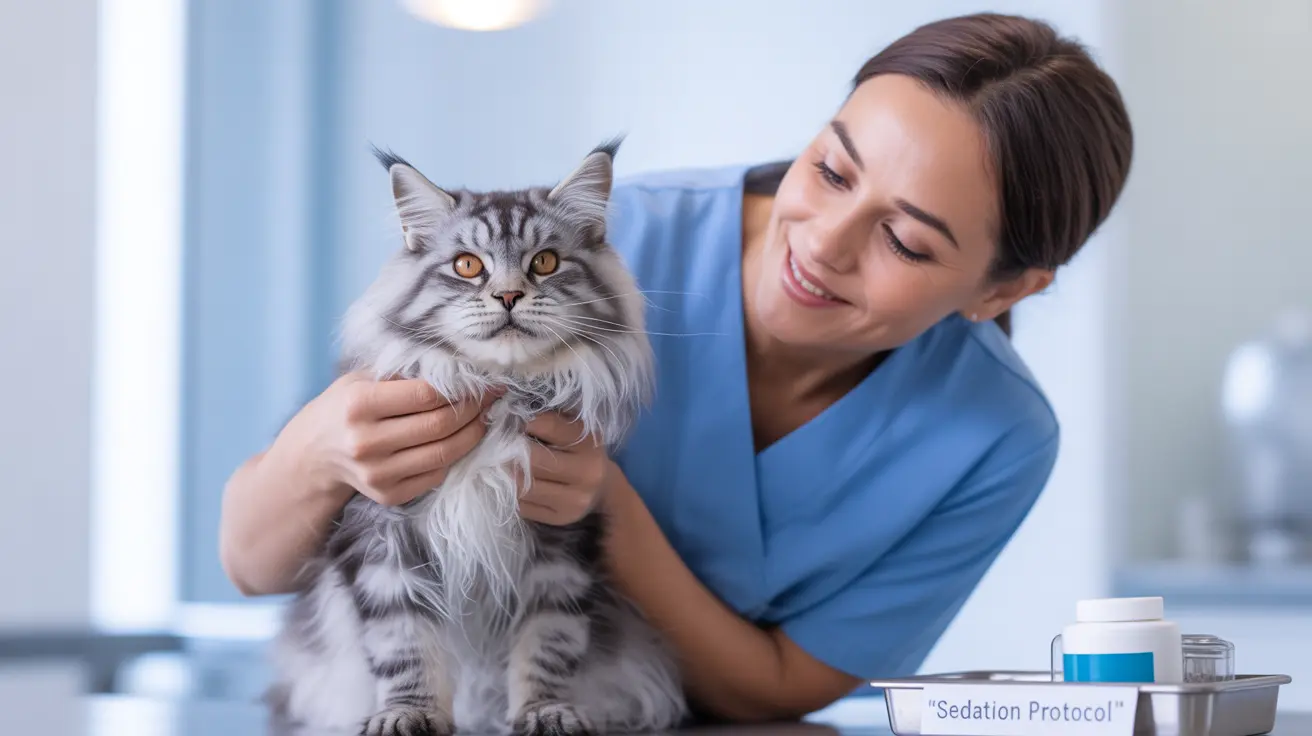
Have you ever wondered how a groomer handles a cat that suddenly becomes anxious under sedation? Asking these questions helps you understand their approach and commitment to safety. Don’t hesitate to be thorough—it shows you care about your cat’s well-being.
Credit: www.petscare.com
Frequently Asked Questions
What Is Cat Grooming With Sedation?
Cat grooming with sedation involves calming a cat using medication. This helps reduce stress and movement during grooming. It is often used for anxious or aggressive cats. Sedation ensures safe and thorough grooming without harming the cat or groomer.
When Is Sedation Necessary For Cat Grooming?
Sedation is necessary when cats are highly stressed, aggressive, or have medical conditions. It helps groomers handle difficult cats safely. Sedation is also used during long or complicated grooming sessions to minimize discomfort and anxiety.
Is Sedation Safe For Cats During Grooming?
Yes, sedation is generally safe when administered by a veterinarian. Proper dosage and monitoring are critical to avoid risks. Sedation reduces stress and injury, making grooming safer and more comfortable for cats.
How Long Does Sedation Last During Cat Grooming?
Sedation effects typically last between one to four hours. Duration depends on the medication type and dosage used. Cats usually recover fully within a few hours after grooming. Always follow veterinary guidance for post-sedation care.
Conclusion
Sedation can make cat grooming safer and calmer for your pet. It helps reduce stress and keeps your cat still. Always talk with your vet before using sedation. They can guide you on the best methods and doses. Gentle care and patience matter most during grooming.
Your cat will feel more comfortable and relaxed. Regular grooming keeps cats healthy and happy. Sedation is just one tool to help with tricky grooming sessions. Trust your vet’s advice and watch your cat stay calm.
