

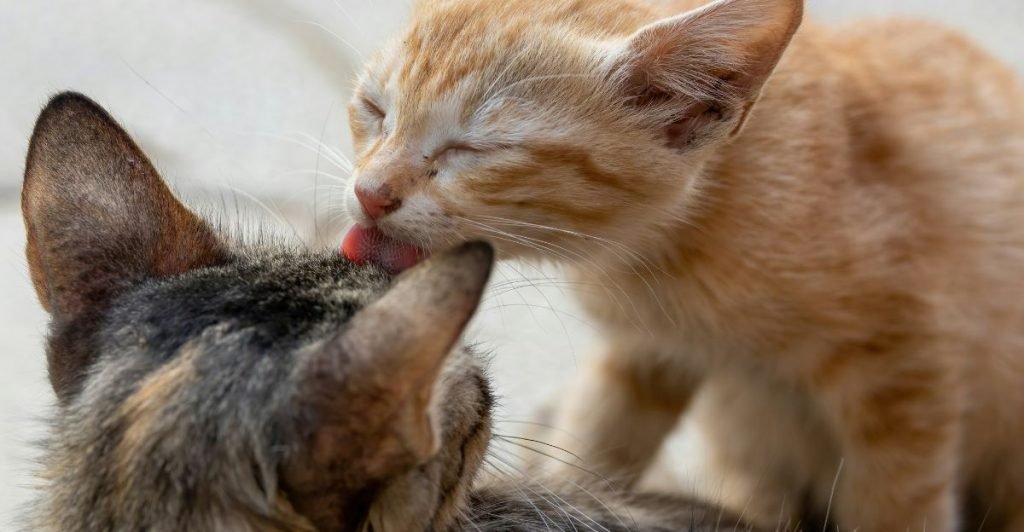
Have you ever watched your cat carefully licking its fur and wondered, “What does cat groom really mean?” Understanding why your cat grooms itself is more than just a cute observation.
It holds the key to your feline’s health, happiness, and even their mood. If you want to connect deeper with your furry friend and ensure their well-being, discovering the true meaning behind cat grooming is a must. Keep reading, and you’ll unlock insights that will change the way you care for your cat every day.
Credit: www.petscare.com
Cat Grooming Basics
Understanding the basics of cat grooming helps you better care for your feline friend. Grooming is a natural, essential part of a cat’s daily routine. It keeps them clean, healthy, and comfortable.
Why Cats Groom Themselves
Cats groom themselves to stay clean and remove dirt or loose fur. This behavior also helps regulate their body temperature and reduce stress. Have you ever noticed your cat licking its fur after a nap? That’s their way of freshening up and calming down.
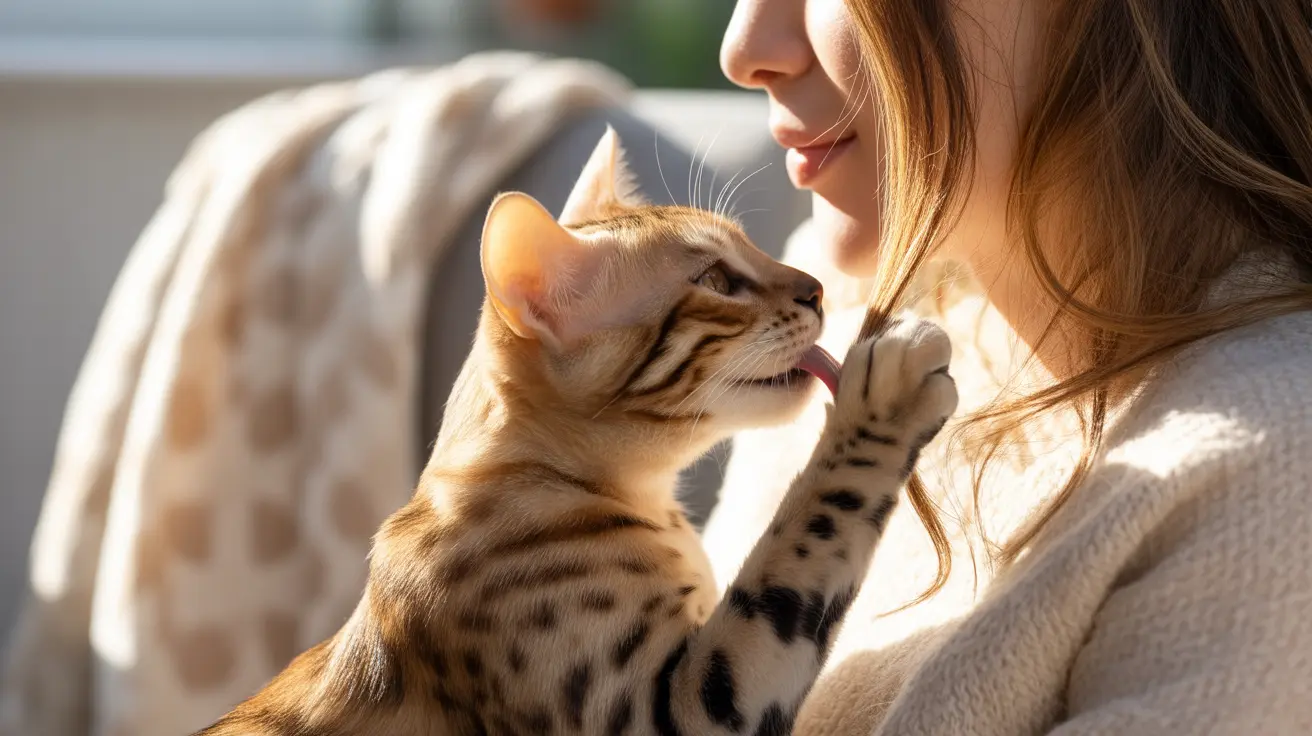
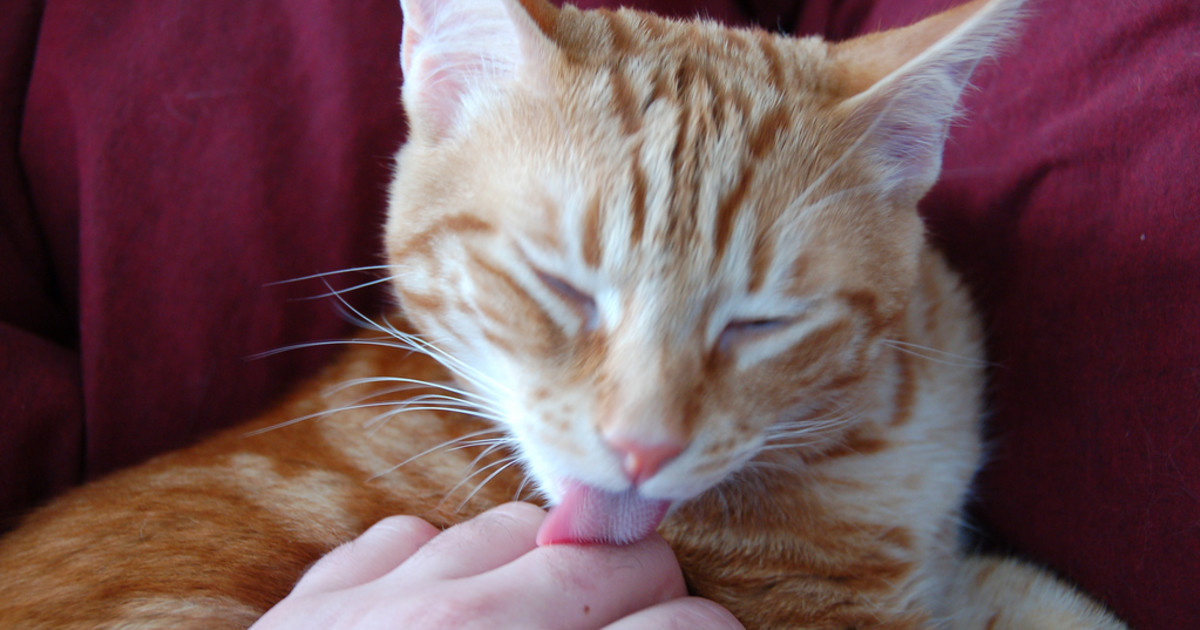
Grooming also plays a social role. Cats use it to mark territory with their scent and bond with other cats or even with you. When your cat licks you, it’s showing trust and affection.
Types Of Grooming Behaviors
Cats don’t just lick; they use several grooming techniques. You might see your cat biting or nibbling at tangles, using their paws to clean hard-to-reach areas, or rubbing their face against objects.
Each behavior targets different needs:
- Licking:Cleans fur and skin.
- Biting:Removes mats and loose hair.
- Paw washing:Cleans paws and face.
- Rubbing:Marks territory and spreads scent.
Frequency Of Grooming
Your cat likely spends around 30-50% of their waking hours grooming. This frequency varies by breed, age, and health. Long-haired cats may groom more often to prevent mats, while senior cats might groom less due to arthritis or other issues.
Have you noticed changes in your cat’s grooming habits? It could signal health problems like skin infections or stress. Keeping an eye on how often and how well your cat grooms helps you catch issues early and keep them comfortable.
Credit: pethelpful.com
Benefits Of Grooming For Cats
Grooming offers many benefits for cats beyond just keeping them looking nice. It plays a key role in their health and happiness. Regular grooming helps cats stay clean, manage their body temperature, and feel calm. Each benefit supports a cat’s overall well-being and quality of life.
Hygiene And Cleanliness
Grooming removes dirt, dust, and loose fur from a cat’s coat. It prevents mats and tangles that can trap bacteria and cause skin problems. Cleaning the fur also reduces shedding and hairballs. A clean coat helps keep the skin healthy and free from parasites like fleas and ticks.
Temperature Regulation
Grooming helps cats control their body temperature. Brushing removes excess fur during warm months, allowing air to reach the skin. In colder weather, grooming spreads natural oils that protect against the cold. This balance keeps cats comfortable in changing seasons.
Stress Relief And Comfort
Grooming calms and relaxes cats. The gentle brushing mimics a mother cat’s licking, which soothes them. It reduces stress and anxiety, especially during loud or busy times. Regular grooming sessions build trust and strengthen the bond between cats and owners.
Common Grooming Challenges
Grooming your cat isn’t always a walk in the park. You might think it’s just about brushing fur, but common grooming challenges can surprise you. Knowing what to expect helps you handle these issues calmly and keep your cat happy and healthy.
Hairballs And Shedding
Hairballs are a classic problem for cat owners. Cats groom themselves by licking their fur, which leads to swallowing loose hair. Over time, this can form hairballs that your cat might cough up.
Shedding adds to this problem, especially during seasonal changes. Regular brushing can reduce loose fur and lower hairball chances. Have you noticed your cat coughing more during shedding season? That’s a sign to step up grooming.
Skin Issues And Parasites
Skin problems can show up as redness, bumps, or bald patches. Parasites like fleas and mites often cause these issues, making your cat uncomfortable and itchy. Checking your cat’s skin regularly helps you catch problems early.
Using flea combs and keeping your cat’s environment clean can prevent infestations. If you spot persistent scratching or skin wounds, it’s time to visit the vet. How often do you inspect your cat’s skin during grooming sessions?
Overgrooming And Undergrooming
Some cats groom themselves too much, leading to hair loss and sore spots. Overgrooming often signals stress, allergies, or pain. On the other hand, undergrooming can happen if your cat is older or overweight and struggles to reach certain areas.
Helping your cat with regular brushing can make a big difference in these cases. Pay attention to changes in grooming habits—they reveal a lot about your cat’s health. What signs do you watch for to know if your cat needs grooming help?
How Owners Can Support Grooming
Supporting your cat’s grooming needs goes beyond just regular brushing or bathing. It involves understanding your cat’s preferences, patience, and using the right techniques to make grooming a positive experience. When you actively engage in your cat’s grooming routine, you build trust and help maintain their health and comfort.
Brushing Techniques And Tools
Choosing the right brush can make a huge difference. Cats with short fur may benefit from a rubber brush, while long-haired cats often need a slicker brush to prevent tangles.
Brush in the direction of hair growth with gentle strokes. Avoid pressing too hard to prevent discomfort.
Try brushing during calm moments, like after playtime or while your cat is resting. This helps create a relaxing association with grooming.
Bathing Tips For Cats
Bathing cats can be tricky, but it’s sometimes necessary for their hygiene. Use lukewarm water and a cat-specific shampoo to avoid skin irritation.
Keep the bath short and speak softly to soothe your cat. If your cat resists, stop immediately and try again another day.
Dry your cat gently with a towel and keep them warm afterward. Some cats tolerate a blow dryer on low heat, but always watch for signs of stress.
Handling Grooming Resistance
Resistance is common; many cats dislike being groomed. Watch for signs like struggling or hissing and pause if your cat becomes stressed.
Break grooming sessions into short intervals. A few minutes at a time can be less overwhelming and more effective.
Use treats and praise to reward calm behavior during grooming. Over time, your cat may begin to look forward to these moments.
Signs Of Grooming Problems
Recognizing signs of grooming problems in cats helps keep them healthy. Cats usually groom themselves regularly. Changes in this habit may signal health or stress issues. Watch for these signs to catch problems early.
Changes In Grooming Patterns
A cat that grooms less or more than usual may have problems. Less grooming can cause a messy coat. More grooming might lead to bald spots. Sudden changes in grooming habits need attention.
Visible Skin Or Coat Issues
Look for redness, flakes, or sores on your cat’s skin. Dull or matted fur shows poor grooming. Hair loss or bald patches can indicate irritation or illness. These signs often point to grooming struggles.
Behavioral Indicators
Cats in pain or stress may act differently during grooming. They might hide, bite, or scratch more than usual. Over-grooming can cause licking wounds or hair loss. Watch your cat’s behavior closely for clues.

Credit: weareallaboutcats.com
Grooming And Cat Health
Grooming plays a crucial role in your cat’s overall health. It goes beyond keeping their fur clean and shiny. Regular grooming helps you spot early signs of health issues and supports your cat’s well-being in many ways.
Link Between Grooming And Well-being
Grooming helps remove dirt, loose hair, and parasites like fleas. This reduces the risk of skin infections and irritations. When you groom your cat, you also build trust and strengthen your bond, which positively affects their mental health.
Have you noticed how cats groom themselves when stressed? Your involvement can ease their anxiety and provide comfort. Grooming is a way to check for lumps, wounds, or unusual bumps that might need attention.
Veterinary Care And Grooming
Regular grooming can reveal health issues that require a vet’s care before they get worse. Issues like dry skin, unusual hair loss, or swelling are easier to catch early. Your vet can guide you on specific grooming needs for your cat’s breed and age.
During vet visits, discuss your cat’s grooming habits and any changes you observe. This information helps vets diagnose problems faster. You can also learn about safe grooming tools and techniques to use at home.
Nutrition’s Role In Coat Health
What your cat eats affects their coat’s shine and texture. A balanced diet rich in omega-3 and omega-6 fatty acids supports healthy skin and fur. Poor nutrition often leads to dull, brittle fur and excessive shedding.
Consider adding supplements or foods with essential fatty acids if your cat’s coat looks lackluster. Fresh water intake is equally important to keep skin hydrated. Have you checked your cat’s diet lately to ensure it supports their grooming needs?
Frequently Asked Questions
What Does Cat Groom Mean?
Cat groom refers to the act of cats cleaning themselves or others. It includes licking fur to remove dirt and untangle hair. Grooming helps cats stay clean, regulate body temperature, and strengthen social bonds with other cats or humans.
Why Do Cats Groom Each Other?
Cats groom each other to build social bonds and reduce stress. This behavior, called allogrooming, promotes group harmony and trust. It also helps cats clean hard-to-reach areas, maintaining hygiene and comfort within their social group.
How Often Should You Groom A Cat?
Frequency of grooming depends on the cat’s breed and coat type. Long-haired cats need daily grooming, while short-haired cats require weekly brushing. Regular grooming prevents matting, reduces shedding, and promotes healthy skin and fur.
Can Grooming Reduce Cat Hairballs?
Yes, regular grooming removes loose fur before cats ingest it. This reduces hairball formation in the digestive tract. Brushing your cat frequently helps maintain coat health and minimizes hairball-related issues like vomiting and discomfort.
Conclusion
Cat grooming means more than just cleaning fur. It helps keep cats healthy and happy. Regular grooming stops mats and reduces shedding. It also allows you to check for bugs or skin problems. Cats often groom themselves, but they need our help too.
A little time spent grooming builds trust and love. Remember, gentle care makes grooming a good experience for your cat. Keep grooming simple and consistent for best results. Your cat will thank you with purrs and cuddles.
