

Thinking about bringing a cat into your home? One important thing you need to know is how much cat adoption fees really cost.
These fees aren’t just a number—they cover vital care, vaccinations, and making sure your new furry friend is healthy and ready to join your family. Understanding these fees helps you prepare both your heart and wallet. Keep reading, and you’ll discover what goes into these costs and why paying the right fee is worth every penny for your perfect companion.

Credit: www.ktnv.com
Why Adoption Fees Matter
Adoption fees play an important role in the process of bringing a cat into a new home. These fees are not just a price tag but a way to ensure cats receive the care they need. They help shelters continue their work and promote thoughtful adoption decisions. Understanding why adoption fees matter can help potential pet owners appreciate their value beyond the cost.
Covering Medical Expenses
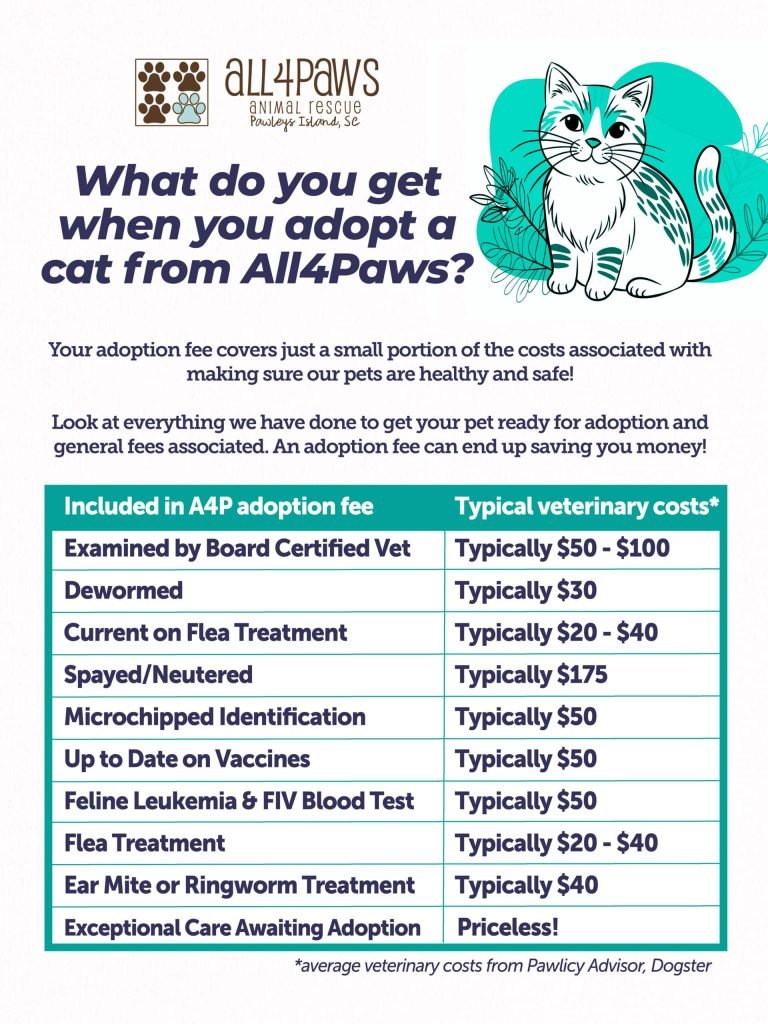
Adoption fees help cover necessary medical care for cats. This includes vaccinations, spaying or neutering, and health check-ups. Many cats arrive at shelters with health issues that need treatment. The fee helps ensure each cat is healthy before going to a new home. It protects both the cat and the adopter from future health problems.
Supporting Shelter Operations
Shelters rely on adoption fees to keep running daily. These fees fund food, cleaning supplies, and staff salaries. Shelters often have limited funding and depend on fees to maintain safe spaces for animals. Without these fees, shelters could struggle to care for cats properly. Every adoption fee supports a shelter’s mission to save lives.
Encouraging Responsible Adoption
Adoption fees help encourage serious and responsible adopters. A fee shows commitment and helps prevent impulse decisions. It ensures adopters are ready for the responsibility of caring for a cat. This reduces the chances of cats being returned to shelters. Adoption fees promote long-lasting, loving homes for cats.

Credit: www.thecaffeinatedcatcafe.com
Typical Costs Included
Adopting a cat involves several important costs. These fees cover essential health and safety measures. Understanding what is included helps prepare for the adoption process.
Spaying And Neutering
Spaying or neutering prevents unwanted litters and helps control the pet population. Most shelters include this surgery in the adoption fee. It also lowers the risk of some health problems and reduces behavioral issues.
Vaccinations And Health Checks
Cats receive vaccinations to protect against common diseases. Shelters perform health checks to ensure the cat is healthy before adoption. These procedures are included in the adoption fee to keep your new pet safe.
Microchipping And Identification
Microchipping gives your cat a permanent ID. This helps locate your pet if it gets lost. Many shelters include microchipping in the adoption fee. It is a smart step for your cat’s safety and your peace of mind.
Factors Affecting Fee Amounts
Adoption fees for cats differ for many reasons. These fees support shelter costs and help provide care for animals. Understanding what affects these fees helps prepare adopters for the process. Several key factors influence how much you pay when adopting a cat.
Age And Breed Of The Cat
Young kittens usually have higher adoption fees. They need more care and vaccinations. Older cats often cost less to adopt. Certain breeds, like purebreds, tend to have higher fees. Mixed-breed cats are usually less expensive.
Location And Shelter Type
Fees vary by region and shelter type. Urban shelters may charge more than rural ones. Private shelters sometimes have higher fees than public shelters. Costs reflect local expenses and shelter funding needs.
Special Needs Or Medical Conditions
Cats with health issues often have higher fees. These fees cover extra medical care and treatment. Some shelters lower fees to encourage adoption of special needs cats. Medical conditions directly affect adoption costs.
Fee Waivers And Discounts
Adopting a cat is a rewarding experience, but the fees can sometimes feel like a hurdle. Many shelters and rescue groups understand this and offer fee waivers and discounts to make adoption more accessible. These opportunities not only help you save money but also encourage giving a loving home to cats who need it most.
Promotional Events
Keep an eye out for promotional events, especially during holidays or special awareness months. Shelters often reduce or waive adoption fees to boost adoptions during these times. For example, “Black Friday” or “Clear the Shelters” days can be perfect moments to find your new feline friend at a lower cost.
Have you checked your local shelter’s calendar recently? Signing up for newsletters or following them on social media can alert you to upcoming fee discounts. Taking advantage of these events can make a big difference when budgeting for pet adoption.
Senior Or Special Needs Cats
Shelters frequently offer reduced fees or even waive them entirely for senior cats or those with special needs. These cats often face longer stays because of their age or medical conditions, so discounts encourage adopters to give them a chance. Adopting a senior cat can bring unique joy and companionship, often with a calm and loving personality.
Imagine providing a warm home to a cat who might otherwise be overlooked. Would you consider adopting a cat with special needs if the fee was reduced? It’s a rewarding way to make a difference in a life that needs it most.
Military And Senior Citizen Discounts
Many shelters recognize the service of military members and the contributions of senior citizens by offering special discounts on adoption fees. These discounts are a simple way to honor commitment and make pet ownership more affordable. If you fall into one of these groups, don’t hesitate to ask about eligibility for a reduced adoption fee.
Have you ever been surprised by a discount you didn’t know existed? Asking shelter staff about such discounts can open doors to savings you might have missed. It’s worth a quick conversation before finalizing your adoption.
What Fees Don’t Cover
Adoption fees cover some initial costs, but many expenses come later. Knowing what fees don’t cover helps prepare for cat care ahead. It avoids surprises and ensures a happy home for your new pet.
Ongoing Veterinary Care
Adoption fees usually include basic vaccines and spaying or neutering. They rarely cover future vet visits, emergencies, or chronic illness treatment. Regular checkups, flea control, and dental care are extra costs to plan for.
Food And Supplies
Food, litter, toys, and bedding are not part of adoption fees. Cats need daily food and clean litter boxes to stay healthy. Supplies wear out and need replacing as your cat grows or ages.
Behavioral Training
Some cats need help adjusting to a new home. Adoption fees don’t cover training or behavior classes. Professional help or special tools may be needed to solve issues like scratching or anxiety.
Budgeting For Your New Cat
Bringing a new cat into your home involves more than just the adoption fee. Planning your budget helps ensure your cat receives the best care. Understanding all costs prevents surprises and keeps your finances steady.
Initial Costs Beyond Adoption
Adoption fees cover only part of the initial expenses. You will need to buy essentials like a litter box, food dishes, and a comfortable bed. Cats also need toys and scratching posts to stay happy and healthy. A visit to the vet for vaccinations and a health check is necessary. Spaying or neutering may also be required. These costs add up quickly.
Monthly Care Expenses
Monthly costs keep your cat healthy and comfortable. Expect to spend on food, litter, and regular vet visits. Treats and toys may add to this budget. Some cats need special diets or medications, which can increase costs. Budgeting monthly helps manage these ongoing expenses without stress.
Emergency Fund Considerations
Unexpected health issues can arise at any time. Emergency vet bills may be high and require immediate payment. Setting aside a fund for emergencies can protect both you and your cat. Even a small monthly saving grows into a helpful safety net. This fund ensures your cat gets quick care when needed.
Questions To Ask Before Adopting
Adopting a cat is a rewarding choice, but understanding the fees involved can save you from unexpected costs. Asking the right questions before adopting helps you prepare financially and emotionally for your new companion. It also ensures transparency from the adoption agency or shelter.
Clarifying What Fees Include
Ask exactly what the adoption fee covers. Does it include vaccinations, spaying or neutering, and microchipping? Some shelters bundle these essential services, while others charge separately.
Knowing this helps you avoid surprise vet bills soon after adoption. For example, I once adopted a cat thinking the fee covered shots, but I had to pay extra for vaccinations later. Clarify these details upfront to plan your budget wisely.
Understanding Return Policies
Find out the shelter’s policy if the adoption doesn’t work out. Can you return the cat without penalties? What is the timeframe for a return?
These policies protect you and the cat, ensuring a safe transition if things don’t go as expected. Ask if the shelter offers help rehoming the cat or any guarantees on the adoption process.
Checking For Post-adoption Support
Does the shelter provide any support after you take your cat home? Some offer advice on behavior, health, or even free vet visits for a limited time.
Having access to guidance can ease the adjustment for both you and your new pet. Don’t hesitate to ask what resources or contacts you can rely on after adoption.

Credit: www.azhumane.org
Frequently Asked Questions
What Are Typical Cat Adoption Fees?
Cat adoption fees usually range from $50 to $150. Fees cover vaccinations, spaying/neutering, and microchipping. Shelter prices vary by location and cat age. Some organizations include additional vet care in the fee. Always check with your local shelter for exact costs.
Why Do Cat Adoption Fees Vary?
Fees vary due to shelter policies, cat age, and health status. Older cats often have lower fees to encourage adoption. Some shelters include medical treatments or vaccinations in fees. Location and demand also impact pricing. Fee differences help cover care expenses.
Are Cat Adoption Fees Refundable?
Generally, adoption fees are non-refundable. They cover medical care and shelter costs. Some shelters may offer refunds under special circumstances. Always ask the shelter about their refund policy before adopting. Fees help support ongoing animal care.
What Do Cat Adoption Fees Include?
Fees typically include vaccinations, spaying/neutering, and microchipping. Some shelters add flea treatment and initial vet exams. Fees contribute to shelter maintenance and animal care. This ensures cats are healthy and ready for new homes. Confirm specifics with your shelter.
Conclusion
Adopting a cat can bring joy and companionship. The fees vary but often cover essential care. They help shelters provide food, medical attention, and a safe environment. Consider these costs as an investment in your pet’s health and happiness. Adoption fees also support shelters in rescuing more animals.
By adopting, you save a life and gain a loyal friend. Always research and plan before adopting. Ensure you are ready for the responsibility. A little fee leads to a lifetime of love and purrs. So, visit your local shelter and find your perfect feline companion today.
