


Thinking about bringing a cat into your home? Before you open your door to a furry friend, there are important things you need to prepare.
Your new cat deserves a safe, comfortable, and loving environment right from day one. This Cat Adoption Checklist will guide you step-by-step to make sure you have everything covered. From the must-have supplies to essential health tips, you’ll feel confident and ready.
Keep reading to discover how to make your cat’s arrival smooth and stress-free—for both you and your new companion.

Credit: sahumane.org
Preparing Your Home
Preparing your home is a key step before bringing a new cat inside. A calm, safe space helps your cat settle faster. Setting up the right environment shows care and respect for your new friend. This section guides you through important preparations for a smooth transition.
Choosing A Safe Space
Select a quiet room where your cat can feel secure. Avoid noisy or busy areas. The space should have good light and ventilation. Make sure it has a door you can close to limit access. A safe spot helps your cat adjust without stress. Place a cozy bed or blanket there for comfort.
Gathering Necessary Supplies
Prepare basic items before your cat arrives. Include:
- Litter box and litter
- Food and water bowls
- Cat food suitable for their age
- Scratching post or pad
- Toys for play and stimulation
- Comfortable bedding
- Collar and ID tag
Having these ready helps your cat settle and feel cared for immediately.
Cat-proofing Tips
Check your home for hazards. Remove or secure:
- Small objects that can be swallowed
- Poisonous plants
- Chemicals and cleaning supplies
- Exposed wires and cords
- Open windows or balconies
Cover electrical cords and keep harmful items out of reach. This reduces risks and keeps your cat safe.
Selecting The Right Cat
Choosing the right cat is a key step in adoption. This choice shapes your experience and your new pet’s happiness. Consider several important factors to find a cat that fits your life and home. Think about age, personality, and where to adopt from. Meet potential cats before making a decision. This ensures a good match for both of you.
Considering Age And Temperament
Age affects a cat’s energy and care needs. Kittens need more play and training. Adult cats are often calmer and more independent. Senior cats may require special health care. Temperament matters as much as age. Some cats are shy and quiet. Others are playful and outgoing. Choose a cat whose personality suits your lifestyle and home environment.
Adoption Vs. Breeder
Adoption saves lives and gives cats a second chance. Shelters have cats of all ages and breeds. Adoption fees are usually lower than buying from breeders. Breeders offer specific breeds with known traits. They may provide health guarantees. Consider what matters most—saving a life or choosing a breed. Both options have benefits. Research carefully before deciding.
Meeting Potential Cats
Spend time with cats before adopting. Observe how they react to you and your home. Look for signs of comfort and trust. Play with the cat to see its energy level. Notice how it responds to petting. Ask shelter staff or breeders about each cat’s history. This helps predict how the cat will fit into your life. Meeting cats face-to-face creates a stronger bond from the start.
Bringing Your Cat Home
Bringing your new cat home is an exciting moment filled with anticipation and care. This step requires thoughtful preparation to ensure your cat feels safe and comfortable from the start. Paying attention to details during this time helps build trust and sets the foundation for a happy life together.
Transporting Safely
Your cat’s journey from the shelter or foster home to your house should be as calm as possible. Use a sturdy, well-ventilated carrier to keep your cat secure during transport. Line the carrier with a soft blanket or towel that carries familiar scents, which can help reduce stress.
Keep the carrier covered with a light cloth to block out excessive stimuli like bright lights and loud noises. Avoid feeding your cat right before travel to prevent nausea. Instead, offer food and water once you arrive home.
First Day Essentials
Prepare a quiet space where your cat can explore without feeling overwhelmed. This space should include:
- A litter box placed away from food and sleeping areas
- Fresh water and food bowls filled with what they are used to
- A cozy bed or blanket for resting
- Safe toys to encourage gentle play
Resist the urge to force interaction. Let your cat approach you on their own terms. Have patience; trust takes time to build.
Introducing To Family And Pets
Introducing your cat to family members and other pets requires careful planning. Start by allowing your cat to meet family members one at a time in a calm environment. Encourage gentle, slow movements and soft voices to avoid startling your cat.
If you have other pets, keep initial meetings brief and supervised. Use barriers like baby gates or closed doors so they can observe each other without direct contact. Gradually increase their exposure as they become more comfortable.
Have you noticed how your cat reacts to new people or animals? Watching their body language helps you decide when to move forward or slow down. Respecting their pace reduces fear and builds positive relationships.
Health And Wellness
Ensuring your new cat stays healthy is a top priority. Good health helps your cat live a long, happy life. Regular care supports their wellness and prevents illness.
Understanding health needs helps you provide the best care. Monitoring your cat’s condition allows early detection of problems. Taking simple steps can keep your cat feeling great.
Scheduling Vet Visits
Plan a vet visit soon after adoption. The vet checks your cat’s overall health and sets a care plan. Regular check-ups maintain health and catch issues early.
- Schedule annual wellness exams.
- Visit immediately if your cat shows signs of illness.
- Keep a record of all vet visits and treatments.
Vaccination And Spaying
Vaccinations protect against common cat diseases. Follow your vet’s vaccination schedule closely. Spaying or neutering prevents unwanted litters and health problems.
- Ask your vet about essential vaccines.
- Spaying helps reduce risks of cancer and infections.
- Keep vaccination records up to date.
Recognizing Common Health Issues
Watch for changes in behavior or appetite. Early signs include vomiting, coughing, or sneezing. Skin issues like itching or hair loss also need attention.
- Check eyes and nose for discharge.
- Notice changes in litter box habits.
- Seek vet care if your cat seems lethargic or weak.
Daily Care Routine
Creating a daily care routine for your cat helps keep them happy and healthy. Cats thrive on consistency. Following a simple routine makes their day more comfortable. It also strengthens your bond with your pet. Below are key areas to focus on every day.
Feeding Guidelines
Feed your cat at regular times each day. Most cats do well with two meals daily. Use high-quality cat food that suits their age and health needs. Fresh water must always be available. Avoid giving your cat human food or too many treats. Monitor their weight and adjust food amount if needed.
Litter Box Maintenance
Keep the litter box clean to prevent odors and accidents. Scoop waste at least once daily. Change the litter completely every one to two weeks. Use unscented, clumping litter for easy cleaning. Place the litter box in a quiet, accessible spot. Have one box per cat plus one extra if possible.
Grooming Basics
Brush your cat regularly to reduce shedding and hairballs. Long-haired cats need daily brushing. Short-haired cats benefit from weekly grooming. Check ears and eyes for dirt or signs of infection. Trim nails every few weeks to prevent scratching damage. Bathing is rarely needed but can help if your cat gets very dirty.
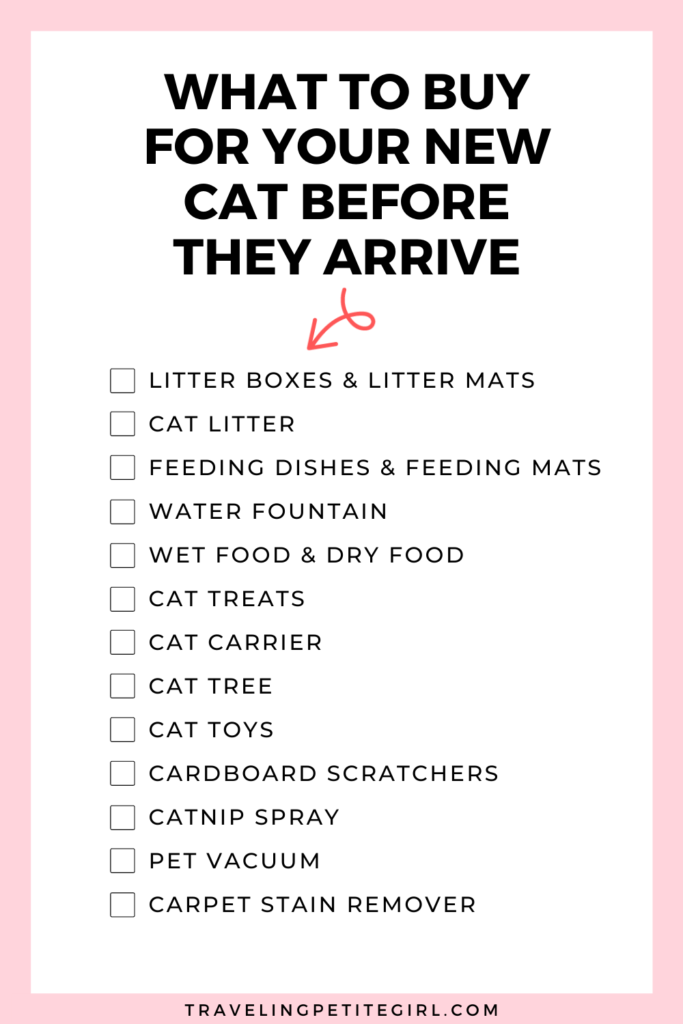
Credit: travelingpetitegirl.com
Building A Bond
Building a strong bond with your new cat is essential for a happy and healthy relationship. It takes time, patience, and understanding to earn your feline friend’s trust. The effort you put into connecting will pay off with a loving companion who feels safe and valued in your home.
Playtime Activities
Engaging in play is one of the quickest ways to bond with your cat. Use toys like feather wands, laser pointers, or small balls to spark their natural hunting instincts.
Short, frequent play sessions work best—try 10 to 15 minutes a few times a day. Notice what excites your cat the most and rotate toys to keep things interesting.
Have you ever seen a cat’s eyes light up chasing a simple string? Those moments build trust and joy between you both.
Training Tips
Training your cat helps you communicate and strengthens your connection. Start with simple commands like “come” or “sit,” using treats as positive reinforcement.
Keep training sessions brief and consistent to avoid overwhelming your cat. Patience is key—some cats learn faster than others.
Try clicker training if you want a fun way to mark good behavior. It can make your cat more responsive and eager to please.
Understanding Cat Behavior
Pay attention to your cat’s body language to deepen your bond. Tail position, ear movement, and vocalizations all give clues about how your cat feels.
Respect their need for space if they retreat or hiss. Trying to force interaction can harm trust rather than build it.
Ask yourself: What makes your cat relaxed or anxious? Learning these signals improves your ability to respond with care and patience.

Credit: www.etsy.com
Frequently Asked Questions
What Essentials Should I Prepare Before Adopting A Cat?
Prepare basic supplies like litter, food, water bowls, and a cozy bed. Also, secure a safe, quiet space for your new cat to adjust comfortably.
How Do I Choose The Right Cat For My Home?
Consider your lifestyle, home environment, and allergies. Match the cat’s age, temperament, and activity level to your preferences for a harmonious relationship.
What Initial Health Checks Are Needed After Adoption?
Schedule a vet visit for vaccinations, deworming, and a general health check. Early vet care ensures your cat starts healthy and stays protected.
How Can I Help My Cat Adjust To A New Home?
Give your cat time and space to explore. Use calming scents and gentle interaction to reduce stress and build trust gradually.
Conclusion
Adopting a cat is a rewarding journey. This checklist helps you prepare. Ensure a safe, loving home for your new feline friend. Stock up on essentials like food, litter, and toys. Set up a cozy space for your cat to relax.
Schedule a vet visit soon after adoption. Spend quality time to build trust and bond. Patience and love are key in this new adventure. Remember, every cat is unique. Enjoy the joy and companionship they bring. Happy adopting!
