

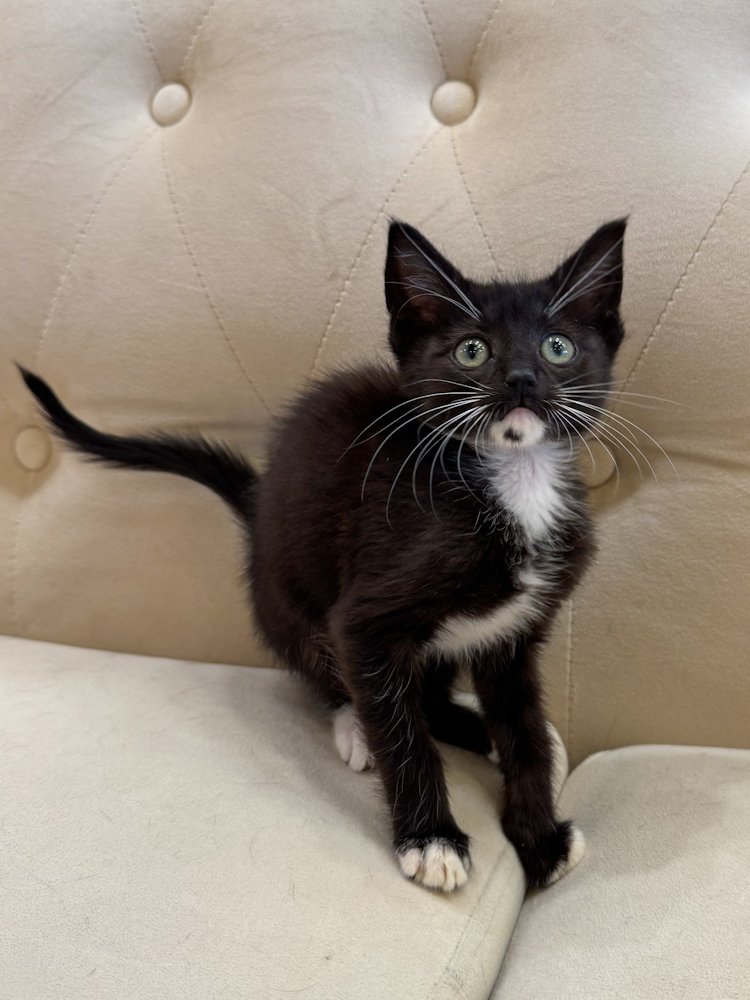
Are you fascinated by the mysterious charm of wild cats? Imagine bringing home a Black Footed Cat, one of the rarest and most elusive small cats in the world.
But before you get excited, there’s a lot you need to know about Black Footed Cat adoption. This isn’t just about having a unique pet; it’s about understanding their special needs and how to care for them properly. If you want to discover what it really takes to adopt and care for a Black Footed Cat, keep reading.
Your journey to becoming a responsible and informed caretaker starts here.
Credit: www.heartandsoulrescue.ca
Black Footed Cat Traits
The Black Footed Cat is one of the smallest wild cats in Africa. Its traits make it unique and fascinating for wildlife lovers. Understanding these traits helps to care for and appreciate this rare species.
Physical Characteristics
- Size: About 36 to 52 cm in body length, small and compact.
- Weight: Usually between 1 to 2.5 kg, very light.
- Fur: Soft, dense, sandy or yellowish with black spots.
- Feet: Black soles, which give the cat its name.
- Eyes: Large and round, adapted for night vision.
Behavioral Patterns
- Nocturnal hunter, active mostly at night.
- Solitary and shy, avoids human contact.
- Excellent stalker, uses silence and patience to catch prey.
- Territorial, marks areas with scent glands.
- Preys mainly on small mammals, birds, and insects.
Habitat Needs
- Prefers dry savannas, grasslands, and scrub areas.
- Needs dense vegetation for cover and hunting.
- Requires a territory large enough to support prey.
- Thrives in areas with low human disturbance.
- Shelters in rock crevices or abandoned burrows.
Adoption Essentials
Adopting a Black Footed Cat is a serious commitment that requires careful preparation and understanding. These small wild cats have unique needs that differ from domestic pets. Knowing what essentials to cover before bringing one home helps ensure a smooth transition and a healthy, happy companion.
Legal Requirements
You must check your local and national laws before considering adoption. Many countries have strict regulations protecting wild animals like Black Footed Cats. You might need special permits or licenses to keep one legally.
Ignoring these rules can lead to fines or even losing the animal. Contact wildlife authorities or licensed organizations to confirm what paperwork is necessary. Have you verified your region’s stance on exotic pet ownership yet?
Finding Reputable Sources
Not all sellers or breeders are trustworthy. Finding a reputable source is key to ensuring the cat’s health and ethical treatment. Look for breeders or sanctuaries with clear credentials and positive reviews.
Ask about the animal’s background, living conditions, and how they socialize the cats. Visiting the facility in person can reveal a lot about their standards. Would you feel comfortable leaving your pet in their care?
Initial Health Checks
Once you find your Black Footed Cat, a thorough health check is a must. Wild cats can carry diseases or parasites that need immediate attention. A vet experienced with exotic species can perform tests and vaccinations.
Monitoring behavior during the first few weeks helps spot health or adjustment issues early. Keep a close eye on eating habits, energy levels, and social interaction. Are you ready to provide the specialized care this unique cat needs?
Daily Care Routine
Caring for a Black Footed Cat requires a steady daily routine. These cats have unique needs. Meeting those needs ensures they stay healthy and happy. Daily care includes feeding, exercise, and grooming. Each part plays a vital role in their well-being. Understanding these habits helps owners provide the best care possible.
Feeding Habits
Black Footed Cats eat small prey in the wild. Their diet in captivity should mimic this. Provide fresh meat like chicken or small rodents. Feed them twice a day to match their natural hunting times. Avoid overfeeding to prevent health problems. Always supply clean, fresh water for hydration.
Exercise And Enrichment
These cats are active hunters. They need space to run and explore. Create an environment with climbing structures and hiding spots. Use toys that encourage stalking and pouncing. Rotate toys regularly to keep their interest. Daily playtime helps maintain their physical and mental health.
Grooming Tips
Black Footed Cats groom themselves often. Help by brushing their fur weekly. This removes loose hair and prevents mats. Check their ears and eyes for dirt or infection. Trim their nails carefully to avoid injury. Keep their living area clean to support good hygiene.
Health Management
Managing the health of a Black Footed Cat is essential for ensuring a long, happy life. These small wild cats have unique health needs that require your attention and care. Understanding common health problems, providing regular veterinary visits, and keeping up with vaccinations can make a huge difference in their well-being.
Common Health Issues
Black Footed Cats are prone to some specific health concerns. Parasites like fleas and ticks can cause irritation and disease if not treated promptly. They may also develop respiratory infections, especially if exposed to cold or damp environments.
Dental problems are another issue to watch for. Regularly check their teeth and gums for signs of pain or swelling. If you notice any unusual behavior like difficulty eating, it’s time to consult your vet.
Veterinary Care
Finding a vet experienced with exotic or wild cats is crucial. Your vet can help spot health issues early and provide specialized care. Schedule check-ups at least twice a year to keep your cat in top shape.
During visits, your vet will examine your cat’s overall condition, weight, and coat. They can also offer advice on diet, exercise, and environmental enrichment. Don’t hesitate to ask questions—your vet is your partner in your cat’s health journey.
Vaccination Schedule
Vaccinations protect your Black Footed Cat from dangerous diseases. Common vaccines include rabies, feline distemper, and feline viral rhinotracheitis. Your vet will tailor a vaccination plan based on your cat’s age, lifestyle, and local risks.
| Vaccine | Recommended Age | Frequency |
|---|---|---|
| Rabies | 12 weeks | Every 1-3 years |
| Feline Distemper | 8-12 weeks | Boosters every 3-4 weeks until 16 weeks old, then annually |
| Feline Viral Rhinotracheitis | 8-12 weeks | Boosters every 3-4 weeks until 16 weeks old, then annually |
Are you ready to commit to the health routine your Black Footed Cat needs? Keeping up with these health steps ensures your unique companion stays strong and vibrant.
Creating A Safe Home
Creating a safe home for a Black Footed Cat requires thoughtful planning and attention to detail. These small wild cats need an environment that protects them while meeting their natural instincts. Your goal is to balance comfort, security, and stimulation to keep your feline friend healthy and happy.
Enclosure Setup
Designing the enclosure is the first step in providing a secure space. It should be spacious enough for your cat to roam, climb, and hide. Including natural elements like branches, rocks, and grass mimics their wild habitat and encourages natural behavior.
Use strong materials like heavy-duty mesh or reinforced glass to prevent escapes. Make sure the enclosure has multiple hiding spots where your cat can retreat and feel safe. Think about adding elevated platforms to satisfy their love for climbing and observing.
Safety Precautions
Keep your cat safe by checking the enclosure regularly for any weak points or sharp edges. Avoid using toxic plants or chemicals inside the space. If you have other pets, maintain strict separation to prevent stress or injuries.
Consider installing secure locks and double doors to reduce the risk of accidental escapes. Ask yourself: have you thought through every possible way your cat might try to get out? This mindset helps you spot and fix vulnerabilities early.
Temperature And Lighting
Black Footed Cats thrive in warm climates, so maintaining the right temperature is crucial. Provide shaded areas and warm spots to help your cat regulate its body heat throughout the day. A balance of sunlight and shade mimics their natural environment.
Use timers for lighting to create a consistent day-night cycle. This supports your cat’s natural rhythms and helps reduce stress. Have you noticed how your cat behaves differently on cloudy versus sunny days? Adjust lighting accordingly to keep them comfortable.
Behavioral Training
Behavioral training plays a vital role in the successful adoption of Black Footed Cats. These small wild cats have unique habits and instincts. Training helps them adjust to new environments and interact safely with humans. It also supports their mental and physical health. Effective training focuses on gentle methods that respect their natural behavior.
Socialization Techniques
Socialization is key to helping Black Footed Cats feel comfortable. Introduce them slowly to new people and surroundings. Use calm voices and gentle movements. Create positive experiences with treats and play. Regular interaction reduces fear and builds trust. Group activities with other animals require careful supervision. Patience is essential during this process.
Handling Aggression
Black Footed Cats can show aggression when stressed or scared. Recognize signs like hissing, growling, or swatting. Avoid sudden movements or loud noises. Use distraction with toys or treats to calm them. Never punish physically; it worsens aggression. Create safe spaces where the cat can retreat. Consistent routines help reduce anxiety and aggressive behavior.
Stimulating Natural Instincts
Encouraging natural instincts keeps Black Footed Cats healthy and happy. Provide opportunities to hunt with toys that mimic prey. Use puzzle feeders to challenge their problem-solving skills. Allow climbing and exploring in secure areas. Rotate toys regularly to maintain interest. This stimulation prevents boredom and destructive behavior. It supports their overall well-being in a home setting.
Long-term Commitment
Adopting a Black Footed Cat is more than a one-time decision; it requires a long-term commitment that affects your daily life and future plans. These small wild cats need consistent care, attention, and resources to thrive in a home environment. Understanding the depth of responsibility helps ensure you can provide a loving and stable home for many years.
Time And Attention
Black Footed Cats are active and curious creatures that demand your time. They need daily interaction to stay mentally stimulated and physically healthy. If your schedule is packed or unpredictable, ask yourself if you can truly give them the attention they deserve.
Consider how their natural behaviors, like hunting instincts and nocturnal activity, fit with your lifestyle. Providing enrichment through toys and playtime is essential, or they may develop stress-related behaviors. Your presence and engagement are not optional—they are vital.
Financial Considerations
Caring for a Black Footed Cat involves ongoing expenses that go beyond initial adoption fees. Specialized diets, veterinary care, and habitat maintenance add up quickly. Are you prepared for unexpected vet visits or specialized nutrition needs?
Budgeting for these costs helps avoid stressful situations that could affect your pet’s well-being. Planning ahead with a dedicated fund for emergencies can make a huge difference. Remember, quality care often means higher costs but leads to a healthier, happier cat.
Planning For The Future
Think about where you see yourself in five or ten years and how a Black Footed Cat fits into that picture. Their lifespan and needs don’t pause for life changes like moving, new family members, or job shifts. Who will care for your cat if your circumstances change?
Creating a care plan for unexpected situations ensures your pet never faces neglect. This might include trusted friends, family, or professional caregivers. Taking these steps shows true commitment and safeguards your cat’s future.

Credit: www.castanet.net
Credit: meowfoundation.com
Frequently Asked Questions
What Is A Black Footed Cat?
The black footed cat is a small wild cat native to Southern Africa. It is known for its elusive behavior and excellent hunting skills. Despite its size, it is one of the most efficient predators in the cat family.
Can You Legally Adopt A Black Footed Cat?
Adopting a black footed cat is generally illegal for private individuals. These cats are wild and protected by conservation laws. Permits are required, usually only for accredited zoos or wildlife sanctuaries.
What Are The Care Needs Of A Black Footed Cat?
Black footed cats need a naturalistic environment with space to roam. They require a diet of fresh meat and enrichment activities. Proper veterinary care and expert handling are essential for their wellbeing.
Are Black Footed Cats Good Pets?
Black footed cats are not suitable as pets. They are wild animals with strong hunting instincts and specific needs. They thrive best in the wild or specialized conservation facilities.
Conclusion
Adopting a black-footed cat is a rewarding experience. These small felines bring joy and companionship. They thrive in loving homes. Their unique behaviors are fascinating to observe. Your home becomes their safe haven. They adapt quickly and form strong bonds.
These cats need special care and attention. Proper nutrition and regular vet visits are essential. Patience and understanding go a long way. You’ll find a loyal friend in a black-footed cat. Consider the commitment before adoption. Your life will be enriched with a new furry friend.
Embrace the journey and cherish the moments together.
