

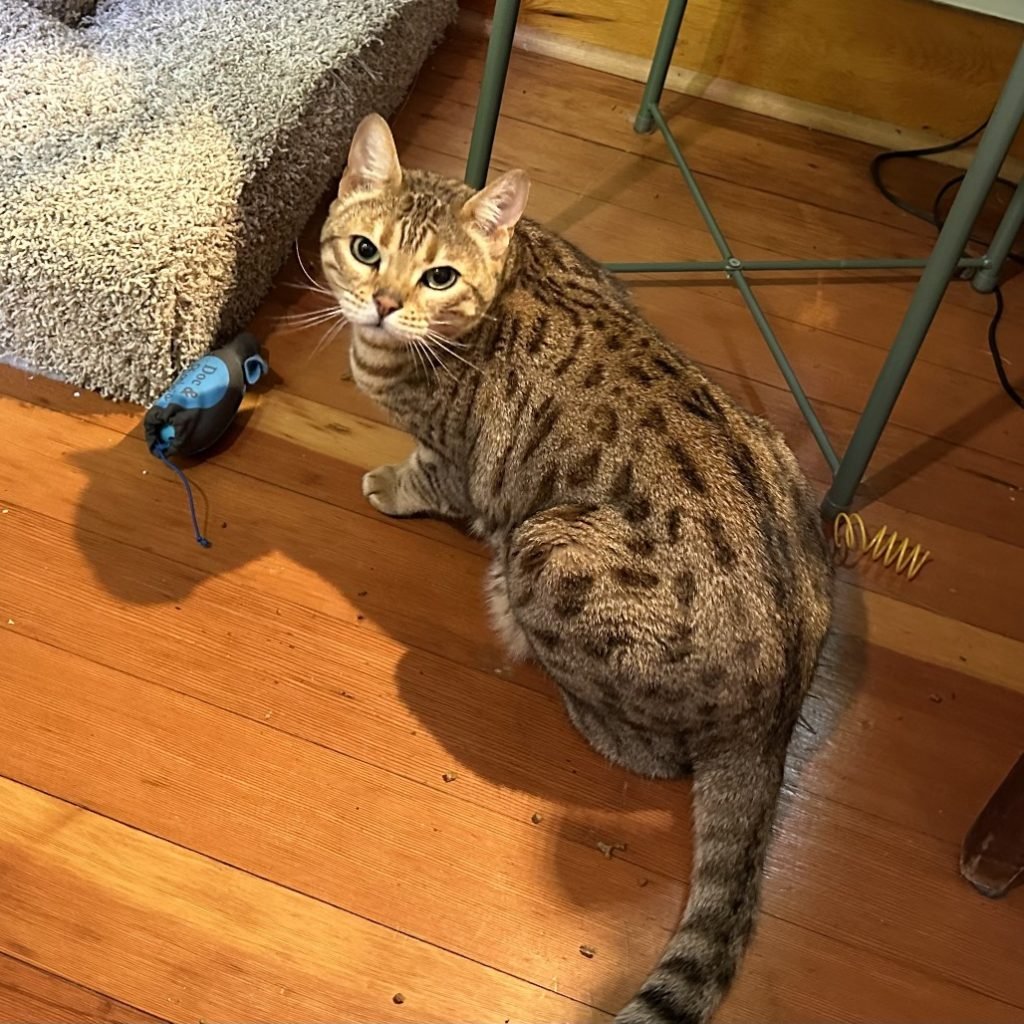
Are you ready to discover a special way to make a difference in the life of a Bengal cat? These beautiful, energetic cats need loving homes, and Bengal Cats Rescue is here to connect you with them.
If you’ve ever thought about adopting a pet that’s full of personality and charm, this could be the perfect chance. Keep reading to find out how you can help save a Bengal cat and bring joy to your home. Your next best friend might be waiting for you right now.

Credit: bengalrescue.org
Bengal Cats At A Glance
Bengal cats are striking pets known for their wild looks and playful nature. They combine the beauty of a leopard with the charm of a domestic cat. These cats fit well in homes that offer attention and activity.
Understanding Bengal cats helps in caring for them better. Their traits, behavior, and health needs make them unique companions.
Unique Traits And Appearance
Bengals have spotted or marbled coats. Their fur shines with a glittery effect. They usually have large, almond-shaped eyes. Their bodies are muscular and sleek. Bengals come in colors like brown, silver, and snow. Their wild look comes from Asian leopard cat ancestry.
Temperament And Behavior
Bengal cats are active and curious. They love to climb and explore. These cats enjoy playing with toys and puzzles. Bengals are social and often bond closely with owners. They may talk a lot with chirps and meows. Their energy needs regular mental and physical outlets.
Common Health Issues
- Hypertrophic cardiomyopathy (heart disease) is a concern.
- Progressive retinal atrophy can affect vision.
- Patellar luxation may cause joint problems.
- Regular vet checkups help catch issues early.

Credit: bengalrescue.org
Why Rescue Bengal Cats
Rescuing Bengal cats offers more than just adding a beautiful pet to your home—it provides a second chance to animals often misunderstood and overlooked. These cats have unique needs and characteristics that can make shelter life tough. Understanding why you should rescue Bengals can change the way you see these stunning felines and encourage you to give one a loving home.
Challenges Faced By Bengals In Shelters
Bengal cats often face difficulties in shelters because of their active and curious nature. Many shelters are not equipped to handle their high energy levels and need for stimulation. This can lead to stress and behavior issues, making them less likely to be adopted quickly.
Additionally, Bengals sometimes get mistaken for wild or exotic animals due to their striking spotted coat. This misconception can scare potential adopters away, leaving these cats waiting longer for a home. How often do you think a cat’s appearance affects its chances of adoption?
Benefits Of Adopting A Rescue Bengal
Adopting a rescue Bengal means you’re giving a special cat a fresh start. These cats can be incredibly affectionate and loyal once they feel safe and loved. You also get the joy of watching a shy or scared Bengal blossom into a confident companion.
Rescue Bengals often come with a health and behavior history, so you can better understand their needs. Plus, adoption fees usually cover vaccinations and spaying or neutering. This makes adopting a Bengal a responsible and cost-effective choice for your family.
Myths About Bengal Rescue Cats
Many people believe that rescue Bengals are wild or aggressive, but this is rarely true. Most rescue Bengals are just like any other domestic cat—they crave affection and companionship. Their wild look doesn’t mean they have a wild temperament.
Another myth is that Bengals require constant care or special diets. While they do need interactive play and mental stimulation, their basic care is similar to other cats. Have you ever considered how much personality lies beneath a cat’s appearance?
Finding Bengal Cats For Rescue
Finding Bengal cats for rescue takes patience and care. These beautiful cats need homes that understand their unique nature. Many Bengals end up in shelters or with rescue groups. The right place can help you find a healthy and happy Bengal cat to adopt.
Local Shelters And Rescue Groups
Local animal shelters sometimes have Bengal cats or Bengal mixes. Visit shelters in your area often. Speak with staff about Bengal cats needing homes. Some shelters work with breed-specific rescues. They can guide you to Bengals ready for adoption.
Online Rescue Networks
Many rescue groups list Bengal cats online. Websites and social media platforms show cats available for adoption. Use these networks to find Bengals across wider areas. Check regularly for new posts. Some sites have filters to narrow down Bengal cats.
Bengal Cat Rescue Organizations
Specialized Bengal cat rescue groups focus only on Bengals. They know the breed’s needs well. These organizations often have Bengals in foster homes. They provide detailed information about each cat’s personality and health. Contact them for advice and adoption steps.
Preparing For A Rescue Bengal
Preparing for a rescue Bengal cat means setting up a safe and welcoming space. These cats are active and curious. They need an environment that supports their playful nature and helps them feel secure. A good preparation ensures a smooth transition and a happy life together.
Home Setup And Safety
Create a calm area for your Bengal’s first days at home. Choose a quiet room with a cozy bed. Remove any sharp or small objects that could cause harm. Secure windows and balconies. Bengals love to climb and explore, so check for places they might get stuck or fall.
Keep cords, plants, and chemicals out of reach. Make sure all doors and cabinets stay closed. This prevents accidents and keeps your Bengal safe.
Essential Supplies
- Food and water bowls: Choose sturdy and easy-to-clean materials.
- High-quality cat food: Pick a brand suited for active cats like Bengals.
- Litter box: Provide a clean, quiet place for your cat to use.
- Scratching posts and toys: Help your Bengal stay active and entertained.
- Comfortable bedding: A soft spot for resting and feeling secure.
- Carrier: Needed for vet visits and safe transport.
Family And Other Pets
Introduce your Bengal slowly to family members. Let everyone stay calm and gentle. Teach children how to handle the cat with care. Avoid loud noises or sudden moves around your Bengal.
For other pets, use gradual introductions. Keep them separated at first. Watch their reactions closely. Give your Bengal a safe space to retreat if needed. Patience helps build trust between animals and people.
Adoption Process And Tips
Adopting a Bengal cat from a rescue is a rewarding experience that requires thoughtful steps to ensure the best match for both you and the cat. Understanding the adoption process helps you prepare and increases your chances of a smooth transition for your new feline friend. Here’s what you can expect and some useful tips to guide you along the way.
Application And Screening
Start by filling out an adoption application, which usually asks about your living situation, pet experience, and lifestyle. Rescue groups want to make sure their cats go to safe, loving homes that fit their needs.
Be honest and detailed in your answers. This helps the rescue team find a Bengal that suits your environment and personality. You might be asked for references or a home visit to verify your setup.
Meeting And Assessing The Cat
Once your application passes, you’ll get a chance to meet the Bengal cats available for adoption. Pay close attention to how the cats behave around you and in their environment.
Ask yourself: Does this cat seem comfortable with people? How energetic or calm are they? If possible, spend some time interacting to see if your personalities click.
Rescue staff can provide insights about each cat’s temperament and history. Don’t hesitate to ask about their health, habits, and any special needs.
Finalizing Adoption
After choosing your Bengal, the rescue will guide you through the final steps, including signing an adoption agreement. This contract often includes commitments to provide proper care and sometimes follow-up visits.
Prepare your home before bringing your cat home. Have essentials like a litter box, scratching post, food, and toys ready. Introducing your Bengal slowly to new spaces helps reduce stress.
Remember, your patience during the first days sets the tone for your relationship. What steps will you take to ensure your Bengal feels safe and loved right from the start?
Caring For Your Rescue Bengal
Caring for a rescue Bengal requires patience and attention to their unique needs. These cats have high energy and strong personalities. Providing the right care helps them feel safe and happy in their new home.
Understanding their diet, activity needs, and health care is important. Rescue Bengals often benefit from a calm, stable environment. This makes their transition smoother and builds trust with their new family.
Nutrition And Feeding
Bengal cats need a balanced diet rich in protein. Choose high-quality cat food made for active cats. Wet food helps keep them hydrated and supports kidney health.
- Feed small meals several times a day
- Provide fresh water at all times
- Avoid giving too many treats or human food
Proper nutrition supports their muscle tone and energy levels. Monitor their weight to prevent obesity.
Exercise And Enrichment
Bengals are playful and curious. They need daily physical and mental exercise. Toys like feather wands and puzzle feeders keep them engaged.
- Set aside playtime twice a day
- Use climbing trees or shelves for climbing
- Rotate toys regularly to keep interest high
Interactive play helps reduce stress and unwanted behaviors. Enrichment creates a happy and healthy Bengal.
Veterinary Care And Vaccinations
Regular vet visits are crucial for rescue Bengals. Keep vaccinations up to date to prevent diseases. Spaying or neutering improves their health and behavior.
- Schedule a health check within the first week
- Follow the vaccination schedule recommended by your vet
- Watch for signs of illness or discomfort
Early veterinary care catches problems before they become serious. A healthy Bengal lives a longer, fuller life.
Dealing With Behavioral Issues
Dealing with behavioral issues in Bengal cats can be challenging. These cats are active and intelligent, which sometimes leads to unwanted behaviors. Understanding these behaviors helps create a calm and happy home for rescued Bengals. Patience and the right approach make a big difference in managing their actions.
Common Challenges
- Excessive scratching on furniture or walls
- Aggression towards humans or other pets
- Excessive vocalization, especially at night
- Destructive chewing of household items
- Difficulty adapting to new environments or people
- Overactive hunting instincts causing restlessness
Training And Socialization Techniques
Start training early with positive reinforcement. Reward good behavior using treats or praise. Use toys to redirect unwanted actions like scratching or biting.
Socialize Bengal cats by introducing them to new people and pets slowly. Create a safe space for your cat to retreat when stressed. Consistent routines help Bengals feel secure and reduce anxiety.
When To Seek Professional Help
Persistent aggression or fear that worsens needs expert advice. Sudden changes in behavior may signal health problems. Consult a veterinarian or animal behaviorist to rule out medical causes.
Professional trainers can offer tailored plans for difficult behaviors. Early intervention prevents problems from becoming serious. Don’t hesitate to get help for your Bengal cat’s well-being.

Credit: kstp.com
Supporting Bengal Cat Rescues
Supporting Bengal cat rescues is more than just a kind gesture; it’s a commitment to saving lives and improving the well-being of these unique cats. Bengal cats often face abandonment or neglect due to their high energy and care needs. Your involvement can make a real difference in giving them a second chance at a loving home.
Volunteering Opportunities
Volunteering with Bengal cat rescues lets you work directly with the cats and the community. You can help by socializing cats, cleaning their spaces, or assisting at adoption events. Your time can improve their quality of life and increase their chances of finding forever homes.
Have you ever spent hours playing with a shy cat and watched it slowly come out of its shell? That moment shows how valuable your presence can be. Rescues often need hands-on help, so reaching out to offer your time is a powerful way to contribute.
Donations And Fundraising
Financial support is crucial for Bengal cat rescues to cover medical bills, food, and shelter costs. You can donate money, supplies, or even help organize fundraising events. Every dollar raised directly impacts the care and rescue efforts.
Consider hosting a small fundraiser with friends or online. Even selling handmade crafts or hosting a virtual event can bring in funds. Would you be surprised at how much a small community effort can achieve?
Spreading Awareness
Raising awareness helps educate people about the special needs of Bengal cats and the importance of adoption. Sharing stories, photos, and facts on social media can reach a wider audience and encourage more adoptions. Your voice can inspire others to support the cause.
Think about a time when you learned something new from a friend’s post and decided to act on it. What if your posts could do the same for Bengal cats? Simple actions like sharing rescue pages or talking to your network can change lives.
Frequently Asked Questions
What Is Bengal Cats Rescue?
Bengal Cats Rescue is an organization that saves and rehomes Bengal cats. They provide care for abandoned, abused, or stray Bengals. The rescue ensures cats find loving, permanent homes. They also educate the public about Bengal cat care and behavior.
How Can I Adopt A Bengal Cat From Rescue?
To adopt, visit the rescue’s website or shelter. Fill out an application form and meet adoption requirements. Attend an interview to ensure a good match. Adoption fees cover medical care and vaccinations. Bengal cats from rescue are usually spayed or neutered.
Why Choose A Rescue Bengal Cat Over A Breeder?
Rescue Bengals often cost less than breeder cats. You help save a cat’s life by adopting. Rescue cats are usually vaccinated and health-checked. They may have unique personalities needing loving homes. Choosing rescue supports animal welfare and responsible pet ownership.
What Care Do Bengal Cats From Rescue Need?
Bengal cats need regular vet check-ups and vaccinations. They require a high-protein diet and plenty of playtime. Bengals are active, so mental stimulation is important. Grooming is minimal but brushing helps reduce shedding. Patience is key to help rescued Bengals adjust.
Conclusion
Bengal cats need loving homes and dedicated care. Rescuing them makes a difference. They thrive with attention and play. Consider adopting from a rescue group. You will give a Bengal a new start. These cats bring joy and energy. They adapt well to new environments.
Your commitment can change their lives. Many Bengals are waiting for a forever home. Each adoption story inspires others to help. Together, we can support Bengal cat rescues. Every effort counts in making a positive impact. Share your story and encourage others.
Let’s give these beautiful cats a happy future.
