

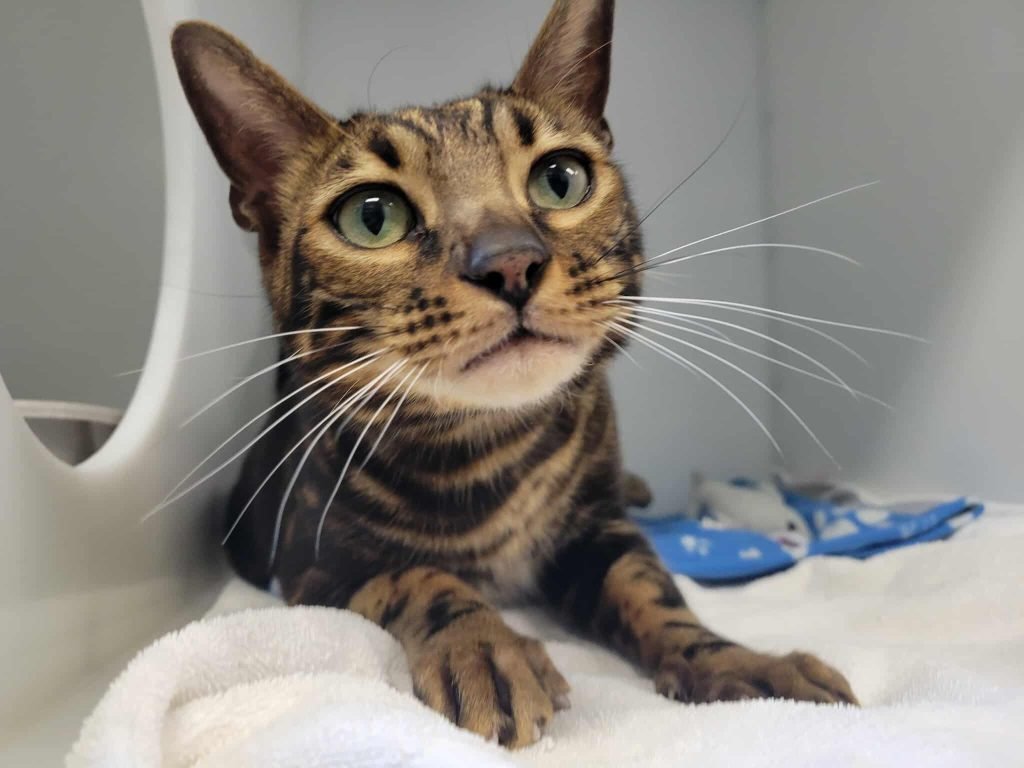
Are you thinking about bringing a Bengal cat into your home? Bengal cats are stunning, playful, and full of energy—making them a fantastic choice for the right family.
But before you dive in, it’s important to know what adopting a Bengal cat really means for you and your lifestyle. You’ll discover everything you need to make a confident decision—from their unique traits to what care they require. Keep reading to find out if a Bengal cat is the perfect match for you!
Why Choose A Bengal Cat
Choosing a Bengal cat means welcoming a truly special companion into your home. These cats stand out not just for their looks but also for their lively personalities and energy. If you want a pet that combines beauty, brains, and activity, a Bengal might be the perfect match for you.
Unique Appearance
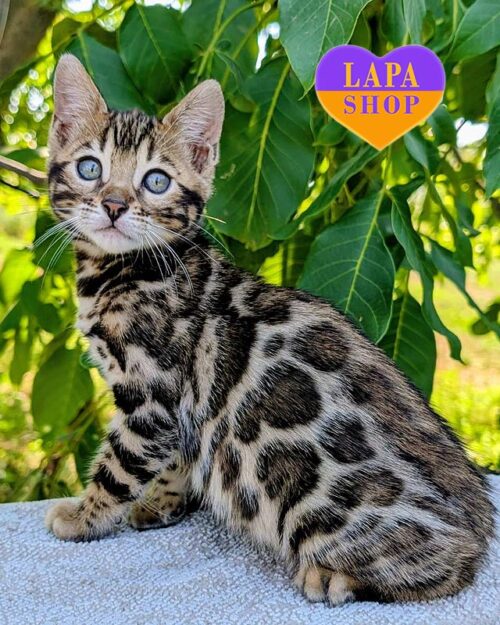
Bengal cats have a striking coat that looks like a miniature leopard’s. Their fur shines with a glitter effect, which is rare in most cat breeds. This unique pattern often draws attention, making Bengals instantly recognizable.
When you adopt a Bengal, you’re not just getting a pet—you’re getting a living piece of art. Have you ever seen a cat that looks like it’s straight out of a wild jungle? That’s the Bengal’s charm.
Personality Traits
Bengals are curious and intelligent. They love to explore their environment and figure out puzzles you give them. This means you’ll need to keep their minds busy with toys or games.
They are also affectionate and can form strong bonds with their owners. Many Bengal owners say their cats greet them at the door and enjoy interactive playtime. How often does your pet truly engage with you on a daily basis?
Activity Levels
If you want a low-energy lap cat, Bengals might not be the best fit. These cats are highly active and playful, often requiring more exercise than other breeds. They enjoy climbing, running, and even playing in water.
Providing them with climbing trees or interactive toys can help keep their energy balanced. Are you ready to match their energy and keep up with their playful spirit every day?
Credit: lapa.shop
Where To Find Bengal Cats
Finding a Bengal cat requires care and patience. Bengals are unique cats with beautiful coats and lively personalities. Choosing the right source helps ensure a healthy, well-socialized pet. Several options exist for those interested in adopting a Bengal cat.
Reputable Breeders
Reputable breeders focus on the health and temperament of their cats. They provide clear information about the cat’s lineage and health checks. Visiting a breeder allows you to see the kittens and their living conditions. Good breeders answer questions openly and offer support after adoption. Always verify credentials and reviews before committing.
Rescue Groups
Rescue groups sometimes have Bengal cats in need of homes. These cats may have been abandoned or surrendered. Adopting from rescue groups gives cats a second chance. Rescue groups perform health checks and provide vaccinations. They also help match cats to suitable families.
Adoption Events
Adoption events gather cats from various sources in one place. These events often include Bengal cats available for adoption. Staff and volunteers help you learn about each cat’s personality. Adoption events offer a chance to meet many cats quickly. They also make the adoption process simple and fast.
Evaluating Bengal Cats For Adoption
Choosing the right Bengal cat for adoption needs careful thought. These cats are active, smart, and unique. Evaluating their health, personality, and how they fit into your home is key. This helps ensure a happy life for both you and your new pet.
Health Considerations
Check the cat’s medical history before adoption. Bengal cats may have certain genetic conditions. Common issues include heart disease and hip problems. Ask the shelter or breeder about vaccinations and vet visits. Look for a cat that is alert and clean. Avoid cats showing signs of illness like coughing or lethargy.
Temperament Testing
Spend time with the cat to see its personality. Bengal cats are playful and curious. Some may be shy or aggressive. Observe how the cat reacts to people and noises. A friendly Bengal will approach and show interest. Avoid cats that hide or seem nervous all the time.
Age And Compatibility
Consider the cat’s age and your lifestyle. Kittens are playful but need more care. Adult Bengals may be calmer and trained. Think about other pets and family members. Bengals do well with active homes and older kids. Choose a cat that matches your energy and home environment.
Credit: bengalrescue.org
Preparing Your Home
Preparing your home for a Bengal cat is essential for a smooth transition. Bengals are active and curious cats. They need a safe, stimulating environment to feel comfortable and happy. Setting up the right spaces and supplies will help your new pet settle in quickly.
Safe Spaces
Create quiet spots where your Bengal can relax alone. Cats need places to hide and feel secure. Use cozy beds, boxes, or small tents in calm corners. Avoid loud noises and busy areas. Keep harmful plants, wires, and small objects out of reach. Ensure windows have secure screens to prevent escapes.
Toys And Enrichment
Bengals love to play and explore. Provide a variety of toys to keep them busy. Use interactive toys like feather wands and laser pointers. Puzzle feeders challenge their minds and slow down eating. Cat trees and shelves encourage climbing and jumping. Rotate toys regularly to keep interest high.
Feeding Essentials
Choose high-quality cat food rich in protein. Bengals have strong muscles and need proper nutrition. Use shallow bowls for food and water. Keep fresh water available all day. Clean bowls daily to prevent bacteria. Establish a regular feeding schedule to create routine and trust.
Bringing Your Bengal Cat Home
Bringing a Bengal cat into your home is an exciting experience filled with curiosity and new beginnings. These energetic and intelligent cats need a thoughtful approach to help them feel safe and loved. How you welcome your Bengal can set the tone for a strong and happy relationship.
First Day Tips
Prepare a quiet, cozy space before your Bengal arrives. This gives them a safe zone to explore without feeling overwhelmed. Keep noise and visitors to a minimum to avoid stress on their first day.
Offer fresh water and a small meal shortly after arrival to help them settle. Avoid forcing interaction; instead, let your Bengal approach you when ready. Watching their body language helps you understand their comfort level.
Settling In
Give your Bengal time to adjust at their own pace. They might hide or explore cautiously—both are normal behaviors. Introduce new rooms gradually rather than all at once to prevent anxiety.
Keep their litter box, food, and water in consistent spots. Bengals appreciate routine and clear boundaries. You can also add familiar toys or blankets to provide comfort and reduce stress.
Building Trust
Spend quality time near your Bengal without pushing for attention. Sit quietly, read aloud, or speak softly to create positive associations with your presence. Patience here pays off more than immediate affection.
Use interactive play with feather wands or laser pointers to engage their natural hunting instincts. This not only entertains but also strengthens your bond. Remember, Bengal cats thrive on mental stimulation as much as physical activity.
Have you noticed how quickly a Bengal responds when you give them space and respect? Their trust grows from simple, consistent actions you take every day.
Long-term Care And Maintenance
Caring for a Bengal cat requires dedication and consistent effort. These active cats thrive with proper care that supports their health and happiness. Understanding their long-term needs helps maintain a strong bond and a joyful life together.
Nutrition Needs
Bengal cats need a balanced diet rich in protein to support their energy levels. Choose high-quality cat food with real meat as the first ingredient. Avoid fillers like corn or soy that provide little nutrition.
Fresh water must be available at all times. Feeding small, frequent meals can help with digestion. Treats should be given sparingly to prevent weight gain.
Grooming Tips
Bengals have short, dense fur that requires regular brushing. Brushing once a week removes loose hair and reduces shedding. Use a soft-bristle brush to avoid irritating their skin.
Check their ears and clean them gently if needed. Trim nails every few weeks to prevent scratching damage. Bathing is rarely necessary unless the cat gets very dirty.
Health Monitoring
Regular vet visits keep Bengal cats healthy and detect issues early. Watch for changes in behavior, appetite, or litter box habits. These signs can indicate illness or discomfort.
Keep vaccinations current and use flea and tick prevention. Dental care is important; brush their teeth or provide dental treats. Early care helps avoid serious health problems later.

Credit: www.mandysbengals.com
Frequently Asked Questions
What Should I Know Before Adopting A Bengal Cat?
Bengal cats are active, intelligent, and need lots of playtime. They require mental stimulation and social interaction. Ensure you have time for their care and a safe environment.
Where Can I Adopt A Bengal Cat Safely?
Adopt from reputable breeders or animal shelters specializing in Bengals. Verify health records, ask about temperament, and visit the facility before deciding.
How Much Does Bengal Cat Adoption Usually Cost?
Adoption costs range from $500 to $2,500 depending on pedigree, age, and breeder reputation. Factor in ongoing care expenses like food and vet visits.
Are Bengal Cats Good For Families With Children?
Yes, Bengals are playful and social, making them great with kids. However, supervise interactions to ensure gentle handling and prevent stress for the cat.
Conclusion
Adopting a Bengal cat can bring joy and excitement to your home. They are playful, curious, and full of energy. These beautiful cats require attention and care. Make sure you are ready for the commitment. Research their needs and lifestyle before adopting.
A Bengal cat can be a wonderful friend if you prepare well. Enjoy the journey of Bengal cat adoption. It can be a rewarding experience for both you and your new feline friend. Consider visiting local shelters or rescue groups for adoption opportunities.
Embrace the adventure and welcome a Bengal cat into your life.
