

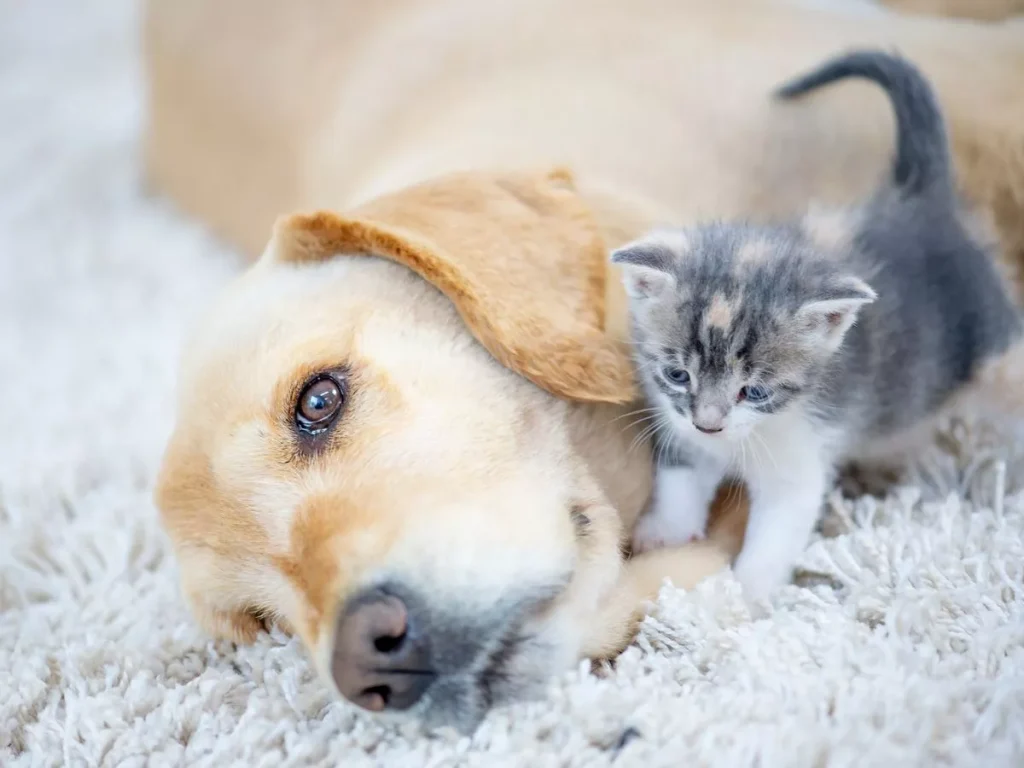
If you have a cat at home, you know how important it is to keep them safe and stress-free. But did you know that some dog breeds just don’t get along well with cats?
Choosing the wrong dog can lead to constant tension, scary chases, and unhappy pets. You want a peaceful home where your furry friends can live together without fear. Keep reading to discover which dog breeds are the worst for cats—so you can avoid any trouble and protect your beloved feline.
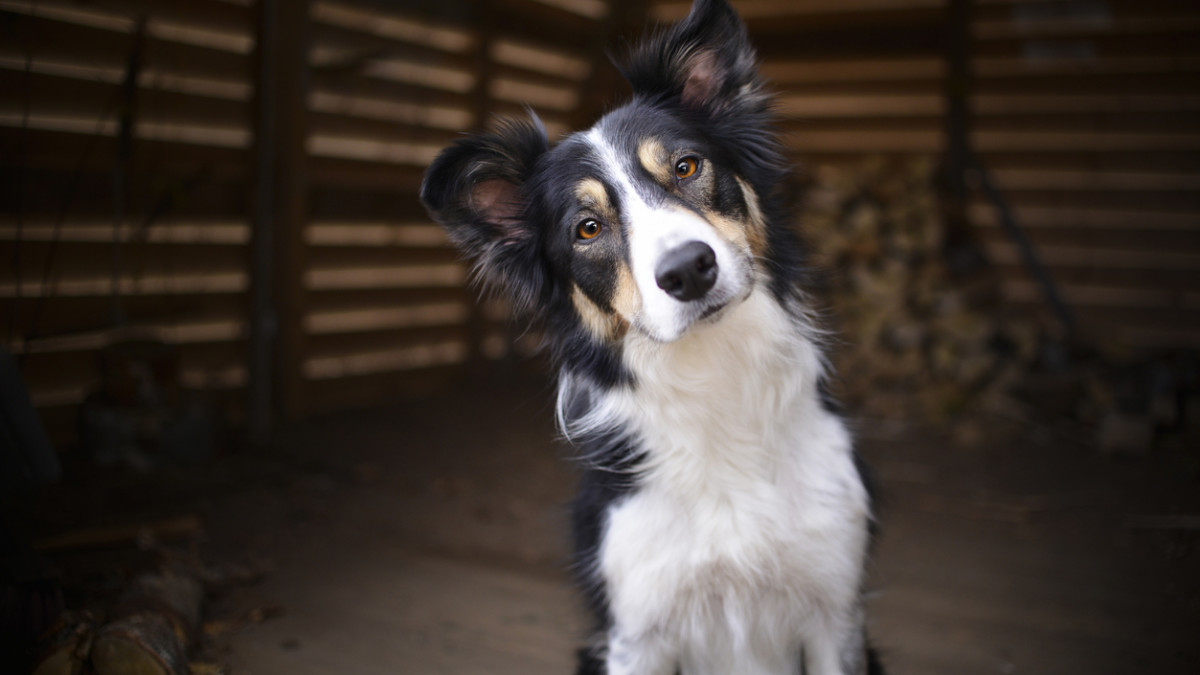
Credit: paradepets.com
Aggressive Dog Breeds
Aggressive dog breeds often pose challenges for cat owners. These dogs may show behaviors that stress or threaten cats. Understanding these traits helps keep both pets safe and happy. Some aggressive breeds have instincts that make living with cats difficult.
Breeds With High Prey Drive
Dogs with a strong prey drive see cats as something to chase. This instinct is natural but can cause harm to cats. Breeds like the Greyhound, Siberian Husky, and Jack Russell Terrier often have this trait.
- They may chase small animals, including cats, without warning.
- Training can reduce this behavior, but it takes time and patience.
- Supervision is crucial when these dogs are near cats.
Territorial Behavior Risks
Some aggressive breeds guard their home fiercely. This territorial nature can lead to conflicts with cats. Breeds such as the Akita, Doberman Pinscher, and Rottweiler often show strong territorial instincts.
- They may see cats as intruders and react aggressively.
- Territorial dogs might attack to protect their space.
- Introducing cats slowly and carefully is important with these breeds.
Energetic Dogs And Cats
Dogs with high energy can be a challenge for cats. Both animals have different play styles and activity needs. Energetic dogs often want to chase, jump, and play hard. Cats may feel stressed or threatened by this energy. This section explains how active dogs impact cats and the risks involved.
Impact Of High Energy Levels
High energy dogs move fast and make sudden actions. Cats might get scared or hide often. Constant chasing or loud barking can cause stress. Stress lowers a cat’s health and happiness. Cats need calm time to relax and feel safe. Energetic dogs may not allow this peace. This creates tension between pets.
Potential For Unintentional Harm
Fast dogs can accidentally hurt cats. A playful jump or bump can cause injury. Cats are smaller and more fragile. Even friendly dogs may not realize their strength. Injuries can range from bruises to broken bones. This risk makes some dog breeds less suitable with cats. Owners must watch closely to keep both safe.
Strong Hunting Instincts
Strong hunting instincts can make some dog breeds a challenge for homes with cats. These dogs have a natural drive to chase moving animals. This instinct can lead to stress and danger for cats. Understanding which breeds have strong hunting drives helps keep peace between pets.
Breeds Prone To Chasing
- Terriers – known for their relentless pursuit of small animals.
- Beagles – scent hounds with a high prey drive.
- Greyhounds – fast runners bred to chase prey.
- Jack Russell Terriers – energetic hunters with a strong chase instinct.
- Dachshunds – originally bred for hunting small animals underground.
- Australian Cattle Dogs – herding dogs with strong prey instincts.
How Hunting Drives Affect Cats
Dogs with strong hunting instincts may chase cats aggressively. This behavior can cause injury to the cat or stress over time. Cats may hide or become fearful, affecting their health and happiness. The dog’s excitement during a chase can be hard to control. Many cats stop trusting dogs with high prey drives. Introducing these dogs to cats requires careful training and supervision.
Size And Strength Differences
Size and strength differences between dogs and cats can cause problems. Large dogs may unintentionally harm small cats during play or daily interactions. Understanding these differences helps keep both pets safe and happy. It is important to know which dog breeds might pose risks to cats because of their physical size and power.
Large Dogs And Small Cats
Large dog breeds can be very strong and heavy. Cats are usually smaller and more fragile. This size gap can lead to accidents. A playful jump or wagging tail from a big dog might scare or hurt a cat. Some dog breeds are naturally more energetic and may not realize their strength. This can stress or injure small cats in the home.
Physical Risks During Play
Play between dogs and cats is common but risky with big dogs. Dogs might chase cats too roughly. They can accidentally scratch or bite the cat. Even a friendly paw swipe from a large dog may cause pain. Cats can get scared and hide, causing stress or health issues. Owners should watch all play closely and separate pets if needed.
Poor Socialization With Cats
Some dog breeds struggle more than others to get along with cats. This often comes down to poor socialization during their early life stages. Without proper exposure to feline friends, these dogs may see cats as threats or prey, leading to tension and conflict in your home.
Breeds Less Tolerant Of Other Animals
Certain dog breeds have strong hunting instincts or dominant personalities that make them less accepting of cats. Breeds like the Siberian Husky, Jack Russell Terrier, and some hounds often display poor socialization with cats. This isn’t just about size or energy—it’s about instincts and how they were raised.
If you have a Jack Russell Terrier, you might notice it chasing cats relentlessly if it wasn’t introduced to them early on. This behavior isn’t due to malice but a natural drive that wasn’t curbed with proper socializing.
Signs Of Stress And Aggression
How can you tell if your dog is struggling around cats? Watch for signs like:
- Stiff body posture and intense staring
- Growling or snapping when cats approach
- Excessive barking or lunging at cats
- Trying to corner or chase cats relentlessly
These behaviors suggest your dog is uncomfortable or stressed. Ignoring these signs can lead to dangerous encounters for both your dog and your cat.
Have you ever noticed your dog’s body language change around a cat? Paying close attention can help you intervene early and create a safer environment for both pets.
Training Challenges
Training dogs that do not get along well with cats can be tough. These dogs often have instincts that make them chase or harm cats. Training such dogs requires patience and specific strategies. Understanding the challenges helps in managing their behavior better.
Difficult-to-train Breeds
Some dog breeds have a strong prey drive. They find it hard to ignore cats nearby. These breeds resist commands and are less obedient. Examples include:
- Terriers
- Hounds
- Siberian Huskies
They need consistent, firm training to learn boundaries. Without proper training, they may harm cats instinctively.
Managing Impulse Control
Impulse control is key to safe interactions. Dogs with poor impulse control act on sudden urges. Training should focus on:
- Teaching “stay” and “leave it” commands
- Rewarding calm behavior
- Using distractions to redirect attention
Practice in low-distraction areas first. Increase difficulty slowly. This helps dogs resist chasing or aggressive actions toward cats.
Safe Alternatives For Cat Owners
Choosing the right dog breed can make a huge difference when you already have cats at home. Some dogs naturally get along with cats, making your household peaceful and happy. Let’s look at safe alternatives that help you avoid stress and conflict between your pets.
Breeds Known For Cat Compatibility
Certain dog breeds are famous for their gentle and friendly nature toward cats. These dogs often have calm temperaments and a lower prey drive, making them safer choices.
- Golden Retriever:Known for their friendly and patient personality, they usually accept cats as part of the family.
- Beagle:Their social and easygoing nature helps them get along well with cats when introduced properly.
- Cavalier King Charles Spaniel:Small and affectionate, they rarely show aggression toward feline friends.
- Basset Hound:Their laid-back attitude often leads to peaceful coexistence with cats.
- Collie:Intelligent and gentle, Collies can live harmoniously with cats if trained well.
Have you noticed how some dogs just seem to “click” with cats? It’s often about their personality, not just the breed. Observing individual traits can guide your choice better than just a breed name.
Tips For Introducing Dogs To Cats
Introducing a new dog to your cat takes patience and careful planning. It’s crucial to create a calm environment to prevent fear or aggression.
- Start Slow:Keep the dog on a leash at first and let your cat explore freely. Watch how they react without forcing interaction.
- Safe Spaces:Make sure your cat has places to retreat where the dog cannot follow, like high shelves or separate rooms.
- Positive Reinforcement:Reward both pets with treats and praise when they behave calmly around each other.
- Short Sessions:Keep initial meetings brief and gradually increase time together as they get more comfortable.
- Observe Body Language:Watch for signs of stress or aggression and separate them if needed to avoid negative experiences.
What small steps can you take today to help your pets build trust? Sometimes, a few minutes of calm introduction each day can turn a potential problem into a lifelong friendship.
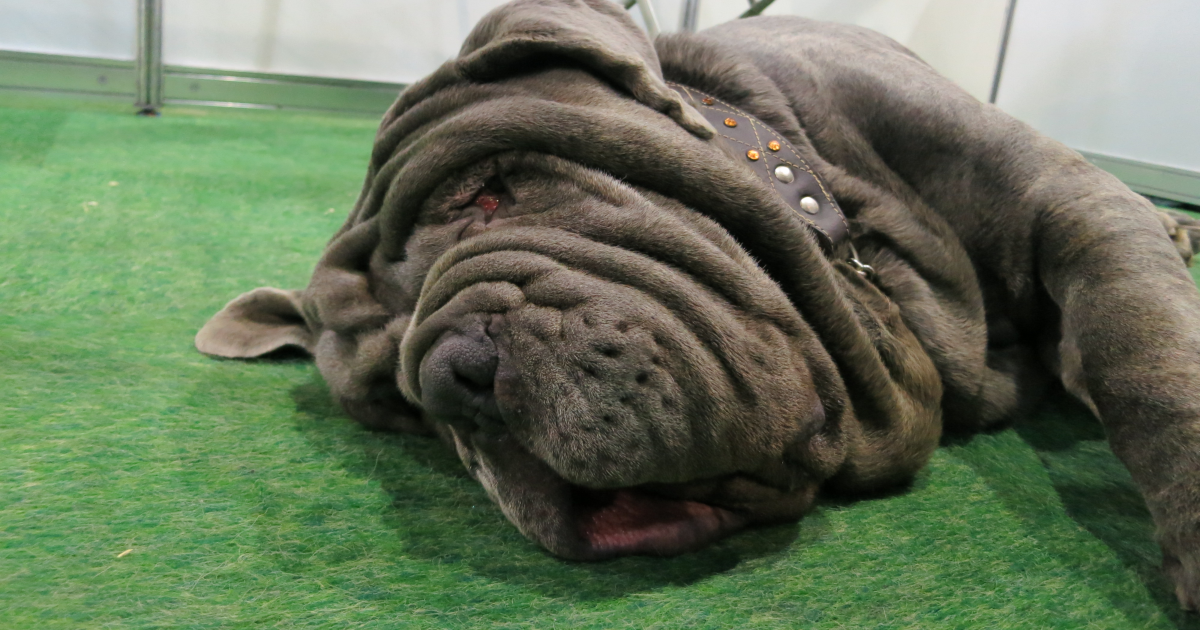
Credit: pethelpful.com
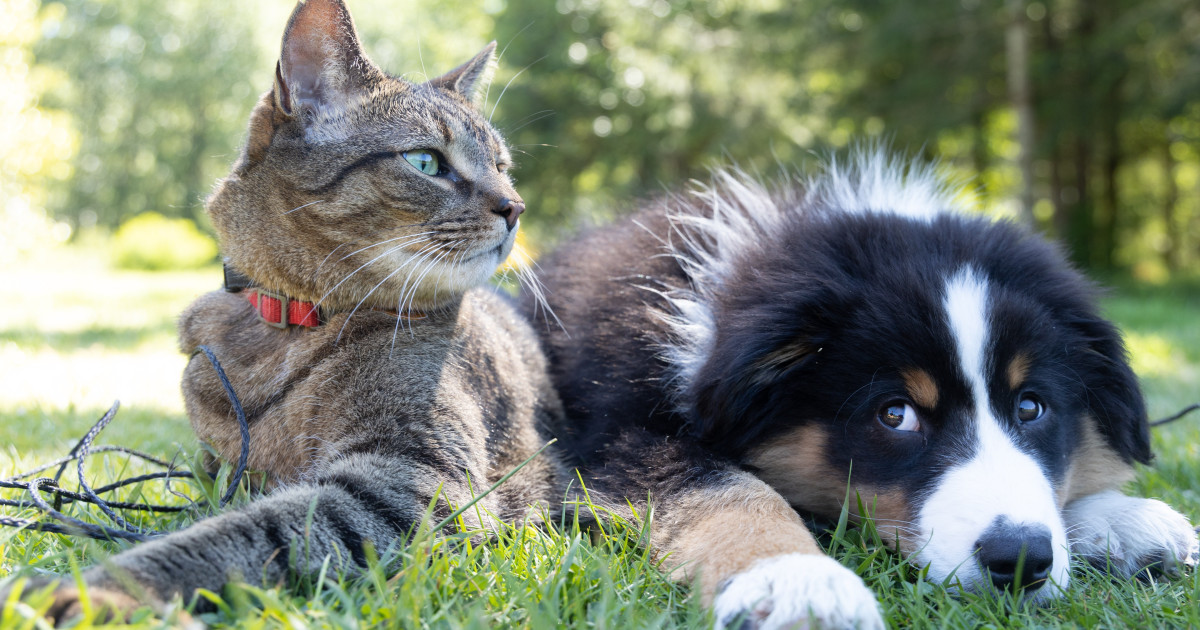
Credit: pethelpful.com
Frequently Asked Questions
Which Dog Breeds Are Most Aggressive Toward Cats?
Certain breeds like the Siberian Husky, Jack Russell Terrier, and Weimaraner often show high prey drive. This can lead to aggressive behavior toward cats. These dogs tend to chase or harm cats, making them poor choices for homes with feline pets.
Why Are Some Dog Breeds Bad For Homes With Cats?
Some breeds have strong hunting instincts and high energy levels. This can cause stress or harm to cats living with them. Dogs with a strong prey drive may see cats as targets, leading to unsafe interactions and potential injuries.
How Can I Safely Introduce Dogs And Cats?
Start by keeping them separated and using scent swapping. Gradually allow supervised meetings with leashes for control. Patience and positive reinforcement help build trust and reduce stress between pets, ensuring a peaceful coexistence.
Are Small Dog Breeds Better With Cats?
Not always. Some small breeds, like terriers, have strong hunting instincts. Size doesn’t guarantee compatibility. Behavior and temperament matter more than size when choosing a dog for a home with cats.
Conclusion
Choosing the right dog breed matters for homes with cats. Some dogs may not get along well with feline friends. Knowing which breeds can cause trouble helps keep peace. Always watch pets closely when introducing new animals. Training and patience can improve many situations.
Prioritize safety and comfort for all your pets. A calm, friendly environment helps cats and dogs live happily.
