

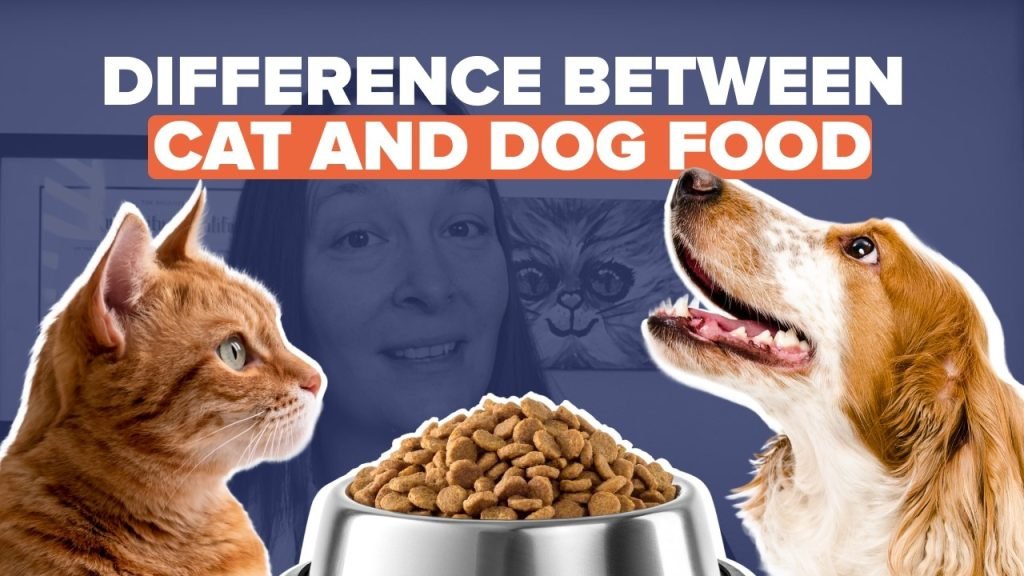
Have you ever caught your cat sneaking a bite of your dog’s food and wondered, “Will cats eat dog food?” It might seem harmless, but what your furry friend munches on can affect their health in surprising ways. If you want to keep your cat happy and healthy, understanding the difference between cat and dog food is crucial.
Keep reading to discover why your cat’s diet matters and what you should do if they’re tempted by that bowl meant for your dog.
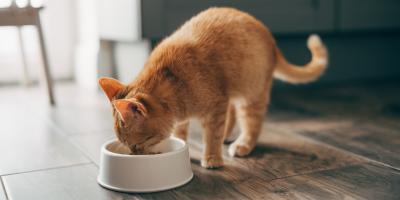
Credit: www.purina.com
Cats And Dog Food Basics
Understanding the basics of cats and dog food helps you make better choices for your pets. Cats and dogs have different dietary needs, which means their food is formulated differently. Knowing these differences keeps your cat healthy and prevents nutritional gaps.
Nutritional Needs Of Cats
Cats are obligate carnivores, which means they need meat to survive. Their bodies require specific nutrients like taurine, arachidonic acid, and vitamin A, which are found naturally in animal tissues. Unlike dogs, cats cannot produce these nutrients on their own, so their diet must include them.
Protein is a major part of a cat’s diet. Cats need more protein than dogs to maintain muscle and energy levels. This is why cat food contains higher protein percentages compared to dog food.
Key Differences In Diet
Dog food and cat food differ in several important ways that affect your pet’s health. Dog food usually contains less protein and more carbohydrates, as dogs can digest plant-based ingredients better than cats can.
- Cat food has added taurine, essential for heart and eye health.
- Fat levels in cat food are higher to meet their energy needs.
- Vitamins like A and D are already present in cat food, while dogs can convert precursors from plants.
Have you ever noticed your cat sniffing or even eating dog food? While it might seem harmless, feeding your cat dog food regularly can lead to nutritional deficiencies. It’s important to recognize these differences to keep your furry friend thriving.
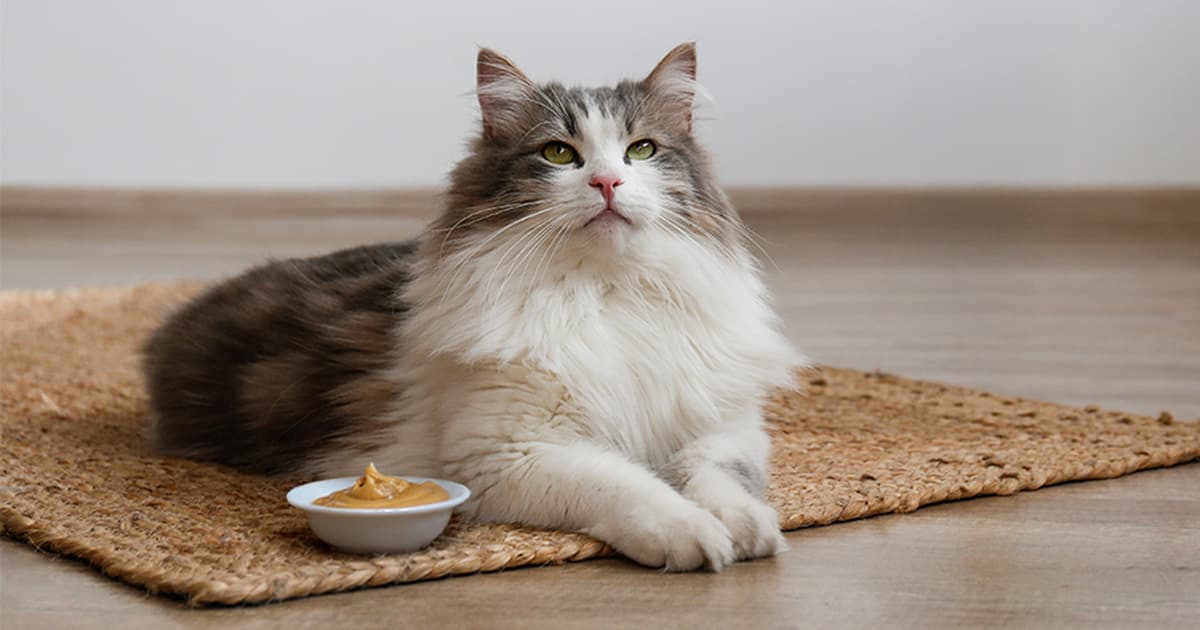
Credit: www.diamondpet.com
Why Cats Might Eat Dog Food
Understanding why cats might eat dog food can help you manage their diet better and avoid nutritional gaps. Cats are curious by nature, and their eating habits can surprise you. Sometimes, the reasons behind this behavior are simple and easy to address once you recognize them.
Curiosity And Taste Preferences
Cats are naturally curious creatures. They often explore new smells and tastes, especially if your dog’s food has a strong aroma. This can tempt them to sample it, even if it’s not ideal for their diet.
Sometimes, the texture or flavor of dog food can appeal to cats. If your cat seems bored with their own food, they might find dog food more interesting or tasty. Have you noticed your cat sniffing or licking the dog’s bowl when you’re not looking?
Lack Of Available Cat Food
If your cat’s food bowl is empty or the food is hard to reach, they might turn to dog food out of necessity. Cats need consistent access to their own food to maintain proper nutrition.
Think about times when you’ve been busy and forgot to refill their bowl. That small oversight might push your cat to try dog food. Ensuring a steady supply of cat food can prevent this behavior and keep your pet healthy.
Health Risks Of Cats Eating Dog Food
Allowing your cat to eat dog food might seem harmless at first, but it can lead to serious health problems over time. Cats have very specific dietary needs that dog food simply doesn’t meet. Understanding the health risks can help you make better choices for your pet’s well-being.
Nutritional Deficiencies
Cats require high levels of protein and certain nutrients like taurine, which are often missing or insufficient in dog food. Without enough taurine, cats can develop heart problems and vision loss.
Dog food also tends to have lower amounts of vitamin A and arachidonic acid, both essential for cats. Feeding your cat dog food regularly could cause nutrient gaps that lead to lethargy, poor coat condition, and weakened immunity.
Have you ever noticed your cat’s energy drop or coat dull after a diet change? That might be a sign of nutritional deficiency caused by inappropriate food.
Potential Allergies And Digestive Issues
Cats may react badly to ingredients in dog food that they are not used to. Some proteins or additives common in dog food can trigger allergies or upset stomachs in sensitive cats.
Digestive problems like vomiting, diarrhea, or constipation can arise if your cat eats dog food regularly. Their digestive system is designed to handle a different balance of fats and proteins than what dog food provides.
If your cat shows signs of discomfort after eating dog food, it’s a clear signal to stop and consult your vet. Can you imagine the stress your pet feels from a digestive upset that could have been prevented?
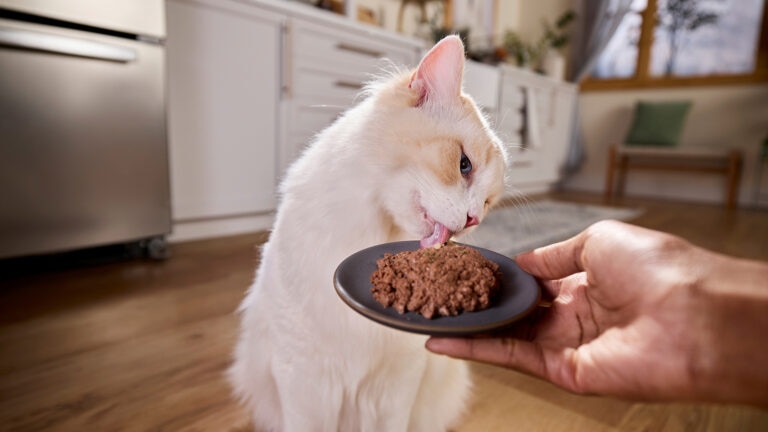
Credit: www.chewy.com
When Dog Food Can Be Harmful
Dog food might seem like a convenient snack for your cat, but it can actually cause harm if fed regularly. Cats and dogs have very different nutritional needs, and what’s safe for one can be risky for the other. Understanding when dog food can be harmful helps you protect your cat’s health and wellbeing.
Long-term Effects
Dog food lacks essential nutrients that cats need, such as taurine, arachidonic acid, and vitamin A. Over time, a diet heavy in dog food can lead to serious deficiencies. These nutrient gaps can cause heart problems, vision loss, and skin issues in your cat.
I once had a friend whose cat showed gradual weight loss and lethargy after sneaking dog food daily. The vet discovered taurine deficiency, a condition preventable by feeding proper cat food. This highlights why even occasional dog food treats should be controlled.
Signs Of Illness To Watch For
If your cat nibbles on dog food, watch closely for digestive upset like vomiting or diarrhea. Other signs include:
- Loss of appetite
- Unusual tiredness
- Difficulty breathing
- Changes in coat texture or color
Noticing these symptoms early can save your cat from long-term damage. Have you ever caught your cat sneaking dog food? What signs did you notice afterward?
Safe Feeding Practices
Safe feeding practices keep cats healthy and prevent digestive issues. Cats have unique nutritional needs that differ from dogs. Feeding them the right food supports their well-being and energy levels. Avoiding dog food helps prevent nutrient imbalances and health problems. Here are key tips for safe feeding.
Choosing The Right Food For Cats
Select cat food made specifically for felines. Cat food contains higher protein and essential nutrients. Look for labels that say “complete and balanced” for cats. Wet food helps with hydration, especially for cats that drink little water. Dry food can support dental health but should be fed with water available. Avoid dog food or homemade diets without vet advice.
Preventing Access To Dog Food
Keep dog food out of reach of cats. Use separate feeding areas for each pet. Feeding dogs and cats at different times reduces food stealing. Store dog food in sealed containers to block cat access. Teach pets to eat only their food with consistent training. Monitor pets during meal times to prevent mixing food.
Alternatives And Solutions
Finding the right food for cats is important for their health. Cats need special nutrients that dog food may not provide. Offering alternatives and solutions helps keep cats healthy and happy. Proper feeding also prevents them from eating dog food out of curiosity or hunger.
Transitioning Cats To Proper Diets
Switching cats to the right food needs patience. Start by mixing a small amount of cat food into their current meals. Gradually increase the cat food and reduce other types. This change should take about a week to avoid stomach upset.
Offer wet or dry cat food that suits their age and health. Cats prefer foods rich in protein and taurine, which dog food lacks. Always provide fresh water alongside their meals.
Handling Multi-pet Feeding Challenges
Feeding cats and dogs in one home can be tricky. Dogs often eat cat food quickly because it tastes different and richer. Cats may also eat dog food if left out.
- Feed pets in separate rooms or areas.
- Use timed feeders to control meal times.
- Watch pets during feeding to stop food stealing.
- Train dogs to avoid cat food using commands.
Keeping food separate reduces conflicts and ensures each pet gets the nutrients they need. This approach helps maintain peace and health in a multi-pet household.
Frequently Asked Questions
Can Cats Safely Eat Dog Food Occasionally?
Cats can eat dog food occasionally but it lacks essential nutrients. Dog food doesn’t meet cats’ dietary needs. Regular feeding can cause nutrient deficiencies and health issues.
Why Do Cats Prefer Dog Food Sometimes?
Cats might like dog food due to its smell or taste. However, dog food lacks taurine, vital for cats. Occasional tasting is normal, but not recommended regularly.
What Happens If Cats Eat Dog Food Daily?
Daily consumption of dog food can cause malnutrition in cats. Dog food misses key nutrients like taurine and arachidonic acid. This may lead to serious health problems over time.
How Is Cat Food Different From Dog Food?
Cat food contains higher protein and essential nutrients like taurine. Dog food is lower in protein and lacks some vitamins cats need. Cats require specific nutrients for their unique metabolism.
Conclusion
Cats may eat dog food occasionally, but it is not ideal. Dog food lacks nutrients cats need to stay healthy. Feeding cats dog food often can cause health problems. Always provide food made specially for cats. Watch your pets closely to avoid mix-ups.
Keeping pets on their proper diet helps them live longer. Remember, their health depends on the right nutrition every day. Simple care keeps your cat happy and strong. Choose the right food for your furry friends.
