

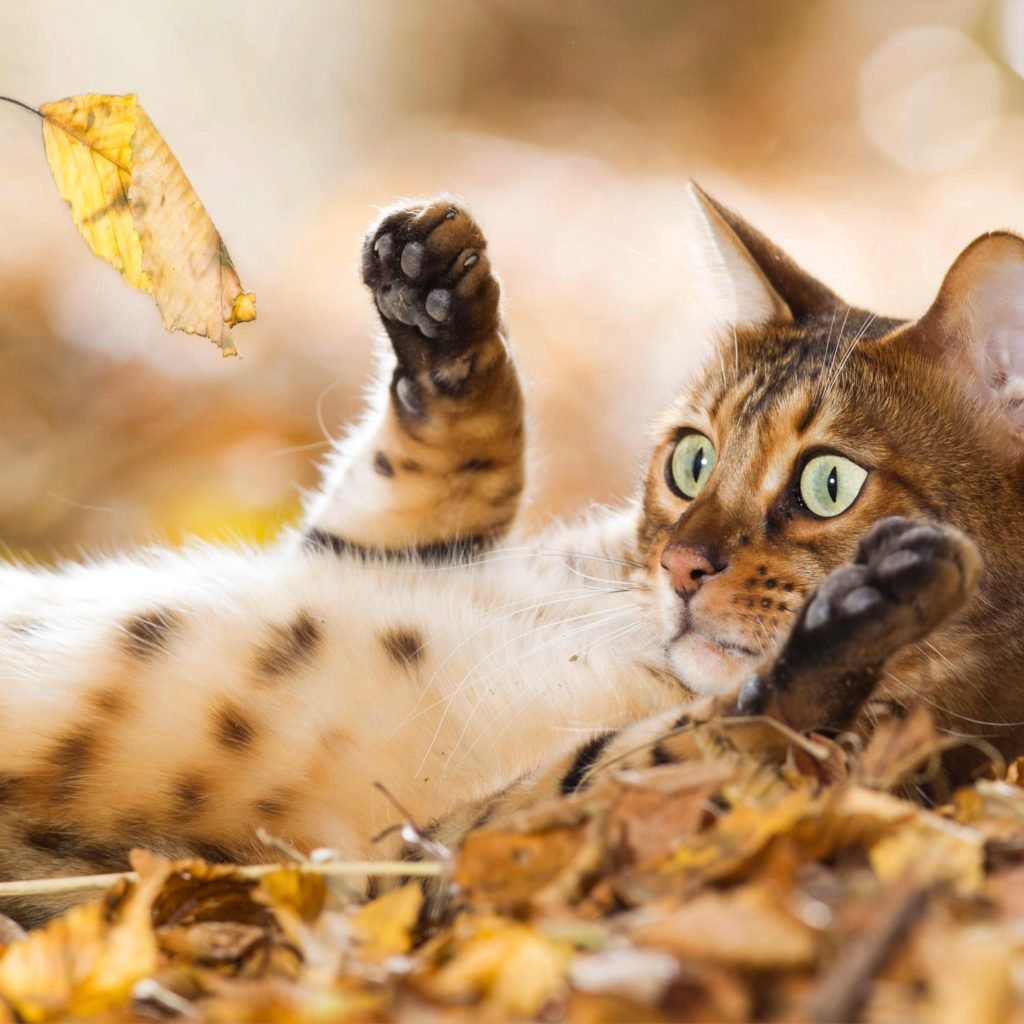
Have you ever wondered what it’s like to have a pet that looks wild but behaves like a loving companion? Wild domestic cat breeds offer the perfect mix of exotic beauty and friendly nature.
If you’re curious about cats that bring a touch of the wild into your home, this article is just for you. Discover which breeds stand out with their stunning looks and unique personalities. Keep reading, and you might find your next unforgettable feline friend.
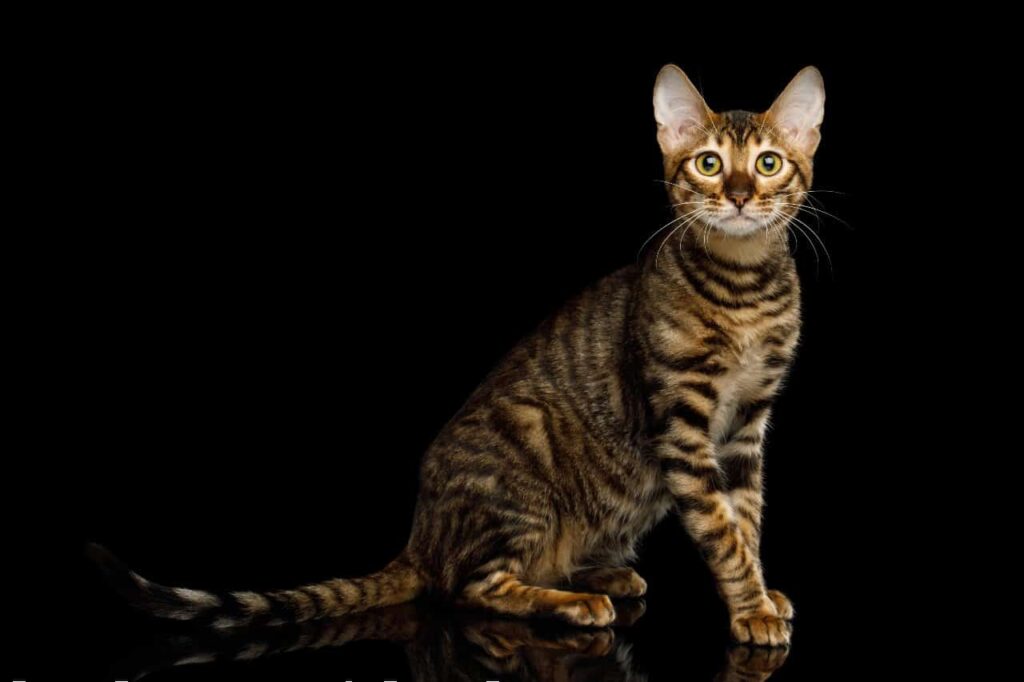
Credit: rawznaturalpetfood.com
Exotic Origins
Wild domestic cat breeds carry a fascinating blend of untamed heritage and domestic charm. Their exotic origins tell stories of nature’s raw beauty meeting human curiosity. Understanding where these cats come from helps you appreciate their unique traits beyond just their striking looks.
Wild Ancestors
Many exotic domestic cat breeds trace their lineage back to wild cats that roamed forests, deserts, and jungles. These ancestors passed down traits like agility, keen hunting instincts, and striking patterns. For instance, the Bengal cat descends from the Asian leopard cat, known for its bold rosettes and wild temperament.
Knowing your cat’s wild roots can help you understand its behavior better. You might notice bursts of energy or a strong desire to climb and explore, reflecting instincts inherited from their wild forebears. Have you ever wondered why some cats have a more adventurous spirit than others?
Geographic Roots
The places where wild domestic cat breeds originated shape their looks and personalities. The Egyptian Mau, for example, hails from North Africa, adapted to hot climates with its short, spotted coat. Meanwhile, the Savannah cat traces back to the African serval, known for its tall stature and long legs.
These geographic roots influence not just appearance but also their care needs. Cats from warmer regions often prefer cooler spots and may have different grooming habits. Paying attention to your cat’s background can guide you in creating a comfortable environment tailored to its natural preferences.
Popular Wild-looking Breeds
Wild domestic cat breeds captivate many with their striking, exotic looks. These cats bring the allure of the jungle right into your home, combining wild beauty with the charm of a loving pet. If you want a cat that stands out, these popular wild-looking breeds might be just what you need.
Bengal Cats
Bengal cats are famous for their bold, leopard-like spots and sleek, muscular bodies. They are energetic and playful, often enjoying games that challenge their agility and intelligence.
Owning a Bengal means you get a pet that loves interaction and thrives on attention. Have you ever watched a Bengal leap and twist mid-air? It’s a reminder of their wild heritage, but they also appreciate quiet cuddle time.
Savannah Cats
Savannah cats combine the traits of domestic cats and the wild African serval. Their tall, lean build and large ears give them a striking, exotic appearance that turns heads everywhere.
This breed is known for loyalty and curiosity, often following their owners around like a dog. If you want a cat that’s both wild-looking and deeply interactive, the Savannah might be your perfect match.
Chausie Cats
Chausie cats come from crossing domestic cats with the wild jungle cat, giving them a sleek, athletic look with a short coat and expressive eyes. Their energy levels are high, and they require lots of playtime to stay happy.
Many owners note how Chausies are incredibly social and can even learn to walk on a leash. Could your lifestyle accommodate a cat that’s always on the move and eager to explore?
Physical Traits
Physical traits define the unique charm of wild domestic cat breeds. These traits influence not only their appearance but also how they interact with their environment and humans. Paying attention to these details can help you appreciate the subtle differences that make each breed stand out.
Coat Patterns
The coat patterns of wild domestic cats often mimic those of their wild ancestors, giving them a striking look. You might notice spots, rosettes, or stripes that resemble those on leopards or ocelots. These patterns aren’t just beautiful—they serve as camouflage in natural settings.
Some breeds like the Bengal cat showcase bold rosettes, while others like the Ocicat display more uniform spots. Have you ever wondered why these patterns vary so much? It’s all about genetics and the breed’s history.
Body Structure
Wild domestic cats tend to have lean, muscular bodies built for agility. Their structure often includes longer legs and a sleek frame, allowing them to climb, jump, and sprint with ease. This athletic build reflects their wild heritage and energetic nature.
Take the Savannah cat, for example—it has a tall, slender body that looks almost wild. This physique isn’t just for show; it helps them move swiftly and with precision. Can your cat jump as high or run as fast as these breeds?
Eye Colors
Eye colors in wild domestic cats can be captivating and diverse. Shades range from bright greens and golds to deep ambers, often with an intense, alert expression. These colors enhance their wild appearance and sometimes vary even within the same breed.
Have you noticed how a cat’s eye color can change with lighting or mood? This subtle shift adds to their mysterious aura. Paying attention to your cat’s eyes can reveal a lot about its personality and health.

Credit: www.aol.com
Behavioral Characteristics
Wild domestic cat breeds show unique behaviors that set them apart. Understanding their traits helps owners care for them better. These cats balance wild instincts with domestic life. Their behavior reflects adaptability and natural instincts. Observe these traits to appreciate their nature fully.
Activity Levels
Wild domestic cats tend to be very active. They enjoy climbing, running, and exploring spaces. These cats need plenty of play and exercise. Their energy helps keep them healthy and happy. Short bursts of activity are common throughout the day.
Social Traits
Social behavior varies among wild domestic cat breeds. Some are more independent and prefer solitude. Others enjoy interaction with humans and other pets. These cats often show cautious curiosity around strangers. Early socialization can improve their friendliness and trust.
Intelligence
Wild domestic cats are highly intelligent animals. They learn quickly from their environment and experiences. Problem-solving skills help them navigate challenges at home. These cats often use clever tactics to get food or attention. Mental stimulation is important to keep them engaged.
Care And Maintenance
Caring for wild domestic cat breeds demands attention to their unique needs. These cats often retain traits from their wild ancestors, which means standard cat care doesn’t always apply. Understanding their specific dietary, grooming, and health requirements can make a huge difference in their well-being and happiness.
Dietary Needs
Wild domestic cats have a natural diet rich in protein, mainly from meat sources. You should focus on high-quality wet or raw food that mimics what they would hunt in the wild. Avoid fillers like grains and corn that can upset their digestive system.
Think about adding small amounts of organ meats like liver or heart to provide essential nutrients. You might notice your cat prefers fresh food over dry kibble, which is common for breeds with wild ancestry. Have you checked the ingredients on your cat’s food label recently?
Grooming Tips
Although wild domestic cats groom themselves, they still benefit from your help. Regular brushing prevents hairballs and keeps their coat shiny, especially for breeds with thick or dense fur. Use a brush suited to your cat’s coat length and texture.
Pay attention to their claws as well. These cats often need regular nail trimming since they may not scratch as much indoors. You can also check their ears and eyes frequently to spot any dirt or infection early.
Health Concerns
Wild domestic cat breeds can be prone to certain health issues like hypertrophic cardiomyopathy (HCM) or joint problems due to their active nature. Regular vet visits are crucial to catch any signs early. You should keep a close eye on their activity levels and appetite for subtle changes.
Vaccinations and parasite prevention are equally important since these cats may have a stronger immune response but are still vulnerable. Have you ever noticed your cat hiding or acting unusually after outdoor exposure? That could signal health trouble needing prompt attention.
Choosing The Right Breed
Choosing the right wild domestic cat breed is more than picking a beautiful coat or striking eyes. It’s about fitting that breed into your life smoothly and happily. Each breed has unique traits that can either complement or challenge your daily routine, space, and existing pets.
Lifestyle Match
Consider how much time you spend at home. Some wild breeds, like the Bengal, demand lots of interaction and mental stimulation. Others, such as the Savannah, may enjoy bursts of activity but appreciate downtime too.
Ask yourself: Do you want a cat that thrives on play and attention, or one that’s more independent? Your energy level and availability should guide your choice. Remember, a mismatch here could lead to frustration for both you and your cat.
Space Requirements
Wild domestic cats often need more room than typical house cats. They love climbing, exploring, and sometimes running at full speed. A cramped apartment might stress them out quickly.
Think about your living situation. Do you have vertical spaces like tall shelves or cat trees? Outdoor access or a secure enclosure can also make a big difference. These elements help your cat stay active and healthy.
Compatibility With Other Pets
Not all wild domestic breeds get along well with other animals. Some have strong hunting instincts that can unsettle smaller pets. Others might be territorial or shy around unfamiliar animals.
Observe how your current pets behave around new animals. Introducing a breed that fits well with your furry family can prevent conflicts and stress. Would your other pets enjoy a playful buddy, or do they prefer solitude?
Breeding And Ethics
Breeding wild domestic cat breeds raises important questions about ethics and responsibility. These cats carry unique traits from their wild ancestors, making them fascinating but also challenging to care for and breed. Understanding the ethical considerations helps you make informed choices that respect both the animals and the environment.
Responsible Breeding Practices
Breeding wild domestic cat breeds demands strict attention to health and temperament. Responsible breeders prioritize the well-being of the cats over appearance or novelty. They perform health screenings to avoid passing genetic issues and ensure that the cats are socialized properly to adapt to home life.
Have you ever considered how breeding choices affect a cat’s behavior and health down the line? Ethical breeders refuse to rush litters or breed cats with aggressive traits. This careful approach helps maintain a stable and loving pet, not just an exotic-looking animal.
Conservation Impact
The wild traits in these domestic cats remind us of their natural roots. Breeding programs can unintentionally affect wild populations if not handled carefully. Removing wild cats from their habitats or encouraging demand for exotic pets risks harming conservation efforts.
Think about the bigger picture: does owning a wild domestic breed support or hurt wildlife preservation? Some breeders work alongside conservationists to ensure their practices do not threaten natural populations. You can support this balance by choosing breeders who openly discuss their conservation policies.
Legal Considerations
Laws around owning and breeding wild domestic cat breeds vary widely depending on where you live. Some regions restrict or ban ownership of hybrid cats due to safety and ecological concerns. Before deciding to bring one into your home, check local regulations carefully.
Ignoring legal boundaries can lead to fines or the loss of your pet. Have you researched the specific laws that apply to your area? Understanding these rules protects you, your cat, and the community, ensuring a smooth experience for everyone involved.

Credit: www.hindustantimes.com
Frequently Asked Questions
What Are Wild Domestic Cat Breeds?
Wild domestic cat breeds are hybrid cats bred from wild and domestic ancestors. They exhibit wild traits but adapt to home life well. These breeds often have unique looks and energetic personalities, combining wild beauty with domestic affection.
How Do Wild Cat Breeds Differ From Regular Cats?
Wild cat breeds have wild ancestry, influencing their appearance and behavior. They tend to be more active, intelligent, and sometimes shy. Unlike regular cats, they require more stimulation and space but can be loving companions with proper care.
Are Wild Domestic Cats Good Pets For Families?
Yes, with the right environment, wild domestic cats can be good family pets. They need interaction, exercise, and mental challenges. Families with experience in active cats usually enjoy them, but they may not suit first-time or very young pet owners.
What Care Do Wild Domestic Cat Breeds Need?
Wild domestic cats need plenty of physical and mental stimulation daily. They require spacious homes, interactive toys, and social interaction. Regular vet care and a balanced diet ensure they stay healthy and happy. Early socialization is key for good behavior.
Conclusion
Wild domestic cat breeds show nature’s wild side at home. They bring unique looks and lively traits to pet life. These cats need care and respect like any pet. Knowing their needs helps keep them happy and healthy. Choosing a wild breed means loving their strong spirit and charm.
Enjoy the excitement and beauty these cats offer every day. Wild domestic cats make homes full of life and wonder.
