

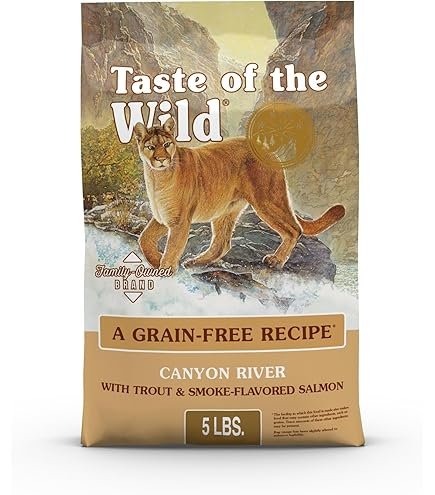
Are you looking to give your wild cat the best nutrition possible? Choosing the right wild cat food can be confusing, with so many options and ingredients out there.
But what if you could easily find the perfect food that keeps your wild cat healthy, strong, and full of energy? You’ll discover simple tips and key facts that will help you make smart choices for your feline friend. Keep reading to unlock the secrets to feeding your wild cat the way nature intended.
Nutritional Needs Of Wild Cats
Wild cats have very specific nutritional needs that keep them agile, strong, and healthy in their natural habitats. Understanding these needs can help you appreciate why their diet is so carefully balanced. Have you ever wondered what exactly fuels their stealth and strength?
Essential Nutrients For Feline Health
Wild cats require a diet rich in certain nutrients to maintain their health. Key nutrients include high-quality proteins, fats, vitamins, and minerals. These elements support everything from muscle development to immune function.
Unlike many animals, wild cats cannot digest carbohydrates efficiently, so their diet is naturally low in carbs. Instead, their meals focus on animal-based ingredients that provide the right balance of nutrients for their bodies.
Protein Sources In The Wild
Protein is the cornerstone of a wild cat’s diet. They hunt various prey such as birds, rodents, and small mammals to meet their protein needs. These prey animals supply not only protein but also vital nutrients found in muscle, organs, and bones.
Eating the whole prey is important because it delivers a complete nutrient package. Have you noticed how wild cats rarely eat just the meat? They consume skin, bones, and organs, which provide calcium, phosphorus, and other essential nutrients.
Importance Of Taurine And Fatty Acids
Taurine is an amino acid critical for wild cats, as they cannot produce enough of it on their own. Without sufficient taurine, vision problems and heart issues can develop quickly. This explains why wild cats consume organ meats, which are rich in taurine.
Fatty acids, especially omega-3s, also play a big role in keeping their skin, coat, and brain healthy. These fats come from the prey’s fat stores and are vital for energy and cell function. If you care for wild or domestic cats, ensuring these nutrients are part of their diet is key to their wellbeing.

Credit: www.amazon.com
Types Of Wild Cat Food
Wild cats need a diet that suits their natural hunting skills and digestive systems. Their food types vary widely, reflecting their wild habitat and nutritional needs. Understanding these options helps provide balanced meals that keep wild cats healthy and active.
Raw Diet Options
Raw diets closely mimic what wild cats eat in nature. This includes fresh meats, organs, and bones. These meals provide essential proteins and nutrients naturally found in prey. Common raw foods include:
- Raw chicken or rabbit
- Organ meats like liver and kidney
- Whole prey or ground meat mixed with bone
Raw diets support strong muscles and healthy teeth. They require careful preparation to avoid bacteria and ensure proper nutrition.
Commercially Prepared Foods
Commercial foods offer convenience and balanced nutrition. These products come as dry kibble or canned wet food. They are designed to meet wild cats’ dietary needs with added vitamins and minerals. Key points about commercial foods:
- Formulated to support health and energy
- Easy to store and serve
- Available in various flavors and textures
Choosing high-quality brands ensures better ingredients and fewer fillers.
Homemade Meal Preparations
Homemade meals allow control over ingredients and freshness. These meals combine cooked meats, vegetables, and supplements. They can be tailored to individual cat needs or preferences. Tips for homemade food:
- Include protein sources like beef or turkey
- Add small amounts of safe vegetables
- Use supplements for vitamins and minerals
Consulting a vet helps create balanced recipes and avoid nutritional gaps.
Choosing The Best Food For Your Wild Cat
Choosing the best food for your wild cat is important for its health and energy. Wild cats have special dietary needs that differ from domestic cats. Their food should support strong muscles, sharp senses, and overall vitality. Careful selection helps keep your wild cat active and healthy in its natural environment.
Evaluating Ingredient Quality
High-quality ingredients are crucial for wild cat food. Look for real meat sources like chicken, fish, or beef. Avoid fillers such as corn, wheat, or soy. These add little nutrition and can cause allergies. Fresh, natural ingredients provide the vitamins and minerals wild cats need.
Balancing Macronutrients
Wild cats require a balanced mix of protein, fat, and carbohydrates. Protein should be the main component to support muscle growth. Healthy fats give energy and help maintain a shiny coat. Carbohydrates should be limited, as wild cats eat mostly meat. Proper balance keeps your wild cat strong and full of energy.
Avoiding Harmful Additives
Harmful additives can damage your wild cat’s health over time. Avoid artificial colors, flavors, and preservatives. These chemicals may cause digestive issues or allergic reactions. Choose foods with natural preservatives like vitamin E or rosemary extract. Keeping food clean and simple supports your wild cat’s well-being.
Feeding Practices And Schedules
Feeding wild cats requires careful attention to their natural habits and needs. Their diet varies with seasons, activity, and availability of prey. Proper feeding practices help maintain their health and energy. Understanding their feeding schedules supports their well-being in the wild.
Meal Frequency And Portion Control
Wild cats eat several small meals daily. This pattern mimics hunting and eating small prey. Large meals can cause health issues. Smaller portions spread out keep their metabolism steady. It is important to balance food quantity with their size and age. Young cats need more frequent meals. Adults eat less often but require enough food to sustain energy.
Adapting Feeding To Activity Levels
Activity influences how much food a wild cat needs. During active periods like hunting or mating, they burn more energy. Their food intake should increase accordingly. In rest or colder seasons, cats eat less. Feeding should match their lifestyle to avoid obesity or malnutrition. Observing their behavior helps adjust meals correctly.
Hydration And Water Sources
Water is vital for wild cats. They get water from prey and natural sources. Streams, rainwater, and dew are common sources. Providing clean water supports health and digestion. Dehydration leads to serious problems. Monitoring water availability ensures cats stay hydrated. In dry areas, additional water sources may be necessary.
Common Dietary Challenges
Feeding wild cats the right food is not always simple. They face many dietary challenges that affect their health and energy. These challenges need careful attention. Understanding common problems helps in providing better care and nutrition.
Food Allergies And Sensitivities
Wild cats can develop allergies to certain foods. Common allergens include beef, dairy, and grains. Signs include itching, digestive upset, and hair loss. Identifying the allergen is crucial to avoid it in their diet. Using limited ingredient diets can help reduce allergic reactions.
Managing Weight And Obesity
Obesity is a frequent problem in wild cats under human care. Overfeeding and lack of exercise cause weight gain. Excess weight leads to joint problems and heart disease. Feeding measured portions and encouraging activity help maintain a healthy weight. Choosing low-calorie, high-protein foods supports weight control.
Addressing Nutritional Deficiencies
Wild cats may miss essential nutrients in their diet. Deficiencies can lead to weak bones, poor coat, and low energy. Providing a balanced mix of proteins, fats, and vitamins is vital. Supplements may be necessary to fill dietary gaps. Regular health checks ensure proper nutrient levels.
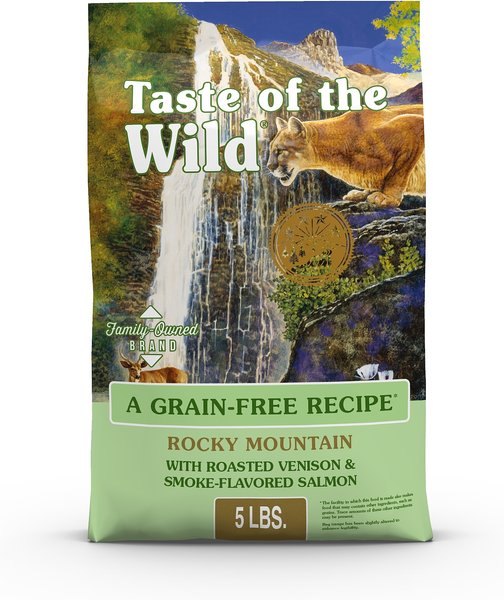
Credit: www.chewy.com
Supplements And Enhancements
Supplements and enhancements can play a crucial role in the diet of wild cats, especially when their natural food sources are limited or imbalanced. These additions can help fill nutritional gaps, support health, and boost energy levels. Understanding when and how to use supplements ensures that you provide the right support without overdoing it.
When To Use Supplements
Supplements become necessary when wild cats show signs of nutrient deficiencies, illness, or during periods of high stress like mating or illness recovery.
If you notice lethargy, dull coat, or weakened immune response, it might be time to consider adding supplements.
Also, in captivity or rehabilitation, natural food might not cover all essential vitamins and minerals.
Popular Supplements For Wild Cats
- Omega-3 Fatty Acids:These support skin health and reduce inflammation. They are often found in fish oil.
- Taurine:An essential amino acid for heart and eye health, often lacking in some diets.
- Calcium and Phosphorus:Critical for strong bones and teeth, especially in growing or pregnant cats.
- Probiotics:Help maintain healthy gut flora and improve digestion.
Adding these supplements carefully can improve your wild cat’s overall vitality and longevity.
Natural Enhancers In Diet
Instead of relying solely on pills or powders, you can boost a wild cat’s nutrition using natural enhancers.
Raw meaty bones provide calcium and encourage dental health through chewing.
Organ meats like liver are nutrient powerhouses, rich in vitamins A and B complexes.
Fresh herbs such as catnip or valerian can stimulate appetite and reduce stress.
Have you tried mixing these natural elements into your cat’s meals? It’s a simple way to enhance diet quality without artificial additives.
Brands And Products To Consider
Choosing the right wild cat food brand and product can make a big difference in your cat’s health and happiness. With so many options available, it’s important to find a product that matches your cat’s unique needs and your budget. Let’s look at some trusted brands and product types that could fit your situation.
Top-rated Wild Cat Food Brands
Some brands stand out because of their commitment to quality ingredients and balanced nutrition. Brands like Orijenand Acanaare praised for using fresh, regionally sourced meats and fish. These brands offer grain-free options and high protein content, which suit wild cats’ natural diets well.
Another popular choice is Ziwi Peak, known for air-dried formulas that preserve nutrients without artificial additives. If you want to give your cat a diet close to what they would eat in the wild, these brands are worth exploring.
Budget-friendly Options
High-quality wild cat food doesn’t always mean expensive. Brands like Blue Buffaloand Wellnessoffer affordable lines that still focus on real meat and essential nutrients. These options are great if you want good nutrition without overspending.
Look for sales, subscribe-and-save deals, or bulk purchases to stretch your budget further. Sometimes, less expensive products can surprise you with their quality, so don’t shy away from trying a few to see how your cat responds.
Specialty Diets And Formulas
Does your cat have special dietary needs? You might find formulas designed for sensitive stomachs, weight management, or specific health conditions. Brands like Hill’s Science Dietand Royal Caninoffer veterinary-recommended options tailored to these needs.
Also, consider limited ingredient diets if your cat has food allergies. These diets reduce the risk of reactions by using fewer ingredients, often focused on a single protein source. Are you aware of your cat’s unique health requirements? Picking the right specialty formula can improve their quality of life.
Credit: www.chewy.com
Frequently Asked Questions
What Is The Best Food For Wild Cats?
Wild cats thrive on a diet of small mammals, birds, and insects. A balanced mix of protein and fat is essential. They need fresh, natural prey to maintain health and energy in the wild.
How Do Wild Cats Hunt Their Food?
Wild cats use stealth, patience, and sharp senses to hunt. They stalk prey quietly and pounce quickly. Hunting skills vary by species but always focus on efficiency and survival.
Can Wild Cats Eat Commercial Cat Food?
Wild cats can eat commercial cat food in captivity. However, natural prey offers better nutrition. Commercial food lacks certain nutrients found in fresh meat and organs.
Why Is Diet Important For Wild Cat Health?
Proper diet supports wild cats’ energy, growth, and immune system. Nutritional imbalance can cause illness or weaken survival chances. Their natural diet is rich in proteins and essential nutrients.
Conclusion
Wild cat food plays a big role in their health and energy. Choosing the right food helps wild cats stay strong and active. Natural ingredients give them the nutrients they need daily. Feeding wild cats well supports their survival in nature.
Always consider their natural diet when selecting food options. Healthy wild cats lead to a balanced and thriving ecosystem. Keep their needs in mind for better care and protection. Simple choices make a big difference for wild cat health.
