

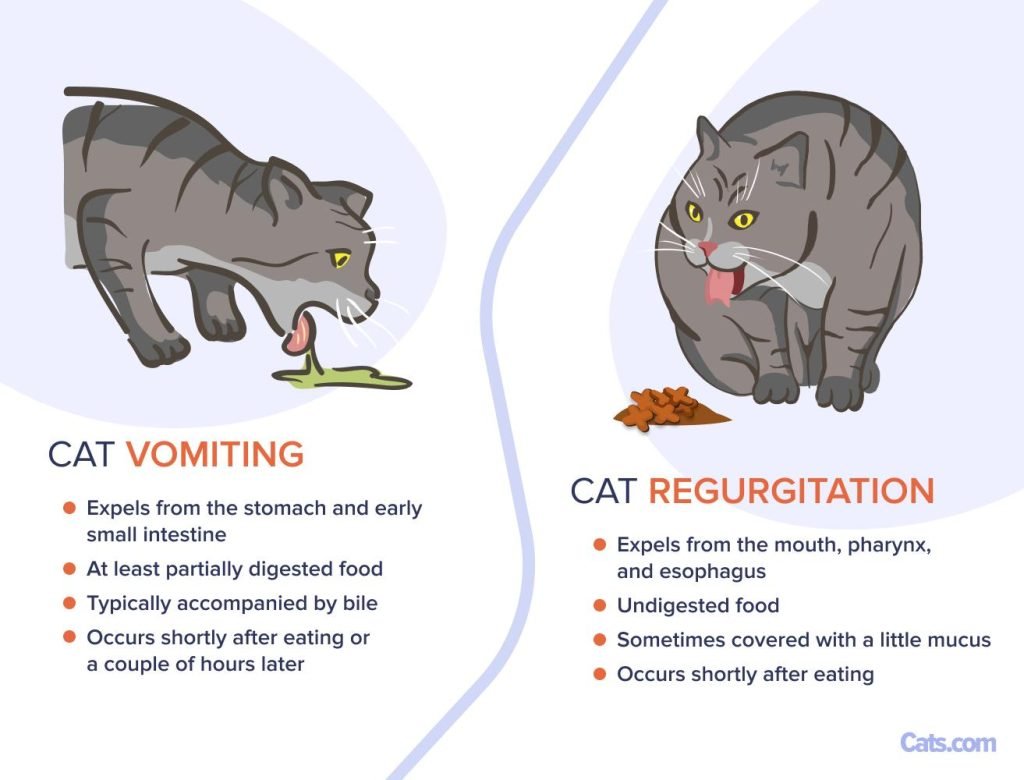
Is your cat vomiting undigested food, and you’re not sure why? It’s worrying to see your furry friend struggling like this.
You want to help, but you might feel confused or even scared about what’s going on inside their little body. Understanding the reasons behind this problem is the first step to making your cat feel better. You’ll discover the common causes, what signs to watch for, and what you can do right now to support your cat’s health.
Keep reading—your cat’s comfort and happiness depend on it.

Credit: www.youtube.com
Common Causes Of Vomiting
Vomiting in cats can be alarming. It often signals an underlying problem in their digestive system. Understanding common causes helps you act quickly and ensure your cat’s health. Vomiting of undigested food means the food leaves the stomach too soon. Several reasons can cause this condition.
Dietary Indiscretion
Cats sometimes eat things they should not. This may include plants, spoiled food, or foreign objects. Eating unusual items can upset their stomach and cause vomiting. A sudden change in diet can also lead to digestive issues.
Food Allergies
Some cats develop allergies to certain ingredients in their food. Allergic reactions can irritate the stomach lining. This irritation may cause vomiting of undigested food. Identifying and removing allergenic foods helps reduce symptoms.
Rapid Eating
Cats that eat too fast often vomit shortly after meals. Eating quickly can cause them to swallow air and food together. This leads to discomfort and regurgitation of undigested food. Feeding smaller portions slowly can prevent this problem.
Hairballs
Grooming leads to hair ingestion, which can form hairballs in the stomach. Hairballs may block or irritate the digestive tract. Cats often vomit to clear these hairballs. Regular brushing reduces hair ingestion and vomiting episodes.
Gastrointestinal Infections
Infections caused by bacteria, viruses, or parasites can upset the stomach. These infections cause inflammation and vomiting of undigested food. Treatment varies depending on the type of infection. Early veterinary care is important for recovery.
Credit: www.northroadvet.com.au
Medical Conditions Behind Vomiting
Understanding the medical conditions behind your cat vomiting undigested food can help you act quickly and get the right treatment. Vomiting is not just a simple upset stomach; it can signal deeper health issues that need attention. Let’s look at some common medical causes that might be affecting your furry friend.
Gastritis And Inflammation
Gastritis occurs when your cat’s stomach lining becomes irritated or inflamed. This can cause frequent vomiting, often bringing up food that hasn’t been digested. It might happen due to eating something bad, stress, or an allergic reaction.
If you notice your cat vomiting soon after eating, ask yourself if they’ve eaten anything unusual lately. Simple changes in diet or environmental stress can trigger this, but persistent vomiting needs a vet check.
Parasites And Worms
Parasites like roundworms or hookworms can cause your cat to vomit undigested food. These unwelcome guests disrupt digestion and irritate the stomach or intestines. You might also see other signs like weight loss or diarrhea.
Regular deworming is key, especially if your cat goes outdoors. Have you noticed your cat’s appetite changing or any sudden weight loss? These clues could point to a parasite problem.
Kidney And Liver Issues
Both kidney and liver problems can cause vomiting in cats. These organs play a crucial role in filtering toxins and digesting food properly. When they aren’t working well, your cat might vomit food that hasn’t been fully processed.
Older cats are more prone to these conditions. If your cat shows signs of lethargy or changes in drinking and urination habits, it’s worth discussing kidney or liver tests with your vet.
Pancreatitis
Pancreatitis is inflammation of the pancreas and can lead to severe digestive upset. Your cat may vomit undigested food and appear very uncomfortable. This condition often requires immediate veterinary care.
Have you noticed your cat avoiding food or showing signs of abdominal pain? Pancreatitis can progress quickly, so don’t delay in seeking help if you suspect this.
Obstructions And Foreign Bodies
Sometimes cats swallow things they shouldn’t, like toys or strings, causing blockages in their digestive tract. This can lead to vomiting of undigested food as the blockage prevents normal digestion. It’s a serious condition that needs urgent veterinary attention.
If your cat is vomiting repeatedly and seems distressed, think about whether they could have swallowed something unusual. Prompt action here can save your cat from serious complications.
When To See A Vet
Knowing when to see a vet is crucial if your cat is vomiting undigested food. While occasional vomiting might not be alarming, certain signs indicate a serious problem that needs immediate attention. Recognizing these signals early can protect your cat’s health and prevent complications.
Frequent Or Severe Vomiting
If your cat vomits more than twice in a day or the vomiting is intense, you should consult a vet. Frequent vomiting can quickly lead to dehydration and nutrient loss. Don’t wait for other symptoms to appear—persistent vomiting is a red flag.
Signs Of Dehydration
Dehydration is dangerous for cats and often accompanies vomiting. Watch for dry gums, sunken eyes, or decreased skin elasticity. If your cat is drinking less and shows these signs, a vet visit is necessary right away.
Weight Loss And Lethargy
Noticeable weight loss or unusual tiredness paired with vomiting should not be ignored. These symptoms may indicate an underlying illness affecting your cat’s ability to absorb nutrients. Your vet can perform tests to diagnose and treat the root cause effectively.
Blood Or Bile In Vomit
Seeing blood or greenish bile in your cat’s vomit signals a serious issue. It could point to infections, ulcers, or blockages that require urgent veterinary care. Don’t delay—these symptoms need professional evaluation to avoid worsening your cat’s condition.

Credit: www.youtube.com
Home Care Tips
Taking care of a cat that vomits undigested food requires patience and attention. Simple changes at home can ease the problem. These tips help support your cat’s digestion and comfort.
Adjusting Feeding Habits
Serve smaller, more frequent meals to prevent overeating. Avoid feeding your cat too fast by using slow feeders or spreading food on a flat plate. Keep feeding times consistent to help regulate digestion. Observe your cat during meals to spot any eating difficulties early.
Choosing The Right Food
Select easily digestible food with quality ingredients. Avoid rich or fatty foods that can upset the stomach. Consider wet food to increase moisture and aid digestion. Consult your vet about special diets if vomiting continues.
Hydration Strategies
Ensure fresh water is always available. Use water fountains to encourage drinking. Offer wet food or add water to dry food to boost fluid intake. Proper hydration helps digestion and reduces vomiting risk.
Managing Hairballs
Regular grooming reduces hair ingestion. Use a soft brush daily to remove loose fur. Provide hairball control treats or diets to aid passage through the digestive tract. Monitor for excessive hairballs, as they may worsen vomiting.
Veterinary Treatments
When a cat vomits undigested food, veterinary treatments are essential to find the cause and ease the problem. Vets use different methods to diagnose and treat the issue effectively. Early veterinary care can prevent serious health problems and help your cat feel better faster.
Diagnostic Tests
Veterinarians start by performing tests to understand why the cat is vomiting. These tests may include:
- Physical examination to check for signs of illness.
- Blood tests to detect infections or organ problems.
- X-rays or ultrasound to look inside the stomach and intestines.
- Endoscopy to view the digestive tract and take tissue samples.
Diagnostic tests help find issues like blockages, infections, or food allergies.
Medications And Supplements
Once the cause is known, vets prescribe medicines to stop vomiting and treat the problem. These may include:
- Anti-nausea drugs to reduce vomiting.
- Antibiotics for infections.
- Probiotics to support healthy digestion.
- Special diets or supplements to improve gut health.
Medications help your cat recover and feel comfortable again.
Surgical Options
Some conditions need surgery to fix the problem. Surgery may be required for:
- Removing blockages or foreign objects.
- Repairing damaged tissues in the digestive system.
- Removing tumors or growths causing vomiting.
Vets discuss surgery benefits and risks before proceeding.
Follow-up Care
After treatment, follow-up care ensures your cat heals well. This includes:
- Regular check-ups to monitor recovery.
- Adjusting diet and medication as needed.
- Watching for signs of return or new symptoms.
Good follow-up care helps keep your cat healthy and happy long-term.
Preventing Vomiting Episodes
Preventing vomiting episodes in cats improves their comfort and health. Consistent care reduces the chance of undigested food coming back up. Small changes in daily habits can make a big difference. Pay close attention to your cat’s environment, diet, and stress levels. These simple steps help keep vomiting under control and support digestion.
Consistent Diet Routine
Feed your cat the same type of food every day. Sudden changes upset their stomach and cause vomiting. Offer small, frequent meals instead of one large portion. This helps the stomach digest food better. Avoid giving human food or treats that may irritate the stomach.
Avoiding Toxins And Hazards
Keep your cat away from toxic plants and chemicals. Household cleaners, pesticides, and certain plants can cause vomiting. Store harmful substances out of reach. Check the home for small objects your cat might swallow. Preventing access to these hazards protects your cat’s digestive system.
Regular Parasite Control
Parasites can upset your cat’s stomach and cause vomiting. Use vet-recommended deworming treatments regularly. Keep your cat’s living area clean to reduce parasite risk. Monitor for signs like diarrhea or weight loss. Parasite control supports overall digestive health and comfort.
Stress Reduction Techniques
Stress affects your cat’s digestion and can trigger vomiting. Create a calm, safe space for your cat to relax. Use gentle play and regular routines to reduce anxiety. Avoid loud noises and sudden changes in the environment. A peaceful cat is less likely to vomit undigested food.
Frequently Asked Questions
Why Is My Cat Vomiting Undigested Food?
Cats may vomit undigested food due to rapid eating, digestive issues, or infections. It can also indicate food allergies or gastrointestinal blockages. Observing your cat’s behavior and consulting a vet is crucial for proper diagnosis and treatment.
How Often Should Cats Vomit Undigested Food?
Occasional vomiting can be normal, but frequent vomiting (more than once a week) needs veterinary attention. Persistent vomiting may signal underlying health problems like infections, parasites, or dietary intolerance requiring immediate care.
Can Food Allergies Cause Cat Vomiting?
Yes, food allergies or intolerances often cause vomiting in cats. Common allergens include beef, dairy, or fish. Switching to a hypoallergenic diet under vet guidance can reduce symptoms and improve your cat’s digestion and health.
When To See A Vet For Cat Vomiting?
Seek veterinary help if vomiting occurs repeatedly, is accompanied by lethargy, diarrhea, weight loss, or dehydration. Early diagnosis prevents complications and ensures effective treatment for your cat’s health and comfort.
Conclusion
Vomiting undigested food in cats can signal various health issues. Pay close attention to your cat’s eating habits and behavior. Regular vet visits help catch problems early. Keep your cat’s diet simple and consistent. Small, frequent meals may reduce vomiting.
Always provide fresh water to support digestion. Never ignore repeated vomiting; it needs care. Understanding your cat’s health keeps them happy. Act quickly to ensure your cat feels well. Your care makes all the difference.
