

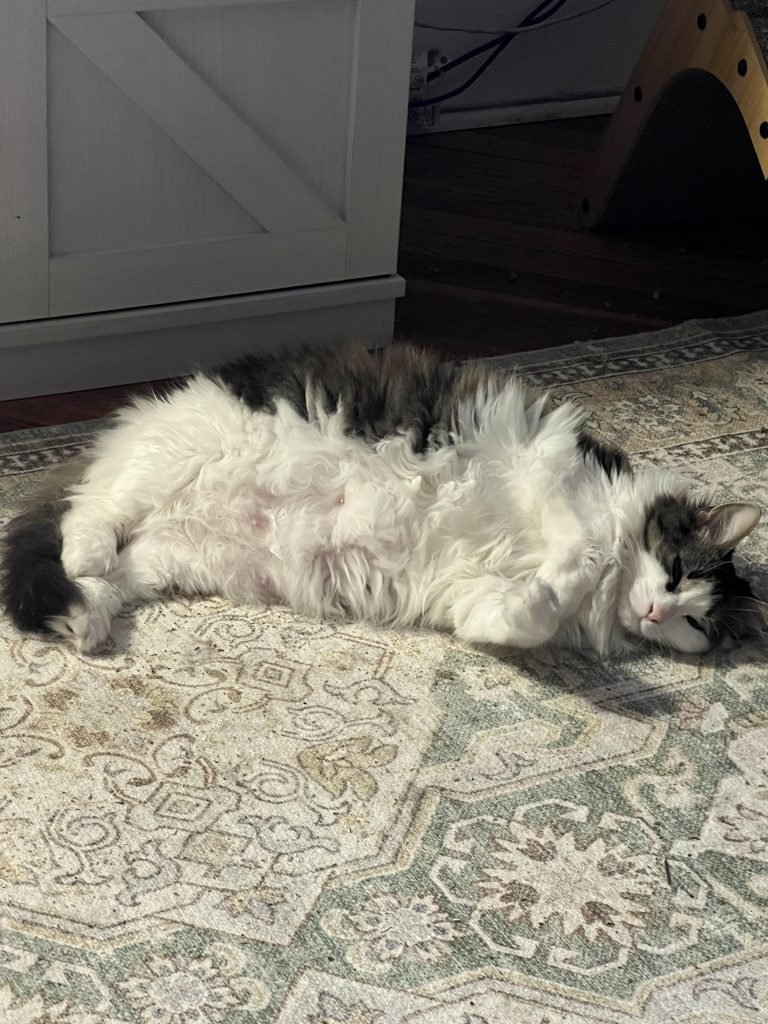
Have you noticed your cat spending more time licking and grooming than usual? It might seem like a harmless habit, but over grooming can be a sign that something is wrong.
You might be wondering, “Why is my cat over grooming? ” Understanding the reasons behind this behavior is key to helping your furry friend feel better. You’ll discover the common causes, what to watch out for, and how you can support your cat’s health and happiness.
Keep reading to learn how to spot the signs and take the right steps before the problem gets worse.
Signs Of Over Grooming
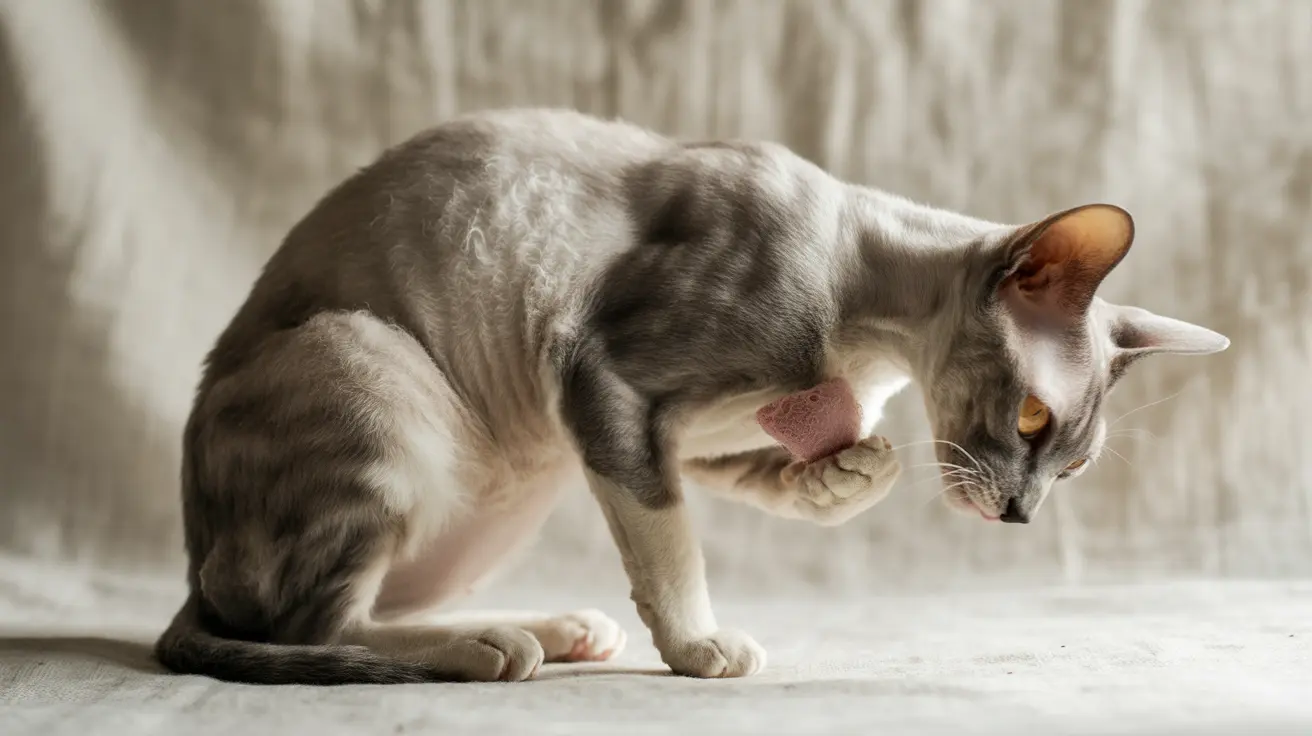
Over grooming in cats shows through visible signs on their body and behavior. These signs help identify if your cat is grooming too much. Spotting these early can prevent bigger problems. Watch your cat closely for changes in their coat and actions.
Common Symptoms To Watch
- Bald patches or thinning fur on the skin
- Red, irritated, or raw skin from constant licking
- Scabs or sores where the cat grooms excessively
- Hairballs that seem more frequent than usual
- Uneven fur texture or broken hairs
Behavioral Changes In Cats
- Restlessness or pacing without clear reason
- Excessive licking or biting focused on one spot
- Withdrawal from family members or usual activities
- Increased scratching beyond normal grooming
- Signs of stress such as hiding or vocalizing more
Credit: www.petscare.com
Physical Causes
Physical causes often trigger a cat’s over grooming behavior. These causes make your cat feel uncomfortable or itchy. Over grooming becomes a way to soothe pain or irritation. Understanding these physical reasons helps in finding the right solution for your pet.
Skin Allergies And Irritations
Skin allergies cause redness and itchiness. Cats may react to food, dust, or pollen. Chemicals in cleaning products can also irritate their skin. This discomfort leads to excessive licking or scratching. Constant irritation damages the skin, making it worse.
Parasites And Infections
Fleas, mites, and ticks often make cats over groom. These parasites bite and cause itching and pain. Bacterial or fungal infections also cause discomfort. Cats try to remove the irritants by licking or biting their fur. Persistent parasite problems need prompt veterinary care.
Pain Or Injury
Physical pain from injury or arthritis can cause over grooming. Cats lick the painful area to calm themselves. This behavior can create bald patches or sores. Pain in joints or muscles may lead to repeated grooming. Veterinary help is important to treat the underlying pain.
Emotional Triggers
Emotional triggers can cause cats to over groom. This behavior often signals that something is wrong inside their world. Cats use grooming to calm themselves, but too much grooming can harm their skin and fur. Understanding these emotional reasons helps in caring for your cat better.
Stress And Anxiety Factors
Stress can make cats lick or chew their fur excessively. Changes in the environment like moving homes or new pets increase stress. Loud noises or unfamiliar visitors can also upset your cat. Over grooming helps them feel safer and more in control. Watch for patterns in their behavior to spot stress triggers early.
Boredom And Lack Of Stimulation
Cats need activity and mental challenges to stay happy. Without enough playtime, they may groom themselves too much out of boredom. Indoor cats especially suffer from lack of stimulation. Bored cats often develop habits like over grooming to pass time. Providing toys and play sessions can reduce this behavior.
Environmental Influences
Environmental factors play a significant role in your cat’s grooming habits. Changes around them can trigger anxiety or stress, leading to over grooming. Understanding these influences helps you create a calmer space for your feline friend.
Changes In Home Environment
Have you recently moved to a new house or rearranged furniture? Cats are creatures of habit and sudden changes can unsettle them. This discomfort may show up as excessive licking or biting of their fur.
Even small shifts, like new scents from cleaning products or construction noise outside, can make your cat uneasy. Try keeping their favorite resting spots consistent and introduce changes slowly. Providing a quiet, stable area might reduce their urge to over groom.
Interactions With Other Pets
Bringing a new pet home can be exciting but stressful for your cat. Tension between animals often leads to stress behaviors, including over grooming. Have you noticed your cat obsessively licking after a scuffle or when a new pet enters the room?
Observe their body language closely—flattened ears or hiding could indicate stress. Creating separate safe zones and supervised introductions can ease their anxiety. Ensuring each pet has its own space might prevent your cat from turning to over grooming as a coping mechanism.
Health Risks From Over Grooming
Over grooming in cats might seem like just a quirky habit, but it carries serious health risks that you need to watch out for. When your cat licks or scratches too much, it can harm their skin and overall well-being. Understanding these risks can help you act quickly and protect your furry friend from lasting damage.
Hair Loss And Skin Damage
Excessive grooming often leads to noticeable hair loss. You might see bald patches that weren’t there before. This happens because constant licking wears away the fur and irritates the skin underneath.
Skin damage can range from redness to open wounds. These areas become painful and sensitive, making your cat uncomfortable. Have you noticed your cat’s fur thinning or skin looking raw? That’s a clear sign to intervene.
Secondary Infections
When your cat’s skin is damaged, it becomes a perfect entry point for bacteria and fungi. These invaders can cause infections that worsen your cat’s condition. What starts as over grooming can quickly turn into a medical problem requiring antibiotics.
Watch for signs like swelling, pus, or a foul smell around the affected areas. These symptoms indicate your cat needs a vet’s attention immediately. Ignoring secondary infections can lead to serious complications.

Credit: www.reddit.com
Veterinary Diagnosis
Veterinary diagnosis is essential to find why your cat over grooms. A vet checks your cat’s health carefully. They look for causes like allergies, stress, or infections. Accurate diagnosis helps to treat the problem fast and correctly. Without it, treatment may not work and your cat may suffer more.
Physical Examination Procedures
The vet begins with a detailed physical exam. They check your cat’s skin and fur for redness or wounds. The vet looks for signs of parasites like fleas or mites. They also observe your cat’s behavior and body condition. This exam gives clues about illness or discomfort. It helps to decide what tests to do next.
Diagnostic Tests For Underlying Issues
Tests help find hidden problems causing over grooming. Common tests include:
- Skin scrapings to check for parasites or infections
- Allergy testing to detect food or environmental triggers
- Blood tests to evaluate overall health or infections
- Fungal cultures to identify ringworm or other fungi
These tests reveal problems not seen in the physical exam. The vet uses results to create an effective treatment plan. Early diagnosis can prevent serious skin damage and reduce stress for your cat.
Treatment Options
Over grooming in cats can cause discomfort and skin damage. Treatment helps reduce this behavior and improve your cat’s health. It often requires a mix of medical care, behavior changes, and environment fixes. Each cat may need a different approach based on the cause of over grooming.
Medical Interventions
Veterinarians check for allergies, infections, or parasites that cause itching. They may prescribe medication such as:
- Antibiotics for infections
- Anti-parasitic treatments
- Anti-inflammatory drugs
- Allergy medications
These medicines help relieve pain and stop skin irritation. Treating underlying health problems is key to stopping over grooming.
Behavioral Therapy And Enrichment
Stress and boredom often cause cats to groom too much. Behavioral therapy helps by:
- Identifying stress triggers
- Using calming pheromones or sprays
- Training with positive reinforcement
- Increasing playtime and interaction
Providing toys and puzzles keeps cats mentally active. This lowers anxiety and reduces over grooming habits.
Environmental Adjustments
Changing your cat’s surroundings can make a big difference. Try these adjustments:
- Provide quiet and safe resting spots
- Keep a regular feeding and play schedule
- Reduce loud noises and sudden changes
- Use comfortable bedding and scratching posts
A calm environment helps cats feel secure. This encourages healthier grooming behavior and less stress.
Preventing Over Grooming
Preventing over grooming in cats is essential for their health and happiness. Over grooming can cause skin problems and hair loss. Taking steps to stop this behavior early helps your cat feel better. It also protects their skin from damage.
Focus on daily care and creating a calm environment. These efforts reduce the chances of your cat over grooming. Simple actions can make a big difference in your cat’s well-being.
Routine Care Tips
- Brush your cat regularly to remove loose fur and dirt.
- Check your cat’s skin for redness, bumps, or wounds.
- Use flea prevention products recommended by your vet.
- Keep your cat’s nails trimmed to avoid self-injury.
- Feed a balanced diet to support healthy skin and coat.
- Provide fresh water daily to keep your cat hydrated.
- Schedule regular vet visits to catch any health issues early.
Stress Reduction Techniques
- Create a quiet, safe space where your cat can relax.
- Offer toys and scratching posts to keep your cat busy.
- Maintain a consistent daily routine to reduce anxiety.
- Use calming pheromone sprays or diffusers in your home.
- Spend quality time petting and playing with your cat.
- Avoid loud noises or sudden changes that may scare your cat.
- Introduce new pets or changes slowly to prevent stress.

Credit: www.reddit.com
Frequently Asked Questions
Why Is My Cat Grooming Excessively?
Excessive grooming in cats often signals stress, allergies, or skin infections. It can also indicate pain or parasites. Identifying the cause early helps prevent skin damage and promotes your cat’s well-being.
Can Over Grooming Harm My Cat’s Skin?
Yes, over grooming can cause skin irritation, redness, and hair loss. Continuous licking may lead to sores and infections. Promptly addressing the behavior protects your cat’s skin health.
How Do I Stop My Cat From Over Grooming?
Reduce stress, check for allergies, and visit a vet for diagnosis. Provide a calm environment and use prescribed treatments. Regular grooming and playtime also help distract your cat.
When Should I See A Vet For Over Grooming?
See a vet if your cat grooms excessively for more than a week. Also, seek help if you notice bald spots, sores, or behavioral changes. Early intervention prevents further complications.
Conclusion
Cats over groom for many reasons, including stress or health problems. Watch your cat closely for changes in behavior. Visit a vet to rule out allergies or skin issues. Provide a calm, safe space to reduce anxiety. Offer toys and playtime to keep your cat happy.
Understanding why your cat over grooms helps protect their health. Act early to prevent sores or hair loss. Caring for your cat’s needs keeps them comfortable and content. Simple steps can make a big difference in your cat’s life.
