

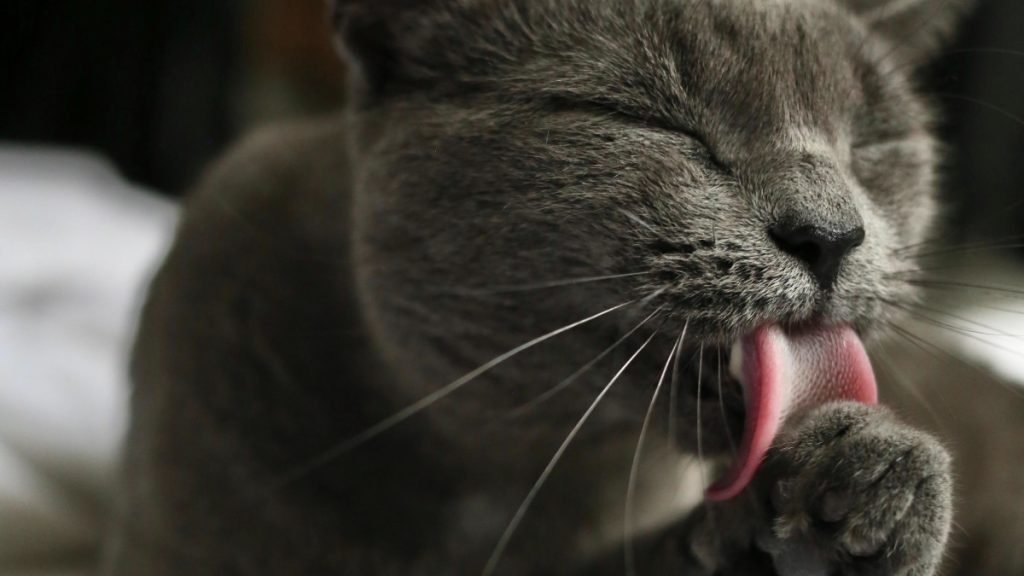
Have you noticed your cat spending more time than usual licking or biting its fur? Excessive grooming can be a sign that something isn’t quite right with your furry friend.
You might think it’s just a quirky habit, but it could mean your cat is stressed, itchy, or even in pain. Understanding why your cat grooms excessively is key to helping them feel comfortable and happy again. Keep reading to discover the hidden reasons behind this behavior and what you can do to support your cat’s well-being.
Reasons For Excessive Grooming
Excessive grooming in cats can be puzzling and worrying. Understanding the reasons behind this behavior helps you address the root cause and support your feline friend effectively. Let’s look at common triggers that might be causing your cat to groom more than usual.
Allergies And Skin Irritations
Allergies often cause itching and discomfort, leading cats to lick or scratch themselves repeatedly. These allergies might come from food, environmental factors like pollen, or household chemicals.
Skin irritations such as dry patches, redness, or rashes can push your cat to groom excessively in an attempt to soothe the area. Have you noticed any changes in your cat’s coat or skin? Spotting these signs early can help you seek timely treatment.
Parasites And Infections
Parasites like fleas or mites are a common reason for increased grooming. Even a single flea can cause intense itching, making your cat lick or bite at their fur obsessively.
Infections, whether bacterial or fungal, can also irritate the skin and cause discomfort. Keep an eye out for bald spots, scabs, or any unusual odor—these can be clues that your cat needs veterinary care.
Stress And Anxiety
Just like humans, cats can feel stressed or anxious, which sometimes results in over-grooming. Changes in their environment, new pets, or loud noises might trigger this behavior.
Have you noticed your cat grooming more during stressful periods? Providing a calm and secure space can make a significant difference in reducing this habit.
Pain And Discomfort
When a cat experiences pain, it might focus grooming on the painful area as a coping mechanism. Arthritis or injuries can cause this localized over-grooming.
Watch for signs like limping, swelling, or sensitivity to touch. Addressing pain quickly can prevent further grooming-related skin damage.
Boredom And Behavioral Issues
Sometimes, excessive grooming stems from boredom or lack of stimulation. Cats need mental and physical activity to stay happy and healthy.
If your cat spends long hours alone or without toys, they might turn to grooming as a way to pass time. Adding interactive playtime and new toys can help redirect this behavior.
Credit: hellopetsinc.com
Signs Of Problematic Grooming
Excessive grooming in cats can signal health or emotional issues. Knowing the signs helps catch problems early. Watch your cat closely for these warning signals. Early detection can prevent worsening conditions and improve your cat’s comfort.
Bald Patches And Hair Loss
Bald patches show where fur has fallen out. Hair loss can reveal skin irritation or allergies. Look for areas with thinning fur or bare spots. These patches often result from over-grooming or biting.
Redness And Sores
Redness on the skin indicates irritation or infection. Sores may appear from constant licking or scratching. Check for inflamed or broken skin, which needs veterinary care. These signs often mean your cat is in discomfort.
Changes In Grooming Frequency
A sudden increase in grooming is not normal. Grooming too much can cause skin damage. Some cats groom less when stressed or unwell. Notice any big shifts in how often your cat grooms itself.
Behavioral Changes
Excessive grooming may come with mood changes. Your cat might become more restless or anxious. Avoidance of touch or hiding can also happen. These behaviors often relate to pain or stress linked to grooming.
Diagnosing Excessive Grooming
Excessive grooming in cats can signal health or emotional issues. Diagnosing the cause helps find the right solution. Several steps help pinpoint why your cat grooms too much.
Veterinary Examination
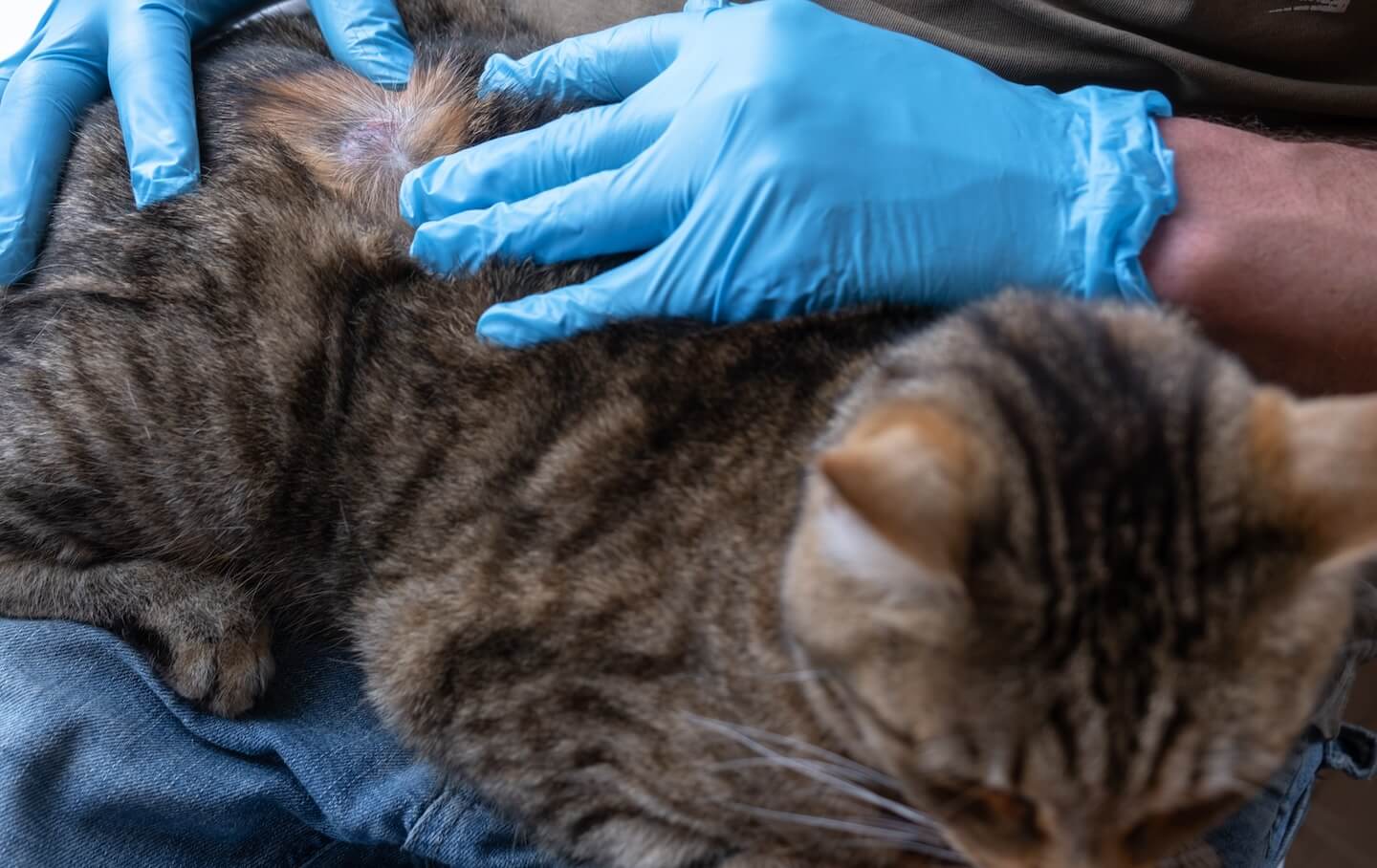
A vet checks your cat’s overall health first. They look for signs of pain or skin problems. This exam can reveal infections or injuries causing discomfort. The vet may also check for parasites like fleas.
Skin Tests And Allergy Screening
Skin tests identify allergies or irritants affecting your cat. The vet may take skin samples or do patch tests. Allergy screening helps find food or environmental triggers. These tests guide treatment to reduce itching and grooming.
Behavioral Assessment
Behavior matters in grooming habits. A vet or behaviorist observes your cat’s actions and environment. Stress, boredom, or anxiety may cause over-grooming. Identifying triggers helps create a calm and stimulating space for your cat.
Credit: najupets.com
Treatment Options
Excessive grooming in cats can signal different health or behavior issues. Treatment depends on the root cause. Addressing the problem early helps your cat feel better and prevents skin damage.
Some treatments focus on physical problems like allergies or parasites. Others aim to calm your cat’s mind and improve behavior. A vet can guide you to the best plan for your pet.
Medications For Allergies And Infections
Allergies and skin infections often cause itching. Your vet may prescribe:
- Antihistamines to reduce allergy symptoms
- Antibiotics for bacterial infections
- Antifungal drugs for fungal infections
- Medicated shampoos to soothe irritated skin
These medicines help stop itching and promote healing.
Parasite Control
Parasites like fleas cause intense discomfort. Parasite control may include:
- Topical flea treatments
- Oral parasite medications
- Environmental cleaning to remove eggs and larvae
Effective parasite control stops the cycle of itching and grooming.
Stress Reduction Techniques
Stress can trigger excessive grooming. Try these to calm your cat:
- Provide a quiet, safe space
- Use calming pheromone diffusers
- Maintain a consistent daily routine
- Offer plenty of affection and gentle play
Reducing stress lowers the urge to over-groom.
Behavioral Therapy And Enrichment
Behavioral problems may need more support. Enrichment and therapy can include:
- Interactive toys to reduce boredom
- Training sessions to change habits
- Scheduled playtimes to burn energy
- Consulting a pet behaviorist for persistent issues
These strategies improve mental health and reduce grooming urges.
Preventing Excessive Grooming
Preventing excessive grooming in cats requires attention to their health and environment. Excessive licking or biting can signal discomfort or stress. Taking steps to reduce these triggers helps your cat stay calm and healthy. A balanced routine supports their well-being and keeps grooming at normal levels.
Regular Vet Check-ups
Regular vet visits help spot health problems early. Skin infections, allergies, or pain can cause over-grooming. Your vet can recommend treatments or changes to ease discomfort. Keep vaccinations and parasite control up to date. Early detection prevents serious issues and reduces grooming caused by illness.
Creating A Stress-free Environment
Cats groom more when stressed or anxious. Create a calm space with quiet and cozy spots. Avoid sudden loud noises or too much change at once. Use gentle interaction and respect your cat’s boundaries. A peaceful home lowers stress and cuts down on excessive grooming.
Proper Parasite Prevention
Parasites like fleas irritate cats and trigger grooming. Use vet-approved flea and tick preventatives regularly. Check your cat’s coat for signs of parasites. Keep bedding and living areas clean. Preventing parasites removes a common cause of over-grooming.
Providing Mental And Physical Stimulation
Bored cats often groom to pass time or relieve stress. Offer toys, climbing trees, and playtime each day. Change activities to keep your cat interested. Mental and physical exercise helps reduce nervous energy. A busy cat grooms less and feels happier overall.

Credit: pennypaws.com
Frequently Asked Questions
Why Is My Cat Grooming All The Time?
Excessive grooming in cats might indicate stress, allergies, or parasites. Cats often groom to soothe anxiety or discomfort. If this behavior persists, consulting a vet is advisable. Identifying the root cause ensures your cat remains healthy and happy.
Can Stress Cause My Cat To Groom Excessively?
Yes, stress is a common reason for excessive grooming in cats. Changes in the environment, new pets, or routine disruptions can trigger this. Addressing the source of stress and providing a stable environment can help reduce this behavior.
Does Diet Affect My Cat’s Grooming Habits?
Yes, a cat’s diet can influence grooming habits. Nutritional deficiencies may lead to skin issues, prompting excessive grooming. Ensuring a balanced diet rich in essential nutrients can help maintain your cat’s skin health and reduce over-grooming.
Could Allergies Make My Cat Groom A Lot?
Absolutely, allergies can cause excessive grooming in cats. Allergens like pollen, dust, or certain foods can irritate their skin. Identifying and eliminating allergens from their environment or diet can significantly reduce this behavior.
Conclusion
Excessive grooming in cats often signals stress or health issues. Watch your cat’s behavior closely to spot changes early. Consult a vet if grooming seems out of control or causes skin problems. Small changes at home can help reduce stress and improve your cat’s comfort.
Caring for your cat’s needs keeps them happy and healthy. Remember, attentive care makes a big difference in your cat’s life.
