

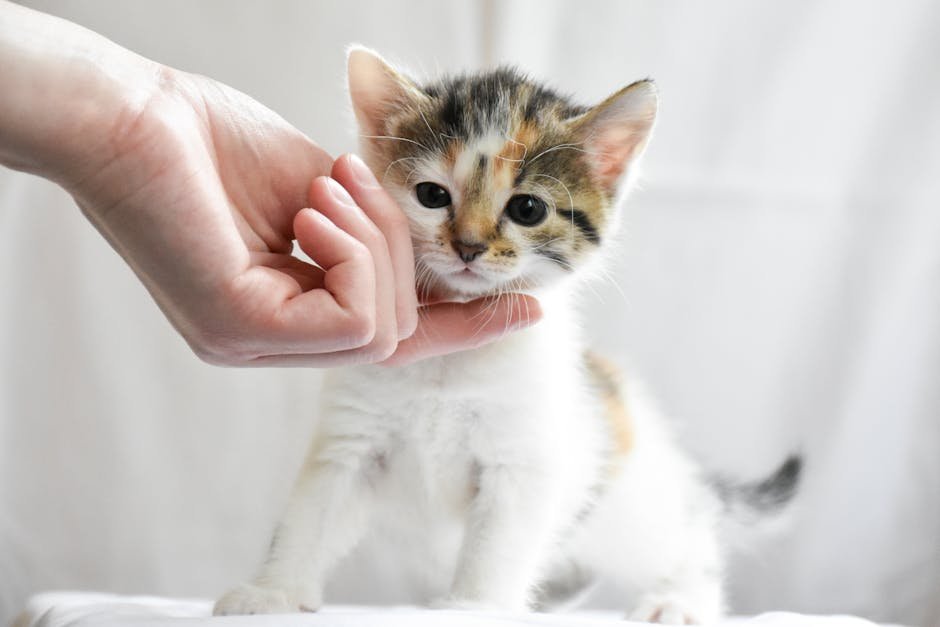
Have you ever noticed your cat licking your hand or nuzzling your hair, as if trying to groom you? It might seem strange at first, but there’s a lot more behind this behavior than just a quirky habit.
When your cat tries to groom you, they’re actually sending a message—one that can tell you a lot about how they feel and how they see you. Understanding why your cat does this can deepen the bond you share and help you respond in ways that make both of you happier.
Keep reading to discover the surprising reasons behind your cat’s grooming urges and what it means for your relationship.
Credit: americanpaws.club
Cats And Grooming Behavior
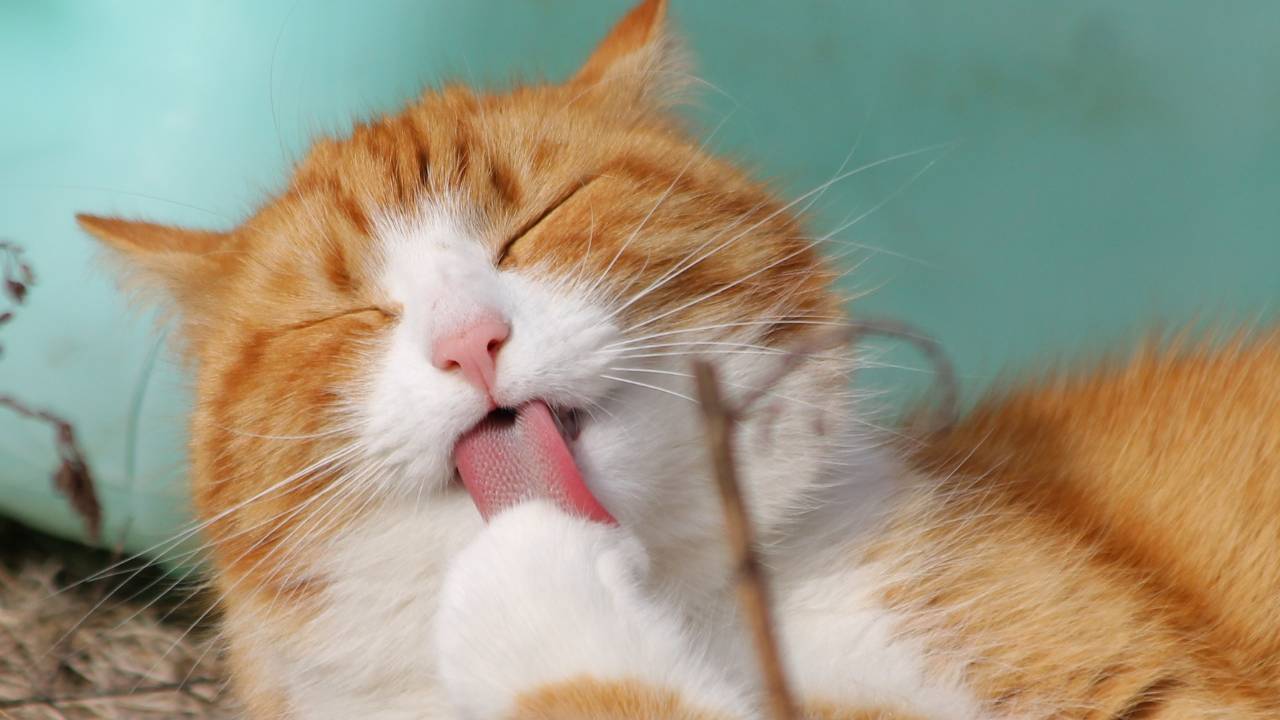
Cats grooming behavior is more than just about keeping clean. It reflects their instincts, social connections, and even how they see you as part of their world. Understanding why your cat tries to groom you opens a window into their natural habits and emotional life.
Grooming In The Wild
In the wild, cats spend a good portion of their day grooming. This helps remove dirt, parasites, and loose fur, keeping their coat healthy and insulating. Grooming also cools them down and stimulates blood flow.
Wild cats are solitary hunters, yet grooming remains vital for their survival. It reduces scent traces to avoid predators and prey detection. Have you noticed how your cat licks itself carefully? This behavior is deeply rooted in their survival instincts.
Social Grooming Among Cats
Social grooming, or allogrooming, happens when cats lick each other. It strengthens bonds and builds trust within a group. Cats often groom close friends or family members, showing affection and reinforcing social ties.
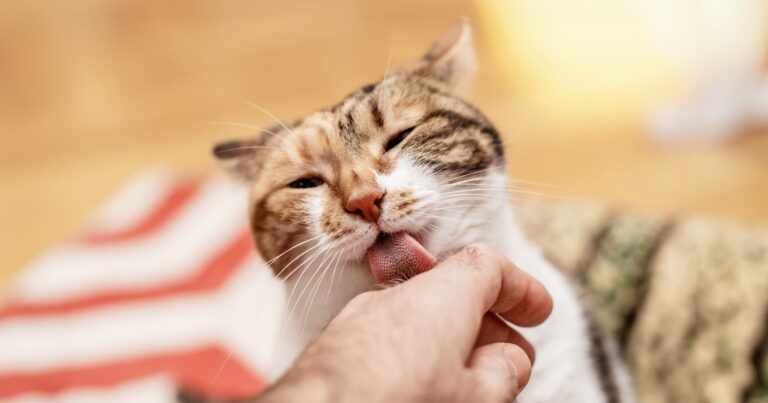
When your cat tries to groom you, it’s a sign they accept you as part of their social circle. This behavior can mean they see you as family or simply enjoy your company. Have you ever felt that special connection when your cat licks your hand or face? It’s their way of including you in their social world.
Reasons Cats Groom Humans
Cats grooming humans is a curious behavior that many pet owners notice. This action shows a lot about the bond between you and your cat. It is not just a random act. Cats have specific reasons for licking or grooming their owners.
Grooming is a natural behavior for cats. They use it to communicate and connect. Understanding why your cat grooms you can help strengthen your relationship.
Showing Affection
Cats groom to show love and trust. Licking your skin or hair is their way of saying you are part of their family. It is a sign they feel safe and comfortable around you. Grooming builds a close bond between you and your cat.
Marking Territory
Cats have scent glands in their mouths. When they groom you, they leave their scent on your skin. This marks you as “theirs” to other animals. It helps cats feel secure by claiming their territory. Your cat sees you as part of its space.
Seeking Attention
Sometimes cats groom to get your focus. They want you to notice them and maybe pet or play. Grooming acts as a gentle request for interaction. Cats use this method to connect and feel close to you.
Stress Relief
Grooming can calm cats down. It helps reduce anxiety and stress. Licking you may comfort your cat during uneasy moments. This behavior provides a soothing effect for both you and your pet.
What Grooming Means For Cat-human Bond
Cats grooming their humans is more than just a cute behavior. It is a sign of deep connection and care. Grooming helps cats build bonds and show affection. It is a way cats express trust and comfort with their human friends.
Building Trust
Grooming is a strong sign of trust between cats and humans. Cats only groom those they feel safe around. When your cat licks your skin or cleans your hair, it means they see you as part of their family. This act shows your cat feels relaxed and secure in your presence.
Trust grows through regular grooming sessions. Your cat learns you are gentle and kind. This helps reduce their stress and anxiety. Grooming also helps cats feel calm and happy near you.
Strengthening Relationship
Grooming is a way to deepen the bond with your cat. It is a shared moment of closeness and care. Cats use grooming to communicate love without words. This helps build a stronger emotional connection.
Through grooming, cats show they accept you as a trusted companion. It creates a special link that lasts over time. Regular grooming helps maintain a positive, loving relationship with your pet.
How To Respond To Your Cat’s Grooming
Understanding how to respond to your cat’s grooming can strengthen your bond. Cats groom to show affection and trust. Your reaction can either encourage or discourage this behavior. Reacting in a calm and positive way helps your cat feel safe and loved. It also teaches them what is okay and what is not.
Accepting The Gesture
Allow your cat to groom you if you feel comfortable. This shows you accept their love and friendship. Stay still and enjoy the moment. You can gently pet your cat in return. This will make them feel happy and secure. Accepting grooming builds trust between you both.
Setting Boundaries
Sometimes, grooming can feel too much or uncomfortable. Let your cat know when to stop by gently moving away. Use a soft voice to say “no” or “stop.” Avoid sudden or harsh movements. This teaches your cat limits without causing fear. Consistency helps your cat learn your comfort zone.
Encouraging Positive Interaction
Reward your cat with gentle pets or soft words during grooming. Offer treats to create positive feelings. Use toys to distract if grooming becomes too intense. Spend quiet time together to build a calm environment. Positive interactions make grooming a happy experience for both of you.
When Grooming Becomes Excessive
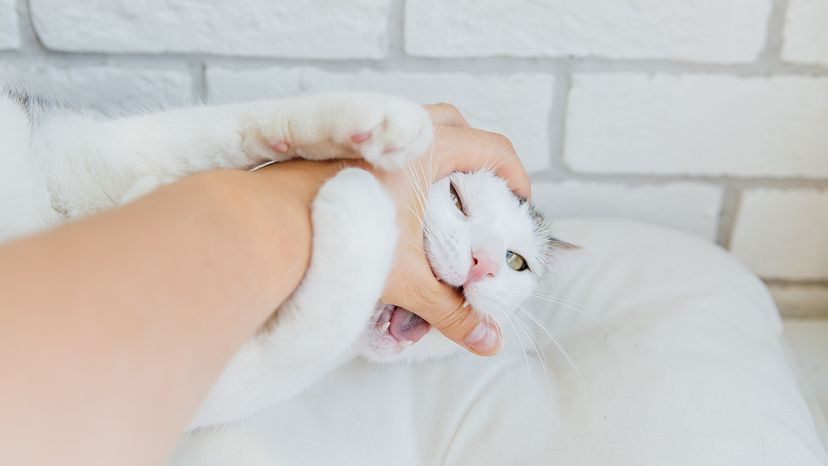
Grooming is a natural way cats show affection and bond with their humans. But what happens when this behavior turns into constant licking or biting? Excessive grooming can signal that something is off, and it’s important to recognize when your cat’s grooming crosses the line from sweet to stressful.
Possible Health Issues
Sometimes, your cat’s intense grooming on you may indicate underlying health problems. Skin allergies or irritations can make your cat lick persistently, trying to soothe discomfort. Parasites like fleas might also cause your cat to groom excessively as they try to manage the itchiness.
Have you noticed any redness, swelling, or hair loss on your skin after your cat licks you? These signs could suggest your cat is reacting to something irritating your skin or its own health issues. Consulting a vet can help rule out infections, allergies, or even dental problems that trigger this behavior.
Behavioral Concerns
Excessive grooming can also stem from stress or anxiety in your cat. When feeling insecure or bored, cats may lick you more than usual as a way to self-soothe. This behavior can become compulsive, turning into a habit that is hard to break.
Have you changed your routine recently or introduced new pets or people at home? Such changes can unsettle your cat and lead to over-grooming. Offering more playtime, interactive toys, or creating a calm environment can help reduce their stress and balance their grooming habits.
Credit: animals.howstuffworks.com
Credit: www.diamondpet.com
Frequently Asked Questions
Why Does My Cat Try To Groom Me Often?
Cats groom you to show affection and strengthen your bond. Grooming also marks you with their scent, signaling you as part of their family.
Is Cat Grooming A Sign Of Love Or Dominance?
Cat grooming is mainly a sign of love and trust. It helps cats feel connected and safe with their human companions.
How Can I Respond When My Cat Grooms Me?
You can gently pet your cat or speak softly. This encourages bonding and lets your cat know you appreciate their affection.
Does Cat Grooming Help With My Cat’s Stress?
Yes, grooming reduces stress for cats. It calms them and creates a peaceful environment when they groom their favorite humans.
Conclusion
Cats groom their owners to show love and trust. This behavior helps build a strong bond. It also means your cat feels safe and comfortable. Understanding why cats groom you can improve your relationship. Enjoy these moments as signs of affection.
Remember, your cat sees you as part of its family. Respond with gentle petting or soft words. These small actions keep your connection close and happy.
