

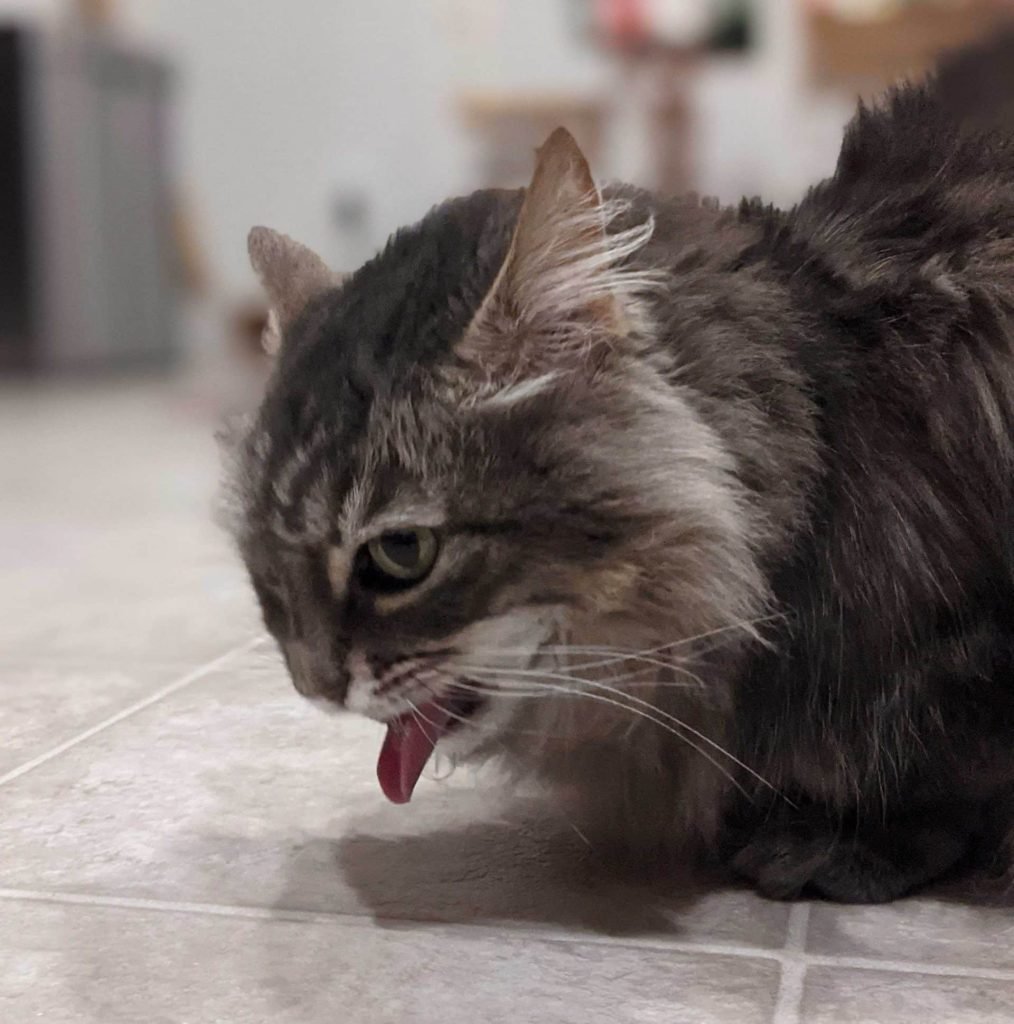
If you’re worried because your cat seems to be vomiting a lot, you’re not alone. Seeing your furry friend throw up frequently can be upsetting and confusing.
You might be asking yourself, “Why does this keep happening? ” and “Is something seriously wrong with my cat? ” Understanding the reasons behind your cat’s vomiting is the first step to helping them feel better. You’ll discover common causes, what signs to watch for, and simple ways to ease your cat’s discomfort.
Keep reading to learn how you can protect your cat’s health and bring peace of mind back to your home.
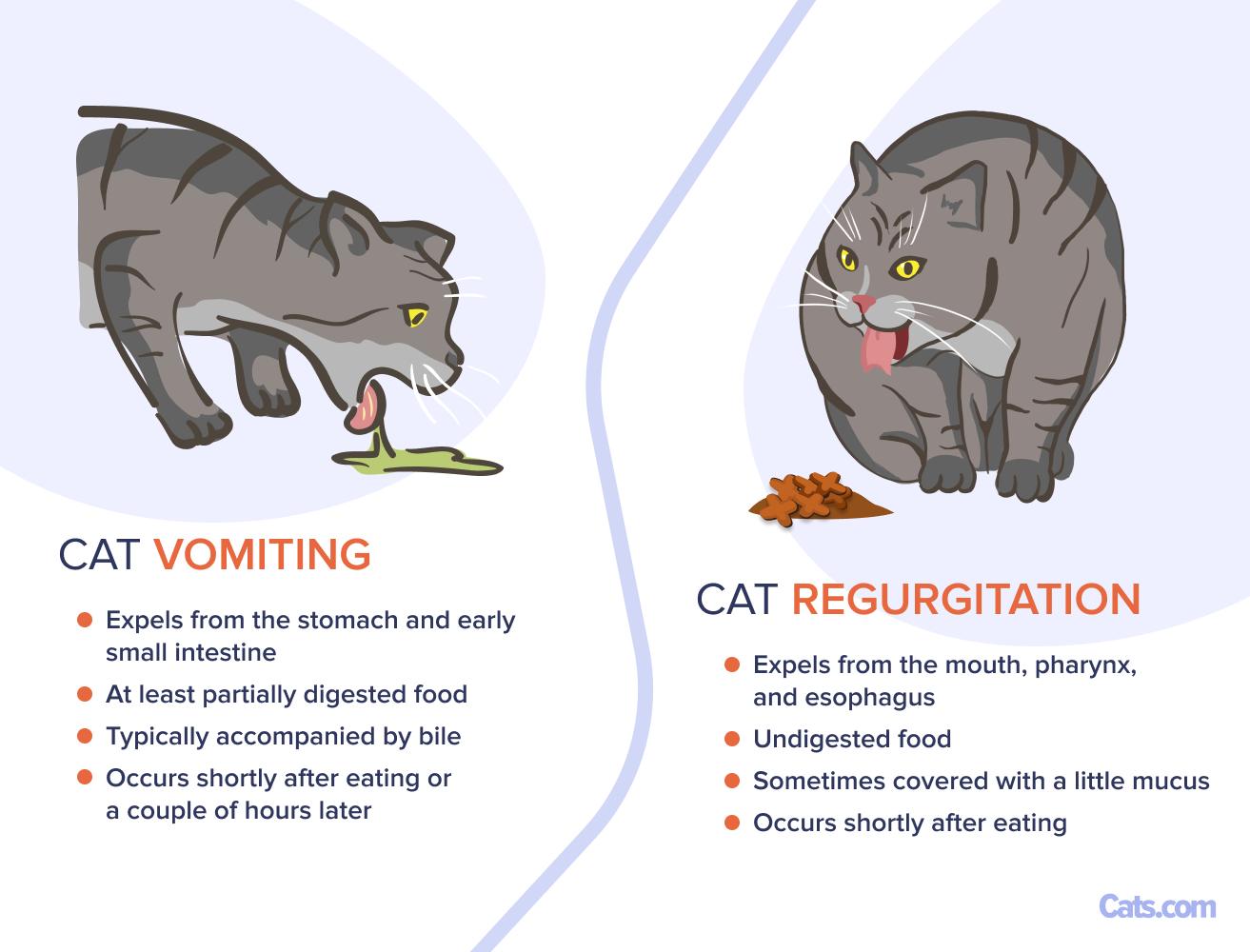
Credit: cats.com
Common Reasons Cats Vomit
Cats often vomit, and it can worry many pet owners. Understanding the reasons behind this behavior is crucial. Vomiting can signal various issues, ranging from simple grooming habits to more severe medical conditions. Below, we explore common reasons why cats vomit.
Hairballs And Grooming Habits
Cats groom themselves frequently, leading to hair ingestion. This can form hairballs in the stomach. Cats then vomit to expel these hairballs. Long-haired breeds are more prone to this issue. Regular grooming can help reduce hairball formation.
Dietary Issues And Food Sensitivities
Cats can have food sensitivities that cause vomiting. Ingredients like dairy or grains might be culprits. Introducing new foods too quickly can also upset their stomachs. Monitor your cat’s diet closely for any adverse reactions.
Eating Too Quickly
Some cats eat their food too fast. This can cause regurgitation. Using slow-feed bowls or spreading food on a flat surface can help. Smaller, more frequent meals may also reduce this problem.
Ingesting Foreign Objects
Cats are curious creatures. They might swallow small objects like toys or strings. This can lead to blockages and vomiting. Keep small items out of your cat’s reach to prevent this.
Medical Conditions Affecting Cats
Several medical conditions can cause vomiting in cats. These include kidney disease, liver problems, and gastrointestinal issues. Regular vet check-ups are essential for early detection and treatment. If vomiting persists, consult a veterinarian promptly.
When Vomiting Signals A Serious Problem
Vomiting in cats can be normal sometimes. It helps clear hairballs or bad food from their stomach. But frequent vomiting may show a serious health problem. Knowing when vomiting signals trouble helps protect your cat’s health. Watch closely for other signs that need quick care.
Signs Of Illness To Watch For
- Loss of appetite
- Weight loss
- Lethargy or weakness
- Dehydration or dry gums
- Diarrhea or blood in vomit
- Repeated vomiting over 24 hours
- Changes in behavior or hiding
These signs often mean your cat needs a vet check. Do not ignore vomiting if these occur together.
Chronic Vomiting And Underlying Diseases
Vomiting that lasts weeks or happens often points to health issues. Some common causes include:
- Kidney disease
- Inflammatory bowel disease
- Pancreatitis
- Food allergies or intolerance
- Gastrointestinal blockages
These diseases need medical tests and proper treatment. Early diagnosis improves your cat’s chances.
Parasites And Infections
Parasites like worms often cause vomiting in cats. Infections from bacteria or viruses also trigger sickness. Symptoms may include vomiting, diarrhea, and fever. Regular parasite control and vet visits help prevent these problems.
Toxic Substances And Poisoning
Accidental poisoning causes sudden, severe vomiting. Common toxins include:
- Household plants
- Cleaning chemicals
- Human medications
- Certain foods like chocolate or onions
Vomiting with trembling, drooling, or seizures needs emergency care. Keep harmful items away from your cat.
Home Remedies To Reduce Vomiting
Dealing with a cat that vomits frequently can be stressful and confusing. Before rushing to the vet, you might find relief through simple home remedies that address common causes of vomiting. These practical tips can help you reduce your cat’s discomfort and improve their digestive health right at home.
Adjusting Feeding Schedules
Feeding your cat smaller, more frequent meals can make a big difference. Large meals often overwhelm their stomach, leading to vomiting. Try splitting their daily food portion into three or four smaller servings to ease digestion.
Also, monitor how fast your cat eats. Rapid eating can cause them to throw up soon after. If you notice this, consider using a slow feeder bowl or spreading the food out on a flat surface to slow down their eating pace.
Choosing The Right Cat Food
Your cat’s diet plays a crucial role in preventing vomiting. Foods that are too rich, contain fillers, or have low-quality ingredients may upset their stomach. Opt for high-quality, easily digestible cat food with limited additives.
Have you tried switching to a sensitive stomach formula? These products often contain novel proteins or hypoallergenic ingredients that reduce digestive issues. Keep an eye on how your cat responds to changes in diet over a week or two.
Managing Hairballs Effectively
Hairballs are a common cause of vomiting in cats, especially those that groom themselves a lot. Regular brushing helps remove loose fur before your cat swallows it. This simple step can significantly reduce hairball formation.
Additionally, giving hairball remedy treats or gels can help move fur through the digestive tract. You might be surprised how a consistent grooming routine combined with these products reduces vomiting episodes.
Hydration Tips For Cats
Dehydration can irritate your cat’s stomach and lead to vomiting. Ensure fresh water is always available and encourage drinking by placing multiple water bowls around the house. You could also try a cat water fountain, which many cats find more appealing.
Adding wet food to your cat’s diet is another way to increase fluid intake. If your cat refuses water, mixing a little broth (without onions or garlic) into their meals might entice them to drink more.
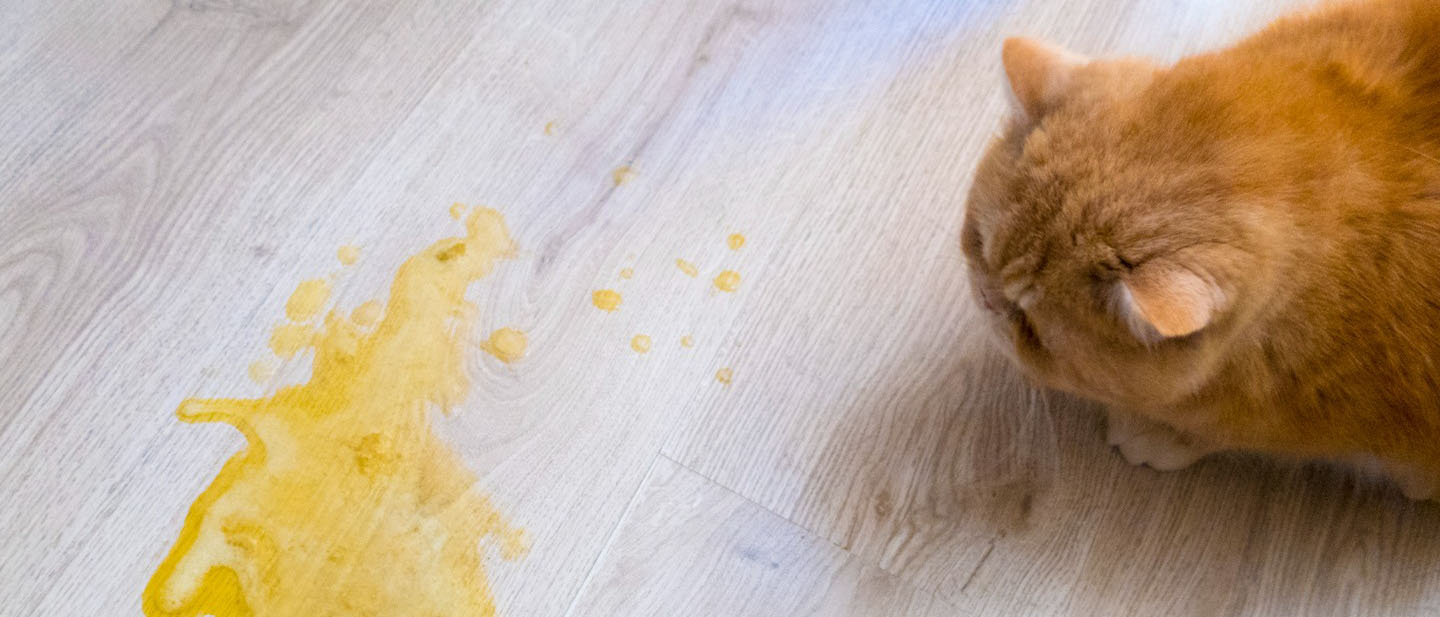
Credit: www.whiskas.com.ph
When To Visit The Vet
Noticing your cat vomiting frequently can be worrying. You might ask yourself, when is it time to take your furry friend to the vet? Understanding the signs that indicate a vet visit is crucial for your cat’s health and your peace of mind.
If your cat vomits more than once or twice in a day, or if vomiting is accompanied by other symptoms like lethargy, diarrhea, or loss of appetite, don’t wait. Persistent vomiting can signal serious health issues that need professional care. Early vet visits can prevent complications and give your cat a better chance to recover quickly.
Diagnostic Tests For Vomiting Cats
Your vet will start by asking detailed questions about your cat’s vomiting pattern and overall behavior. To find the root cause, they might recommend several tests such as:
- Blood tests:To check for infections, organ function, and signs of inflammation.
- X-rays or ultrasound:To look for blockages, tumors, or abnormalities in the digestive tract.
- Fecal exams:To detect parasites that could be causing irritation.
- Endoscopy:In some cases, to directly view the stomach and intestines.
These tests help your vet pinpoint the exact cause, making treatment more effective. Have you noticed whether your cat vomits after eating certain foods? Sharing such details can guide the diagnostic process.
Treatment Options Available
Treatment depends on what the vet discovers. For minor cases, simple dietary changes or medications to soothe the stomach may be enough. If a parasite or infection is found, your cat might need antibiotics or dewormers.
In more severe cases, such as blockages or chronic illness, surgery or specialized therapies may be necessary. Your vet will explain the best plan and what you can do at home to support your cat’s recovery.
Remember, timely treatment can stop vomiting from becoming a long-term problem. Are you prepared to follow through with your vet’s recommendations to help your cat feel better?
Preventive Care And Follow-up
After treatment, regular check-ups ensure your cat stays healthy and vomiting doesn’t return. Your vet may suggest specific diets, supplements, or lifestyle changes to prevent future episodes.
Keeping a vomiting diary can be very useful. Note when vomiting happens, what your cat ate, and any changes in behavior. This information helps your vet adjust care plans as needed.
Preventive care isn’t just about avoiding illness—it’s about improving your cat’s overall quality of life. How often do you think about your cat’s digestive health? Small steps now can make a big difference later.
Preventing Future Vomiting Episodes
Preventing future vomiting episodes in cats requires careful attention to their daily environment and habits. Small changes can make a big difference in your cat’s health. Creating a calm and safe space helps reduce stress, a common cause of vomiting.
Regular care routines keep your cat comfortable and lower the chance of hairballs and other issues. Watching how and what your cat eats can stop many digestive problems early. Learning to spot warning signs helps catch problems before they get worse.
Creating A Cat-friendly Environment
- Keep your cat’s space clean and quiet.
- Provide soft bedding and safe hiding spots.
- Use gentle lighting and avoid loud noises.
- Offer toys and climbing areas for exercise.
- Maintain a stable routine to reduce stress.
Regular Grooming Practices
- Brush your cat daily to remove loose fur.
- Trim nails carefully to prevent injuries.
- Check ears and eyes for signs of infection.
- Bath only if your cat tolerates it well.
- Help reduce hairballs by grooming regularly.
Monitoring Eating Habits
- Feed smaller, more frequent meals.
- Choose high-quality, easily digestible food.
- Avoid sudden changes in diet.
- Remove uneaten food to prevent spoilage.
- Watch for fast eating or gulping behavior.
Recognizing Early Warning Signs
- Notice changes in appetite or thirst.
- Look for lethargy or unusual behavior.
- Check for repeated gagging or coughing.
- Observe stool consistency and frequency.
- Consult a vet at the first signs of illness.

Credit: www.usatoday.com
Frequently Asked Questions
Why Does My Cat Vomit After Eating?
Cats may vomit after eating due to eating too fast or food allergies. It can also indicate hairballs or digestive issues. Monitor your cat’s eating habits and consult a vet if vomiting persists or worsens.
How Often Is Normal For Cats To Vomit?
Occasional vomiting, like once a month, can be normal due to hairballs or minor upset stomachs. Frequent vomiting, more than once a week, needs veterinary attention to rule out health problems.
Can Diet Changes Reduce My Cat’s Vomiting?
Yes, switching to a high-quality, easily digestible diet can help reduce vomiting. Avoid sudden food changes and introduce new food gradually to prevent stomach upset.
When Should I See A Vet For Cat Vomiting?
See a vet if vomiting is frequent, contains blood, or is accompanied by lethargy, diarrhea, or weight loss. Persistent vomiting can signal serious health issues requiring immediate care.
Conclusion
Cats may vomit for many reasons, from eating too fast to health issues. Watch your cat’s behavior closely and note any changes. Regular vet visits help catch problems early. Feeding smaller, frequent meals can reduce vomiting. Keep your cat’s environment calm and stress-free.
Remember, persistent vomiting needs professional advice. Taking these steps supports your cat’s health and happiness. Care and attention make a big difference in your cat’s life.
