

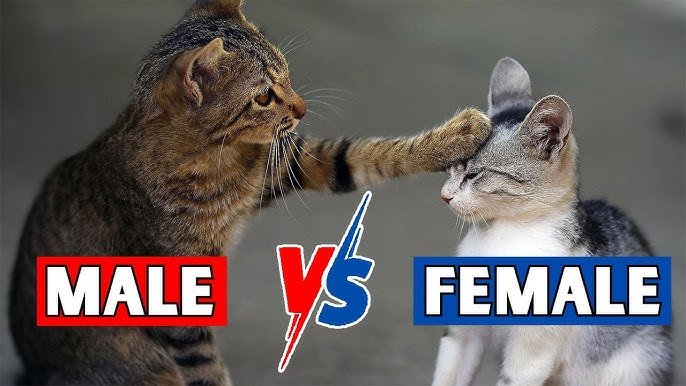
Have you ever watched your cats carefully clean each other, only to suddenly start fighting moments later? It can be confusing and even a little upsetting to see this quick change in behavior.
You might wonder why your furry friends go from being gentle and loving to aggressive so fast. Understanding this puzzling mix of grooming and fighting can help you keep your cats happier and your home more peaceful. Let’s dive into the surprising reasons behind this behavior and what you can do about it.

Credit: tryfurgo.com
Cat Grooming Behavior
Cat grooming behavior is more than just a way for your cats to stay clean. It’s a complex social activity that reflects their relationships and emotional states. You might notice your cats grooming each other lovingly one moment, then suddenly getting into a squabble. Understanding why this happens can help you better manage your feline friends and maintain peace in your home.
Social Bonds Through Grooming
Grooming between cats is a powerful sign of trust and friendship. When your cats lick and clean each other, they are strengthening their social bonds. This behavior, called allogrooming, helps reduce tension and establishes a sense of group harmony.
Have you ever seen your cats grooming and wondered if it’s just about cleanliness? It’s actually their way of saying, “You’re part of my family.” Cats often groom those they feel closest to, so this can be a clue about who your cats really trust.
Grooming As Stress Relief
Grooming also helps cats calm down when they feel stressed or anxious. If your cats are in a new environment or facing a change, you might see more grooming as they try to soothe themselves and each other. However, this can sometimes lead to overstimulation, which might explain why grooming sessions suddenly turn into fights.
Think about how you might fidget or pace when you’re nervous. Cats use grooming in a similar way to manage their emotions. Next time your cats start grooming intensely, watch for signs of tension to prevent a possible fight.
Credit: www.petscare.com
Reasons Behind Cat Fights
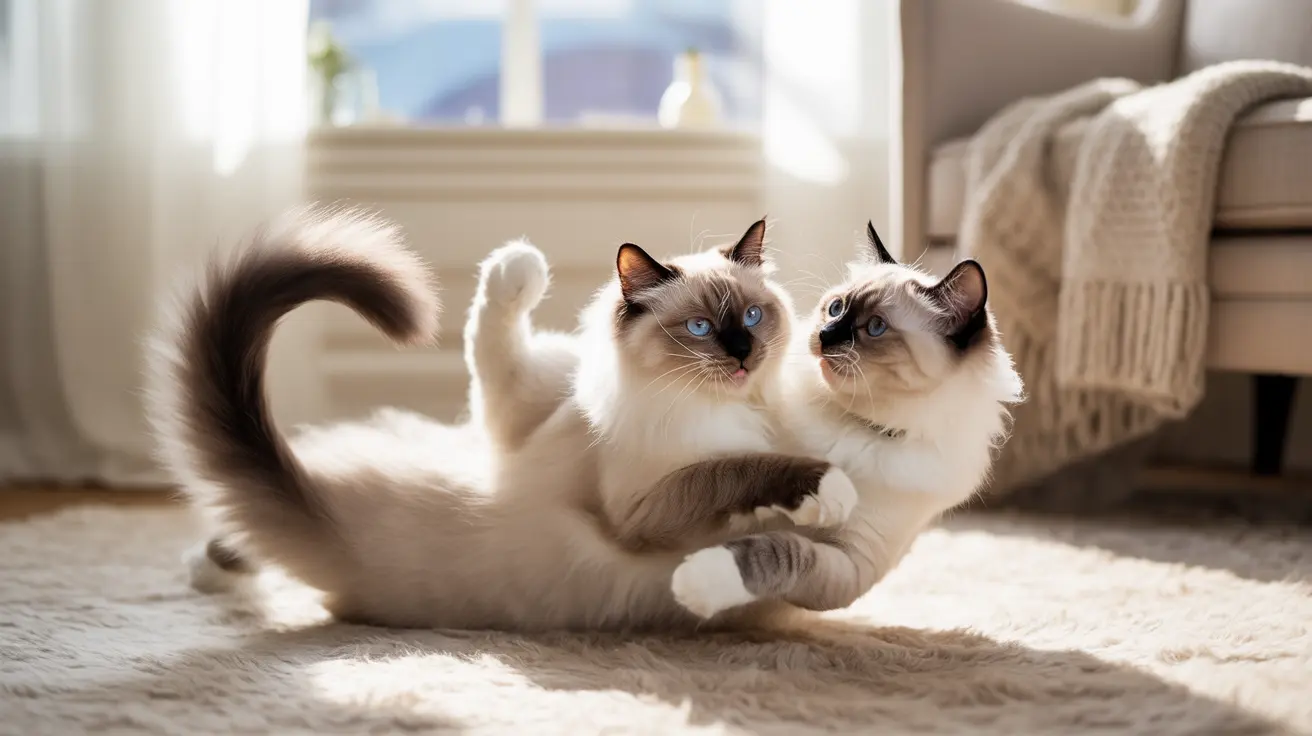
Cats grooming each other is a sign of bonding. But sometimes, this sweet act ends in a fight. Understanding why cats fight after grooming helps in managing their behavior. Cat fights often arise from natural instincts and social needs. These reasons explain the sudden shift from affection to aggression.
Territorial Disputes
Cats are very protective of their space. Even in the same home, they see areas as their own. Grooming can turn tense if one cat feels the other is invading. Territorial disputes trigger hissing, swatting, or chasing. This behavior helps establish boundaries between cats.
Overstimulation During Play
Grooming feels good but can overstimulate cats. Too much petting or licking may annoy them. Overstimulation causes a quick mood change. What starts as grooming may lead to biting or scratching. Cats use this to communicate discomfort or to stop the interaction.
Resource Guarding
Food, toys, or favorite resting spots cause tension. Cats guard these resources from others. Grooming near these items might spark jealousy. Resource guarding fights help determine who controls what. This behavior ensures access to important resources in the group.
Why Grooming Leads To Fighting
Grooming is a common way cats show affection and bond with each other. Yet, it sometimes ends in unexpected fights that leave you wondering why these friendly moments turn sour. Understanding why grooming leads to fighting can help you better manage your cats’ interactions and keep peace at home.
Misinterpreted Signals
Grooming involves close contact, which can cause your cats to send mixed signals. A gentle lick might suddenly feel too rough or invasive to one cat. This confusion can trigger a defensive reaction, turning grooming into a quick fight.
Have you noticed your cat’s tail twitching or ears flattening during grooming? These subtle signs often mean your cat is uncomfortable but hasn’t yet decided to lash out.
Sudden Sensory Overload
Grooming requires patience, but cats have sensitive skin and nerves. Sometimes, a prolonged or intense grooming session can overwhelm a cat’s senses. This overload may lead to irritation or frustration, causing one cat to snap unexpectedly.
Pay attention to how long grooming sessions last. Shorter, more frequent sessions might prevent sensory overload and reduce the chances of fights.
Hierarchy And Dominance
Grooming can also be a way to establish or challenge social order. A dominant cat might groom a subordinate one to assert control. If the other cat resists or feels dominated, it may fight back to defend its space.
Ask yourself if your cats have a clear pecking order. Sometimes fights after grooming are about testing boundaries rather than dislike.
Body Language To Watch
Cats use body language to communicate a lot. Watching their movements helps understand their mood. Grooming each other often shows closeness, but fights can follow quickly. Observing their signs gives clues about what’s happening.
Signs Of Affection
- Slow blinking at each other
- Soft, relaxed ears facing forward
- Gentle licking and nibbling
- Tail held upright or gently curved
- Close body contact without tension
These signs show trust and comfort. Cats groom to bond and feel safe.
Warning Signals
- Ears turning sideways or backward
- Tail twitching or flicking rapidly
- Stiff body posture
- Hissing or low growling sounds
- Sudden stop in grooming behavior
These signals mean a cat is uneasy. Tension builds before a fight starts.
Escalation Cues
- Raised fur along the back
- Swatting or pawing without claws
- Open-mouthed biting or snapping
- Arched back and wide eyes
- Running away or chasing
These cues show the fight is about to happen. Cats may switch quickly from friend to foe.
Preventing Grooming-related Fights
Preventing grooming-related fights between your cats requires a careful balance of understanding their social dynamics and providing an environment where they feel safe and secure. Grooming is a bonding activity, but it can quickly turn into conflict if boundaries are crossed or stress builds up. By taking proactive steps, you can help your cats enjoy their grooming sessions without turning to aggression.
Creating Safe Spaces
Your cats need their own territory to retreat to when things get tense. Providing multiple cozy spots around your home lets each cat feel secure and less pressured to compete for attention or space.
- Offer separate beds or blankets in quiet areas.
- Use vertical spaces like cat trees or shelves to give them escape routes.
- Place food and water bowls apart to avoid resource guarding.
Have you noticed your cats fighting more when they’re crowded? Giving them room to breathe can reduce stress and prevent fights triggered by grooming.
Monitoring Play Sessions
Playtime often mimics hunting and can escalate quickly into real fights if you’re not paying attention. Watch how your cats interact during and after play, especially if grooming follows.
- Interrupt rough play before it gets too intense.
- Separate cats briefly if you see signs of tension like hissing or swatting.
- Encourage gentle interactions with toys that keep them engaged without direct contact.
Have you ever caught your cats in a grooming session that suddenly turned aggressive? Early intervention during play can stop that tension from building up.
Positive Reinforcement Techniques
Reward your cats when they groom each other calmly and peacefully. Positive reinforcement helps them associate good behavior with treats, praise, or affection.
- Offer treats immediately after calm grooming sessions.
- Use gentle petting or verbal praise to reinforce friendly behavior.
- Ignore or redirect attention away from aggressive grooming to avoid encouraging it.
Think about how your cats react to rewards—do they connect treats with calm behavior? Consistency here can change their grooming dynamics over time.
When To Seek Help
Watching your cats groom each other and then suddenly start fighting can be confusing and worrying. Knowing when to seek help is crucial to prevent injuries and maintain peace in your home. If you notice the behavior escalating or becoming harmful, it’s time to take action.
Behavioral Issues
Sometimes, grooming followed by fighting signals deeper social problems between your cats. Are they showing signs of stress, jealousy, or territorial disputes? If the fights become frequent or intense, it could mean they need guidance to establish boundaries.
You might try separating them during peak tension times and reintroducing them slowly. However, if the aggressive behavior doesn’t improve or worsens, consulting a cat behaviorist can provide tailored strategies. They can help you understand if your cats’ interactions are normal or if intervention is necessary.
Veterinary Concerns
Illness or pain can cause a cat to act unpredictably, turning grooming sessions into triggers for aggression. Has one cat started fighting after an injury or sudden change in health? A vet visit is essential to rule out medical issues that might make your cat irritable or uncomfortable.
Parasites, skin conditions, or neurological problems can also cause unusual behavior. Regular check-ups ensure your cats stay healthy and happy, reducing the chance of fights sparked by discomfort. Don’t ignore sudden behavior changes—your vet can help pinpoint and treat underlying causes quickly.

Credit: www.youtube.com
Frequently Asked Questions
Why Do Cats Groom Each Other Then Suddenly Fight?
Cats groom to bond and show affection, but fights can start from overstimulation or miscommunication. Grooming can sometimes irritate sensitive spots, triggering a defensive reaction or play aggression, leading to a sudden fight.
Is Grooming Before Fighting A Sign Of Dominance?
Yes, grooming can establish social hierarchy. Dominant cats often groom subordinates, but if boundaries are crossed, conflicts may arise. Grooming followed by fighting can signal a struggle for control or assertiveness within the group.
Can Grooming Turn Into Aggressive Behavior In Cats?
Grooming may turn aggressive if one cat feels annoyed or threatened. Over-grooming or rough licking can irritate, causing the other cat to react defensively. This shift often happens quickly, confusing owners but is common in multi-cat homes.
How Can I Prevent My Cats From Fighting After Grooming?
Monitor their interactions and separate them if grooming turns rough. Provide enough resources like toys and resting spots to reduce tension. Positive reinforcement and gradual reintroduction can help maintain peace after grooming sessions.
Conclusion
Cats often groom each other to show trust and care. Sometimes, this turns into a quick fight. It happens because they set boundaries or feel stressed. This behavior is normal for cats living together. Understanding their actions helps you keep peace at home.
Watch their body language to know when to step in. Giving each cat its own space can reduce fights. Remember, grooming and fighting both are part of cat friendships. Patience and observation help build a calm, happy environment for your cats.
