

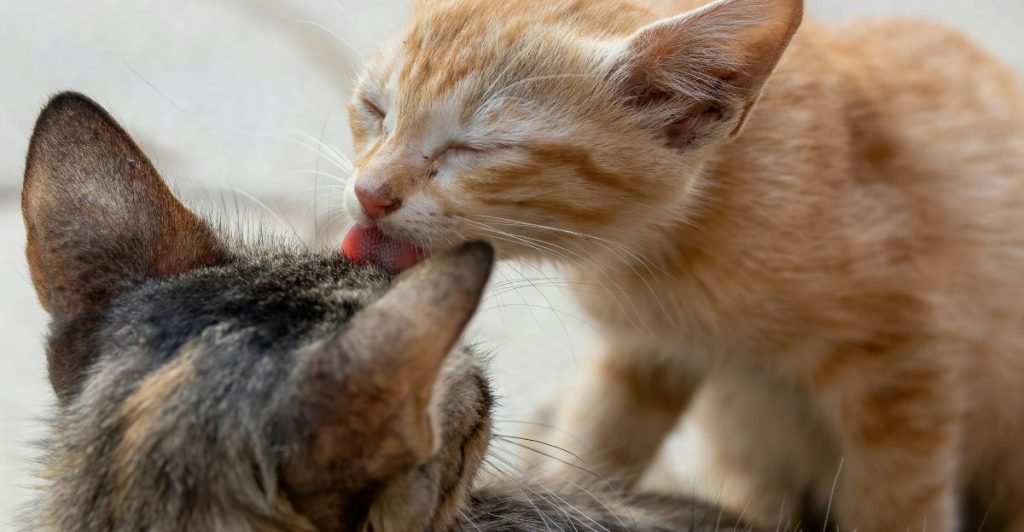
Have you ever watched your cats gently licking each other and wondered, “Why do my cats groom each other?” This behavior might seem simple, but it’s actually full of meaning. When your cats groom one another, they’re not just cleaning—they’re building bonds, showing trust, and even communicating.
Understanding why your cats do this can help you better connect with them and keep their relationship healthy. Keep reading to discover the surprising reasons behind this sweet behavior and what it means for your furry friends.

Credit: catgroomerla.com
Social Bonding
Cats grooming each other is more than just cleaning. It’s a way they connect deeply. This social bonding helps them feel safe and loved. Grooming builds trust and closeness between cats. It shows they accept each other as friends and family.
Strengthening Friendships
Grooming helps cats build strong friendships. When they lick and clean each other, they share a special moment. This act reduces stress and makes cats feel calm. It shows they enjoy each other’s company. Cats often groom friends they trust the most.
Group Harmony
Grooming keeps peace within a cat group. It stops fights and helps solve disagreements. Cats use grooming to show they belong together. This behavior creates a calm and happy environment. Group harmony helps all cats feel safe and relaxed.
Mutual Grooming Benefits
Mutual grooming among cats is more than just a cute habit. It offers several key benefits that help keep cats healthy and happy. This behavior strengthens their bond and supports their well-being in practical ways. Understanding these benefits reveals why cats often spend time grooming each other.
Accessing Hard-to-reach Areas
Cats cannot easily clean some parts of their bodies alone. Areas like the back of the head and neck are tricky to reach. Mutual grooming helps cats clean these spots thoroughly. This keeps their fur neat and free of dirt. It also helps prevent skin problems caused by poor hygiene.
Reducing Parasites
Parasites like fleas and ticks cause discomfort and health issues. Mutual grooming helps cats remove these pests from each other’s fur. Cats use their tongues and teeth to catch and remove parasites effectively. This natural cleaning reduces the risk of infections and irritation. It also lowers the chance of parasites spreading between cats.
Stress Relief And Comfort
Cats groom each other not just to stay clean. It helps them feel calm and safe. This behavior reduces stress and brings comfort. Grooming acts like a gentle hug for cats. It helps them relax and forget worries. Understanding this shows why cats love to groom their friends.
Calming Effects
Grooming lowers a cat’s heart rate and stress. It releases feel-good chemicals in the brain. These chemicals help cats feel peaceful and happy. The gentle licking creates a soothing rhythm. It works like a natural stress relief tool. Cats often groom after a scary or new event. This helps them settle down quickly.
Emotional Support
Grooming builds strong bonds between cats. It shows trust and friendship without words. Cats feel safer when they groom each other. This act offers emotional comfort during tough times. It helps reduce feelings of loneliness and fear. Grooming is a way cats say, “I care.” It strengthens their connection and support.
Establishing Hierarchy
Cats grooming each other is more than just a sign of friendship. It helps them decide who leads and who follows. This behavior shapes their group life and keeps peace among them. Understanding how grooming fits into their hierarchy reveals much about their social world.
Dominance And Submission
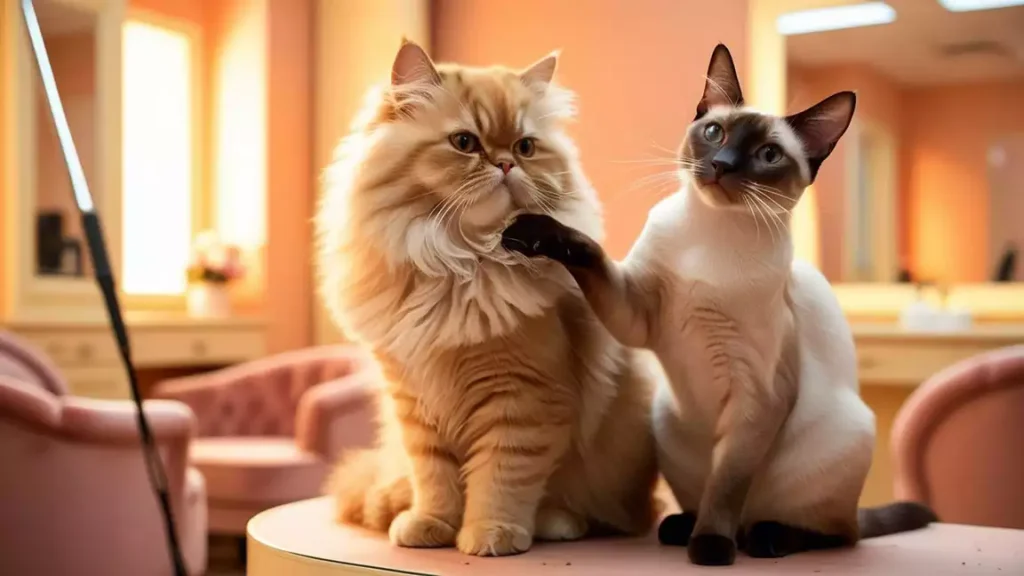
Grooming shows who is dominant and who is submissive. The dominant cat often grooms others to show control. The submissive cat accepts grooming to signal respect and trust. This exchange helps avoid fights and keeps order.
The dominant cat may groom the head or neck of the other cat. The submissive cat usually grooms less or in return, focusing on less sensitive areas. This pattern helps both cats understand their place.
Social Structure
Grooming strengthens bonds in the cat group. It creates a peaceful social structure. Cats that groom each other share trust and cooperation. This makes living together easier and safer.
Groups with clear grooming roles often have less stress. Cats feel secure when their social roles are clear. This helps them focus on resting, hunting, and playing instead of fighting.
Health Indicators
Watching your cats groom each other is more than just a cute moment. It can reveal important clues about their health. Grooming acts as a natural health check within their little social circle.
Detecting Illness
If one cat suddenly stops grooming or is groomed less by the other, it could signal a health problem. Cats often hide pain or discomfort, but a drop in grooming attention might show they’re not feeling well.
Have you noticed any bald patches, sores, or unusual odors during grooming sessions? These signs can indicate skin issues or infections. When cats lick a specific area repeatedly, it might be their way of trying to soothe pain or irritation.
By paying close attention to grooming patterns, you can catch early signs of illness. It’s like your cats are silently telling you, “Something’s wrong here.” Don’t ignore these subtle hints.
Promoting Well-being
Grooming also helps keep your cats healthy by removing dirt, loose fur, and parasites. This mutual care strengthens their bond and reduces stress, which plays a big role in overall well-being.
Think about how your cats calm down after a grooming session. The act releases feel-good hormones that improve mood and immune function. When your cats groom each other, they’re not just cleaning—they’re supporting each other’s health.
Next time you see them grooming, ask yourself: How can I support this behavior? Providing a clean, safe environment and regular vet visits ensures their grooming rituals stay effective and stress-free.
Credit: basepaws.com
When Grooming Becomes Excessive
Grooming between cats is usually a sign of affection and bonding. But when grooming becomes excessive, it can signal underlying issues. It’s important to recognize when this behavior shifts from healthy to problematic.
Signs Of Stress
Excessive grooming often indicates that one or both cats are stressed. You might notice your cats grooming each other repeatedly in short bursts or focusing on certain areas too much.
Other signs of stress include:
- Restlessness or pacing
- Hiding or avoiding interaction
- Aggression or irritability
Have you observed your cats grooming each other more after changes in their environment? This could be a stress response rather than just grooming.
Behavioral Concerns
When grooming turns excessive, it can lead to skin irritation or hair loss. Cats may obsess over grooming to the point where it affects their health and comfort.
Behavioral issues linked to excessive grooming include:
- Compulsive grooming habits
- Social anxiety between cats
- Dominance struggles within the group
Watch how your cats interact after grooming sessions. Are they relaxed or tense? This can help you understand if the behavior is healthy or a sign of conflict.
Credit: catgroomerla.com
Frequently Asked Questions
Why Do Cats Groom Each Other?
Cats groom each other to strengthen social bonds and establish trust. This behavior, known as allogrooming, helps them remove dirt and parasites. It also reinforces their hierarchy within the group. Grooming each other is a sign of affection and friendship among cats, showcasing their complex social interactions and communication skills.
Is Grooming A Sign Of Cat Friendship?
Yes, grooming is a strong indicator of friendship among cats. When cats groom each other, they are showing affection and trust. This behavior helps them bond and maintain social harmony. It also indicates that they feel safe and comfortable with one another, enhancing their relationship and overall well-being.
Can Grooming Indicate Dominance In Cats?
Grooming can sometimes indicate dominance in a group of cats. Dominant cats may groom others to reinforce their position within the social hierarchy. This behavior helps maintain order and reduces conflicts. However, grooming is more commonly a sign of bonding and affection, rather than just asserting dominance among cats.
Do Cats Groom Each Other For Hygiene Reasons?
Yes, cats groom each other for hygiene purposes. Grooming helps remove dirt, loose hair, and parasites from their fur. It’s an efficient way for them to maintain cleanliness. By grooming each other, cats can reach areas that are difficult to clean themselves, ensuring they stay healthy and well-groomed.
Conclusion
Cats grooming each other shows trust and friendship. It helps keep their fur clean and healthy. Grooming also reduces stress and builds strong bonds. Watching this behavior can make you understand your cats better. Remember, it is a natural way for cats to care for each other.
Enjoy these small moments of love and connection between your pets. They speak a language of comfort and safety. Keep observing, and you will see how much your cats care.
