

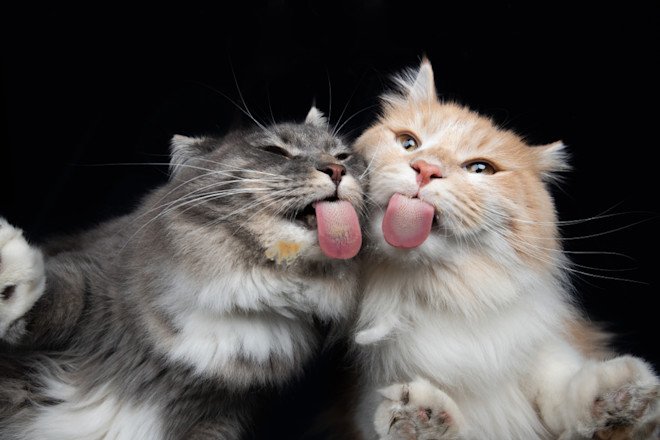
Have you ever wondered why your cat licks you so much? It might seem strange or even a little overwhelming when your furry friend keeps showering you with those wet, tiny licks.
But there’s more to this behavior than just grooming or affection. Understanding why your cat licks you can deepen your bond and help you respond in the best way. Keep reading to discover the surprising reasons behind your cat’s licking and what it really means for your relationship.

Credit: www.moopetcover.com
Cat Behavior Basics
Understanding why your cat licks you so much starts with a grasp of basic cat behavior. Cats communicate differently from humans, using actions like licking to express feelings or needs. Recognizing these signals can deepen your bond and help you respond better to your feline friend.
Social Bonding And Grooming
Cats often lick each other to build and maintain social bonds, a behavior called allogrooming. When your cat licks you, it’s a way of including you in their social circle.
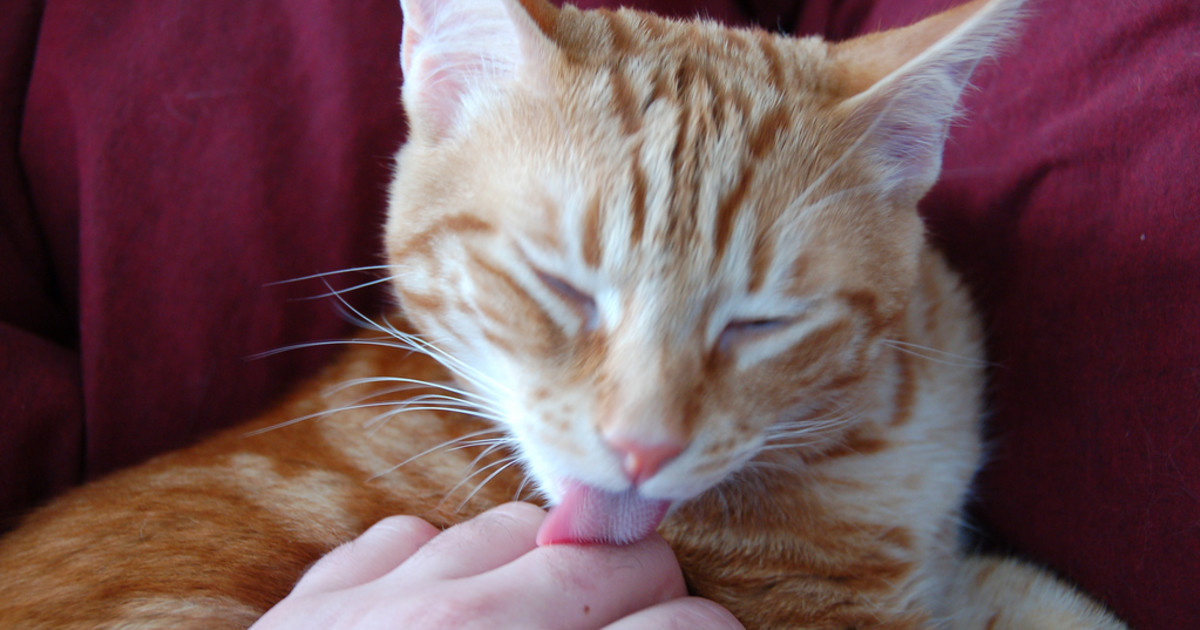
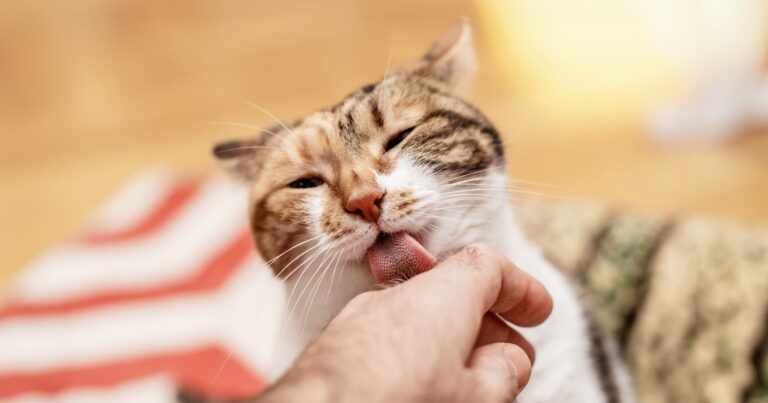
Think about how your cat licks your hand or face gently. This shows trust and affection, much like how they groom their feline family members.
Marking You With Their Scent
Your cat’s tongue carries their scent, which they spread on you through licking. This scent marking signals to other cats that you belong to their territory.
Have you noticed your cat licking you after you’ve been away? They may be re-establishing their scent and connection with you.
Seeking Attention Or Comfort
Licking can also be a way for your cat to get your attention. They might want to play, be petted, or simply feel close to you.
Sometimes licking is calming for cats, similar to how you might bite your nails when nervous. If your cat licks you more when stressed or anxious, it could be a self-soothing behavior.
Health And Hygiene Reasons
Cats are naturally clean animals. If your cat licks you, it might be trying to groom you as part of their instinct to keep things tidy.
Occasionally, licking can indicate a health issue, like skin irritation or an unusual smell that your cat notices. Pay attention if the licking becomes excessive or obsessive.
Affection And Bonding
When your cat licks you repeatedly, it’s often a clear sign of affection and bonding. Cats use grooming to connect with each other, and extending this behavior to you means they see you as part of their family. Understanding why your feline friend licks you can deepen your relationship and help you respond in ways that strengthen your bond.
How Grooming Builds Trust Between You And Your Cat
Grooming is a vulnerable act for cats, usually reserved for close companions. When your cat licks you, it’s a way of showing trust and acceptance. This behavior signals that they feel safe and comfortable around you.
Have you noticed your cat licking you more after a calm, quiet day at home? That’s their way of reinforcing your connection. It’s similar to how they groom their kittens or feline friends, creating a sense of security.
Why Cats Use Licking To Express Love
Licking releases endorphins in cats, making them feel happy and relaxed. Sharing this feeling with you is a sign of affection. Your cat isn’t just grooming; they’re sharing a moment of love and calmness.
If your cat licks your hand or face, they’re including you in their comfort zone. This behavior often increases during stressful times, showing they find comfort and reassurance in your presence. What other ways does your cat show affection?
How To Respond When Your Cat Licks You
- Gently pet or talk softly to your cat to reinforce the positive interaction.
- Offer a favorite treat or toy right after they lick you to create a happy association.
- Observe if the licking is gentle or excessive, as too much licking can signal anxiety or stress.
Responding thoughtfully can strengthen your bond and help your cat feel more secure. Have you ever noticed your cat’s licking habits change with your mood or environment? Paying attention to these cues can improve your understanding of their feelings.
Marking Territory
Cats use licking as a way to mark their territory. This behavior shows they feel safe and own their space. When your cat licks you, it often means they see you as part of their territory.
Cats have scent glands in their mouths. By licking, they leave their scent on you. This scent signals to other animals that you belong to the cat’s territory.
Licking also helps cats feel calm and secure. It is a way for them to bond and show affection while marking their space.
How Cats Use Scent To Mark Territory
Cats have special glands around their face and mouth. When they lick, they spread their scent on you. This scent is unique to each cat.
Other cats or animals can detect this scent. It warns them that the area or person is claimed.
Why Your Cat Chooses To Lick You
Your cat sees you as part of their home. Licking you means they want to mark you with their scent. This makes them feel safer and more connected.
It’s a sign of trust. Your cat feels comfortable enough to mark you as “theirs.”
Signs Your Cat Is Marking Territory Through Licking
- Licking your hands, arms, or face often
- Rubbing their head against you before licking
- Repeated licking after coming back from outside
- Appearing calm or relaxed during licking
What Marking Territory Means For Your Relationship
This behavior strengthens your bond with your cat. It shows your cat trusts and accepts you. Licking is their way of saying, “You belong with me.”
Respecting this behavior helps your cat feel safe. It builds a strong, loving connection.
Credit: pethelpful.com
Grooming Instincts
Cats lick to clean themselves and their friends. This behavior is called grooming. Grooming is a natural habit that helps cats stay clean and healthy. It also shows care and trust between cats and people.
When your cat licks you, it is using its grooming instincts. Cats see you as part of their family. Licking is a way to bond and share comfort. This act also keeps your skin feeling soft and clean.
How Grooming Builds Trust
Cats groom those they trust. Licking you means your cat feels safe. It shows a strong bond between you and your pet. This trust makes your cat feel calm and happy.
Grooming As A Social Activity
In the wild, cats groom each other to form groups. This social licking reduces stress and creates friendships. Your cat treats you like a fellow cat in its group. Licking helps your cat stay close to you.
Self-care And Hygiene
Grooming keeps cats clean and healthy. Licking removes dirt and loose fur. Your cat may lick you to keep your skin clean too. It’s a way to help and care for you.
Seeking Attention
Cats often lick their owners to get attention. This behavior is a clear sign they want interaction or affection. Licking acts as a gentle call, asking for your focus and care.
Pets use licking to communicate with people. Your cat may feel lonely or bored. Licking can invite you to play or pet them. It helps build a closer bond between you and your cat.
How Licking Gets Your Attention
When your cat licks you, it interrupts your activity. This makes you notice them immediately. Cats learn that licking brings you closer. They repeat it to keep your attention.
Signs Your Cat Wants More Interaction
- Licking combined with meowing
- Rubbing their head against you
- Following you around the house
- Pawing gently while licking
What To Do When Your Cat Licks For Attention
Respond by petting or talking softly. Offer a toy to play with. Spend a few minutes giving focused attention. This shows your cat you care.
Ignoring licking may cause your cat to lick more. Meeting their need for attention reduces this behavior. It strengthens your bond and keeps your cat happy.
Stress And Anxiety
Stress and anxiety can play a big role in why your cat licks you so much. Cats often use licking as a way to calm themselves and manage their feelings. Understanding this behavior can help you support your furry friend better.
How Stress Triggers Excessive Licking
When cats feel stressed, they may start licking more than usual. This licking acts like a self-soothing tool, similar to how some people bite their nails when nervous. If your cat has recently faced changes like moving to a new home or loud noises, you might notice increased licking directed at you.
Why Your Cat Chooses You To Lick
Your cat sees you as a safe place during stressful times. Licking you releases calming hormones and helps them feel secure. This behavior shows trust, but it can also be a sign they’re trying to manage their anxiety through physical contact.
Signs Your Cat Might Be Anxious
- Frequent licking of you or themselves beyond usual grooming
- Hiding or avoiding interaction after licking sessions
- Changes in appetite or sleeping patterns
Have you noticed any of these signs along with the licking? Spotting these clues early can help you ease your cat’s stress.
How To Help Your Cat Feel Less Anxious
- Create a calm environment with quiet spaces
- Maintain a consistent routine for feeding and playtime
- Use calming aids like pheromone diffusers or gentle massages
- Spend quality time bonding through gentle petting or interactive toys
Helping your cat feel safe can reduce the need for excessive licking. What small changes can you make in your daily routine to help your cat relax?
Taste And Texture Curiosity
Cats use their tongues to explore the world around them. Their licking is not just grooming; it shows a strong curiosity about taste and texture. This behavior helps them learn about their environment and the people they live with.
When a cat licks you, it may be trying to taste your skin or the salt from your sweat. Cats have sensitive tongues that can detect different flavors. They enjoy the salty taste, which makes licking a pleasant experience.
Texture also plays a role. A cat’s tongue is rough, covered with tiny, hook-like structures. These hooks help cats groom themselves and can feel soothing when they lick your skin. This unique texture encourages cats to lick repeatedly.
Taste Sensitivity In Cats
Cats have more taste buds for meat flavors than humans. They detect salty, bitter, and sour tastes differently. Your skin’s saltiness might attract your cat’s attention.
Texture Appeal Of Human Skin
The roughness of a cat’s tongue matches the texture of your skin. This creates a satisfying sensation for cats. It may remind them of grooming a fellow cat.
How Licking Builds Connection
Licking helps cats bond with their owners. It is a way to show affection and trust. The taste and texture experience strengthens this bond.
Health Concerns
Cats use licking as a way to communicate and bond. But sometimes, excessive licking might signal health problems. Paying attention to this behavior can help protect your cat’s well-being. Some health issues can cause your cat to lick you more often than usual.
Skin Conditions
Cats with skin problems may lick their owners to soothe discomfort. Conditions like dermatitis or fungal infections cause itchiness. Your cat might transfer some irritation by licking your skin. It is important to check your cat’s skin for redness or sores. Visit a vet if you notice unusual licking or skin changes.
Allergies
Allergies can make cats lick more than normal. They react to food, pollen, dust, or chemicals in the home. Licking helps reduce itchiness and irritation caused by allergens. Watch for signs like sneezing, watery eyes, or swelling. Allergies need a vet’s diagnosis and proper treatment.
Nutritional Deficiencies
A cat might lick you if it lacks certain nutrients. Deficiencies in vitamins or minerals can cause strange behavior. Your cat may seek extra salt or moisture from your skin. Balanced food is essential for your cat’s health. Talk to your vet about the right diet to avoid problems.
How To Manage Excessive Licking
Excessive licking from your cat can be both puzzling and overwhelming. Understanding how to manage this behavior helps maintain a healthy bond and keeps your cat happy. Let’s look at practical steps you can take to gently guide your cat away from constant licking.
Redirecting Behavior
When your cat starts licking too much, try redirecting their attention to something else. Offer a favorite toy or engage them in a quick play session to shift their focus. This helps them learn that licking isn’t the only way to get your attention or feel comforted.
Sometimes, simply moving away calmly can send a clear signal that licking is not welcome. Avoid yelling or punishment, as this can increase stress and worsen the behavior. Instead, reward your cat with treats or affection when they stop licking on their own.
Providing Enrichment
Boredom often leads to excessive licking, so adding more stimulation to your cat’s day can reduce this habit. Create a rich environment with climbing shelves, puzzle feeders, and interactive toys. These keep your cat mentally and physically engaged, lowering the urge to lick you repeatedly.
Have you noticed your cat licking more when you’re busy or distracted? Try setting aside dedicated playtime or cuddle sessions to fulfill their social needs. A well-stimulated cat is less likely to rely on licking as a way to cope with loneliness or anxiety.
Consulting A Veterinarian
If licking becomes obsessive or causes skin irritation, it’s important to consult your vet. Sometimes, medical issues like allergies, parasites, or pain trigger excessive licking. Your vet can help identify underlying problems and suggest treatments or behavioral strategies.
Don’t wait for the situation to worsen. Early advice from a professional can save you stress and prevent your cat from developing harmful habits. Have you noticed any other changes in your cat’s behavior that might signal discomfort?
Credit: www.diamondpet.com
Frequently Asked Questions
Why Does My Cat Lick Me So Much?
Cats lick to show affection and bond with their owners. It’s a sign of trust and comfort. Licking also helps cats mark their territory with their scent. Sometimes, it’s a way to seek attention or groom you as part of their social behavior.
Is Cat Licking A Sign Of Love Or Stress?
Cat licking usually indicates love and bonding. However, excessive licking can signal stress or anxiety. If your cat licks persistently, observe its behavior and environment. Providing comfort and reducing stressors can help. Consult a vet if licking seems compulsive or unusual.
Can Cat Licking Be Harmful To Humans?
Cat licking is generally harmless but can spread bacteria. Cats groom themselves, which transfers germs to their tongue. Avoid letting cats lick open wounds or your face. Regular hand washing after petting can reduce any risk of infections.
How To Reduce Excessive Cat Licking Behavior?
Distract your cat with toys or playtime to reduce licking. Provide enough attention and affection to satisfy its social needs. Use positive reinforcement to discourage excessive licking. Consult a vet if licking becomes compulsive or causes skin issues.
Conclusion
Cats lick to show love and trust. It also helps them feel safe and close. Sometimes, they lick to groom or explore. Each cat has its own reasons for licking. Understanding this can deepen your bond. Enjoy these small signs of affection daily.
Your cat’s licking means they care about you. It’s a special way they express feelings. Keep watching and learning their unique behavior.
