

You might think your indoor cat is safe from rabies because they never step outside. But did you know that even indoor cats need rabies shots?
Protecting your furry friend goes beyond just keeping them inside. Rabies is a serious disease that can affect any cat, no matter where they live. You’ll discover why vaccinating your indoor cat is essential for their health—and your peace of mind.
Keep reading to learn the surprising reasons behind this important shot and how it keeps your beloved pet safe.
Rabies Risk For Indoor Cats
Many cat owners believe that indoor cats are safe from rabies because they don’t roam outside. However, rabies risk for indoor cats is still real and should not be ignored. Understanding how rabies can reach your cat inside your home helps you make better decisions about vaccination and safety.
Possible Exposure Sources
Rabies spreads through bites or scratches from infected animals. Even if your cat stays indoors, it can still encounter the virus indirectly. For example, a bat could enter your home and interact with your cat, or an infected animal could leave saliva on a doorstep or window sill where your cat likes to sit.
Have you ever found a bat or wild animal inside your house unexpectedly? This kind of surprise encounter is a real risk for rabies transmission.
Wildlife And Other Pets
Wild animals such as raccoons, skunks, bats, and foxes are common carriers of rabies. These animals might not always be visible but can get close to your home, especially at night. Your cat could come into contact with them through open windows or doors.
Other pets in your household, like dogs or outdoor cats, may also bring rabies risk into your home. If those pets go outside and meet wildlife, they can carry the virus back, exposing your indoor-only cat indirectly.
Accidental Outdoor Access
Many indoor cats sneak outside without their owners noticing. A cracked door, an open window, or a moment of curiosity might lead your cat outdoors. Even a brief outdoor visit puts them at risk of meeting an infected animal.
Think about your own cat’s behavior—do they ever slip out? If yes, rabies vaccination becomes an important protective step.
Rabies Vaccine Benefits
Vaccinating your indoor cat against rabies offers more than just peace of mind. It creates a crucial shield that protects your pet, meets legal responsibilities, and keeps your entire community safer. Understanding these benefits helps you make informed decisions about your cat’s health and your role as a responsible pet owner.
Protection Against Fatal Disease
Rabies is a deadly virus that affects the brain and nervous system. Once symptoms appear, the disease is almost always fatal for cats and humans alike.
Even indoor cats can be exposed through unexpected encounters with bats or other wildlife that enter your home. Vaccinating your cat provides a safe barrier against this devastating illness, giving your pet the best chance to stay healthy.
Legal Requirements
Many regions require rabies vaccinations by law for all cats, regardless of whether they live indoors or outdoors. Not following these laws can lead to fines or other penalties.
By keeping your cat’s rabies vaccination up to date, you avoid legal trouble and show that you’re a responsible pet owner. It also streamlines processes like pet boarding, grooming, or emergency vet visits that often require proof of vaccination.
Community Safety
Your cat’s vaccination protects not just your pet but also the people around you. Rabies can spread to humans and other animals through bites or scratches.
Vaccinated cats reduce the risk of rabies outbreaks in your neighborhood. When everyone does their part, your community stays safer from this dangerous disease.
Vaccination Schedule
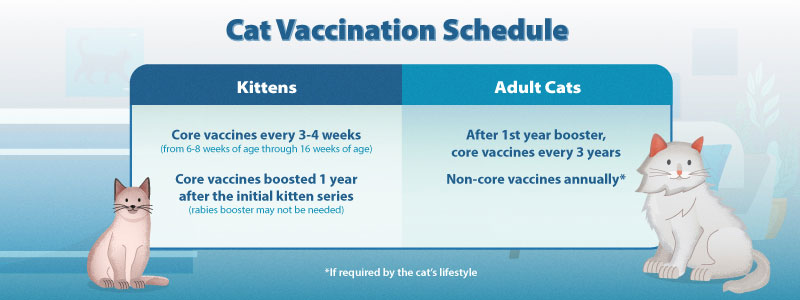
Keeping indoor cats safe requires a clear vaccination schedule. Rabies shots protect cats from a deadly virus. Even indoor cats can face risks from bats or other wildlife. Following the right schedule ensures long-lasting protection.
Initial Shots
Kittens usually receive their first rabies shot at 12 weeks old. This initial vaccine starts their immunity against the virus. Some vets may recommend a second shot a few weeks later. It is important to start vaccinations early for best results.
Booster Timing
After the initial vaccine, cats need booster shots. These boosters keep immunity strong over time. Typically, boosters occur one year after the first shot. Later, boosters happen every three years. Sticking to this timing avoids gaps in protection.
Veterinary Recommendations
Veterinarians provide personalized advice for each cat. They consider the cat’s health, age, and lifestyle. Vets also follow local laws about rabies vaccination. Regular vet visits help keep vaccination schedules on track. Trusting vet guidance keeps cats safe and healthy.

Credit: weareallaboutcats.com
Signs Of Rabies In Cats
Recognizing the signs of rabies in cats is crucial, especially since symptoms can appear subtly at first. Rabies affects a cat’s nervous system, leading to noticeable changes in behavior and physical health. Being aware of these signals helps you act quickly to protect your pet and those around it.
Behavioral Changes
One of the earliest signs of rabies is a shift in your cat’s usual behavior. You might notice your calm cat becoming unusually aggressive or, on the flip side, overly shy and withdrawn.
Sudden irritability, restlessness, or confusion can also show up. If your cat starts avoiding you or acts fearful without reason, it’s a red flag worth checking.
Physical Symptoms
Physical signs of rabies often follow the behavioral changes. Look for excessive drooling or foaming at the mouth, which happens because the virus affects the throat muscles.
Other symptoms include difficulty swallowing, staggering, or paralysis starting in the hind legs. These signs indicate the infection has progressed and needs immediate attention.
When To Seek Help
If you notice any of the behaviors or symptoms mentioned, don’t wait to contact your veterinarian. Rabies is nearly always fatal once symptoms appear, but early intervention can prevent further risks.
Think about the last time your cat had contact with wildlife or unknown animals. Even if your cat is indoors, small encounters through open windows or doors can expose them.
Have you ever observed sudden changes in your cat’s mood or movement? Acting fast could save your cat’s life and protect your family’s health.
Risks Of Skipping Vaccination
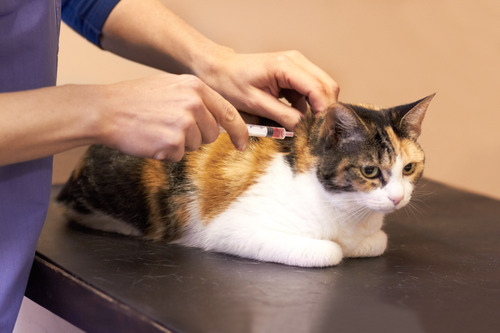
Skipping rabies vaccination for indoor cats poses serious risks. Rabies is a deadly virus. It can affect cats even if they never go outside. Bites from other animals or accidental exposure can spread the virus. The dangers go beyond the cat’s health. Legal and social problems may arise. Other pets in the home also face threats without vaccination.
Health Consequences
Rabies causes severe brain damage in cats. Symptoms include aggression, paralysis, and seizures. Once symptoms appear, the disease is fatal. Vaccination prevents these deadly effects. Unvaccinated cats risk contracting and spreading rabies. It puts their lives in immediate danger.
Legal Implications
Many places require rabies shots by law. Skipping vaccination can lead to fines or penalties. Authorities may quarantine or remove unvaccinated cats. Owners might face legal trouble if their cat bites someone. Following vaccination laws protects both cats and owners.
Impact On Other Pets
Rabies spreads through bites and saliva. Unvaccinated cats can infect dogs, rabbits, or other animals. This puts the entire household at risk. Vaccinating your cat helps keep all pets safe. It stops the spread of this deadly disease within your home.
Credit: triangleanimalclinic.com
Myths And Facts
Many people believe indoor cats do not need rabies shots. This idea comes from thinking these cats never leave the house. Some assume indoor cats face no risk of rabies. These are myths that can put pets at risk. Understanding the facts helps keep cats safe and healthy.
Common Misconceptions
- Indoor cats cannot catch rabies because they stay inside.
- Rabies only spreads through wild animals outside.
- Indoor cats are safe without vaccination.
- Rabies shots are dangerous for indoor pets.
These ideas are not true. Rabies can enter the home in many ways. Bats or other animals can get inside. People might bring the virus unknowingly. The virus is deadly and preventable.
Scientific Evidence
Studies show rabies cases in indoor cats still occur. The virus spreads through bites and saliva. Even a small chance of exposure is risky. Vaccination creates immunity and prevents disease.
Research confirms vaccinated cats survive exposure. Vaccines have been tested for safety and effectiveness. Experts recommend rabies shots regardless of lifestyle. The goal is to protect all cats.
Expert Opinions
Veterinarians strongly advise rabies vaccination for all cats. The American Veterinary Medical Association supports this rule. Health officials require rabies shots by law in many places.
Experts explain vaccination prevents suffering and death. Rabies is almost always fatal once symptoms appear. Prevention through vaccines is the safest option. Protecting cats protects their families too.
Credit: www.carecredit.com
Frequently Asked Questions
Why Do Indoor Cats Need Rabies Shots?
Indoor cats can still be exposed to rabies through bats or other wildlife entering the home. Vaccination protects them from this deadly disease. Rabies shots also comply with local laws and keep your cat and family safe.
Are Rabies Shots Safe For Indoor Cats?
Yes, rabies vaccines for cats are safe and thoroughly tested. Side effects are rare and usually mild, such as slight swelling or lethargy. Vaccinating indoor cats prevents fatal rabies infection and protects public health.
How Often Should Indoor Cats Get Rabies Shots?
Indoor cats typically need a rabies booster every one to three years. Your vet will recommend the schedule based on local laws and vaccine type. Regular boosters maintain effective immunity against rabies.
Can Indoor Cats Catch Rabies Without Going Outside?
Yes, indoor cats can catch rabies if bats or wild animals enter the house. Rabies spreads through bites or scratches from infected animals. Vaccination ensures your indoor cat is protected regardless of outdoor access.
Conclusion
Rabies shots protect indoor cats from rare but serious risks. Viruses can enter homes through bats or other animals. Vaccinating keeps your cat safe and healthy. It also helps protect your family from disease. Regular shots are a simple step for peace of mind.
Talk to your vet about the best schedule. Staying prepared is better than facing illness later. Keep your indoor cat safe with rabies vaccination.
