


Have you ever wondered why dogs and cats often seem to dislike each other? If you’ve noticed your dog acting uneasy or even aggressive around cats, you’re not alone.
This common clash isn’t just random—it’s rooted in their natural behaviors and instincts. Understanding why your dog may not get along with cats can help you create a more peaceful home for both pets. Keep reading, and you’ll discover surprising reasons behind this age-old rivalry and simple tips to ease the tension between your furry friends.
Historical Rivalry
The tension between dogs and cats is more than just a modern pet rivalry; it has roots that reach deep into history. This historical rivalry shapes much of their behavior toward each other even today. Understanding where this tension began can give you insight into why your dog might be wary of a feline visitor.
Origins Of Dog And Cat Domestication
Dogs were among the first animals to be domesticated by humans, around 14,000 years ago. They evolved alongside humans as hunters and protectors, forming close bonds with people.
Cats, on the other hand, were domesticated much later, about 9,000 years ago, primarily to control pests. Their relationship with humans was more independent and less cooperative than that of dogs.
This difference in domestication purposes means dogs and cats developed distinct roles and behaviors, setting the stage for their uneasy interactions.
Evolutionary Differences
Dogs are pack animals by nature. They rely on social hierarchies and group cooperation, which makes them more focused on teamwork and following commands.
Cats evolved as solitary hunters. Their survival depended on stealth and independence, not social bonds. This fundamental difference influences how they perceive and react to other animals.
Have you noticed how your dog tries to play or lead, while your cat prefers to observe or escape? These instincts reflect their evolutionary paths and can explain why dogs may see cats as unfamiliar or even threatening.
Credit: secondchancehumane.org
Instinctual Behaviors
Dogs and cats have very different instincts that shape how they behave. These instinctual behaviors often cause misunderstandings between the two animals. Their natural reactions come from thousands of years of evolution. These instincts affect their interactions and can explain why dogs may not like cats.
Prey Vs. Predator Instincts
Dogs often see cats as prey because of their quick movements. This triggers the dog’s chase instinct. Cats, on the other hand, are both predators and prey in nature. They are cautious and quick to escape. This makes cats wary of dogs. The chase and flee response is a natural survival mechanism. It can cause tension and fear between them.
Territorial Nature
Dogs and cats both protect their space fiercely. Dogs mark their territory by scent and body language. Cats do the same but are often more secretive about it. When a dog enters a cat’s territory, the cat may feel threatened. Dogs may react by trying to assert control. This clash over space often leads to conflict. Respecting each other’s territory is key to peace.
Communication Barriers
Communication barriers play a big role in why dogs and cats often misunderstand each other. These two animals use very different signals to express their feelings and intentions. When they misread these signals, it can lead to confusion and tension between them.
Body Language Misinterpretations
Dogs and cats have distinct ways of using their bodies to communicate. A wagging tail on a dog usually means happiness, but a cat wagging its tail often signals irritation or annoyance. If your dog sees a cat’s tail movement and thinks it’s friendly, it might get too close, making the cat defensive.
I once saw a dog approach a cat with a playful bow, hoping to make friends. The cat, however, arched its back and hissed, which the dog interpreted as a game invitation. This mix-up led to a quick scuffle, showing how body language can create misunderstandings.
Look closely at how your dog and cat use their ears, eyes, and posture. These small clues reveal if they feel safe or threatened. Helping your pets learn each other’s signals can reduce conflicts.
Vocalization Differences
Dogs and cats also communicate with very different sounds. Dogs bark or whine to get attention or express excitement, while cats meow mostly to communicate with humans, not other animals. When a dog barks loudly at a cat, the cat might feel threatened or annoyed.
Your cat’s purring might seem like a calm, friendly sound to you, but a dog may not understand what it means. Similarly, a cat’s hiss is a clear warning, but a dog might respond with curiosity or even excitement, not realizing the cat wants space.
Have you noticed how your dog reacts to your cat’s different sounds? Paying attention to these vocal signals and gently guiding your pets can help them respect each other’s boundaries.
Social Structure Differences
Understanding why dogs and cats often clash starts with looking at their social structures. Their natural behaviors and instincts shape how they interact with the world—and with each other. The differences in their social lives can create tension and misunderstanding between these two popular pets.
Pack Mentality In Dogs
Dogs are naturally pack animals. They thrive on clear social hierarchies and teamwork within their group.
This pack mentality makes dogs look for leadership and companionship, often seeing other animals as part of their “pack” or as competitors for attention and resources.
Because dogs are used to cooperating and following a leader, they might become confused or frustrated by the more independent behavior of cats. Have you noticed your dog trying to herd or control your cat? That’s the pack instinct at work.
Solitary Nature Of Cats
Cats, on the other hand, are more solitary by nature. Unlike dogs, they don’t rely on a social group to survive and often prefer to keep to themselves.
This independence means cats can be less tolerant of others invading their space, especially if they don’t recognize the other animal as part of their “territory.”
Your cat’s cautious or defensive behavior around your dog might be a way to protect their personal space, not just dislike. Have you ever watched how your cat avoids eye contact or slinks away when the dog approaches? These are signs of their solitary instincts kicking in.
Human Influence
Humans shape how dogs and cats see each other. Our actions, words, and habits affect their behavior. Dogs often learn from their owners. People’s feelings about pets can create tension between dogs and cats. Understanding this human influence helps explain why dogs may not like cats.
Owner’s Bias And Training
Owners often choose which pet to favor. This bias can influence the dog’s attitude. Dogs sense their owner’s feelings. If an owner dislikes cats, a dog might act unfriendly toward them. Training also plays a role. Some owners train dogs to chase or bark at cats. This teaches dogs to see cats as threats or prey. Positive training can help dogs accept cats more calmly.
Media Portrayal
Movies and cartoons often show dogs and cats as enemies. These stories shape how people think about pets. Dogs chasing cats is a common theme. Kids grow up believing dogs and cats don’t get along. This idea passes from person to person. The media creates a stereotype that dogs dislike cats. This influences how owners treat their pets and expect their behavior.
:quality(75))
Credit: manypets.com
Coexistence Possibilities
Coexistence between dogs and cats might seem like a challenge, but it’s far from impossible. Many pet owners have managed to create peaceful homes where both animals feel safe and respected. The key lies in understanding their unique behaviors and carefully guiding their interactions.
Successful Integration Strategies
Start by introducing your dog and cat in a controlled environment. Use a leash or crate to keep the dog calm and allow the cat to explore at its own pace. This helps reduce fear and aggression from both sides.
Pay close attention to body language. If your dog wags its tail but stiffens, it might be too excited or anxious. If your cat arches its back or hisses, it’s signaling discomfort. Respect these signs and give them space.
Positive reinforcement works wonders. Reward calm behavior with treats and praise. This teaches your dog and cat that being near each other leads to good things.
Benefits Of Peaceful Co-living
When dogs and cats live together peacefully, your household becomes more relaxed. You’ll notice less stress in your pets and fewer destructive behaviors caused by anxiety.
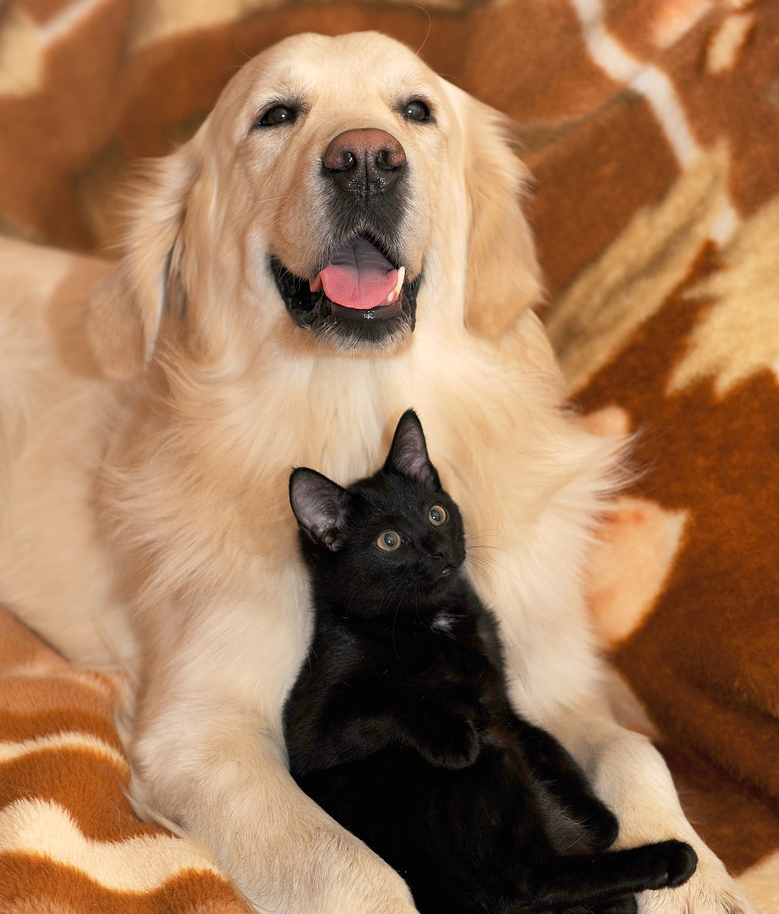
Both animals can benefit from companionship. Dogs often enjoy the calming presence of a cat, while cats can find security with a friendly dog. Have you observed any surprising friendships between your pets?
Peaceful co-living also means less work for you. Without constant conflicts, you spend less time managing disputes and more time enjoying their company. Imagine how much easier daily routines become.

Credit: www.theguardian.com
Frequently Asked Questions
Why Do Dogs Chase Cats Instinctively?
Dogs chase cats due to their natural prey drive. Movement triggers this instinct, causing dogs to pursue smaller animals like cats. This behavior is common in many dog breeds and is rooted in their hunting ancestry, not personal dislike.
Can Dogs And Cats Become Friends?
Yes, dogs and cats can become friends with proper introduction and training. Patience, positive reinforcement, and controlled interactions help build trust and reduce fear or aggression between them over time.
Why Do Some Dogs Bark Aggressively At Cats?
Dogs bark aggressively at cats due to fear, territorial behavior, or lack of socialization. Barking serves as a warning or defensive mechanism to protect their space or assert dominance.
Does A Dog’s Breed Affect Its Attitude Toward Cats?
Yes, some dog breeds have stronger prey drives, influencing their behavior toward cats. Breeds bred for hunting or herding may be less tolerant, while companion breeds often adapt better to living with cats.
Conclusion
Dogs and cats often act differently around each other. Their natural instincts can cause tension and fear. Dogs chase, cats run—that’s normal behavior. Understanding these differences helps us care for both pets better. Patience and proper training can help them get along.
Many dogs and cats live happily together with time. Knowing why they don’t always get along makes us better pet owners. It also helps keep peace in our homes. Simple steps can turn rivalry into friendship. Everyone benefits when pets feel safe and loved.
