

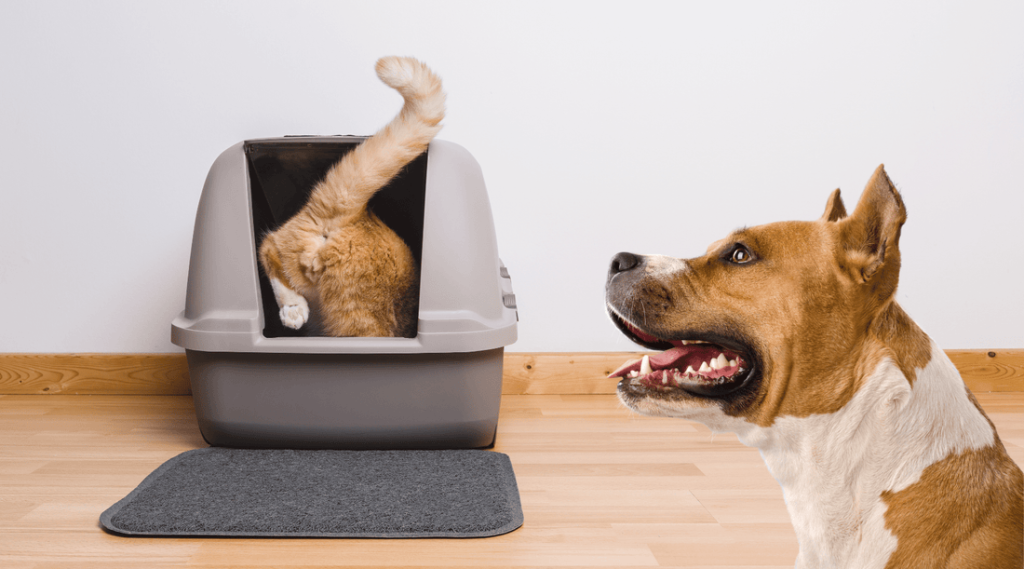
Have you ever caught your dog munching on your cat’s droppings and wondered, “Why on earth would they do that?” It’s a strange and unsettling behavior that leaves many pet owners puzzled and concerned. You’re not alone in wanting to understand what’s behind this habit—and more importantly, how to stop it.
You’ll discover the surprising reasons dogs eat cat turds and simple steps you can take to protect your furry friends. Keep reading to uncover the truth and find solutions that work for your home.

Credit: petscathouse.com
Reasons Dogs Eat Cat Turds
Dogs have a peculiar habit of munching on things that leave us scratching our heads. One such puzzling behavior is their tendency to eat cat turds. While it might seem odd, there are various reasons behind this quirky action. Understanding these reasons can help you better manage your dog’s behavior and ensure they stay healthy.
Nutritional Deficiencies
Sometimes, dogs munch on cat turds because they are missing certain nutrients in their diet. Cat food is typically richer in protein and fats compared to dog food. Dogs might be attracted to the remnants of these nutrients in cat feces.
If your dog is constantly seeking out cat turds, it might be worth evaluating their diet. Consider consulting your vet to ensure your dog’s nutritional needs are fully met.
Instinctive Behavior
Eating feces, also known as coprophagia, can be an instinctual behavior inherited from their wild ancestors. In the wild, consuming feces was a way to keep their environment clean and reduce the risk of predators finding them. This behavior might still be embedded in your dog’s DNA.
It might seem gross, but it’s just another way your dog is trying to be helpful. Understanding this can help you be more patient and proactive in correcting the habit.
Attention-seeking Actions
Dogs are smart and often know how to push your buttons. If eating cat turds consistently grabs your attention, they might continue doing it for the reaction. Dogs crave attention, whether it’s positive or negative.
Try redirecting your dog’s focus with more positive interactions. Reward them for good behavior to break the cycle of attention-seeking through undesirable actions.
Digestive Issues
Your dog might be trying to settle an upset stomach by eating cat turds. Sometimes, dogs eat unusual things to trigger vomiting and feel better. If your dog seems to have digestive issues, it’s essential to consult a vet.
Pay attention to other symptoms like loss of appetite or lethargy. These can be signs that something more serious might be going on.
Curiosity And Exploration
Dogs are naturally curious creatures. They explore the world through their noses and mouths, leading them to sample things you wish they wouldn’t. Cat turds might just be another intriguing discovery.
It’s important to provide your dog with safe outlets for their curiosity. Interactive toys and engaging activities can keep them occupied and away from the litter box.
Credit: animals.howstuffworks.com
Health Risks Of Eating Cat Feces
Eating cat feces might seem like a harmless quirk, but it can pose serious health risks to your dog. Cat feces can harbor various harmful organisms and substances that may affect your pet’s well-being. Understanding these risks helps you protect your furry friend and take action if you notice this behavior.
Parasite Transmission
Cat feces often contain parasites like Toxoplasma gondiiand roundworms. These parasites can infect your dog, leading to symptoms such as vomiting, diarrhea, and weight loss. Have you ever noticed your dog acting lethargic after eating something off the ground? Parasite infections might be the cause.
Some parasites can be tough to detect early on, which makes prevention crucial. Regular vet check-ups and keeping your yard clean can reduce the risk. It’s worth asking your vet about parasite screenings if your dog has this habit.
Bacterial Infections
Cat feces can carry harmful bacteria like Salmonellaand E. coli. When your dog eats these droppings, they risk developing infections that cause stomach upset and, in severe cases, systemic illness. If your dog suddenly shows signs of diarrhea or fever, consider if they might have eaten something unsafe.
Bacteria from cat feces can also spread to your household, especially if your dog licks its fur or paws after eating feces. Cleaning your dog’s paws and preventing access to litter boxes can help reduce this risk.
Toxicity Concerns
Sometimes, cat feces can contain traces of medications or toxins that cats have ingested. These substances can be harmful or even toxic to dogs. For example, if a cat has been treated with dewormers or flea medications, residues may end up in their feces.
It’s important to monitor your dog’s health closely if you suspect they have eaten contaminated feces. Signs like drooling, weakness, or seizures require immediate veterinary attention. Have you ever wondered what hidden dangers could be lurking in something as small as a cat turd?
Preventing The Behavior
Stopping dogs from eating cat turds requires clear steps. This behavior can be harmful and unpleasant for both pets and owners. Understanding how to prevent it helps keep pets safe and homes clean. The key areas to focus on include diet, litter box care, training, and keeping dogs busy.
Proper Diet And Supplements
Dogs might eat cat feces due to missing nutrients in their diet. Feeding a balanced, high-quality dog food reduces this urge. Sometimes, adding vitamins or digestive enzymes helps. Check with a vet for advice on supplements. Proper nutrition keeps dogs satisfied and less likely to seek out strange things.
Litter Box Management
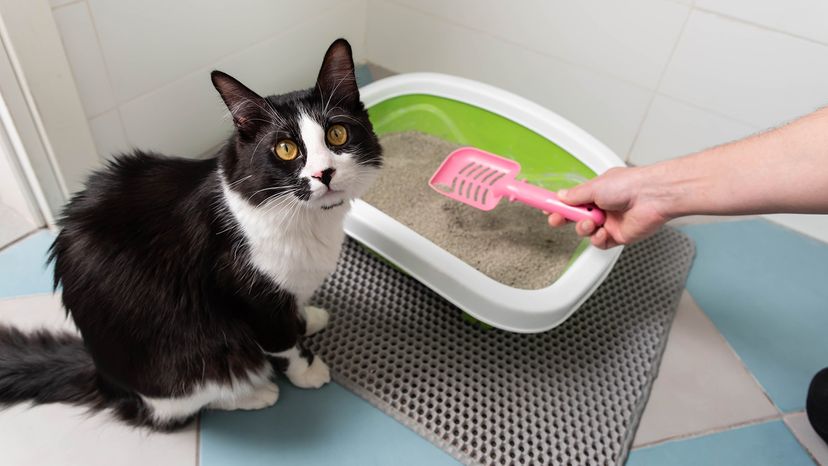
Keeping the litter box clean is crucial. Scoop it at least once a day to remove waste quickly. Use covered litter boxes or place them in hard-to-reach spots. This limits your dog’s access to cat feces. Using litter mats around the box can also catch debris and reduce interest.
Training Techniques
Training helps teach dogs what is okay to eat. Use commands like “leave it” or “no” firmly. Reward your dog when they ignore the litter box. Consistency is important to change behavior. Avoid punishment, which can cause fear or confusion.
Environmental Enrichment
Keep dogs busy with toys and playtime. Bored dogs look for things to chew or eat. Puzzle feeders, chew toys, and daily walks help. A tired dog is less likely to explore cat waste. Enrichment improves their mental and physical health.
When To See A Veterinarian
Dogs eating cat turds can be worrying for many pet owners. Sometimes, this behavior signals an underlying health or behavioral issue. Knowing when to consult a veterinarian helps keep your dog safe and healthy.
Veterinarians can identify if the behavior is linked to illness or other concerns. Early detection of problems often leads to better treatment. Observe your dog closely and seek professional advice if needed.
Signs Of Illness
- Loss of appetite or sudden weight loss
- Vomiting or diarrhea
- Excessive thirst or urination
- Lethargy or unusual tiredness
- Changes in stool consistency or color
- Persistent bad breath or mouth issues
These signs may indicate digestive problems or nutrient deficiencies. A vet check can rule out infections or parasites. Early treatment prevents worsening health conditions.
Behavioral Assessments
- Obsessive eating of non-food items
- Sudden changes in eating habits
- Stress or anxiety-related behaviors
- Ignoring regular meals but seeking cat feces
- Signs of boredom or lack of stimulation
A vet or animal behaviorist can help identify causes. They may suggest environmental changes or training. Proper guidance can reduce or stop this habit.
Credit: animals.howstuffworks.com
Frequently Asked Questions
Why Do Dogs Eat Cat Feces?
Dogs eat cat feces because they are curious and attracted to the smell. Cat feces contain undigested nutrients and proteins. This behavior, called coprophagia, is common but can be unhealthy for dogs. It may also happen due to boredom or nutritional deficiencies.
Is Eating Cat Turds Harmful To Dogs?
Eating cat turds can be harmful as they may contain parasites or bacteria. Dogs risk infections like worms or gastrointestinal issues. It’s important to discourage this behavior and keep litter boxes clean. Consult a vet if your dog shows unusual symptoms after eating feces.
How Can I Stop My Dog From Eating Cat Poop?
To stop this habit, keep the litter box inaccessible to your dog. Use covered or high-placed litter boxes. Provide plenty of toys and exercise to reduce boredom. Reward good behavior and consult a vet for dietary advice or behavioral training.
Do Dogs Eat Cat Poop Due To Nutritional Needs?
Sometimes dogs eat cat poop because they seek missing nutrients. Cat feces contain undigested proteins that attract dogs. If your dog frequently eats feces, check its diet for balance. A vet can recommend proper nutrition to prevent this behavior.
Conclusion
Dogs eating cat turds might seem strange but has simple reasons. They may seek extra nutrients or are curious. Sometimes, it is a sign of boredom or stress. Training and attention can reduce this behavior. Keep your pets clean and safe to avoid health risks.
Understanding why helps you care better for your dog. Small changes can make a big difference in habits. Watch your dog closely and act kindly and patiently. Helping them stay happy is the best goal.
