

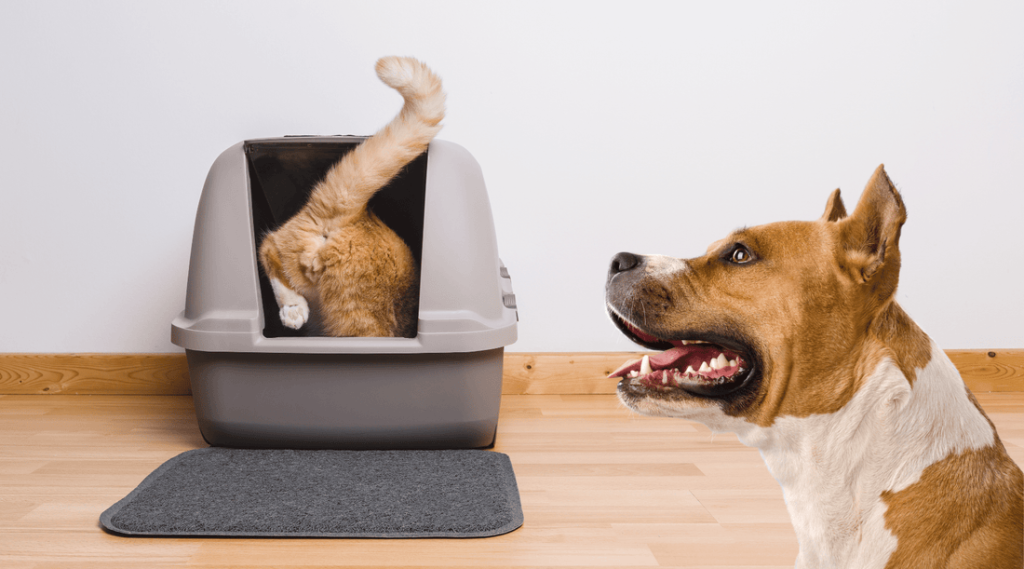
Have you ever caught your dog munching on your cat’s poop and wondered, “Why on earth is my dog doing that?” It’s a behavior that can leave you puzzled, grossed out, and worried about your pet’s health. You’re not alone—many dog owners face this strange habit and want to understand what’s behind it.
You’ll discover the surprising reasons why dogs eat cat poop and what you can do to stop it for good. Keep reading—you’ll learn everything you need to protect your furry friend and keep your home clean.
Credit: animals.howstuffworks.com
Reasons Dogs Eat Cat Poop
Dogs often eat cat poop because it smells interesting and has leftover nutrients. Sometimes, they do it out of boredom or curiosity. This behavior can also signal a lack of certain vitamins or minerals in their diet.
Understanding why dogs eat cat poop can be both puzzling and concerning for pet owners. It’s a behavior that seems unusual, but there are logical explanations behind it. By exploring these reasons, you can better understand your furry friend and address this curious habit effectively. Let’s delve into some of the main reasons why dogs may be tempted by the contents of a litter box.Nutritional Deficiencies
Dogs might eat cat poop if they’re lacking essential nutrients. A diet low in vitamins or minerals could lead them to seek these nutrients elsewhere. Cat feces, being rich in protein and fat, might seem like an appetizing supplement to your dog.Attraction To Smell And Taste
Dogs have an extraordinary sense of smell. Cat poop may appeal to them because of its strong scent. Some dogs find the taste intriguing, much to the dismay of their owners.Behavioral Causes
Boredom or stress can trigger odd behaviors in dogs, including eating cat poop. It might be a way for them to get attention or entertain themselves. Observing when your dog engages in this behavior can provide insights into their emotional state.Medical Conditions
Certain medical issues can lead to unusual eating habits. Conditions like diabetes or thyroid problems might increase a dog’s hunger. If you suspect a health problem, consult your veterinarian to rule out any underlying issues. Understanding these reasons can help you address this behavior more effectively. Have you noticed your dog engaging in similar behaviors? It might be time to evaluate their diet or consult a professional. Taking proactive steps can ensure your dog stays healthy and happy.Health Risks For Dogs
Eating cat poop can cause serious health problems for dogs. Cat feces often carry germs and substances harmful to dogs. Understanding these risks helps protect your pet from illness and pain.
Parasites And Infections
Cat poop can contain parasites like roundworms and hookworms. These parasites can infect dogs and cause health issues. Infections from parasites may lead to vomiting, diarrhea, and weight loss. Some parasites can even spread to humans.
Toxins And Harmful Bacteria
Cat feces may have bacteria such as Salmonella and E. coli. These bacteria can cause severe stomach upset in dogs. Toxins from the feces can also harm your dog’s liver or kidneys. These health problems might need urgent veterinary care.
Digestive Issues
Eating cat poop can upset a dog’s digestive system. Dogs may experience stomach pain, gas, or diarrhea. Repeated eating of feces can lead to chronic digestive disorders. This behavior also disrupts normal eating habits and nutrition.
Preventing The Behavior
Stopping a dog from eating cat poop takes patience and smart actions. This habit can cause health problems. It is important to act early to protect your dog’s health and keep your home clean.
Improving Diet And Nutrition
Dogs may eat cat poop if their diet lacks nutrients. Feed your dog high-quality food with balanced vitamins and minerals. Sometimes, adding supplements can help. Consult your vet to ensure your dog’s diet is complete and healthy. A well-fed dog is less likely to seek unusual snacks.
Training And Discipline
Teach your dog to avoid cat poop with clear commands. Use simple words like “leave it” or “no.” Reward your dog when it listens and ignores the poop. Consistency is key. Avoid harsh punishment; positive reinforcement works better. Training helps your dog understand what is allowed and what is not.
Managing The Environment
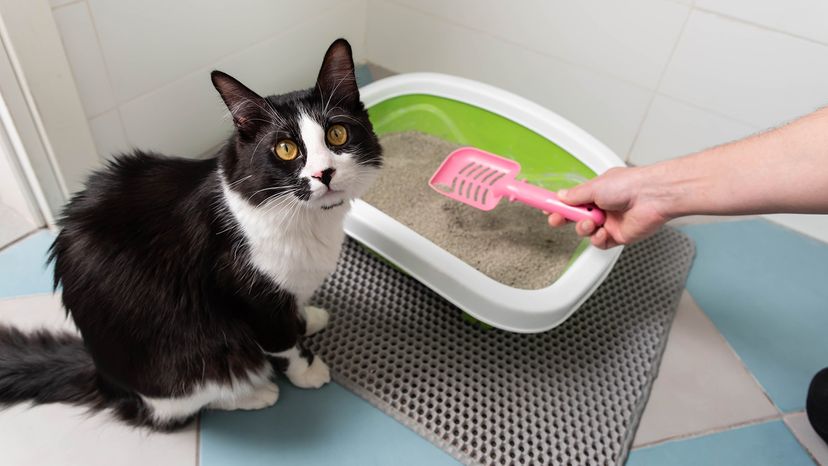
Control your dog’s access to areas with cat litter boxes. Place litter boxes in rooms your dog cannot enter. Use barriers or baby gates if needed. Clean litter boxes regularly to reduce temptation. Keep outdoor areas clean if your cat uses them. A controlled environment reduces chances of unwanted behavior.

Credit: petscathouse.com
When To Consult A Vet
Noticing your dog eating cat poop can be concerning. While it might seem like just a weird habit, it can sometimes signal underlying issues. Knowing when to consult a vet is crucial to ensure your dog’s health and happiness.
Signs Of Health Problems
Watch out for sudden changes in appetite or weight loss. If your dog shows vomiting, diarrhea, or lethargy alongside the poop-eating habit, these could be red flags. Persistent bad breath or unusual stool can also point to digestive problems.
Have you seen your dog obsessively eating cat poop despite your efforts to stop it? This might indicate nutritional deficiencies or parasites that need professional attention.
Behavioral Concerns
Sometimes, eating cat poop is a sign of anxiety or boredom. If your dog is isolated for long periods or lacks mental stimulation, this behavior can increase.
Does your dog act restless or stressed before eating cat poop? This could be a coping mechanism for emotional stress. A vet or animal behaviorist can help identify if anxiety is driving this habit.
Treatment Options
Once your vet identifies the cause, treatment can vary. It might include dietary adjustments, supplements, or medication for infections.
Behavioral treatments like increased exercise, mental games, or training can also reduce this habit. Your vet might suggest specific strategies tailored to your dog’s needs.
Don’t hesitate to seek help early. Addressing the issue promptly protects your dog’s health and improves your peace of mind.
Credit: animals.howstuffworks.com
Frequently Asked Questions
Why Do Dogs Eat Cat Poop Frequently?
Dogs eat cat poop due to curiosity and strong smell. Cat feces contain undigested nutrients that attract dogs. It may also indicate nutritional deficiencies or boredom. Always monitor your dog’s behavior and provide balanced meals to reduce this habit.
Is Eating Cat Poop Harmful To Dogs?
Yes, eating cat poop can harm dogs. Cat feces may carry parasites, bacteria, or toxins. These can cause infections or digestive issues in dogs. Prevent access to litter boxes and consult a vet if symptoms appear.
How Can I Stop My Dog From Eating Cat Poop?
To stop this behavior, keep litter boxes clean and inaccessible. Train your dog with positive reinforcement to avoid the area. Provide enough mental stimulation and a balanced diet. Consult a vet for persistent cases or health concerns.
Does Eating Cat Poop Indicate Health Problems In Dogs?
Sometimes, eating cat poop signals health issues like nutrient deficiency or digestive disorders. It can also be a sign of behavioral problems. If your dog frequently eats feces, consult a veterinarian for proper diagnosis and treatment.
Conclusion
Dogs eating cat poop might seem strange, but it’s common behavior. They do this for many reasons, like curiosity or diet needs. Sometimes, dogs look for extra nutrients in cat waste. Owners should watch their pets closely and keep litter boxes clean.
This helps stop dogs from eating cat poop and keeps them healthy. Understanding why dogs act this way helps owners care better for their pets. Simple steps can prevent this habit and protect your dog’s health. Caring for pets means knowing their habits well.
