

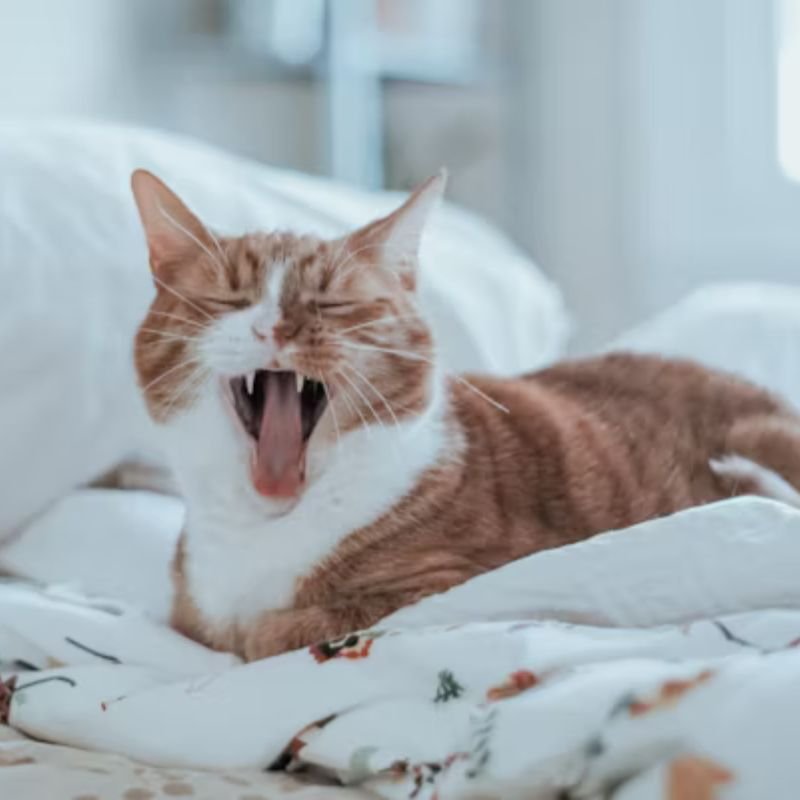
Have you ever been startled by your cat’s loud yowl and wondered what it means? That sharp, unexpected sound can be confusing and even a little worrying.
You might ask yourself, “Why does my cat yowl like that? ” Understanding why your cat makes this noise can help you respond better and strengthen your bond. Keep reading to discover the surprising reasons behind your cat’s yowling and what you can do to help them feel more comfortable and happy.

Credit: www.purina.com
Cat Communication Basics
Cats use a variety of sounds and body language to communicate with you and other animals. Understanding the basics of their communication can help you figure out why your cat might be yowling. It’s not just noise; it’s a message waiting to be decoded.
Understanding Cat Vocalizations
Cats don’t just meow—they yowl, purr, hiss, and chirp. Each sound has a different meaning depending on the situation. For example, a soft meow usually means a greeting, while a loud yowl often signals distress or a strong need for attention.
Have you noticed your cat’s yowl changes pitch or intensity? That can tell you if they are scared, in pain, or even in heat.
Body Language And Its Role In Communication
Your cat’s body language works alongside their vocal sounds. Tail position, ear angle, and eye contact all give clues about their feelings. A yowling cat with flattened ears might be upset or fearful.
Next time your cat yowls, watch their body closely. Are they relaxed or tense? This helps you respond better to their needs.
Why Context Matters In Cat Communication
Where and when your cat yowls can change what the sound means. A yowl in the middle of the night might mean loneliness or hunger. During the day, it could indicate discomfort or boredom.
Think about your cat’s environment and routine. Is something different that could be causing stress? Your awareness can reduce their yowling and improve your bond.
Common Reasons For Yowling
Cats yowl for many reasons, and understanding these can help you respond better to your feline friend’s needs. Yowling is a form of communication, often signaling something important. Let’s look at some common reasons why your cat might be yowling.
Seeking Attention
Sometimes, your cat yowls simply to get your attention. They might want to play, be petted, or just have you nearby. If you’ve ever ignored your cat for a while, you might notice them turning up the volume with a loud yowl.
Think about the last time your cat yowled and you responded with a cuddle or a toy. Did the yowling stop? This shows how important your presence is to them.
Expressing Hunger
Hunger is a common reason behind yowling, especially around feeding times. Cats quickly learn that yowling can get them food faster. If your cat’s yowl sounds urgent and happens near their feeding area, they’re probably telling you it’s mealtime.
Try keeping a feeding schedule and see if the yowling reduces. You might also notice your cat pacing or rubbing near their food bowl while yowling.
Indicating Stress Or Anxiety
Yowling can also be a sign of stress or anxiety in cats. Changes in environment, new pets, or loud noises can trigger this behavior. Your cat might feel insecure and use yowling to express discomfort or seek reassurance.
Have you ever noticed your cat yowling more during a move or when visitors come over? This is their way of coping with the unfamiliar situation. Offering a quiet space or familiar toys can help reduce their stress.
Medical Causes Of Yowling
Yowling in cats can often be more than just a quirky behavior or a call for attention. Sometimes, it signals underlying medical issues that need your attention. Understanding these medical causes can help you respond effectively and ensure your cat’s well-being.
Pain Or Discomfort
Cats often yowl when they are in pain or experiencing discomfort. This could be due to injuries, arthritis, dental problems, or internal issues like infections. If your cat suddenly starts yowling more than usual, observe for other signs like limping, hiding, or changes in appetite.
Have you noticed your cat vocalizing at night or when moving? This can be a subtle cry for help, urging you to check for injuries or illnesses. A vet visit can pinpoint the exact cause and provide relief.
Cognitive Dysfunction In Older Cats
Older cats can develop cognitive dysfunction syndrome, similar to dementia in humans. This condition leads to confusion, disorientation, and increased vocalization, especially at night. Your cat might yowl because it feels lost or anxious in its environment.
Recognizing this early can improve your cat’s quality of life. Simple changes like keeping a consistent routine or adding night lights might reduce their distress. Have you seen your senior cat act differently at night or seem confused?
Hyperthyroidism
Hyperthyroidism is a common condition in older cats that causes an overactive thyroid gland. This can lead to increased vocalization, restlessness, and weight loss. Your cat’s yowling might be a result of discomfort or anxiety caused by this hormonal imbalance.
If your cat’s yowling is accompanied by symptoms like increased appetite or rapid heartbeat, it’s time to consult your vet. Early diagnosis and treatment can manage hyperthyroidism effectively, helping your cat feel more comfortable and calm.

Credit: timesofindia.indiatimes.com
Behavioral Triggers
Cats yowl for many reasons, especially due to their behavior. These vocal signals often express strong emotions or needs. Understanding these behavioral triggers helps decode why cats make such loud cries. Yowling can mean a cat is stressed, excited, or alerting others. The sounds serve as communication tools in various situations.
Territorial Disputes
Cats are very protective of their territory. Yowling warns other cats to stay away. It marks boundaries without physical fights. This vocal challenge shows dominance or fear. The loud yowl helps avoid direct conflict. It is common during encounters with unfamiliar cats nearby.
Mating Calls
During mating season, cats yowl loudly to attract partners. Female cats in heat make continuous calls. Male cats respond with yowls to show interest. These sounds signal readiness to mate. The yowling can last for hours or days. It is a natural part of their reproductive behavior.
Environmental Changes
Changes in surroundings can stress cats, causing yowling. New furniture, visitors, or moving homes confuse them. They yowl to express discomfort or seek reassurance. Sudden noises or smells also trigger vocal reactions. Yowling helps cats communicate their unease or need for attention.
How To Address Excessive Yowling
Excessive yowling can be frustrating for both you and your cat. Understanding how to address this behavior is key to restoring peace at home and ensuring your cat feels safe and content. Let’s look at practical ways you can reduce yowling by focusing on your cat’s needs and health.
Ensuring Basic Needs Are Met
Sometimes, a cat’s loud yowling is a simple call for attention or help. Check if your cat has easy access to fresh water, nutritious food, and a clean litter box. Hunger, thirst, or discomfort can quickly turn into noisy protests.
Think about your cat’s daily routine. Are meal times consistent? Cats thrive on routine, and irregular feeding schedules can cause stress and vocal outbursts. Also, consider if your cat has enough playtime or interaction—lonely cats often yowl to get your attention.
Creating A Calming Environment
Your cat’s environment plays a huge role in their behavior. Is the space quiet and safe, or are there loud noises and sudden movements that might scare them? Providing cozy hiding spots and soft bedding can help your cat feel more secure.
Try using calming aids like pheromone diffusers or gentle background music tailored for pets. These small changes can reduce anxiety and soothe your cat’s nerves, leading to less yowling. Have you noticed if your cat yowls more during certain times or after specific events?
Seeking Veterinary Advice
If your cat’s yowling is sudden or unusually loud, it could signal pain or illness. Don’t ignore persistent vocalizing—it’s your cat’s way of telling you something isn’t right. A vet visit can rule out medical issues like infections, dental problems, or cognitive decline.
Share detailed observations with your vet, including when the yowling happens and any changes in behavior or appetite. This information helps your vet find the cause faster and recommend treatment. Remember, your cat depends on you to speak up for them when they can’t.
Preventive Measures
Preventing your cat’s yowling starts with understanding the root causes and addressing them early. Often, yowling signals discomfort, loneliness, or health problems that can be managed before they escalate. Taking proactive steps can make a big difference in your cat’s well-being and your peace of mind.
Regular Health Check-ups
Regular vet visits catch health issues before they turn into noisy emergencies. Cats hide pain well, so yowling might be the first sign of something serious like dental problems or arthritis. Scheduling annual or bi-annual check-ups ensures your cat stays healthy and comfortable.
Have you noticed your cat yowl more at night? Sometimes it’s linked to vision or hearing loss, which vets can detect early. Don’t wait until the yowling worsens—early diagnosis can improve their quality of life.
Providing Enrichment Activities
Boredom and loneliness often cause cats to yowl for attention. Adding toys, scratching posts, or puzzle feeders keeps their minds busy and reduces restless behavior. Even simple games like laser pointers or feather wands can channel their energy positively.
Think about your cat’s daily routine. Do you spend enough interactive time with them? Offering regular play sessions helps prevent yowling caused by frustration or isolation. Your cat’s happiness might just be one new toy away.

Credit: timesofindia.indiatimes.com
Frequently Asked Questions
Why Do Cats Yowl Loudly At Night?
Cats yowl at night to communicate or express discomfort. It may signal loneliness, hunger, or stress. Older cats might yowl due to cognitive decline or pain, seeking attention from owners. Understanding their behavior helps address their needs and reduce nighttime yowling.
Can Yowling Indicate A Cat’s Health Problem?
Yes, yowling can indicate health issues like pain, injury, or illness. Cats often yowl if they feel unwell or stressed. A vet checkup is essential if yowling is sudden, persistent, or unusual to rule out medical causes.
Does Yowling Mean A Cat Wants Attention?
Often, yes. Cats yowl to get their owner’s attention for food, play, or affection. They may also yowl out of loneliness or boredom. Responding appropriately can reduce excessive yowling and improve the cat’s emotional wellbeing.
Is Yowling Normal During A Cat’s Mating Season?
Yes, unspayed or unneutered cats yowl more during mating season. This vocalization attracts mates and expresses reproductive urges. Spaying or neutering reduces this behavior and benefits overall cat health.
Conclusion
Cats yowl to communicate many needs and feelings. They may feel lonely, scared, or hungry. Sometimes, yowling signals illness or pain. Pay attention to your cat’s behavior and environment. Respond with care and patience. Understanding why cats yowl helps build a stronger bond.
It keeps your pet happy and healthy. Always watch for changes in yowling patterns. These changes can guide you to help your cat better. Caring for cats means listening closely, even to their loud yowls.
