

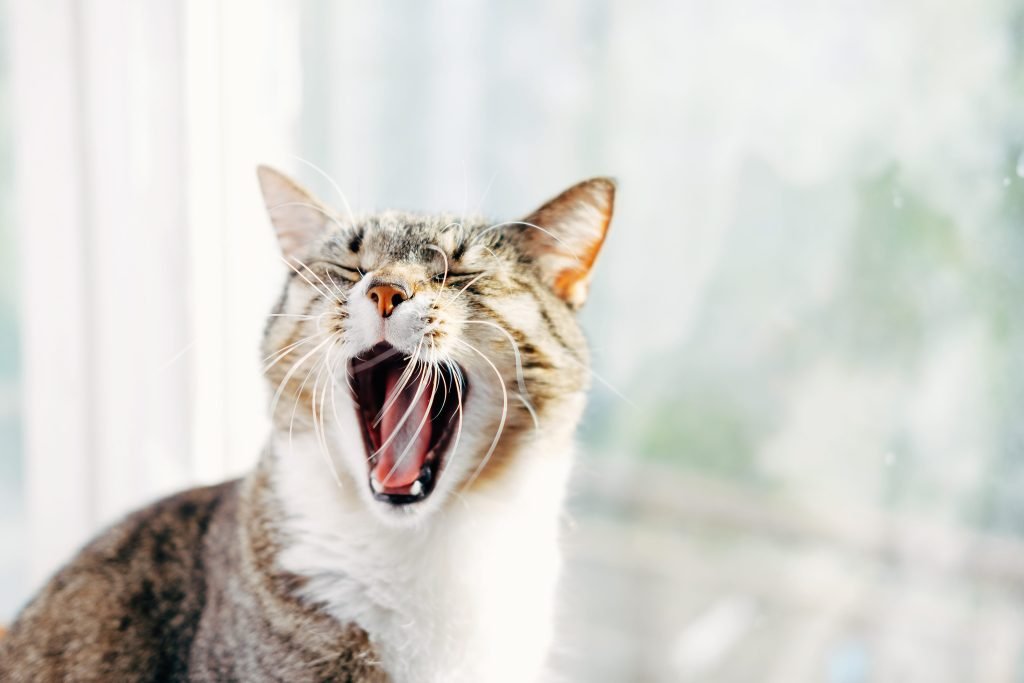
Have you ever caught your cat yawning and wondered why they do it? It’s more than just a sign of tiredness.
Your furry friend’s yawn can reveal a lot about how they feel and what’s going on inside their little world. Understanding why cats yawn can help you connect with your pet on a deeper level and even spot clues about their health.
Keep reading, and you’ll discover surprising reasons behind your cat’s yawns that you probably never knew.
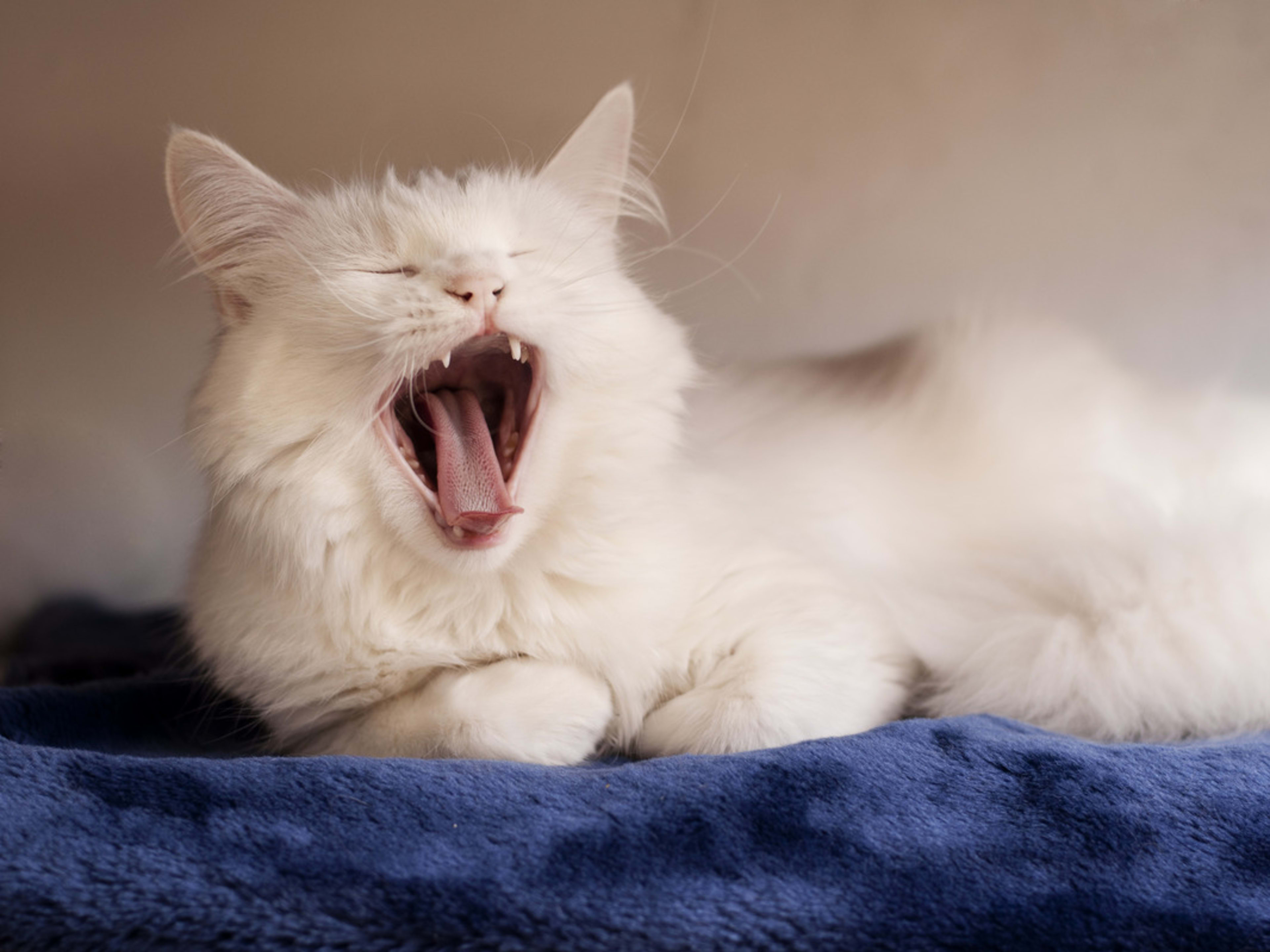
Credit: pethelpful.com
The Science Behind Cat Yawning
Cats yawning might look simple, but there’s a lot happening behind those wide-open mouths. Understanding the science behind cat yawning can give you insights into their mood, health, and behavior.
The Role Of Oxygen And Brain Cooling
Yawning helps cats take in a big gulp of air, increasing oxygen levels in their blood. This boost can help your cat stay alert or wake up from a nap.
Some studies suggest yawning cools the brain. A cooler brain may work more efficiently, helping your cat stay sharp.
Yawning As A Communication Tool
Cats don’t just yawn because they’re tired. They use yawns to send messages to other cats or to you. For example, a slow, deliberate yawn might mean your cat feels relaxed and safe around you.
Have you noticed your cat yawning before a play session or after a stressful moment? It could be their way of calming themselves or signaling they’re ready to interact.
Yawning And Stretching: A Physical Reset
Yawning often comes with stretching, which helps increase blood flow and loosen muscles. This physical reset gets your cat ready for movement or activity.
If you watch your cat after a long nap, you’ll see this combo more often. It’s like their way of shaking off sleepiness and preparing for action.
Temperature Regulation
Cats yawn for many reasons, and one of them is temperature regulation. Yawning helps cats cool their brains and bodies. It is a natural way to maintain comfort and stay alert. This simple action plays a key role in keeping their body temperature balanced.
How Yawning Cools The Brain
When a cat yawns, it takes a deep breath of cooler air. This air flows into the mouth and lungs, helping lower the temperature inside the head. The deep breath also increases blood flow to the brain. This process helps prevent overheating and keeps the brain working well.
Yawning And Body Heat Release
Yawns cause the jaw to stretch wide open. This movement helps release heat from the body. The open mouth allows warm air to escape and cooler air to enter. This exchange can lower the cat’s overall body temperature, especially after activity or rest.
Yawning Signals Temperature Changes
Cats may yawn more when they feel hot or after waking up. Yawning signals the body to adjust to temperature changes. It helps the cat prepare for comfort and alertness. This natural behavior ensures they stay cool and ready to move.
Stress Relief And Relaxation
Yawning is more than just a sign of tiredness in cats. It plays a key role in helping them relax and manage stress. Understanding this can help you better interpret your cat’s behavior and create a calmer environment for them.
How Yawning Helps Cats Manage Stress
When cats feel anxious or uneasy, yawning acts as a natural stress relief. It helps regulate their breathing and lowers their heart rate. You might notice your cat yawning before or after a stressful event, like a vet visit or meeting a new animal.
Have you ever seen your cat yawn after a sudden loud noise? That’s their way of calming down.
Yawning Signals Relaxation And Comfort
A relaxed cat often yawns to show contentment. This simple act releases tension in their jaw and face muscles. When your cat yawns while lounging next to you, it’s a positive sign they feel safe and comfortable.
Next time your cat yawns during cuddle time, you can take it as a compliment—they trust you enough to relax fully.
Practical Tips To Reduce Your Cat’s Stress
- Provide quiet, cozy spots where your cat can retreat and yawn peacefully.
- Maintain a consistent daily routine to avoid sudden changes that might stress them.
- Use gentle petting and speak softly to encourage relaxation.
- Observe yawning patterns to identify potential stress triggers in your cat’s environment.
By paying attention to your cat’s yawns, you gain clues about their emotional state. What small changes can you make today to help your cat feel more at ease?
Communication With Other Cats
Cats use yawning as a subtle form of communication with each other. It is not just about tiredness or boredom. Yawning sends signals that other cats can understand. This helps them share their feelings without fighting or making loud noises.
Yawning can show a cat’s mood or intentions. It can calm down a tense situation or show that the cat is relaxed. Other cats watch these yawns carefully. They learn how to act based on this simple gesture.
Yawning As A Calm Signal
Yawns help cats tell others they are not a threat. When two cats meet, a yawn can ease tension. It says, “I am peaceful.” This helps avoid conflicts and keeps peace in their group.
Showing Trust And Friendship
Yawning near another cat can mean trust. Cats yawn around friends to show comfort. It is like saying, “I feel safe with you.” This builds bonds and strengthens their friendship.
Reading Body Language Together
Cats use yawns with other body signs. They watch ears, eyes, and tail positions. Yawning adds more meaning to these signals. It helps cats understand each other better and act accordingly.
Mimicking Human Behavior
Cats often copy the actions of people around them. Yawning is one of these actions. Scientists think cats may yawn because they see humans yawn. This behavior shows how cats can connect with us.
Copying human yawns helps cats understand our mood. It may also help them feel more relaxed or calm. This mimicry is a sign of the strong bond between cats and their owners.
Mimicry As A Social Tool
Cats use mimicry to communicate silently. Yawning like a human can be a way to join in or show empathy. It helps cats feel closer to their human family members.
Yawning And Emotional Connection
Yawns can show how cats share emotions with people. When a cat yawns after you, it may reflect your feelings. This shows an emotional link between you and your pet.
How Cats Learn From Humans
Cats watch humans carefully. They learn behaviors through observation and repetition. Yawning is one simple action they pick up and repeat.
Yawning As A Sign Of Health
Yawning in cats is often overlooked as just a simple, sleepy gesture. However, it can be a genuine sign of your cat’s overall health. Paying attention to your cat’s yawning patterns can help you understand their physical and emotional state better.
When Yawning Indicates Illness
Sometimes, yawning may signal that your cat isn’t feeling well. If you notice your cat yawning frequently along with other symptoms like lethargy, drooling, or difficulty breathing, it might be a cause for concern.
Yawning can be linked to dental pain or throat discomfort, which are often hidden from plain sight. If your cat’s yawning looks strained or is accompanied by pawing at the mouth, a vet visit is necessary.
Normal Vs. Excessive Yawning
Normal yawning usually happens when your cat is tired or relaxed. It helps them stretch their jaw and regulate oxygen levels, much like humans.
Excessive yawning, on the other hand, might indicate stress, anxiety, or health issues. If your cat yawns too often during playtime or mealtime, ask yourself: Is something bothering them?
- Observe the context of yawning—resting versus active moments.
- Track changes in frequency over days or weeks.
- Note any new behaviors or signs of discomfort.
Being aware of these differences helps you act promptly to support your cat’s health. Have you noticed yawning patterns in your cat that seemed unusual? What did you do next?
Yawning And Cat Sleep Cycles
Yawning is a common behavior in cats, closely linked to their sleep cycles. Understanding this connection can help you better interpret your cat’s needs and moods. Let’s look at how yawning fits into the rhythm of your feline’s daily rest and activity.
How Yawning Signals Transition Between Sleep Phases
Cats cycle through various sleep stages, including light sleep, deep sleep, and REM sleep. Yawning often occurs as they shift between these phases, acting like a natural reset button. You might notice your cat yawning right before settling into a deep nap or waking up from a light doze.
This behavior helps increase oxygen flow and prepares their body for the change. So next time your cat yawns, consider it a sign they’re moving from rest to alertness or vice versa.
Yawning As A Way To Stay Alert During Cat Naps
Cats don’t sleep like humans; they take multiple short naps throughout the day. Yawning can serve as a quick way to stay alert between these naps. It wakes up their brain, helping them stay aware of their surroundings without fully waking up.
If you’ve watched your cat doze lightly and suddenly yawn, it’s their way of staying ready. Have you noticed your cat yawning before darting off to chase a toy or explore?
The Role Of Yawning In Regulating Cat Energy Levels
Yawning helps regulate energy by balancing between rest and activity. When your cat yawns, it may be signaling the need to either wind down or gear up for action. This simple act plays a key role in maintaining their overall energy balance throughout the day.
Think about your own experience yawning to shake off tiredness or prepare for a busy moment. Your cat is using yawning in a similar, practical way.
Theories On Evolutionary Benefits
Yawning in cats might seem like a simple sign of sleepiness, but it could be rooted deeply in evolutionary advantages. Scientists have proposed several theories that suggest yawning helps cats survive and thrive. Understanding these theories can give you new insights into your feline friend’s behavior.
The Role Of Yawning In Communication
Yawning may serve as a non-verbal signal among cats. It can indicate relaxation or signal that a cat is not a threat. Imagine how this helps reduce conflicts in the wild, where survival depends on avoiding unnecessary fights.
Have you noticed your cat yawning around other cats? It might be their way of saying, “I’m calm, don’t worry.” This silent communication could help maintain peace within groups.
Yawning As A Brain Cooling Mechanism
One interesting theory suggests yawning helps regulate brain temperature. By opening their mouths wide and taking in a deep breath, cats might cool their brains. This could improve mental alertness and reaction times.
Think about how your cat suddenly yawns before darting around the room. It’s like they are resetting their focus. This quick brain cooldown might give them an edge when hunting or playing.
Preparing For Activity
Yawning could also prepare a cat’s body for sudden movement. Stretching the jaw and increasing oxygen intake might boost muscle readiness. This is crucial for an animal that relies on quick bursts of speed.
Next time your cat yawns before jumping on the couch, consider that it’s getting ready to spring into action. This small behavior might be a vital part of their survival toolkit.
Comparing Yawning Across Species
Yawning is a common action across many animals. It often shows tiredness or boredom in humans. But animals yawn for different reasons. Studying yawns in various species helps us understand this behavior better. Each species has unique yawning traits.
Comparing yawns across animals reveals interesting facts. Some yawns signal tiredness. Others help animals communicate or cool their brains. Cats, dogs, monkeys, and even reptiles yawn. Their yawns may look similar but serve different purposes.
Yawning In Cats Vs. Dogs
Cats yawn to relax and stretch their jaws. It often happens after waking up or resting. Dogs yawn more when they feel stressed or anxious. This shows yawning can mean calmness or a stress signal.
Yawning Among Primates
Monkeys and apes use yawns to show emotions. Yawning can be a sign of tiredness or a social cue. It helps them communicate within groups. Sometimes yawns spread quickly, called contagious yawning.
Yawning In Reptiles And Birds
Reptiles and birds also yawn but for different reasons. Their yawns may help cool their brain or regulate breathing. This shows yawning is not only linked to tiredness but body functions.
Contagious Yawning Across Species
Contagious yawning happens in some animals but not all. It shows empathy and social bonding in species like dogs and primates. Cats rarely show contagious yawning. This difference highlights unique social behaviors.
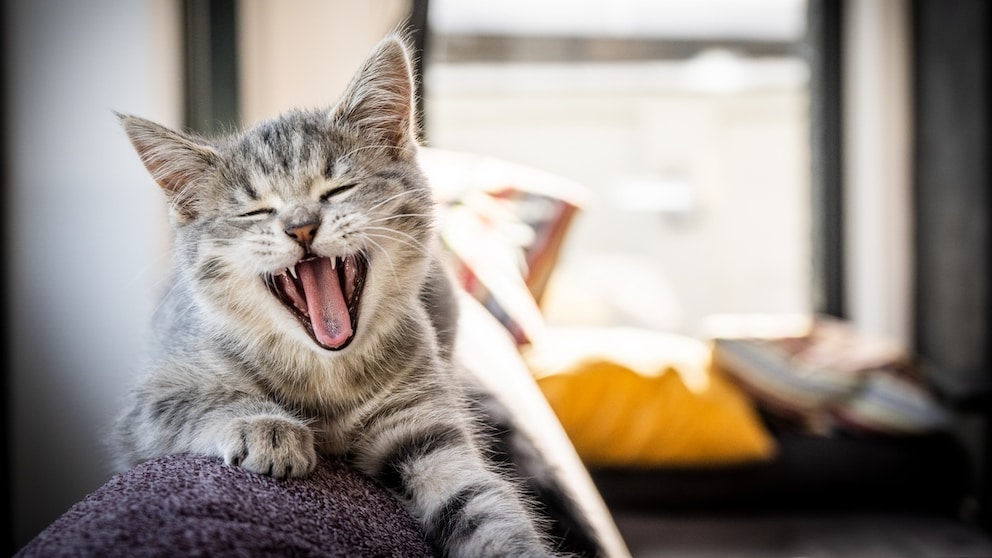
Credit: www.petbook-magazine.com
Credit: www.lemon8-app.com
Frequently Asked Questions
Why Do Cats Yawn Frequently?
Cats yawn to stretch their jaw muscles and increase oxygen flow. It helps them stay alert and relaxed. Yawning also signals contentment or mild stress relief.
Is Cat Yawning A Sign Of Tiredness?
Yes, cats yawn when they feel sleepy or are waking up. It helps them transition between resting and active states by relaxing their body.
Can Cat Yawning Indicate Stress Or Discomfort?
Sometimes, yawning shows mild stress or anxiety in cats. It can be a calming signal to reduce tension or communicate unease.
Do Cats Yawn To Communicate With Humans?
Cats may yawn near humans to show relaxation or trust. It’s a non-threatening gesture that helps strengthen the human-cat bond.
Conclusion
Cats yawn for many reasons. It helps them relax and stay calm. Yawning can also mean they feel sleepy or bored. Sometimes, cats yawn to show they are not a threat. Watching your cat yawn can help you understand their mood better.
Next time your cat yawns, remember it is a natural and healthy behavior. It shows they feel comfortable and safe around you. Keep observing your cat to learn more about their body language. Understanding these small signs builds a stronger bond with your furry friend.
