

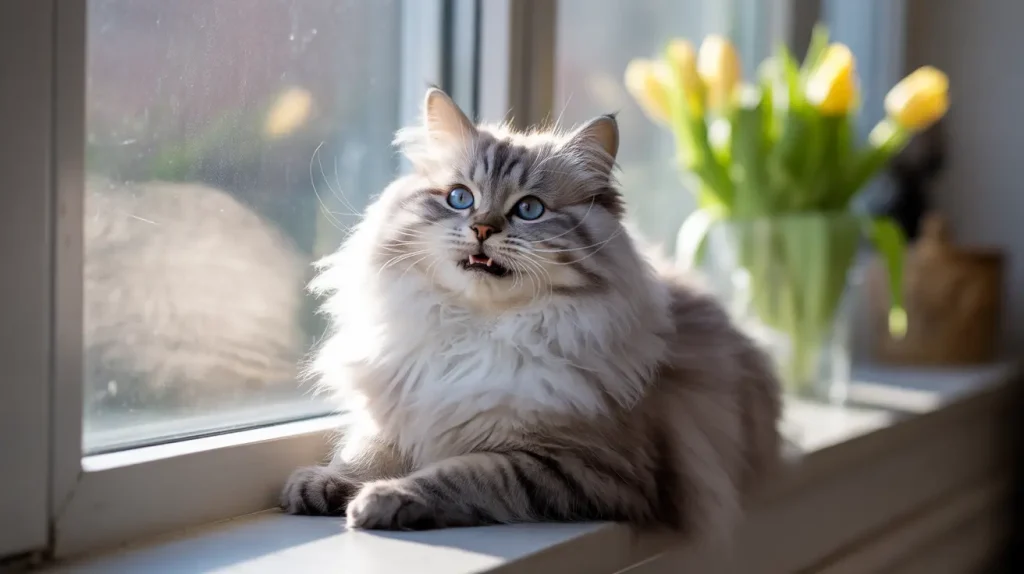
Have you ever heard your cat make a soft, rolling sound that’s different from a meow or a purr? That gentle noise is called a trill, and it’s one of the most charming ways cats communicate.
But why do cats trill? Understanding this simple sound can deepen your connection with your furry friend and help you respond to their needs better. Keep reading to discover what your cat’s trill really means and how it shows their feelings in a way words never could.
What Is Cat Trilling
Have you ever wondered why your cat makes that peculiar, soft sound that isn’t quite a meow? This sound is known as trilling. Trilling is a unique vocalization used by cats, often to express affection or to get your attention. Understanding this sound can help you better connect with your feline friend and respond to their needs.
Sound Characteristics
Trilling is a short, high-pitched sound that cats produce by keeping their mouths closed. It’s usually a soft, rolling noise that sounds more like a purr mixed with a chirp. Unlike meowing, which can vary in length and tone, trilling is consistent and often has a musical quality.
My cat, Luna, often trills when she wants to show excitement or say hello. It’s her way of telling me she’s happy to see me. Hearing your cat trill can be a delightful reminder of their affection and contentment.
How Trilling Differs From Meowing
Meowing and trilling serve different purposes in feline communication. While meowing is often used to express a wide range of emotions and needs, trilling is more specific. Cats trill primarily as a friendly greeting or to grab your attention in a positive way.
If your cat is trilling, they’re likely feeling sociable and affectionate. This sound is less demanding than a meow and is often used between cats, especially from mothers to kittens. When you hear it, think of it as your cat’s way of saying, “Hello, I’m glad you’re here!”
Next time your cat trills, take a moment to engage with them. Responding positively to their trills can strengthen your bond and make your home a happier place for both of you.
Common Reasons Cats Trill
Cats use trilling as a unique way to communicate with you and their environment. This soft, musical sound is unlike a meow and serves various purposes. Understanding why your cat trills can deepen your bond and help you respond better to their needs.
Greeting Their Owners
Have you noticed your cat trilling as soon as you walk through the door? This sound often acts as a friendly “hello” from your cat. It’s their way of acknowledging your presence and showing they’re happy to see you.
Unlike a loud meow, a trill is gentle and inviting. Next time your cat greets you this way, try responding with a soft voice or a pet. You’ll encourage more of this positive communication.
Expressing Excitement
Trilling can also show that your cat is excited or curious. Maybe they see a bird outside or anticipate playtime. This sound expresses their enthusiasm and eagerness.
Think about moments when your cat’s eyes widen or tail twitches while trilling. It’s their way of saying, “Something great is happening!” Have you noticed your cat trilling right before a fun activity?
Seeking Attention
Cats often trill to get your attention without demanding loudly. It’s a polite way to say, “Look at me” or “I want some affection.” This can happen when they want to play, be petted, or even just be near you.
If your cat trills while rubbing against your leg, they’re not just being cute—they’re asking for interaction. Try responding quickly to build trust and make your cat feel valued.
Trilling And Cat Communication
Trilling is a soft, high-pitched sound cats make. It plays a key role in how cats talk and connect. This unique sound helps cats share feelings and intentions. Understanding trilling opens a window into cat behavior and emotion.
Bonding With Humans
Cats often trill to get your attention gently. This sound can mean they are happy or want to play. Trilling shows trust and comfort around you. It helps build a close bond between cats and their owners. Cats may use trills to greet you after time apart. This soft call makes interactions warm and friendly.
Communicating With Other Cats
Cats trill to send friendly signals to other cats. It can mean “hello” or “follow me.” Mothers use trilling to guide their kittens. It helps keep the group connected without loud noises. Trilling also reduces tension during meetings. This quiet sound keeps communication calm and peaceful.
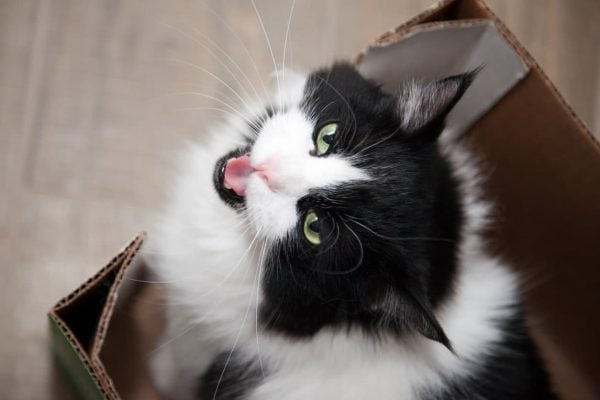
Credit: www.rover.com
When Cats Trill As A Request
Cats often trill to communicate their needs. This soft sound grabs your attention gently. It shows they want something from you. Understanding these requests helps build a better bond with your cat. Trilling is one way cats ask for food or play. Recognizing the reason behind the trill makes caring easier.
Asking For Food
Cats trill when they feel hungry. It is a polite way to ask for food. The trill is softer than a meow but still urgent. Your cat might come near you and trill repeatedly. This sound signals they want you to fill their bowl. Pay attention to the timing of the trill. Often, it happens near their feeding spot or kitchen.
Inviting Playtime
Sometimes cats trill to invite you to play. This trill sounds happy and excited. Your cat may bring a toy or look at you eagerly. It is their way to say, “Let’s have fun!” Responding to this trill with playtime makes your cat happy. It strengthens your connection and keeps them active.
Emotional Signals Behind Trilling
Cats communicate in many ways, and trilling is one of their special sounds. This unique noise shows their feelings clearly. Understanding the emotional signals behind trilling helps owners connect better with their pets. Cats use trills to share their mood and intentions. These sounds can mean different emotions depending on the situation.
Happiness And Contentment
Trilling often means a cat feels happy and safe. Cats make this sound when they greet their owners or other pets. It shows trust and affection. A cat may trill while rubbing against you or during playtime. This noise signals that the cat is relaxed and enjoys the moment. It helps strengthen the bond between cat and owner.
Anxiety Or Stress
Sometimes, trilling can signal anxiety or stress. A cat might trill when unsure or nervous about new things. This sound can ask for reassurance or attention. It may also happen if the cat feels discomfort or fear. Recognizing this can help owners respond kindly and calm their pet. Trilling here acts as a call for comfort and safety.
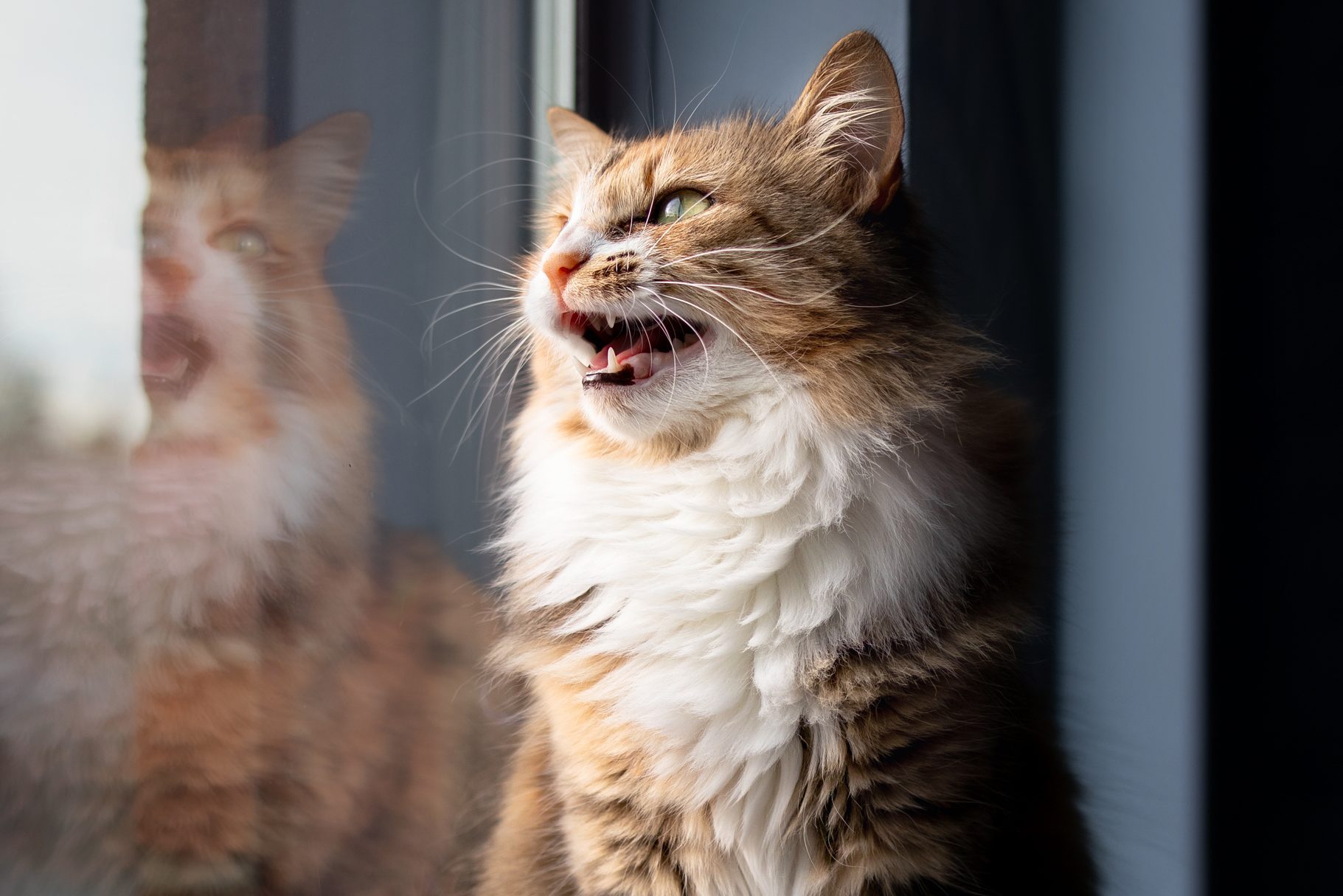
Credit: www.rd.com
How To Respond To Your Cat’s Trill
Responding to your cat’s trill helps build a strong bond. It shows you understand and care about their feelings. Paying attention to these sounds makes your cat feel safe and loved. Knowing how to reply creates a happy environment for both of you.
Encouraging Positive Interaction
Answer your cat’s trill with a soft voice or gentle purring. This encourages them to communicate more. Use slow blinks to show trust and calmness. Offer a gentle pet or a scratch behind the ears. These actions tell your cat you enjoy their company. Keep the mood relaxed and friendly to strengthen your connection.
Recognizing Needs
Listen carefully to the trill’s tone and length. It can mean different things. A short trill often means, “Look at me!” A longer trill might signal hunger or a desire to play. Watch your cat’s body language for clues. If they are near their food bowl, they might be hungry. If they are playful, they want attention. Meeting these needs quickly keeps your cat happy and healthy.
Breeds That Trill More Often
Cats use trilling to communicate excitement and affection. Some breeds trill more often than others. This difference comes from their natural vocal tendencies and social behaviors. Knowing which breeds trill more can help you understand your cat better. It also makes bonding easier.
Popular Vocal Breeds
Certain cat breeds are known for being quite talkative and expressive. These cats often trill to catch your attention or show happiness. Here are a few popular vocal breeds:
- Siamese:Famous for loud, clear voices and frequent trills.
- Burmese:Soft, melodic trills are common in this friendly breed.
- Maine Coon:Gentle giants who trill often to greet and interact.
- Oriental Shorthair:Very social and vocal, using trills to engage.
Individual Personality Traits
Not all cats within a breed trill the same amount. Personality plays a big role. Some cats are naturally more vocal and outgoing. Others prefer quiet communication.
Cats with confident, curious personalities tend to trill more. They use trills to explore their surroundings and connect with people. Shy or independent cats may trill less but still use other sounds to express themselves.
Credit: www.trustedhousesitters.com
Frequently Asked Questions
Why Do Cats Trill Instead Of Meow?
Cats trill to greet or get attention gently. It’s a friendly sound signaling comfort and trust, unlike louder meows.
What Does A Cat’s Trill Mean Emotionally?
A trill expresses happiness, excitement, or affection. It shows a cat feels safe and wants positive interaction with you.
How Can I Respond To My Cat’s Trill?
You can respond by speaking softly or petting them. This encourages bonding and reassures your cat of your attention.
Are Trills Common In All Cat Breeds?
Yes, most domestic cats trill, but frequency varies. It’s a natural communication tool used across many breeds and ages.
Conclusion
Cats trill to share feelings and connect with people or other cats. This gentle sound shows happiness, curiosity, or a friendly greeting. Understanding trills helps build a stronger bond with your cat. Next time your cat trills, listen closely. It’s their way of talking to you.
Simple, sweet, and special—a trill is a unique cat language worth knowing.
