

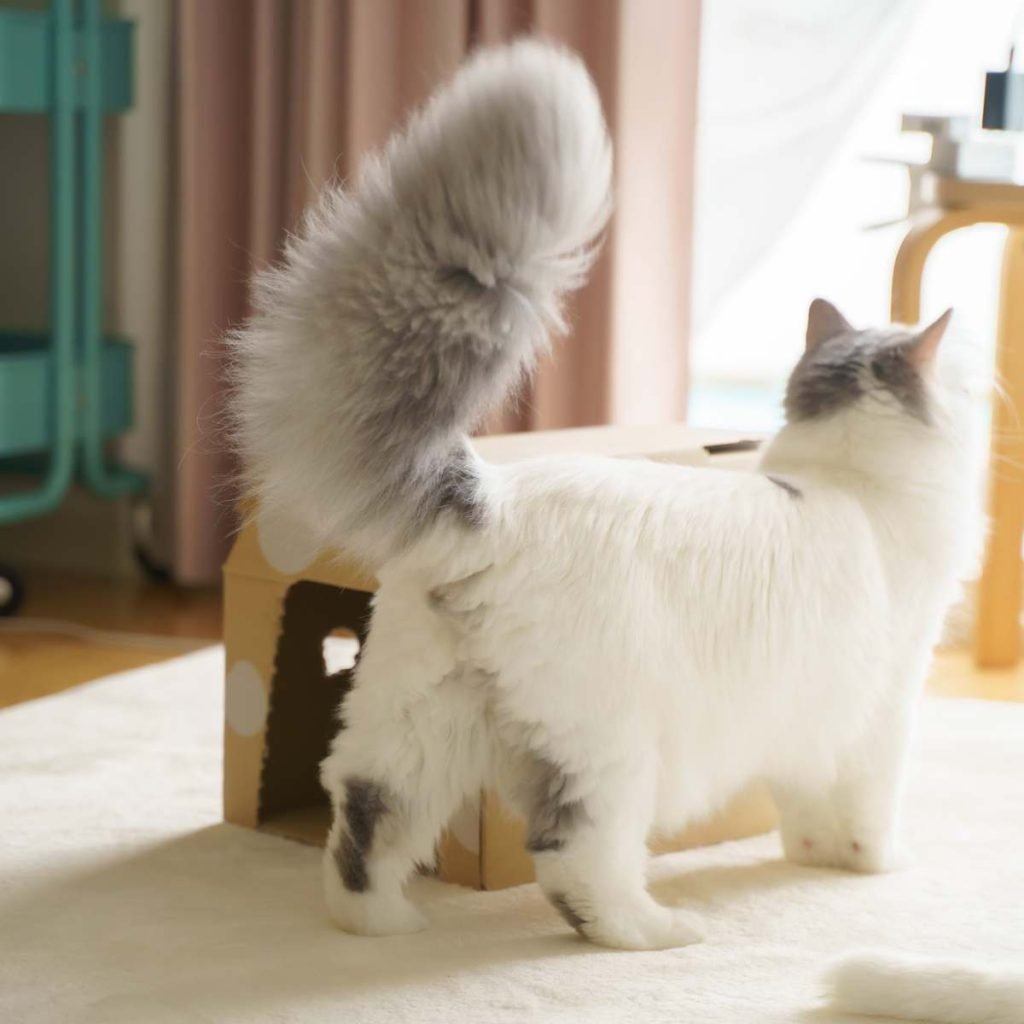
Have you ever noticed your cat’s tail suddenly puff up like a fluffy feather duster? It can be surprising and even a little funny to see.
But why does this happen? Understanding why your cat’s tail puffs up can give you important clues about how your furry friend is feeling. Whether your cat is scared, excited, or trying to look bigger, their puffed-up tail is a powerful way they communicate with you.
Keep reading, and you’ll discover the fascinating reasons behind this quirky behavior—and how you can respond to your cat’s signals better than ever before.
Credit: trapandreturn.com
Cat Tail Anatomy
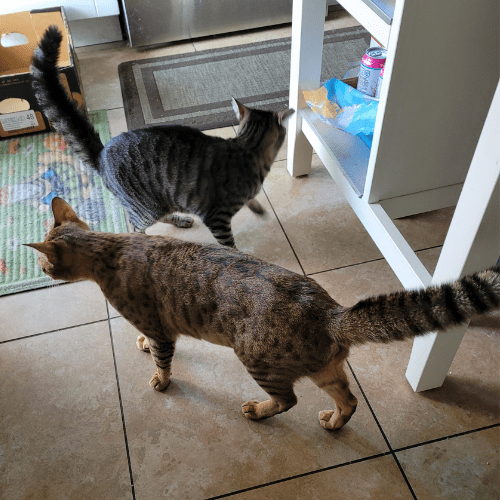
Cats’ tails puff up as a defense mechanism to appear bigger and scare away threats. This reaction happens when a cat feels scared or threatened. The puffed tail is part of their body’s natural response to stress or danger.
The fascinating world of cat tail anatomy reveals just how complex and crucial a cat’s tail is to its daily life. Much more than just a furry appendage, a cat’s tail is a sophisticated tool that aids in communication, balance, and even emotional expression. Observing a cat’s tail can give you insights into its mood and intentions.Tail Muscles And Fur
A cat’s tail is a marvel of nature, composed of numerous small bones, muscles, and nerves. The flexibility and movement of the tail are thanks to these muscles that allow it to perform intricate motions. This muscle structure is why a cat can flick its tail with precision or puff it up in response to certain stimuli. The fur on a cat’s tail plays a vital role too. It can fluff up significantly, making the tail appear larger. This puffed-up appearance is often a response to fear or aggression, serving as a deterrent to perceived threats.Role In Communication
Have you ever noticed how your cat’s tail tells a story? The position and movement of a tail are key communication tools for cats. A relaxed, swaying tail often indicates contentment, while a puffed-up tail can signal fear or excitement. Cats also use their tails to communicate with other animals. A tail held high might be a sign of confidence or friendliness, while a tail tucked low could indicate submission or fear. Paying attention to these subtle tail movements can help you better understand your feline friend’s emotions and needs. What does your cat’s tail say about its mood right now? Observing these signals can deepen your connection and improve your interactions with your pet.Common Triggers For Puffing Tails
Understanding why your cat’s tail suddenly puffs up can help you respond better to their needs and emotions. Cats don’t just fluff their tails for no reason; several common triggers cause this reaction. Recognizing these triggers gives you insight into what your cat is feeling or experiencing at that moment.
Fear And Threat Response
When a cat feels scared or threatened, its tail puffing up is a natural defense mechanism. The puffed-up tail makes the cat appear larger and more intimidating to potential threats. Have you noticed your cat’s tail fluff out during a loud thunderstorm or when meeting an unfamiliar animal? That’s their body’s way of saying, “I’m on alert.”
Excitement And Playfulness
Your cat’s tail can also puff up during moments of excitement or intense play. It’s not always about fear—sometimes it signals high energy and enthusiasm. If you see your cat’s tail fluff out while chasing a toy or during a playful pounce, it means they’re fully engaged and having fun. Does your cat’s puffed tail change the way you interact during playtime?
Cold Weather Effects
Cold temperatures can cause your cat’s tail fur to puff up as well. This natural reaction helps trap heat and keep them warmer. If your cat’s tail looks bigger during chilly days, it’s their body’s way to stay cozy. Have you ever noticed this change when your cat steps outside on a frosty morning?
Emotions Behind A Fluffed Tail
When your cat’s tail suddenly fluffs up, it’s not just a random reaction. This dramatic change in tail appearance reveals a lot about what your cat is feeling inside. Understanding these emotions can help you respond better to your feline friend’s needs and keep your bond strong.
Stress And Anxiety Signals
A puffed tail often shows that your cat is stressed or anxious. You might notice this when your cat encounters a new environment, unfamiliar people, or loud noises. Their tail puffs up as a way to make themselves look bigger and protect against perceived threats.
Have you seen your cat’s tail suddenly balloon during a thunderstorm or vet visit? That’s their body telling you they feel uneasy and need comfort or space.
Aggression Indicators
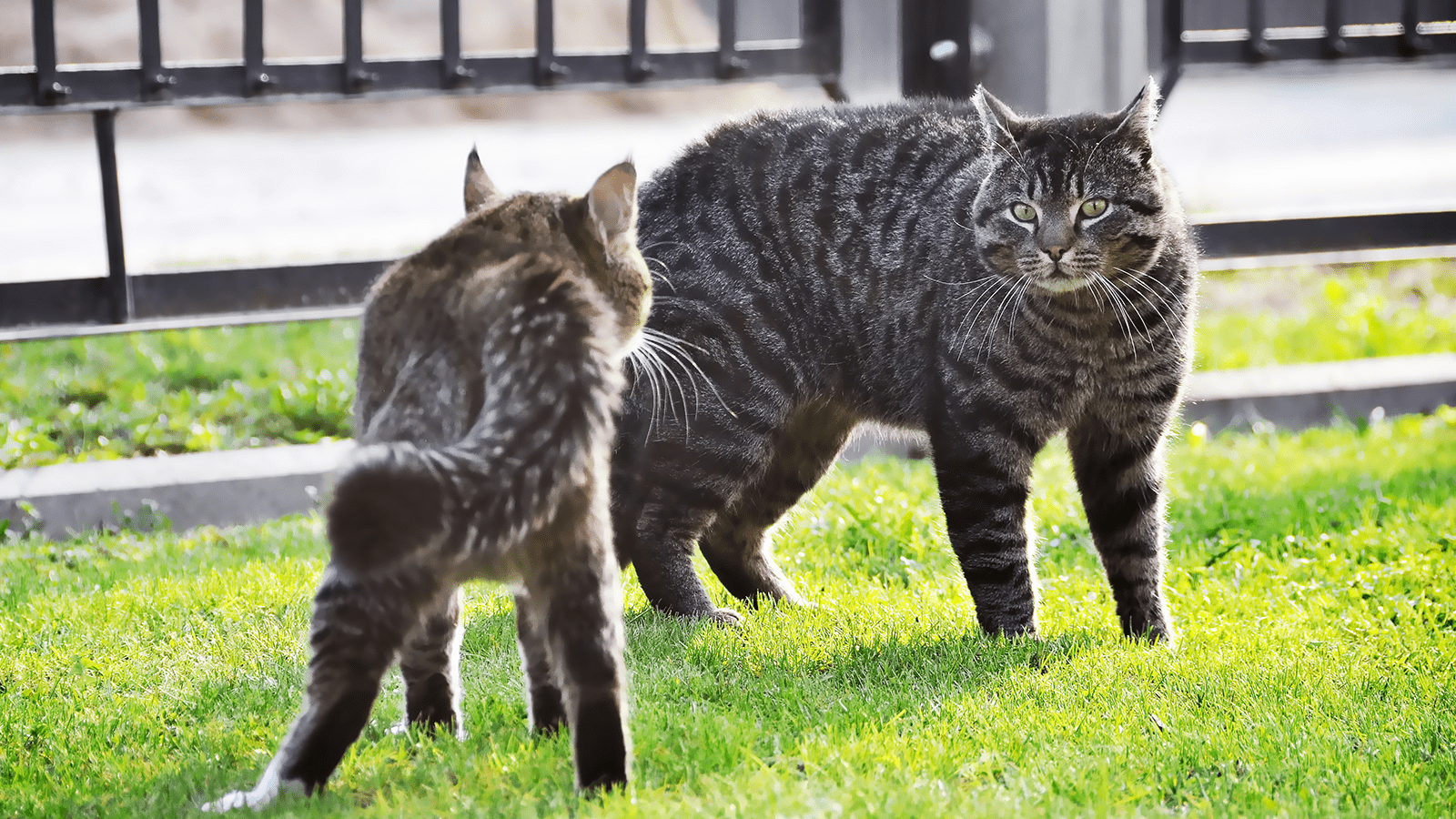
A fluffed tail can also signal aggression. If your cat feels cornered or threatened, their tail puffs up alongside other signs like hissing or arched back. This is their way of warning others to back off.
Pay close attention to your cat’s overall body language. Is the tail puffed and the ears pinned back? That combination means your cat is ready to defend itself.
Surprise And Curiosity
Sometimes, a puffed tail isn’t about fear or anger but surprise or curiosity. When your cat encounters something unexpected, their tail might fluff up briefly as they process the new stimulus.
Think about how your cat reacts to a sudden movement or a new toy. That quick puff shows they are alert and intrigued, not necessarily scared.
Credit: trapandreturn.com
Behavioral Contexts
Cats puff up their tails as a clear sign of their feelings and reactions. This behavior happens in different situations, showing how cats communicate without words. Understanding these moments helps us see what a cat is thinking or feeling.
Interactions With Other Cats
When cats meet each other, their tails often puff up. This shows they feel threatened or want to look bigger. It can mean they are ready to defend themselves or warn the other cat. The puffed tail is a part of cat body language during fights or play.
Human Encounters
Cats may puff up their tails around people too. They do this if they feel scared or surprised. Sometimes, a sudden movement or loud noise from humans causes this reaction. It helps cats protect themselves by looking larger and more alert.
Environmental Stimuli
Strange sounds, new places, or quick changes in the environment make cats puff their tails. This reaction shows they are on guard. It helps cats stay safe by making them ready to run or hide. The puffed tail warns others that the cat feels uneasy.
Physical Health And Tail Puffing
Understanding why your cat’s tail puffs up can reveal a lot about their physical health. While tail puffing often signals emotion, it can also indicate underlying health issues. Paying close attention to the context and accompanying symptoms helps you spot when your cat might be in trouble.
Pain Or Discomfort Signs
A cat’s tail puffing can be a response to pain or discomfort. If your cat suddenly puffs its tail after a fall or a rough play session, it might be protecting a sensitive area.
Look for signs like limping, avoiding touch, or unusual vocalizations. These can point to injuries or joint problems. Have you noticed your cat’s tail puffing alongside changes in behavior or appetite? That’s a strong hint to check for pain.
Neurological Factors
Sometimes, tail puffing links to neurological issues rather than simple emotions. Nerve damage or conditions affecting muscle control can cause your cat’s tail to puff up unexpectedly.
Watch for other symptoms such as uncoordinated movements or unusual postures. These signs might indicate a deeper problem that requires veterinary attention. How often do you observe your cat’s tail puffing without clear triggers? It could be a clue worth investigating.

Credit: www.rd.com
How To React To A Puffing Tail
When your cat’s tail suddenly puffs up, it’s a clear sign something is stirring inside them. Knowing how to react can prevent stress for both of you and help you build trust. Let’s look at how you can understand and respond to this furry communication.
Reading Your Cat’s Mood
A puffed-up tail usually means your cat feels threatened or startled. But it can also signal excitement or playfulness in some cases. Watch for other signs like ear position, eye dilation, and body posture to get the full picture.
Is your cat crouched low with wide eyes and flattened ears? They’re likely scared or defensive. If their body looks relaxed but the tail is puffed, they might just be playing or feeling curious.
Appropriate Responses
Respect your cat’s space when their tail puffs up. Avoid sudden movements or loud noises that might escalate their stress. Speak softly and let them come to you when they’re ready.
You can also try gentle distractions like toys or treats to shift their focus if the situation feels safe. Never try to touch or grab your cat in this state—that can make things worse.
When To Seek Veterinary Advice
If your cat’s tail puffs up frequently without clear triggers, it might point to underlying health issues. Pain or neurological problems can cause unusual tail behavior. Keep an eye on other symptoms like limping, aggression, or changes in appetite.
Don’t hesitate to consult your vet if you notice these patterns. Early advice can prevent discomfort and serious problems for your cat.
Frequently Asked Questions
Why Do Cats’ Tails Puff Up Suddenly?
Cats’ tails puff up when they feel threatened or scared. This reaction makes them appear larger and more intimidating to predators or rivals, helping them defend themselves or avoid conflict.
What Emotions Cause A Cat’s Tail To Puff Up?
A cat’s tail puffs up due to fear, surprise, or aggression. These emotions trigger a natural defense mechanism to signal danger and protect the cat from potential threats.
Is A Puffed-up Tail A Sign Of Aggression?
Not always. While a puffed-up tail can indicate aggression, it also shows fear or stress. Observing other body language helps understand the cat’s true feelings.
How Can I Calm My Cat’s Puffed-up Tail?
Speak softly and move slowly to reduce stress. Provide a safe space and avoid sudden movements to help your cat feel secure and relax its tail.
Conclusion
Cats puff up their tails to show feelings like fear or surprise. This helps them look bigger to stay safe. It also tells other animals to stay away. Understanding this helps you read your cat’s mood better. Next time you see a puffed tail, you’ll know your cat’s trying to say something.
Paying attention to their body language builds a stronger bond between you and your pet. Simple signals like a puffed tail speak volumes in cat communication.
