

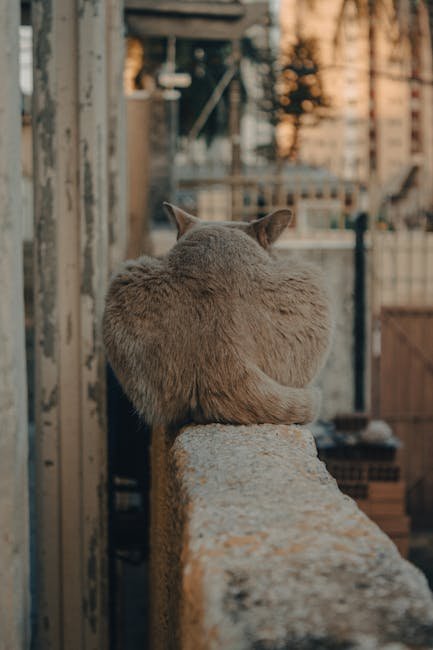
Have you ever watched your cat swish its tail and wondered what it really means? That simple movement can tell you a lot about how your furry friend is feeling.
Whether your cat’s tail flicks slowly or whips back and forth quickly, understanding these signals can help you connect better with your pet. Keep reading to discover the surprising reasons behind your cat’s tail swishes and what they want to communicate to you.
This knowledge will change the way you see your cat’s behavior forever.

Credit: wamiz.co.uk
Cat Tail Communication
Cats use their tails to share feelings and thoughts. Tail movements show moods and intentions clearly. Understanding tail signals helps us connect with cats better. Their tails speak a language of emotions and reactions.
Body Language In Cats
Cats express many feelings through body language. Tail position and movement give clues about their mood. A still tail often means calm or relaxed. A puffed-up tail shows fear or anger. Quick tail flicks can signal irritation or excitement. Watching tail actions helps read a cat’s mind.
Role Of The Tail In Feline Communication
The tail is a key tool for cat communication. It balances their body and sends messages to others. Different tail movements mean different things:
- A slow swish can mean focus or mild annoyance.
- A high, straight tail shows confidence or happiness.
- A low or tucked tail signals fear or submission.
- Rapid, sharp swishing warns of agitation or alertness.
Understanding these signs makes it easier to respond kindly to cats. Their tails speak volumes about their feelings.
Emotional Indicators
Understanding your cat’s tail movements can give you clear clues about their feelings. Cats use their tails like a mood meter, expressing a wide range of emotions without words. Paying attention to these subtle signals helps you respond better to your furry friend’s needs and moods.
Tail Movements And Emotions
A cat’s tail can move in many ways—slow swishes, rapid flicks, or gentle waves—each telling a different emotional story. Slow, rhythmic swishing often means your cat is focused or curious. Quick, sharp flicks might show irritation or alertness.
Have you noticed your cat’s tail twitch when watching birds outside? That twitch shows excitement and anticipation, not aggression. Recognizing these movements helps you understand what’s going on in your cat’s mind right now.
Signs Of Happiness And Contentment
A relaxed tail held upright with a slight curve at the tip is a classic sign your cat feels happy and safe. When they gently swish their tail while purring or rubbing against you, it’s their way of saying they enjoy your company. Even a slow, lazy tail wave can indicate calm and contentment.
One evening, my cat curled up by my side, her tail softly swaying as she purred. It was a perfect moment that told me she felt completely at ease. Watching for these signs lets you know when your cat trusts and loves being with you.
Expressions Of Frustration Or Anger
When a cat’s tail lashes back and forth quickly, it often signals frustration or anger. A stiff, puffed-up tail means they feel threatened or defensive. These tail signals are warnings—your cat is asking for space or signaling discomfort.
Imagine trying to pet a cat whose tail is flicking sharply. That’s your cue to stop and give them room. Respecting these signals prevents stress and builds a stronger bond with your cat.
Instinctual Behaviors
Cats swish their tails for many instinctual reasons. These movements come from deep in their nature. They use their tails to communicate and react during important moments. Understanding these behaviors helps us see what our cats feel and think.
Hunting And Stalking Instincts
When cats hunt, their tails often move slowly back and forth. This tail motion helps them stay focused and balanced. It shows they are alert and ready to pounce. The swishing tail is part of their stalking technique. It helps cats control their body and judge distance to their prey.
Territorial Signals
Cats use tail movements to mark their territory. A swishing tail can warn others to stay away. It shows the cat feels protective or annoyed. This behavior helps cats avoid fights by sending clear signals. Their tail talks for them, saying, “This is mine.”
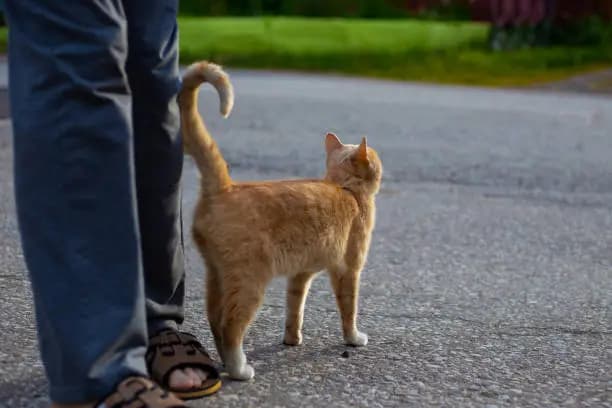
Credit: www.cheetahpets.com
Social Interactions
Cats use their tails to send important social signals. Tail movements help cats share feelings without words. Swishing tails play a key role in their social world. Understanding these tail signals improves how we read cat behavior.
Communication With Other Cats
A swishing tail shows a cat’s mood to others. It can mean excitement, irritation, or alertness. Cats often swish tails during play or mild annoyance. A slow swish may invite interaction, like play or grooming. Rapid tail flicks warn others to keep their distance. This tail language helps avoid fights and confusion. Cats also use tail posture to show dominance or submission. Reading these signals helps cats live peacefully together.
Interactions With Humans
Cats use tail swishes to communicate with people too. A gentle swish might show curiosity or mild interest. Quick tail flicks could signal impatience or annoyance. Some cats swish their tails when they want attention. Observing tail movements helps owners understand their cat’s needs. Respecting these signals builds trust and a strong bond. Tail language is a key part of cat-human communication.
Health And Wellness
Understanding your cat’s tail movements helps you monitor its health and wellness. The tail is a key part of a cat’s body language. It reveals feelings, but also signals physical health. Watching how your cat swishes its tail can alert you to potential health issues early. This knowledge helps keep your cat happy and healthy.
Tail Movements As Health Indicators
A cat’s tail moves for many reasons beyond mood. Unusual tail behavior can show health problems. A limp tail may indicate injury or nerve damage. Constant twitching might mean pain or irritation. Swelling or redness near the tail base can signal infection. Sometimes, a cat swishes its tail if it feels discomfort or stress. These signs should not be ignored. Healthy tail movement is smooth and controlled.
When To Consult A Veterinarian
Seek veterinary help if your cat’s tail moves oddly or hurts. Look for these signs:
- Tail hangs limp or drags on the ground
- Swelling, wounds, or sores near the tail
- Persistent twitching or shaking of the tail
- Cat shows pain when touching the tail
- Changes in walking or grooming habits
Early vet visits can prevent serious issues. A vet can diagnose infections, injuries, or nerve problems. Proper treatment helps your cat recover faster. Always trust your instincts about your cat’s health.
Myths And Misconceptions
Cats’ tail movements often spark curiosity and lead to many myths and misconceptions. People tend to interpret tail swishing based on their own emotions or limited observations. However, understanding what a cat’s tail really signals can improve how you connect with your furry friend.
Common Misunderstandings
Many believe that a swishing tail always means a cat is angry or about to attack. While a flicking tail can indicate irritation, it’s not the only reason for this behavior. Sometimes, cats swish their tails when they are curious or simply focused on something.
Another common misconception is that a slow tail swish means a cat is happy or content. In reality, tail swishing can show a mix of emotions like concentration, mild annoyance, or excitement. Have you noticed your cat’s tail moving when it watches birds outside? That’s a perfect example of focused attention, not anger.
Clarifying Tail Movement Myths
- Tail flicking doesn’t always signal aggression.It can be a sign your cat is processing information or slightly bothered.
- A quivering tail doesn’t just mean excitement.Cats also use this gesture to greet owners or other cats.
- Rapid tail movements don’t always mean fear.Sometimes, your cat is simply overstimulated or playful.
Next time you see your cat’s tail swishing, ask yourself what else is happening. Is your cat relaxed, alert, or focused? Understanding the context helps you avoid misreading your pet’s mood. Have you ever misjudged your cat’s tail signals? What did you learn from that moment?

Credit: www.purina.com
Frequently Asked Questions
Why Do Cats Swish Their Tails Quickly?
Cats swish their tails quickly to express irritation or excitement. It signals that they are alert and may react soon. This behavior helps communicate their mood to humans and other animals.
What Does A Slow Tail Swish Mean In Cats?
A slow tail swish usually means a cat is focused or curious. They may be observing something or deciding how to respond. This subtle movement shows their interest without aggression.
Can Tail Swishing Indicate Cat Anxiety?
Yes, tail swishing can indicate anxiety or stress in cats. When nervous, cats may flick their tails to release tension. Watching tail movements helps identify when a cat feels uneasy.
Do Cats Swish Tails When Hunting?
Cats often swish their tails while hunting to stay alert and ready. The movement helps them focus and communicate intent. It’s part of their natural predatory behavior.
Conclusion
Cats swish their tails to share feelings and thoughts. Sometimes it shows excitement or curiosity. Other times, it means they feel annoyed or playful. Watching tail movements helps understand your cat better. Each swish tells a little story about their mood.
Pay attention to these signals every day. It makes bonding with your cat much stronger. Tail swishing is just one way cats communicate. Remember, your cat’s tail speaks volumes without words. Keep watching and enjoy learning their unique language.
