

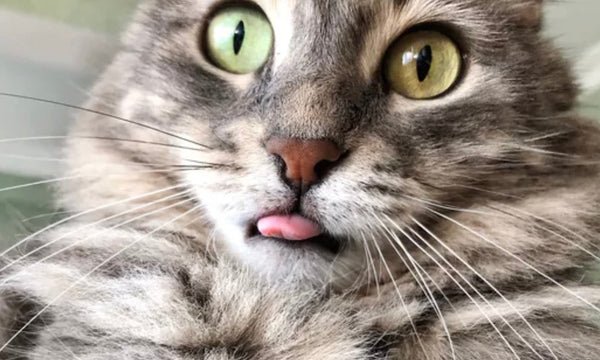
Have you ever caught your cat sticking its tongue out and wondered why? It’s one of those quirky behaviors that can leave you curious or even a little puzzled.
Your furry friend isn’t just being silly—there are real reasons behind this funny little habit. Understanding why cats do this can help you connect with your pet on a deeper level and even spot if something’s off with their health.
Keep reading, and you’ll discover surprising facts that make your cat’s tongue-out moments even more fascinating.

Credit: www.aol.com
Common Reasons Cats Stick Their Tongue Out
Cats sticking their tongues out might seem odd or funny at first, but there are several common reasons behind this quirky behavior. Understanding why your feline friend does this can help you connect better with their moods and needs. Let’s look at some everyday reasons cats show their tongues.
Relaxation And Comfort
Sometimes, cats stick their tongues out when they are deeply relaxed or comfortable. You might notice this when your cat is dozing off or just waking up from a nap. It’s like their brain forgets to pull the tongue back in, showing they feel safe and at ease.
I once saw my cat’s tongue peek out during a lazy afternoon nap, and it instantly told me she was stress-free. Have you noticed your cat’s tongue during quiet moments?
Heat Regulation
Cats can use their tongues to help cool down, especially in warm weather. When they stick their tongues out slightly and breathe through their mouth, it can be a way to release heat. This behavior is similar to panting in dogs but usually less intense.
If your cat is sitting in a sunny spot or after some playtime, watch if their tongue slips out to help manage their body temperature. It’s a natural way for them to keep cool without sweating like humans do.
Taste And Smell Exploration
Cats have a special organ called the Jacobson’s organ that helps them “taste” smells. Sometimes, they stick their tongue out to better sense interesting scents or tastes around them. This is often seen when they encounter new food or unfamiliar smells.
You might see your cat flick their tongue out after sniffing something intriguing, trying to gather more information about their environment. Next time your cat does this, ask yourself what new scent might have caught their attention.
Health Issues Linked To Tongue Protrusion
Sometimes you might notice your cat sticking its tongue out more often than usual. While this can be a quirky habit, it might also hint at underlying health issues. Understanding these problems can help you spot when your feline friend needs a vet visit.
Dental Problems
Cats with dental pain or infections often stick their tongue out to relieve discomfort. Issues like tooth decay, gingivitis, or abscesses can cause swelling and make it hard for them to keep their tongue inside their mouth.
If your cat is drooling, pawing at its mouth, or showing bad breath alongside tongue protrusion, dental problems might be the cause. Regular dental checkups and cleanings can prevent these painful conditions.
Respiratory Concerns
Difficulty breathing can also lead cats to stick their tongues out. Conditions such as upper respiratory infections, asthma, or nasal blockages reduce airflow, making it harder for cats to breathe through their nose.
When your cat’s tongue hangs out during breathing or they make wheezing sounds, it’s a sign to seek veterinary care promptly. Prompt treatment can avoid serious complications.
Neurological Disorders
Sometimes, tongue protrusion is linked to neurological issues affecting muscle control. Disorders like seizures, nerve damage, or brain injuries can disrupt the normal function of the tongue.
If your cat’s tongue sticks out with signs like uncoordinated movements or sudden behavioral changes, a neurological exam is essential. Early diagnosis can improve management and quality of life.
Have you noticed any other unusual behaviors when your cat sticks its tongue out? Paying attention to these details helps you protect your cat’s health effectively.
Behavioral Insights And Communication
Cats use their tongues in many ways to express feelings and communicate. Sticking their tongue out is not just a silly habit. It can show different moods and messages. Understanding these behaviors helps pet owners connect better with their cats.
Reading a cat’s tongue behavior gives clues about their emotions. Sometimes it shows happiness, stress, or playfulness. Each reason has its own meaning and context.
Expressing Contentment
When cats stick their tongue out gently, it often means they feel relaxed. This usually happens during or after grooming. The tongue may stay out for a few seconds or longer.
It shows the cat is comfortable and calm. This small gesture signals contentment without any stress or worry.
Stress And Anxiety Signals
Cats may also stick their tongue out when they feel nervous or scared. This can happen in new places or around strangers. The tongue might twitch or move oddly.
This behavior can be a sign of mild stress. Pet owners should watch for other signs like hiding or pacing to understand better.
Playfulness And Curiosity
Sometimes cats stick their tongue out during play or exploration. They might be tasting the air or sensing new smells. This shows curiosity and excitement.
The tongue out can be quick or repeated, matching their lively mood. It’s part of their natural way to explore the world.

Credit: www.aol.com
Breed And Age Factors
Cats sticking their tongues out can be influenced by breed and age. These factors affect their tongue habits and oral anatomy, which may explain why some cats do it more often than others. Understanding these differences helps you know what’s normal for your feline friend and when to be concerned.
Tongue Habits In Different Breeds
Some breeds are more prone to sticking their tongues out due to their facial structure. For example, flat-faced breeds like Persians and Himalayans have shorter jaws. This can cause their tongues to slip out more often because their mouths don’t close tightly.
On the other hand, breeds with longer snouts, like Siamese or Maine Coons, tend to stick their tongues out less. But even within the same breed, individual personality and habits play a role. Have you noticed your cat’s breed influencing how often they show their tongue?
Changes With Age
Age also changes how often cats stick out their tongues. Kittens often explore their environment with their mouths, so you might see them sticking their tongues out as part of this learning process. It’s a natural, curious behavior that usually decreases as they grow.
Older cats might stick their tongues out due to dental issues or muscle weakness. If you see this behavior increase in your senior cat, it’s a good idea to check their oral health. Have you observed your cat’s tongue habits change over time? Paying attention can help catch problems early.
When To Consult A Veterinarian
Cats often stick their tongues out for simple reasons like relaxation or tasting their surroundings. Yet, this behavior can sometimes signal a health problem. Knowing when to visit a veterinarian helps protect your cat’s health and comfort.
Pay attention to how often your cat sticks out its tongue and its overall behavior. Changes in eating, drinking, or breathing need quick attention. Early care can prevent serious issues and keep your cat happy.
Warning Signs To Watch For
- Persistent tongue protrusion lasting more than a few minutes
- Drooling or difficulty swallowing
- Bad breath or bleeding in the mouth
- Swelling around the mouth or face
- Changes in appetite or weight loss
- Excessive pawing at the mouth
- Signs of pain or distress
- Unusual changes in breathing or coughing
Diagnostic Steps
The veterinarian will start with a full physical exam. They will check the mouth, teeth, and gums closely. Blood tests might be needed to check for infections or organ problems.
X-rays or dental exams can find hidden issues like tumors or tooth decay. Sometimes, a sample of saliva or tissue is taken for lab analysis. This helps identify infections or allergies.
Treatment Options
Treatment depends on the cause of the tongue protrusion. Infections may need antibiotics or antifungal medicine. Dental problems often require cleaning or tooth removal.
For allergies, vets may suggest special diets or medications. If a tumor or serious condition is found, surgery or other treatments might be needed. Pain relief and supportive care help your cat feel better during recovery.
Credit: basepaws.com
Frequently Asked Questions
Why Do Cats Stick Their Tongue Out Suddenly?
Cats may stick their tongue out suddenly to taste the air or smell better. This behavior is called the Flehmen response. It helps cats analyze scents and pheromones more effectively.
Is It Normal For Cats To Stick Their Tongue Out?
Yes, it is normal for cats to stick their tongue out occasionally. It can indicate relaxation, cooling down, or curiosity. However, frequent tongue exposure may need a vet check.
Can Cats Stick Their Tongue Out When Stressed?
Cats rarely stick their tongue out due to stress. Usually, this behavior shows relaxation or scent exploration. Persistent tongue exposure during stress could signal dental or health issues.
Do Cats Stick Their Tongue Out When Hot?
Yes, cats sometimes stick their tongue out to help cool down. This behavior aids in heat regulation but is less common than panting in dogs.
Conclusion
Cats stick their tongues out for many simple reasons. It can mean they are relaxed or curious. Sometimes, it helps them cool down or smell better. Watching this small habit can show you how your cat feels. Pay attention to their tongue to understand them more.
It’s a small but interesting part of cat behavior. Every cat is unique, so enjoy these little moments. They make your pet special and fun to watch.
