

Have you ever caught your cat staring at you for what feels like forever? It’s a curious habit that can leave you wondering, “Why does my cat do that?” Your feline friend’s gaze isn’t random—it’s their way of communicating with you.
Understanding why cats stare can deepen the bond between you and your pet, making your connection even more special. Keep reading, and you’ll discover surprising reasons behind those steady eyes that will change the way you see your cat forever.
Cat Communication
Cats often stare to show trust and curiosity. Their gaze can mean they feel safe or want your attention. Sometimes, it’s just their way of connecting silently with you.
Understanding ‘Cat Communication’ can feel like unraveling a mystery. Cats may not speak with words, but their eyes and body movements convey a rich tapestry of emotions and intentions. Have you ever wondered why your cat stares at you with those wide, unblinking eyes? It’s their unique way of communicating.How Cats Use Eye Contact
Cats use eye contact as a tool for communication. When a cat gazes at you, it’s often a sign of trust. In the wild, predators and prey avoid direct eye contact to steer clear of conflict. So if your cat holds your gaze, it means they feel safe with you. Conversely, a direct stare can also be a demand for attention. Have you noticed your cat staring intently when they’re hungry? They might be telling you it’s time for their meal. Eye contact can also indicate curiosity or interest, perhaps in something you’re doing or holding.Body Language Signals
Eye contact is just one piece of the puzzle. Cats pair their gazes with other body signals to communicate more clearly. A relaxed cat with a slow blink is showing affection and trust, akin to a kitty kiss. On the other hand, dilated pupils paired with a rigid body can indicate stress or fear. If your cat’s ears are pointed forward, they are curious or alert. However, if they’re flattened, your cat might be upset or scared. Understanding these signals helps you respond appropriately. Next time your cat stares, consider the whole picture. Are they relaxed or tense? This awareness can deepen your bond and improve your communication with your feline friend.Curiosity And Observation
Cats have a unique way of showing their interest in the world around them. One of the most common ways they express this is by staring. This behavior often puzzles cat owners, but it’s deeply rooted in their natural curiosity and sharp observation skills.
Cats As Natural Observers
Your cat’s stare is not random. Cats are wired to be alert and watchful. Their survival in the wild depended on keen observation to spot prey and avoid danger.
Even in your home, this instinct doesn’t fade. When your cat watches you, it’s often studying your movements and behaviors. This helps them understand their environment better.
Think about times when your cat sits quietly, eyes fixed on you. They might be trying to learn what you’re doing or what you might do next. Have you noticed how their eyes follow your every move?
What Catches Their Attention
Not everything grabs a cat’s attention equally. Their gaze locks onto what interests or puzzles them the most.
- Sudden movements or sounds
- Unusual objects or changes in the environment
- Your facial expressions and hand gestures
- Small things like a flickering light or a shadow
For example, when I accidentally dropped a pen, my cat immediately stopped and stared, trying to figure out what just happened. This shows their natural instinct to investigate changes in their surroundings.
Next time your cat stares at you, ask yourself: what new detail might have caught their eye? This can help you understand their behavior better and strengthen your connection.
Seeking Attention
Cats stare at you to get your attention. This behavior shows they want interaction or care. Their gaze is a simple way to connect without words. Cats use eye contact to communicate feelings and needs. Watching their stare helps you understand what they want.
How Cats Ask For Interaction
Cats use different ways to get your attention:
- Slow blinking to show trust and invite you to engage.
- Staring with wide eyes to signal curiosity or desire for play.
- Meowing softly while looking at you to call for attention.
- Rubbing their head or body against you as a friendly request.
- Pawing gently to start petting or interaction.
Common Behaviors To Watch For
Look for these signs that your cat wants attention:
- Staring directly at your face or eyes.
- Tail twitching or flicking while watching you.
- Following you from room to room.
- Sitting near you and maintaining eye contact.
- Making soft sounds combined with looking at you.
Bonding And Affection
Cats staring at you is often more than just a random glance; it’s a powerful way they show bonding and affection. Their gaze can express deep trust and a unique form of communication that strengthens your relationship. Understanding these moments helps you connect with your feline friend on a more meaningful level.
Staring As A Sign Of Trust
When your cat looks at you without blinking or looking away, it means they feel safe. Cats are naturally cautious animals, so holding your gaze means they trust you completely.
This trust is a key part of bonding. If your cat stares at you during quiet moments, it’s their way of saying, “You’re important to me.” Notice how your cat often watches you while you work or relax—that’s their way of staying close and connected.
Slow Blinking Explained
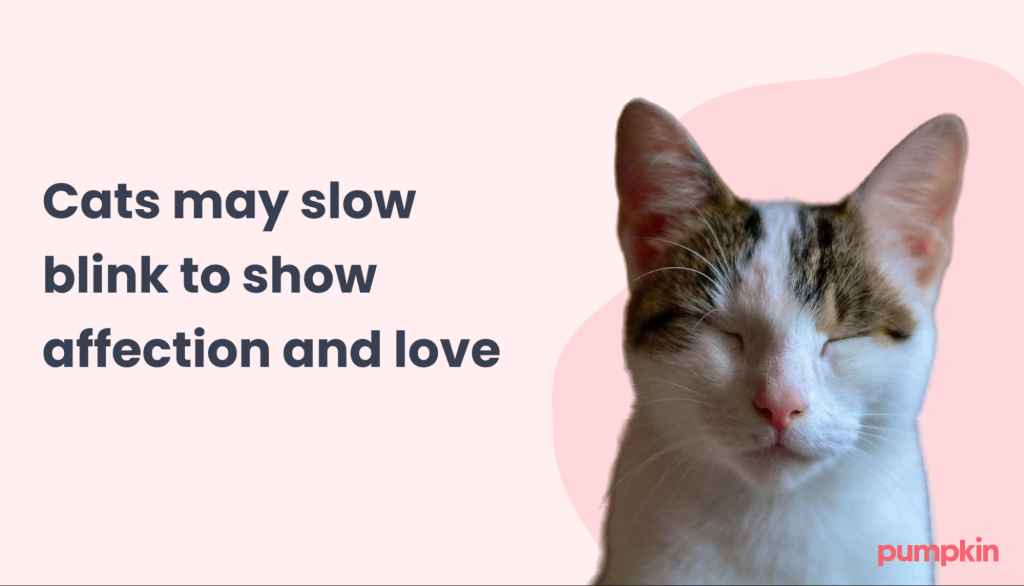
Have you ever caught your cat slowly closing and opening their eyes while looking at you? This slow blink is like a kiss in cat language.
Slow blinking signals comfort and affection. When you slow blink back, you’re telling your cat you feel safe too. Try this the next time your cat looks at you—it can deepen your bond instantly.
Seeing your cat’s slow blink might make you wonder: What other subtle signs of love have you missed? Paying attention to these quiet moments can change the way you experience your relationship with your cat.
Hunting Instincts
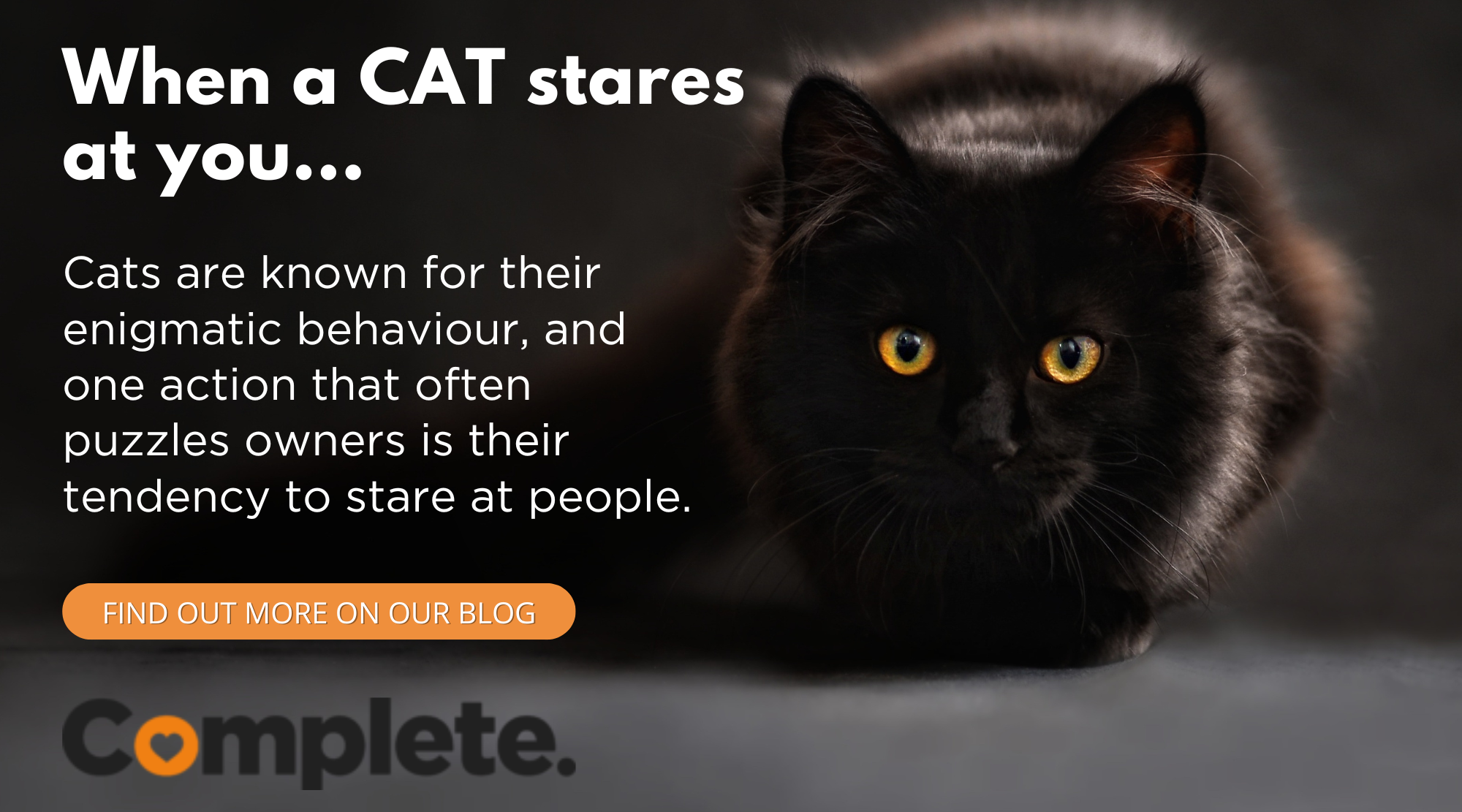
Cats staring at you often reflects their deep-rooted hunting instincts, even in the comfort of your home. This behavior taps into their natural focus and alertness developed over thousands of years as skilled predators. Understanding this can change how you interpret your cat’s gaze and help you connect better with their unique nature.
Predatory Focus In Domestic Cats
Even well-fed cats retain their predatory focus. Their eyes lock onto movements and sounds with intense concentration, much like they would when stalking prey in the wild.
When your cat stares at you, it could be assessing your actions as part of their hunting strategy. This might seem strange, but it’s their way of staying alert and ready to react.
Have you noticed your cat’s pupils dilate when they stare? This is a sign of heightened attention, similar to how hunters narrow their focus before pouncing.
Staring And Play Behavior
Cats often use staring to initiate play, which mimics hunting behavior. That fixed gaze can be your cat’s way of inviting you to join a game of chase or pounce.
Play is essential for cats to express their natural hunting skills safely. When your cat stares before a sudden leap or dash, they are practicing their predatory moves.
Try responding to their stare by engaging with toys or interactive play. This interaction satisfies their hunting drive and strengthens your bond.
Credit: completepetfood.co.za
Health And Discomfort Signs
Cats often use their eyes to send messages about their health and comfort. Staring can signal pain, stress, or illness. Understanding these signs helps you care for your cat better. Watch their eyes closely for changes in behavior or gaze.
When Staring Indicates Stress
Cats under stress may stare more than usual. Their pupils might dilate or narrow. They may hold a fixed gaze to assess danger or uncertainty. Stress can come from loud noises, new people, or changes in the home. A stressed cat might also hide or refuse to eat. Staring is one way they try to understand their surroundings.
Recognizing Medical Issues
Persistent staring might mean your cat feels pain or discomfort. Eye problems like infections or injuries cause unusual gazes. Other illnesses, such as neurological disorders, affect their focus and attention. Look for additional signs:
- Squinting or blinking excessively
- Red or watery eyes
- Changes in appetite or activity
- Unusual vocalizations or behavior
Consult a vet if your cat’s staring seems odd or comes with other symptoms. Early care can prevent serious health problems.
Environmental Factors
Environmental factors play a big role in why your cat might be staring at you. Cats are highly sensitive to changes around them, and their behavior often reflects how they react to these shifts. Understanding the environment can help you decode their silent gaze.
Changes That Affect Cat Behavior
Cats are creatures of habit. When something in their environment changes—like a new piece of furniture, a different scent, or even a change in your routine—they may stare at you more often. This stare can be their way of seeking reassurance or trying to figure out what’s new.
Think about the last time you moved furniture or brought in a new plant. Did your cat start watching you closely? That’s no coincidence. They want to understand if these changes affect their safety or comfort.
Staring Due To External Stimuli
Sometimes, your cat’s stare isn’t really about you but about something external. Cats have sharp senses and may fix their gaze on sounds, movements, or even small insects you don’t notice. Their stare is a focused way to observe these stimuli without making a move.
Have you ever noticed your cat staring out the window for long periods? Birds, leaves blowing in the wind, or distant noises can hold their attention. This behavior shows how deeply cats connect with their surroundings, and your presence might just be part of their safe space while they watch.
Credit: m.youtube.com

Credit: www.youtube.com
Frequently Asked Questions
Why Do Cats Stare At Humans For Long Periods?
Cats stare at humans to communicate and show affection. They may seek attention, comfort, or observe your behavior closely. This gaze helps them bond and feel secure in their environment. Sometimes, they stare to express curiosity or signal their needs.
Is My Cat Staring Because It Wants Food?
Yes, cats often stare to indicate hunger or request food. They learn that staring gets your attention and may lead to feeding. This behavior is a simple yet effective way for cats to communicate their needs.
Can A Cat’s Stare Mean It Feels Threatened?
A cat’s stare can signal feeling threatened or cautious. If accompanied by other signs like flattened ears or a twitching tail, it means your cat is alert or anxious. Respect their space to avoid stress or aggression.
Do Cats Stare To Show Love Or Trust?
Absolutely! Slow blinking and gentle staring often show love and trust. Cats use this behavior to bond with their owners and express comfort. Returning the slow blink can strengthen your relationship.
Conclusion
Cats stare at you to show trust and curiosity. Their gaze helps them connect and communicate. Sometimes, they want your attention or feel safe nearby. Understanding their looks can improve your bond. Enjoy these quiet moments with your cat. They say a lot without words.
Watching their eyes can be calming and sweet. Cats use staring as a gentle way to express feelings. Treasure these small but meaningful exchanges every day.
