


Have you ever noticed your cat suddenly start to slobber and wondered why? It’s a strange sight because cats are usually so clean and careful about grooming.
If you’ve seen your furry friend drooling, you might be worried or just plain curious. Understanding why cats slobber can help you know if your pet is happy, healthy, or needs a visit to the vet. Keep reading to discover the surprising reasons behind your cat’s slobbering and what you can do to keep your feline friend comfortable and safe.
Common Causes Of Cat Drooling
Drooling in cats can seem strange or even worrying. It happens for many reasons, some simple and some more serious. Knowing what causes drooling helps you care for your cat better.
Some causes are common and easy to spot. These include problems with teeth, feelings of sickness, or reactions to heat and stress. Understanding these helps you notice when your cat needs help.
Dental Issues And Oral Pain
Pain in the mouth often makes cats drool. Teeth problems like cavities or gum disease cause discomfort. Cats may also drool if they have something stuck in their mouth. Oral infections lead to more saliva and drooling. Watch for signs like bad breath or pawing at the face.
Nausea And Digestive Problems
Feeling sick can cause drooling too. Cats may drool before vomiting. Digestive problems like eating something bad make cats uncomfortable. Some cats drool if they have stomach upset or motion sickness. This drooling helps protect the mouth from stomach acid.
Heat And Stress Responses
Hot weather can make cats drool more. They use drooling to cool down a bit. Stress or fear also causes drooling in some cats. Loud noises or new places may trigger this reaction. Pay attention to these signs during stressful moments.
Behavioral Reasons For Slobbering
Cats may slobber when they feel relaxed or happy, like during petting or grooming. Sometimes, it shows excitement or stress, causing extra saliva to form.
Cats can be fascinating creatures. Their behaviors often leave owners puzzled. One such behavior is slobbering. While medical reasons exist, behavioral reasons are common too. Understanding these can help cat owners. It enhances the bond between them and their feline friends.Contentment And Purring
Cats often drool when they feel content. Purring is a clear sign. As they purr, some cats may slobber. It’s like a human smiling. The happiness overflows. This drooling is a positive sign. It means your cat is at ease. They feel safe and loved.Reaction To Tasty Food
Ever notice your cat drooling at meal times? It’s similar to humans salivating over delicious food. The anticipation makes them slobber. Cats are very food-driven. A tasty meal or treat can trigger this reaction. It’s a sign of excitement and eagerness.Grooming And Self-care
Cats are meticulous groomers. They use their tongues to clean fur. Sometimes, this self-care leads to drooling. While grooming, their salivary glands can become active. This is normal behavior. It shows they take pride in their appearance. Grooming is a form of self-love for cats.Health Concerns Linked To Excessive Drooling
Excessive drooling in cats can be more than just a messy annoyance. It often signals underlying health issues that need your attention. Understanding these health concerns helps you protect your cat’s well-being before problems worsen.
Infections And Mouth Ulcers
Infections in your cat’s mouth, like gingivitis or stomatitis, can cause painful sores and excessive drooling. Mouth ulcers make eating uncomfortable, so your cat may drool more due to irritation. If your cat’s breath smells bad or they paw at their mouth often, these signs could point to an infection.
Have you noticed your cat avoiding food or dropping it while eating? These behaviors often accompany mouth problems and should prompt a vet visit. Early treatment can prevent more serious dental diseases.
Toxin Exposure And Poisoning
Drooling can also indicate your cat has ingested something toxic. Common household plants, chemicals, or spoiled food might cause poisoning symptoms including heavy salivation. Watching your cat’s environment closely can help you catch potential dangers before they cause harm.
If your cat suddenly starts drooling excessively and seems lethargic or vomits, consider toxin exposure as a possibility. Quick action and veterinary care can be life-saving in these situations.
Neurological Disorders
Sometimes, excessive drooling results from neurological issues affecting your cat’s ability to swallow or control saliva. Conditions like seizures or nerve damage can cause these symptoms. This type of drooling usually comes with other signs, such as uncoordinated movements or behavior changes.
Have you seen your cat acting unusually clumsy or disoriented along with drooling? These symptoms require immediate medical attention to diagnose and manage the underlying neurological problem.
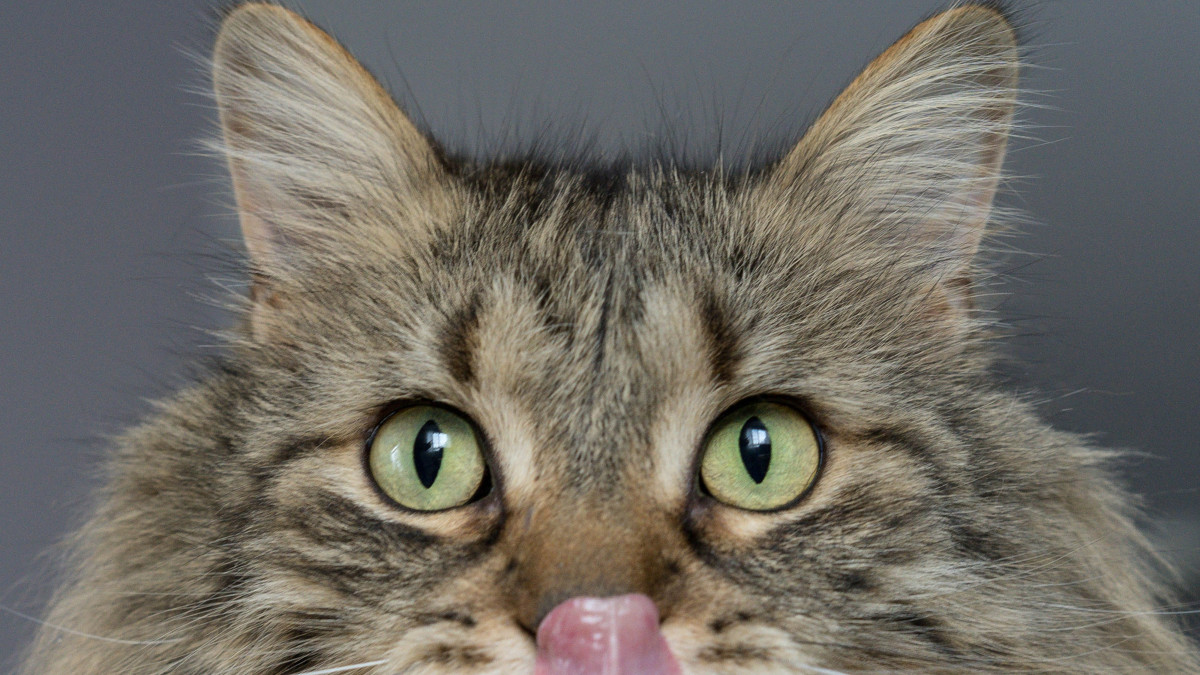
Credit: pethelpful.com
When To See A Vet
Cats sometimes drool or slobber for many reasons. Most are harmless, like tasting food or feeling relaxed. But slobbering can signal serious health problems. Knowing when to see a vet keeps your cat safe and healthy.
Signs Of Serious Illness
- Drooling with bad breath or mouth sores
- Loss of appetite or refusing to eat
- Difficulty swallowing or pawing at the mouth
- Excessive drooling combined with vomiting
- Sudden changes in behavior or lethargy
These signs may show infections, dental issues, or poisoning. Immediate care is important.
Emergency Situations
- Heavy drooling after eating a toxic plant or chemical
- Choking or breathing problems with slobbering
- Swelling around the face or mouth
- Unconsciousness or severe weakness
Get emergency help to prevent life-threatening problems.
Preventive Care Tips
- Schedule regular dental check-ups
- Keep toxic plants and chemicals away
- Provide clean water and healthy food
- Watch for early signs of mouth discomfort
- Contact your vet if you notice unusual drooling
Prevention helps avoid many health issues causing slobbering.
Home Remedies To Manage Drooling
Excessive drooling in cats can be concerning, but there are simple home remedies that can help you manage this issue effectively. Addressing the root causes, like oral discomfort or stress, can make a big difference in your cat’s comfort and well-being. Here are some practical ways you can help your feline friend reduce slobbering right at home.
Maintaining Oral Hygiene
Good oral hygiene is key to preventing drooling caused by dental problems. Regularly brushing your cat’s teeth with a pet-safe toothpaste can reduce plaque buildup and gum irritation. You might find that your cat resists at first, but patience and gentle handling often win them over.
Also, consider dental chews or toys designed to clean teeth while your cat plays. Have you checked your cat’s mouth for signs of redness or swelling? Early attention to oral health can stop drooling before it starts.
Stress Reduction Techniques
Stress can trigger drooling just like it does in humans. Create a calm environment with quiet spaces where your cat feels safe. Using pheromone diffusers or sprays can also help reduce anxiety in many cats.
Try to observe if certain events or changes coincide with increased drooling. Adjusting your cat’s routine or providing extra attention during stressful times might ease their discomfort and reduce slobber.
Safe Dietary Adjustments
Sometimes drooling occurs because of food allergies or irritation. Switching to a bland diet temporarily can help identify if food is the culprit. Choose high-quality, easily digestible cat food free from artificial additives.
Introduce new foods gradually and watch for changes in drooling patterns. Offering smaller, more frequent meals may also improve digestion and reduce saliva production. Have you noticed if your cat drools more after certain meals?
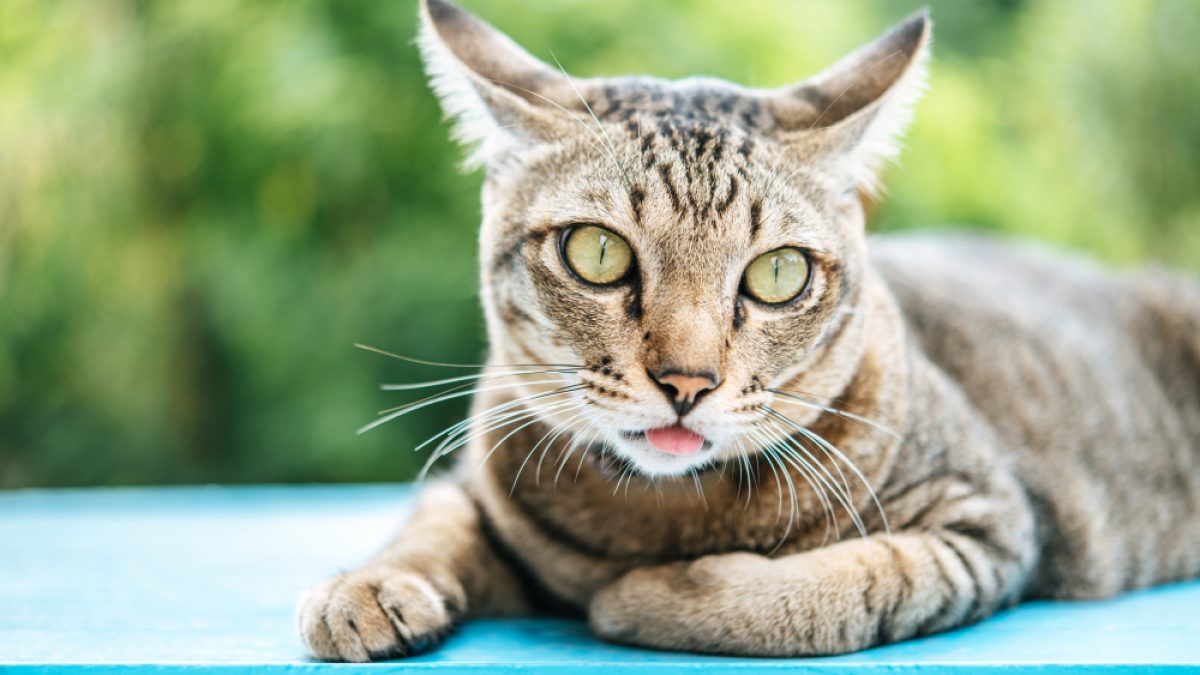
Credit: getodie.com
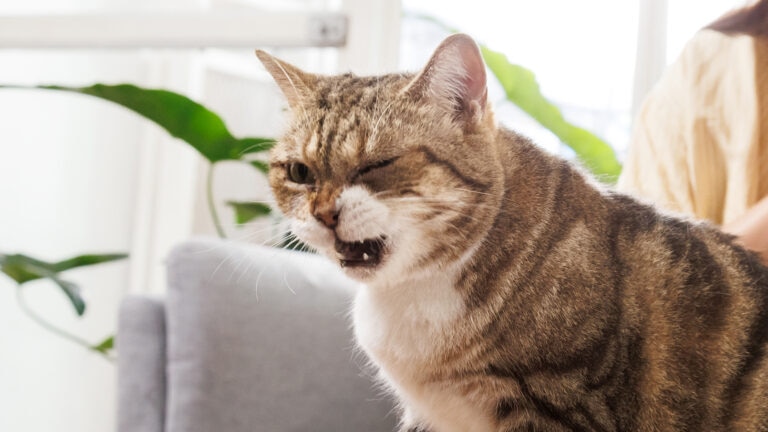
Credit: www.chewy.com
Frequently Asked Questions
Why Do Some Cats Slobber More Than Others?
Some cats slobber due to breed traits, dental issues, or stress. Cats like Persians often drool more. Health problems like gum disease can increase slobber. Stress or excitement may also trigger excessive salivation in some cats.
Is Cat Slobber A Sign Of Illness?
Yes, excessive cat slobber can indicate illness. It may signal dental problems, nausea, poisoning, or infections. If your cat drools unusually, consult a vet. Early diagnosis helps prevent serious health issues.
Can Cat Slobber Be Caused By Anxiety?
Yes, anxiety or stress can cause cats to slobber. Cats may drool when scared or nervous. Situations like vet visits or travel often trigger this. Managing stress can reduce slobbering episodes in anxious cats.
How To Stop My Cat From Slobbering Excessively?
Address underlying causes like dental care or stress relief. Regular vet checkups help identify health problems. Provide a calm environment and avoid triggers. Use recommended dental hygiene products to reduce slobber.
Conclusion
Cats slobber for many reasons, some are normal and some need care. Stress, dental problems, or sickness can cause drooling. Watching your cat’s behavior helps you understand their health. Keep your pet’s mouth clean and visit the vet if slobber lasts.
Knowing why cats slobber helps you keep them happy and safe. Simple care and attention make a big difference. Your cat’s well-being depends on you noticing small changes. Stay calm and act fast when slobber seems unusual.
