

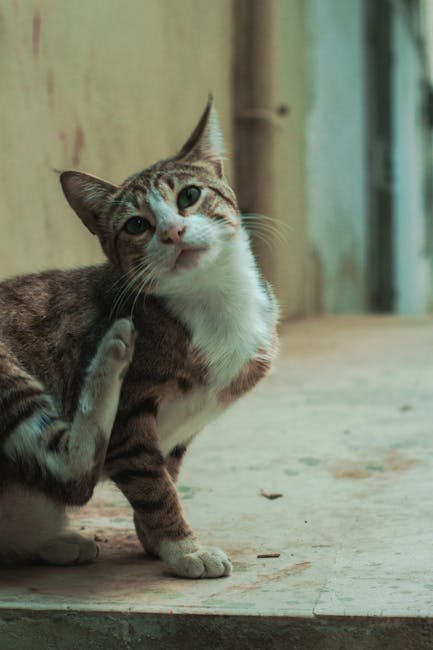
Have you ever noticed your cat scratching around their food before or after eating? It might seem strange or even messy, but there’s a reason behind this curious behavior.
Understanding why your cat does this can help you connect with them better and ensure their eating space feels safe and comfortable. Keep reading to uncover the surprising reasons behind this habit and what it means for your furry friend.
Instinctual Behavior
Have you noticed your cat scratching around their food bowl before or after eating? This behavior might seem puzzling, but it’s deeply rooted in their instincts. Understanding this instinctual behavior helps you appreciate why your feline friend acts this way and what it means for their well-being.
Protecting Their Territory
Cats are naturally territorial animals. Scratching around their food is a way to mark the area using scent glands in their paws. This silent message tells other animals, “This space is taken.”
If you’ve ever seen your cat do this, you’re witnessing an ancient instinct to protect their food source from potential competitors.
Simulating Hunting And Burying
Before domestication, wild cats would hunt and then bury leftover food to hide it from scavengers. Scratching around their food bowl mimics this burying behavior.
Your cat might be trying to cover their meal, even if they’re eating kibble indoors. It’s a leftover habit from their wild ancestors, showing how strong instincts can be.
Relieving Anxiety Or Stress
Scratching can also serve as a calming action for cats. If your pet seems nervous or unsure, this behavior might help them feel more secure.
Think about when you tap your fingers or fidget; it’s a bit like that for your cat. Watching their body language can tell you if scratching is linked to stress.
How To Support This Behavior At Home
- Provide scratching posts near feeding areas to satisfy their need to scratch safely.
- Keep their feeding space quiet and free from sudden disturbances to reduce anxiety.
- Observe if scratching increases during changes in their environment or routine.
Have you noticed if your cat scratches more when new pets or people come around? Paying attention to these clues can help you create a comfortable feeding space that respects their instincts.
Marking Territory
Cats have a natural habit of scratching around their food. This behavior is linked to marking territory. Scratching helps cats claim their space and feel secure. It sends signals to other animals that this area is taken. Cats use more than just claw marks to mark their territory. They rely on both scent and visual cues to communicate ownership.
Scent Marking
Cats have scent glands in their paws. When they scratch, they release a unique smell. This scent is invisible to humans but clear to other cats. It tells others that this spot belongs to them. Scent marking helps cats protect their food from intruders. It also reassures the cat that its territory is safe. This is why scratching near food is common and important for cats.
Visual Markers
Scratching leaves visible marks on surfaces. These claw marks act as visual warnings to other animals. They show that a cat has been here and defends this area. Visual markers work with scent to strengthen the message. Other cats see the marks and avoid conflict. This helps maintain peace and order between animals. Cats use these marks to reduce fights and protect their food.
Food Safety Perception
Cats have unique behaviors around their food that often puzzle owners. Scratching near their bowls is one such action. This behavior links closely to how cats perceive food safety. They use instinctive actions to keep their meals safe and secure.
Concealing Food
Scratching around food helps cats hide their meal from others. Wild cats do this to cover leftovers and hide the scent. This prevents other animals from finding their food easily.
By scratching, cats create a barrier of dirt or debris. This acts like a natural cover. It keeps their food spot less visible and protects it from being stolen.
Protecting From Predators
Scratching near food also helps cats feel safe from predators. The scent marks left by scratching warn other animals to stay away. It signals that the area is claimed.
This behavior reduces the risk of surprise attacks. Cats create a secure feeding zone by marking the area around their food.
Natural Foraging Instincts
Cats scratching around their food bowl may seem puzzling at first. However, this behavior is deeply rooted in their natural foraging instincts. Long before domestication, wild cats needed to hunt, capture, and protect their food, which shaped many of their habits.
Simulating Wild Habits
Scratching around food mimics how wild cats cover their leftovers to hide them from predators or other animals. Your cat is tapping into this ancient behavior, even if there’s no real threat nearby.
This action helps your cat feel secure about its meal. Think about it: your cat is acting like a tiny hunter, protecting its hard-earned catch, even if it’s just kibble.
Mental Stimulation
Scratching isn’t just physical; it’s mental exercise too. It engages your cat’s brain, providing a problem-solving challenge similar to hunting or exploring.
When your cat digs or scratches near food, it’s satisfying a natural curiosity and instinct to manipulate its environment. Have you noticed how cats seem more interested in their food when they “work” a bit for it?
Encouraging this can keep your cat mentally sharp and reduce boredom. Try puzzle feeders or hiding small treats to boost this natural mental stimulation.
Environmental Factors
Cats scratching around their food can puzzle many pet owners. Often, this behavior is linked closely to environmental factors that influence how your cat feels and reacts. Understanding these factors helps you create a comfortable feeding space and can reduce unwanted scratching.
Influence Of Surroundings
Your cat’s immediate environment plays a big role in its scratching habits. If the feeding area feels exposed or noisy, your cat might scratch around the food to create a sense of security or hide the food from perceived threats.
Think about the location of the feeding bowl. Is it near a busy hallway or a loud appliance? Cats prefer quiet, calm spots. Try moving the bowl to a quieter corner and observe if the scratching decreases.
Some cats even scratch to mark territory with scent glands in their paws. This is more likely if other pets are nearby. Have you noticed if your cat scratches more when other animals are around?
Reaction To Changes
Cats are sensitive to changes in their environment. Even small shifts, like a new piece of furniture or a different feeding bowl, can trigger scratching behavior around food.
When my cat’s bowl was switched to a plastic one, she started scratching more frequently. Returning to a ceramic bowl helped calm her down. This shows how changes can unsettle cats and prompt scratching as a coping mechanism.
If your cat suddenly starts scratching near their food, consider recent changes at home. Have you moved the feeding station, changed the food brand, or introduced new pets? Addressing these changes might reduce the scratching and make mealtime more peaceful for your cat.
Credit: www.webmd.com
Health And Behavioral Issues
Cats scratching around their food can signal health and behavioral issues. This action often shows discomfort or stress. Understanding these reasons helps you care better for your pet. Watch closely for signs of anxiety or compulsive actions.
Stress And Anxiety
Stress can cause cats to scratch near their food. Changes in the home or loud noises may trigger this behavior. Scratching acts as a way to relieve nervous energy. It also marks their territory, making them feel safer. Notice if your cat scratches more during stressful times.
Compulsive Behaviors
Some cats develop compulsive scratching near food bowls. This means they repeat the action without clear reason. It can be a sign of an underlying health problem or boredom. Compulsive behaviors often need attention from a vet or behaviorist. Providing toys and playtime can reduce this habit.
How To Address The Behavior
Addressing the scratching behavior near your cat’s food requires patience and some changes. Cats often scratch around their food to mark territory or out of habit. Understanding and adjusting their surroundings helps reduce this behavior.
Adjusting The Environment
Create a calm and safe eating space for your cat. Place the food bowl in a quiet, low-traffic area. Avoid noisy or busy spots. Keep the feeding area clean and free from distractions. Use a mat under the bowl to catch spills. This can help limit the urge to scratch the floor.
Providing Alternatives
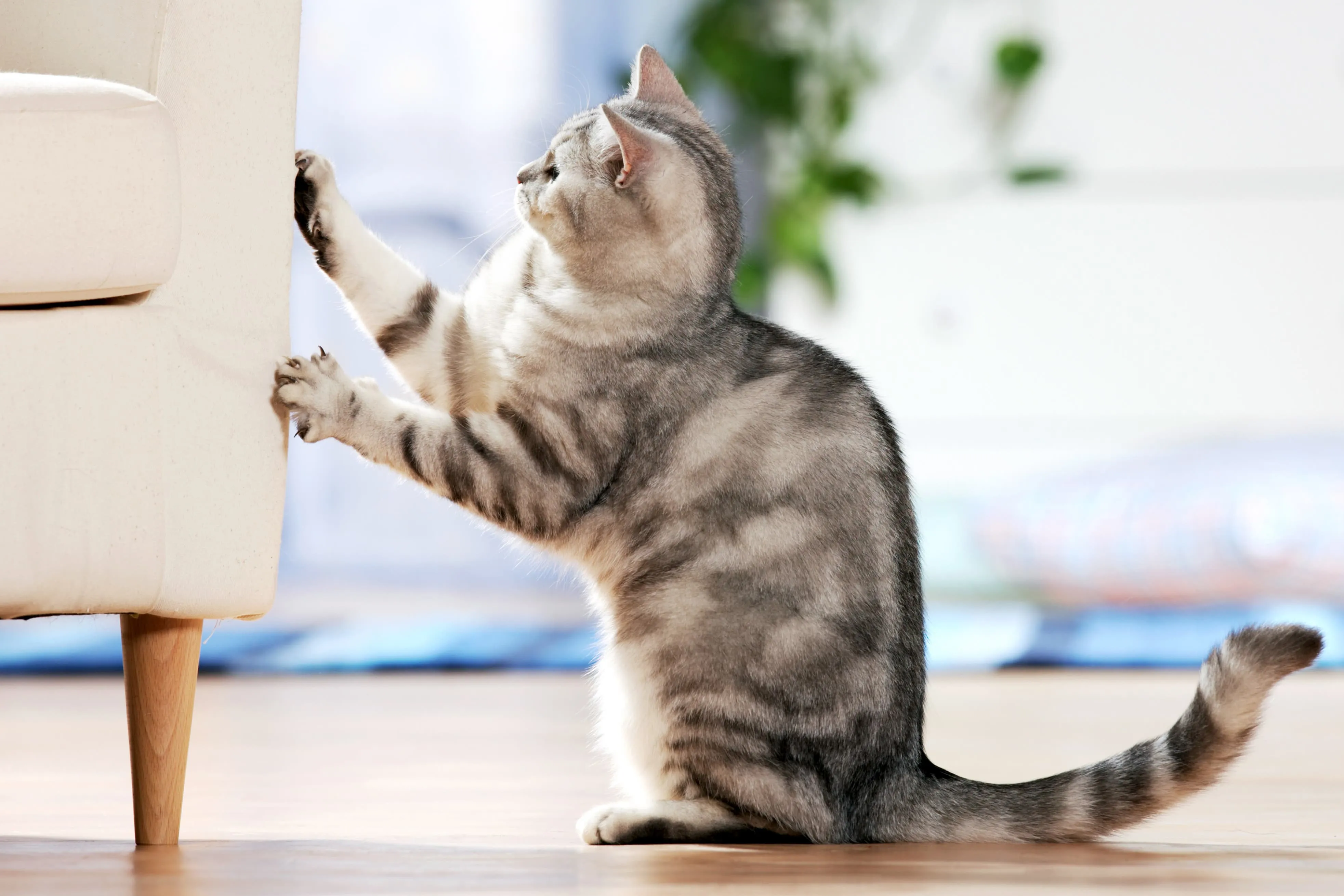
Offer your cat suitable options to satisfy their scratching needs. Provide scratching posts or pads near the feeding area. Choose ones with different textures like cardboard or sisal. Encourage your cat to use these by rubbing catnip on them. Reward your cat with treats when they use the alternatives. This helps redirect their scratching behavior in a positive way.

Credit: www.catster.com

Credit: www.youtube.com
Frequently Asked Questions
Why Do Cats Scratch Around Their Food Bowls?
Cats scratch around their food to mark territory using scent glands in their paws. This behavior also helps them feel secure and protect their food source from other animals.
Is Scratching Near Food A Natural Cat Instinct?
Yes, scratching near food is an instinctive behavior inherited from wild ancestors. It signals ownership and helps cats establish a safe feeding environment.
Can Scratching Around Food Indicate Stress In Cats?
Sometimes, cats scratch near food if they feel anxious or threatened. It acts as a calming ritual and helps them cope with stress.
Does Scratching Near Food Help Cats Find Hidden Prey?
Scratching mimics hunting behavior, allowing cats to simulate digging or uncovering prey. This instinct remains even when eating prepared food.
Conclusion
Cats scratch around their food for natural reasons. It helps them mark their space and feel safe. This behavior comes from their wild ancestors. Scratching also hides their food from others. Watching your cat do this shows a healthy, normal habit.
Understanding why they scratch can improve your bond. It helps you care for your pet better. Remember, scratching is just part of their nature. Let your cat express this behavior without worry. It keeps them happy and comfortable during mealtime.
