

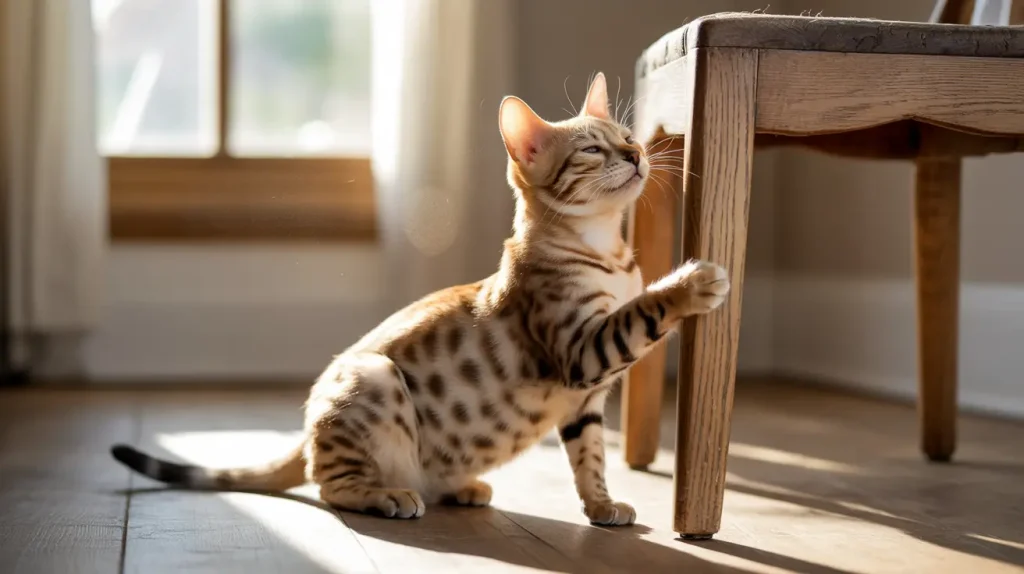
Have you ever noticed your cat rubbing its face on your furniture, clothes, or even your legs? It might seem like a simple, cute behavior, but there’s more to it than meets the eye.
Understanding why your cat does this can help you connect with them on a deeper level and keep them happier. If you’ve ever wondered what your furry friend is trying to tell you, this article will reveal the surprising reasons behind those face rubs—and why they matter to your cat’s well-being.
Keep reading to unlock the secret language of your cat’s face rubbing!
Credit: www.petscare.com
Face Rubbing Behavior
Cats rubbing their faces on objects is a behavior you might have noticed often. It’s not just a quirky habit but a meaningful action packed with communication and comfort. Understanding why your cat does this can deepen your bond and help you respond better to their needs.
Common Scenarios
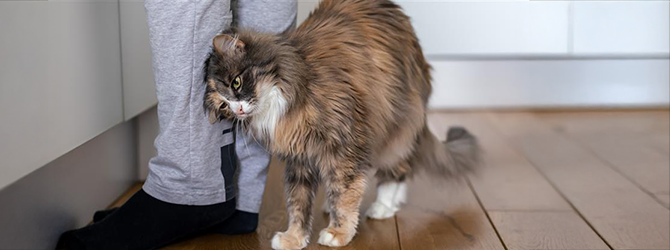
Your cat might rub its face on furniture, door frames, or even your legs. This usually happens when they feel relaxed or want to mark their territory. Have you seen your cat do this right after waking up or when greeting you? These moments show they feel safe and want to share their scent with their environment.
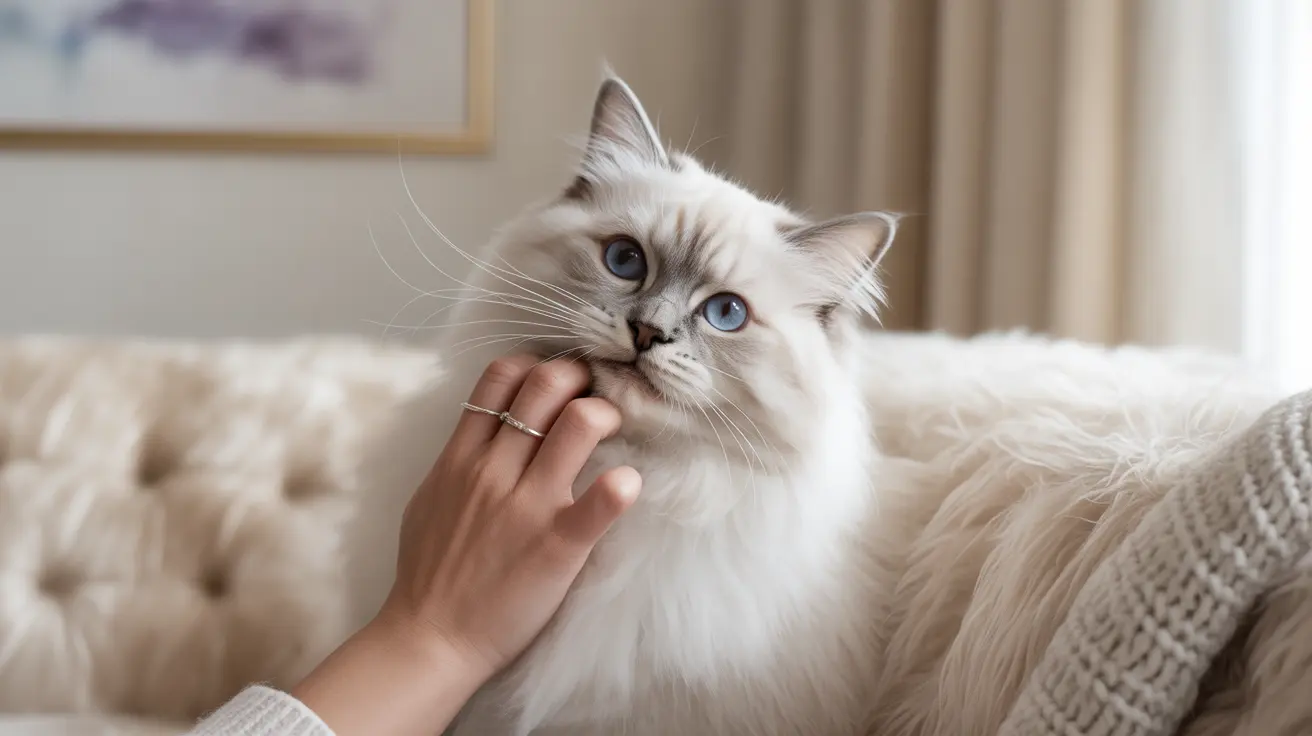
Sometimes, cats rub their faces on you to show affection or seek attention. This behavior can also occur when they want to explore new objects and leave their scent as a way of saying “this is mine.”
Body Parts Involved
The main parts cats use for face rubbing are the cheeks, chin, and forehead. These areas have special scent glands that release pheromones when rubbed against surfaces. This natural scent marking helps cats communicate with other cats and feel secure in their space.
Have you noticed your cat’s whiskers twitching or their eyes half-closed during face rubbing? These subtle cues tell you they’re content and comfortable. Paying attention to these details can help you understand their mood better.
Credit: www.pethealthclub.com
Scent Marking Purpose
Cats rub their faces on objects to leave their scent and mark territory. This behavior helps them feel safe and communicate with other cats nearby.
Cats are fascinating creatures, and one of their quirky behaviors is rubbing their faces on various objects. This seemingly peculiar action is primarily driven by their instinctual need for scent marking. By understanding this behavior, you can gain valuable insights into your feline friend’s world.Facial Glands And Their Role
Cats have special scent glands located around their faces, particularly in the chin, cheeks, and forehead. These glands release pheromones, which are unique chemical markers. When a cat rubs its face against surfaces, it deposits these pheromones, leaving a scent trail that serves as a communication tool. Have you ever noticed how your cat seems to have a favorite corner or piece of furniture it frequently rubs against? This is no coincidence. The scent left behind reassures your cat of its presence and territory, providing a sense of security.Territory Claiming
By marking their territory, cats communicate ownership to other animals. This behavior is deeply rooted in their instincts, dating back to their wild ancestors. The marked territory signals to other cats that the area is claimed and should be respected. Imagine your cat silently announcing its reign over your living room sofa. This act not only reinforces its dominion but also strengthens its confidence. As a cat owner, recognizing and respecting this behavior helps in building a harmonious relationship with your pet. Next time you see your cat engaged in this behavior, consider it a form of feline expression. Could it be seeking comfort or asserting dominance? Observing these actions can offer insights into your cat’s emotions and needs, enhancing your bond.Social Bonding Signals
Cats rub their faces on objects to send social signals. This behavior helps them connect with others around them. It is a gentle way to show trust and friendship. Cats have special glands on their cheeks. These glands release scents that carry messages to other cats and humans. This scent marking helps cats feel safe and part of their environment.
Communication With Humans
Cats use face rubbing to say hello or show affection to humans. It is a sign they feel comfortable and safe. This action can also ask for attention or petting. When a cat rubs your face, it shares its scent with you. This creates a bond and shows it trusts you. Cats often do this after resting near their owners.
Interaction With Other Cats
Cats rub their faces on each other to build social bonds. It spreads their unique scent among the group. This helps cats recognize family members and friends. Face rubbing lowers tension and signals friendship. It keeps the group united and peaceful. Cats also use this behavior to mark territory together.
Comfort And Stress Relief
Cats often rub their faces on objects to feel safe and calm. This action helps them reduce anxiety and stress. It is a natural way for cats to comfort themselves. Understanding this behavior can help pet owners support their cats better.
Self-soothing Actions
Rubbing their faces releases calming chemicals called pheromones. These pheromones make cats feel relaxed and secure. The motion also gives them a gentle massage, which soothes their muscles. This simple act helps cats manage their emotions. It is similar to how humans might hug a pillow or hold something soft.
Environmental Triggers
Changes in the environment can make cats feel uneasy. New sounds, smells, or sights may cause stress. Rubbing faces on objects helps cats mark their territory. This makes their space feel familiar and safe. It creates a sense of control in an uncertain environment.
Exploring And Familiarizing
Cats have a unique way of getting to know their surroundings, and rubbing their faces on objects plays a big part in this behavior. It’s more than just a cute gesture—it’s how they explore and make a space feel familiar. Understanding this can help you connect better with your feline friend and create an environment where they feel safe and comfortable.
Gathering Information
Your cat’s face has special scent glands around the cheeks and chin. When they rub their face on something, they leave behind their personal scent. This acts like a message, helping them gather information about their environment.
Think about it: cats don’t just rely on sight or sound; scent is a powerful tool for them. By marking objects, they identify what’s new, what belongs to them, and even who else has been around. Have you noticed your cat rubbing their face on a new piece of furniture or even on you? They are learning and confirming that these things are part of their world.
Recognizing Safe Spaces
Rubbing their face on things also helps cats feel secure. When your cat marks an area or object, it turns into a familiar spot that smells like them. This can reduce anxiety and make them feel more relaxed.
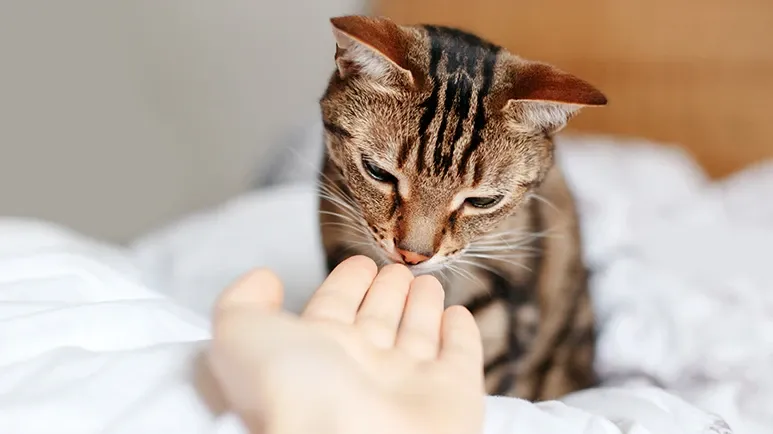
If you’ve ever noticed your cat rubbing their face on your lap or favorite chair, it’s their way of saying “this is mine, and it’s safe.” You can help them by allowing them to mark spaces freely. Have you tried giving your cat a special blanket or bed they can call their own? Watch how often they rub their face on it—it’s a sign they feel comfortable and at home.
Credit: www.barkandwhiskers.com
Health And Grooming Connections
Cats rubbing their faces on objects shows more than affection. It connects deeply with their health and grooming habits. This behavior helps keep their skin and fur healthy. It also allows them to detect any skin problems early. Such simple acts play a key role in a cat’s daily care routine.
Skin Stimulation
Rubbing their faces helps cats stimulate the skin. This action increases blood flow to the area. Better circulation supports healthy skin and fur growth. It also helps spread natural oils evenly. These oils protect their skin from dryness. The rubbing motion can remove dead skin cells gently. It keeps their face clean and refreshed.
Detecting Irritations
Cats use face rubbing to find skin irritations. If they feel discomfort, they rub more in that spot. This behavior helps them notice cuts or bugs early. It can signal the need for extra grooming or care. Watching where cats rub can help owners spot problems fast. This way, they can prevent infections or worsening conditions.
When To Be Concerned
Not all face rubbing from your cat is harmless. Sometimes, this behavior can signal discomfort or health problems that need your attention. Knowing when to be concerned helps you act quickly and ensure your cat stays happy and healthy.
Excessive Rubbing Signs
If your cat suddenly starts rubbing its face on objects more than usual, take note. Watch for raw or red patches on their face, which indicate irritation. Also, if your cat seems restless or agitated while rubbing, that’s a clear sign something’s off.
Does your cat rub its face so much that fur falls out or skin looks swollen? This level of rubbing goes beyond normal behavior. It could mean your cat is trying to relieve pain or an itch that won’t go away.
Potential Medical Issues
Face rubbing can point to several medical problems. One common issue is allergies, which cause itchiness and discomfort around the face. Your cat might react to food, pollen, or even cleaning products.
Another possible cause is dental problems. Pain from teeth or gums often leads cats to rub their face or paw at their mouth. Ear infections and mites can also cause irritation that leads to excessive rubbing.
If you notice these signs, don’t wait. Schedule a vet visit to identify the root cause. Your cat depends on you to catch health issues early before they worsen.
Frequently Asked Questions
Why Do Cats Rub Their Faces On Furniture?
Cats rub their faces on furniture to mark territory. They have scent glands on their cheeks that release pheromones. This behavior helps cats feel secure and communicate ownership to other animals.
What Does It Mean When Cats Rub Faces On Humans?
When cats rub their faces on humans, it shows affection and trust. They transfer their scent to you, marking you as safe and familiar. It is a sign of bonding and comfort.
Do Cats Rub Faces To Relieve Stress?
Yes, cats often rub their faces on objects to relieve stress. The action releases calming pheromones that soothe their nerves. This behavior helps cats feel relaxed and secure in their environment.
Is Face Rubbing A Way Cats Communicate?
Face rubbing is a key communication method for cats. It sends signals about territory, mood, and social bonds. Cats use this behavior to interact peacefully with other cats and humans.
Conclusion
Cats rub their faces to show love and mark their space. This behavior helps them feel safe and happy. They use scent glands on their cheeks for this purpose. When a cat rubs you, it means you are part of their family.
Understanding this habit helps build a stronger bond with your cat. Next time your cat rubs you, remember it is a kind, friendly gesture. Simple actions like these reveal how cats communicate and connect. Enjoy these moments—they show trust and affection.
