

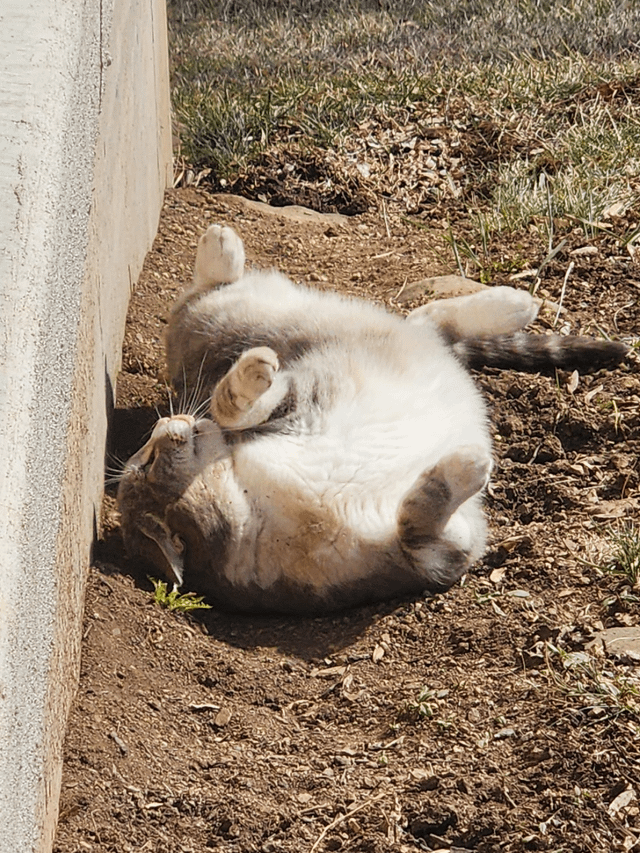
Have you ever watched your cat flop down and roll around in dirt and wondered, “Why on earth do they do that?” It might seem strange or even a little messy, but there’s more to this behavior than meets the eye. Understanding why your cat loves to roll in dirt can help you connect with your furry friend on a deeper level and even keep them healthier.
Stick with me, and you’ll discover the surprising reasons behind this common cat habit—and how it benefits your pet in ways you might never have guessed.
Credit: www.republicofcats.com
Instinctual Behavior
Cats rolling in dirt is more than just a quirky habit; it’s deeply rooted in their instinctual behavior. This action connects to their survival tactics and natural communication methods. Understanding why your cat does this helps you appreciate the wild side hidden beneath their domestic charm.
Natural Scent Marking
Cats rely heavily on scent to mark their territory. When your cat rolls in dirt, it spreads its own scent around its environment. This tells other animals, “This space is taken,” without needing to fight or shout.
Have you noticed your cat returning to the same spot to roll again? This repeated behavior reinforces their presence and comfort in that area.
Camouflage And Protection
In the wild, covering themselves with dirt helps cats blend into their surroundings. This instinct helps them avoid predators and sneak up on prey. Even indoor cats retain this behavior, showing how strong these instincts are.
Imagine your cat’s wild ancestors; rolling in dirt was a clever way to stay safe. Your kitty isn’t just being playful—it’s practicing ancient survival skills.
Relief From Itching Or Discomfort
Sometimes, rolling in dirt can soothe an itch or help remove irritants from a cat’s fur. It acts like a natural scratch or exfoliation. If your cat does this frequently, it might be a sign to check for fleas or skin issues.
Have you ever noticed your cat rolling more after coming inside from outside? That’s their way of dealing with any dirt, bugs, or irritants clinging to their fur.
Social And Emotional Expression
Rolling in dirt can also be a way for cats to express happiness or excitement. It’s a physical way to show they feel secure and relaxed. Observing your cat’s body language during these moments can reveal a lot about their mood.
Next time your cat rolls in dirt, watch closely—is it purring or looking playful? You’re witnessing a natural way your cat communicates contentment.
Temperature Regulation
Cats often roll in dirt to help control their body temperature. Dirt feels cool and dry, which can soothe a cat’s warm body. This behavior helps cats stay comfortable, especially on hot days.
Rolling in dirt also removes excess heat from their fur and skin. The dirt absorbs warmth, cooling the cat down naturally. This simple action is an easy way for cats to manage their body heat without water or shade.
How Dirt Cools Cats
Dirt has a lower temperature than a cat’s body. When cats lie down and roll in the dirt, heat moves from their fur to the cooler ground. This process helps lower their body temperature quickly.
Dry Dirt Vs. Wet Dirt
Dry dirt is often better for cooling than wet dirt. Wet dirt can stick to fur and make cats feel heavier. Dry dirt stays loose and absorbs heat more efficiently, giving a better cooling effect.
Natural Airflow And Heat Release
Rolling in dirt can also help open a cat’s fur. This allows better airflow close to their skin. Airflow helps evaporate moisture and release heat, adding to the cooling effect.
Behavior Seen In Outdoor And Indoor Cats
Outdoor cats use dirt to cool off naturally. Indoor cats may roll on cool floors or other surfaces for the same reason. Both use available materials to regulate their temperature.
Scent Marking
Cats rolling in dirt is more than just a quirky behavior; it’s a clever way they communicate through scent marking. This act helps them leave their unique smell behind, which plays a key role in their interaction with the environment and other animals. Understanding this can give you deeper insight into your cat’s natural instincts and social behaviors.
Scent Glands And Their Role
Your cat has scent glands located on various parts of its body, including the cheeks, paws, and base of the tail. When your cat rolls in dirt, it spreads its scent from these glands onto the ground. This creates a scent marker that tells other cats, “I was here.”
Think of it as your cat’s personal signature. The smell left behind is unique to each cat, helping to establish territory without confrontation.
Why Dirt Works For Scent Marking
Dirt acts like a natural canvas for your cat’s scent. It holds odors better than smooth surfaces like concrete or tile. This makes the scent last longer and communicate more effectively.
Have you noticed your cat choosing specific dusty patches or dry soil? They pick spots where their scent will stay strong and noticeable to others. This behavior is practical and intentional, not random.
How Scent Marking Benefits Your Cat
Scent marking reduces stress and prevents fights by clearly signaling territory ownership. It lets your cat avoid unnecessary conflicts with neighbors or other animals. You can think of it as an invisible boundary marker.
Next time your cat rolls in dirt, watch for their body language. Are they relaxed and confident? That’s a good sign they feel secure and are successfully communicating their presence.
Parasite Prevention
Cats often roll in dirt to protect themselves from parasites. This behavior helps keep bugs and pests away from their skin. Dirt can act like a natural shield, blocking parasites from attaching.
Rolling in dirt also helps cats remove parasites already on their fur. The friction from the dirt scrapes off fleas, ticks, and other pests. It is a simple way to stay clean and healthy without using chemicals.
This natural habit supports a cat’s immune system. By reducing parasite loads, cats avoid infections and skin problems. This keeps them comfortable and active.
How Dirt Blocks Parasites
Dirt creates a rough layer on a cat’s coat. Parasites find it harder to grip and move through this layer. It acts like a barrier to stop pests from reaching the skin.
Removing Parasites By Rubbing
When cats roll, dirt rubs against their fur. This movement loosens and removes parasites. Fleas and ticks fall off more easily with this action.
Boosting Skin Health
Dirt can help dry out oily spots on the skin. This reduces places where parasites like to hide. Healthy skin is less attractive to bugs.
Natural Defense Without Chemicals
Cats use dirt instead of harsh chemicals to fight parasites. This keeps their fur safe and free from toxins. It is a gentle, natural way to stay parasite-free.
Skin And Coat Health
Cats rolling in dirt might seem messy or odd, but this behavior can actually play a role in maintaining their skin and coat health. Dirt and natural oils interact in ways that can benefit your cat’s fur and skin condition. Understanding why your cat does this can help you support their grooming habits better.
How Dirt Helps Remove Excess Oils
Your cat’s skin produces oils that keep their fur shiny and waterproof. Sometimes, these oils build up and make the coat feel greasy. Rolling in dirt acts like a natural absorbent, soaking up extra oils and preventing fur from becoming too oily or sticky.
I once noticed my cat rolling energetically in the garden after a bath. Her fur looked less greasy afterward, and she seemed more comfortable. Could this be why cats prefer to roll outside after grooming?
Natural Exfoliation Through Rolling
The rough texture of dirt and small particles helps gently remove dead skin cells. This natural exfoliation can reduce itching and prevent skin problems caused by buildup. It’s a simple way cats keep their skin fresh without scratching excessively.
Stimulating Blood Circulation
Rolling around isn’t just about the coat—it also boosts blood flow to the skin. Better circulation means nutrients and oxygen reach hair follicles more efficiently, promoting a healthier coat. Have you ever seen your cat roll vigorously and then groom themselves afterward? This cycle supports skin renewal.
Protection Against Parasites
Dirt and dust might discourage some parasites from settling on your cat’s skin. Rolling in certain soils can help dislodge pests like fleas or ticks. However, this doesn’t replace regular parasite prevention, so it’s important to keep your cat protected with vet-approved treatments.
When To Worry About Skin And Coat Health
- If your cat rolls excessively and scratches a lot, it might signal skin irritation or allergies.
- Look for bald patches, redness, or sores that don’t heal quickly.
- Consult your vet if rolling seems driven by discomfort rather than normal grooming behavior.
Watching your cat’s rolling habits gives you clues about their skin and coat health. Next time you see your furry friend happily rolling in the dirt, consider it a natural part of their self-care routine.
Play And Exploration
Cats love to explore their world. Rolling in dirt is part of their play and discovery. It helps them learn about new textures and smells.
Playing in dirt feels good for cats. It gives their paws and fur a new sensation. This keeps their minds active and curious.
Learning Through Touch
When cats roll in dirt, they touch different surfaces. This helps them understand their environment better. It also sharpens their senses.
Expressing Joy And Freedom
Rolling in dirt is a fun activity. Cats show happiness and freedom this way. It often happens when they feel safe and relaxed.
Practicing Hunting Skills
Dirt and grass mimic natural hunting grounds. Cats use play to practice stalking and pouncing. Rolling helps them prepare for real hunting.
Marking Territory
While playing in dirt, cats leave their scent behind. This tells other animals that the area is taken. It is a natural way to claim space.
Stress Relief
Cats often roll in dirt as a way to relieve stress. This behavior helps them feel calm and secure. Stress can build up from many sources, such as loud noises or changes in their environment. Rolling in dirt offers a natural way for cats to relax and feel better.
The texture and coolness of dirt provide a soothing effect. It acts like a gentle massage on their skin and fur. This simple action can lower their anxiety and improve their mood quickly.
How Rolling In Dirt Reduces Anxiety
Rolling in dirt distracts cats from stressful thoughts. It gives them a moment to focus on their body and senses. This shift in attention helps reduce feelings of anxiety and fear.
Physical Benefits Of Rolling In Dirt
- Removes excess oils from fur
- Exfoliates skin gently
- Stimulates circulation
- Relaxes muscles
Signs Your Cat Uses Dirt Rolling For Stress Relief
- They roll more after loud noises or visitors
- They seek out sunny or quiet dirt spots
- They purr or knead while rolling
- They seem calmer afterward

Credit: www.reddit.com
Social Communication
Cats use body language and scents to communicate with other cats and even with you. Rolling in dirt is one way they send messages without meowing or scratching. It’s a subtle yet effective form of social communication that often goes unnoticed.
How Scent Marking Connects Cats
When your cat rolls in dirt, it picks up new smells and mixes them with its own scent. This blend creates a unique “signature” that signals their presence to other cats.
Have you noticed your cat rolling around after coming inside? They might be spreading their scent around your home to mark their territory.
Building Bonds Through Shared Scents
Cats often roll in places where other cats have been. By doing this, they exchange scents and strengthen social bonds.
This behavior can help reduce tension between cats living together. It’s like a silent handshake that says, “We belong here together.”
Communicating Mood And Intentions
Rolling in dirt can also express how your cat feels. A relaxed roll might show contentment or playfulness.
Conversely, vigorous rolling could be a sign of stress or an attempt to mask another scent. Paying attention to the context can help you understand your cat’s message better.
Evolutionary Perspective
Cats rolling in dirt is a behavior rooted deep in their history. This action links to survival and communication among wild ancestors. Understanding this behavior from an evolutionary perspective sheds light on why domestic cats still do it today.
The Role Of Camouflage
Wild cats use dirt to blend into their surroundings. This helps them hide from predators and sneak up on prey. Rolling in dirt changes their scent and appearance. It acts like natural camouflage in the wild.
Marking Territory With Scent
Cats have scent glands on their skin. When they roll in dirt, they mix their scent with the environment. This signals other cats about their presence. It is a way to claim territory and avoid fights.
Removing Parasites And Dirt
Rolling in dirt helps cats get rid of pests. Dirt can stick to fleas and ticks, making them easier to remove. This natural grooming method keeps cats cleaner and healthier in wild settings.
Social And Communication Signals
Cats communicate with each other through scents and body language. Rolling in dirt spreads their unique scent. It sends messages to other cats about mood or reproductive status. This silent communication is vital in cat society.
Observing Your Cat’s Behavior
Observing your cat’s behavior helps you understand why they roll in dirt. Cats have many reasons for this action. Watching closely reveals what your cat feels and needs. You notice patterns and triggers for this behavior. This knowledge supports better care and attention.
Body Language During Rolling
Look at your cat’s posture while rolling. Is the cat relaxed or tense? Relaxed cats often roll to stretch or play. Tense cats might roll to hide a scent or feel safer. Notice the tail and ear positions. They tell a lot about your cat’s mood.
Timing And Environment
Observe when your cat rolls in dirt. Does it happen after eating or resting? Maybe after exploring outside? The place matters too. Rolling in a sunny spot may mean warmth-seeking. Rolling near plants could be about scent marking. These clues explain the reasons behind the behavior.
Frequency And Duration
Track how often and how long your cat rolls. Frequent rolling might signal a health issue. Short rolls may simply mean fun or comfort. Long sessions can point to itching or irritation. Noting these details helps decide if a vet visit is needed.
Reaction To Your Presence
Watch how your cat acts when you approach. Does it stop rolling or keep going? A cat that continues may enjoy the dirt rolling. One that stops might feel shy or nervous. This response shows your cat’s comfort level with you.

Credit: medium.com
Frequently Asked Questions
Why Do Cats Like Rolling In Dirt?
Cats roll in dirt to mask their scent from predators and prey. It helps them stay hidden and feel safer. Rolling also provides sensory stimulation and may soothe itchy skin or remove loose fur.
Does Rolling In Dirt Benefit A Cat’s Health?
Yes, it can help remove parasites and dead skin. Dirt rolling also aids in grooming and keeps a cat’s coat clean and healthy. However, excessive rolling may indicate skin irritation or allergies.
Is Rolling In Dirt A Natural Cat Behavior?
Absolutely. Rolling in dirt is instinctive for cats. It mimics wild behaviors for camouflage and comfort. Domestic cats retain this natural habit as part of their survival and grooming instincts.
Can Dirt Rolling Spread Diseases To Cats?
It is possible if the dirt contains harmful bacteria or parasites. Always check your cat for ticks or wounds after outdoor rolling. Regular vet checkups and flea control reduce health risks.
Conclusion
Cats roll in dirt for many reasons. They may want to mark their scent or cool down. Sometimes, it helps them scratch an itch or remove loose fur. This behavior is natural and shows their playful side. Watching cats enjoy rolling in dirt can be fun and interesting.
Understanding why they do this helps us care for them better. Next time you see a cat rolling, remember it’s part of their natural habits. It shows they feel safe and happy.
