


Have you ever found your cat pooping outside their litter box and wondered why? It can be frustrating and confusing when your furry friend ignores their usual spot.
Understanding the reasons behind this behavior is key to solving the problem quickly. You’ll discover the common causes that lead cats to avoid their litter box and simple steps you can take to help your cat feel comfortable again. Keep reading to learn how to protect your home and keep your cat happy.
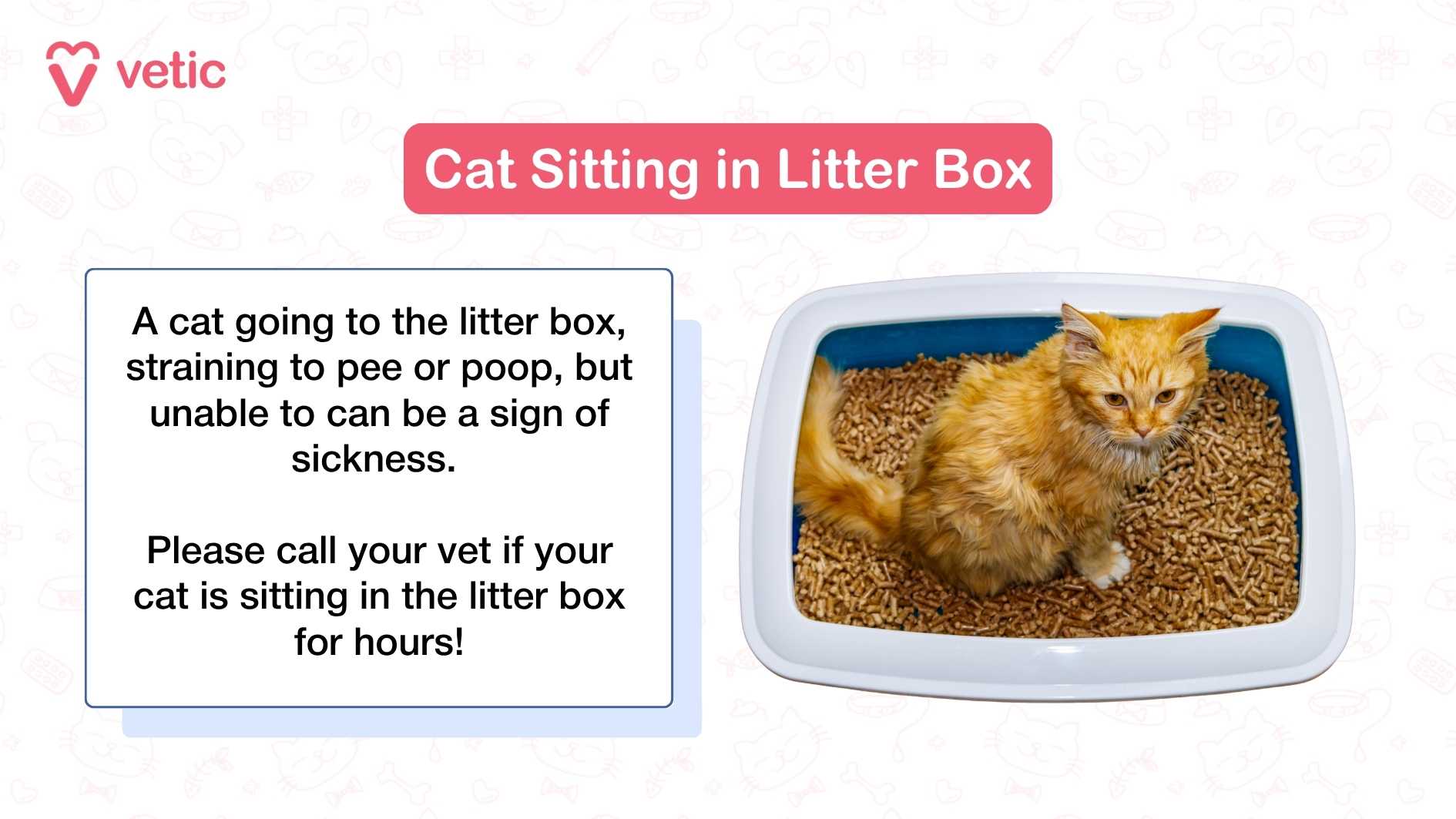
Credit: vetic.in
Common Reasons Cats Avoid Litter Boxes
Understanding why cats might avoid their litter box is crucial for cat owners. Cats are generally clean animals. So, if they avoid using the litter box, something might be wrong. Let’s explore some common reasons behind this behavior.
Litter Box Cleanliness Issues
Cats are sensitive to smells and cleanliness. A dirty litter box can deter them. They prefer a clean place to do their business. If a box is not cleaned regularly, they might look for other spots.
Box Location Problems
The location of the litter box matters a lot to cats. If it’s in a noisy or busy place, they may avoid it. Cats like privacy and quiet when they use the box. A wrong location can make them uneasy.
Litter Type Preferences
Cats can be picky about the type of litter. Some might dislike certain textures or smells. If the litter type changes, they might refuse to use it. It’s important to find a litter that your cat prefers.
Health Concerns
Health issues might also cause cats to avoid the litter box. Conditions like urinary tract infections can make it painful to use the box. Always consult a vet if you suspect a health problem. Early detection can help in treating the issue.
Behavioral Factors Behind Litter Box Avoidance
Understanding why cats poop outside their litter box often involves looking at their behavior. Cats are sensitive animals. Their actions often reflect their emotions and environment. Behavioral factors can cause a cat to avoid the litter box. These factors include stress, territorial instincts, and changes in daily life. Recognizing these signs can help solve the problem quickly.
Stress And Anxiety Triggers
Stress makes cats feel unsafe. Loud noises, new pets, or visitors can upset them. This anxiety can lead cats to avoid their litter box. They may choose a quiet, hidden place to relieve themselves. Stress affects their normal habits and comfort zones.
Common stress triggers include:
- Moving to a new home
- Changes in family members
- Construction or loud sounds nearby
- Conflicts with other pets
Territorial Marking
Cats use scent to claim their territory. Sometimes, pooping outside the litter box is a way to mark their space. This behavior often happens if new animals enter the home. It signals ownership and warns others to stay away. This marking can confuse owners who expect the cat to use the box.
Territorial marking behaviors include:
- Spraying urine on walls or furniture
- Pooping in unusual places
- Rubbing their face on objects
Changes In Household Routine
Cats are creatures of habit. Any change in their routine can cause litter box avoidance. New schedules, different feeding times, or moved furniture may disturb them. A disrupted environment makes cats anxious and less likely to use the box. Keeping a stable routine helps maintain their comfort and good habits.
Examples of routine changes:
- Adding or removing family members
- Changing the litter box location
- Switching litter types
- Altering feeding or playtime
Environmental Influences Affecting Litter Use
Cats are sensitive to their surroundings. Environmental factors can strongly affect their litter box habits. Changes or discomfort in their space may cause them to poop outside the box.
Understanding these influences helps solve this problem. Some common environmental issues include competition with other cats and disturbances near the litter box.
Multiple Cats And Competition
Having more than one cat can create tension around the litter box. Cats may feel stressed or threatened by others nearby. This stress can lead to avoiding the litter box altogether.
Competition can cause one cat to block access or guard the box. Some cats prefer privacy and may seek other places to relieve themselves. It is important to provide enough litter boxes for all cats in the home.
- One box per cat plus one extra is ideal
- Place boxes in different quiet areas
- Keep boxes clean to reduce stress and odors
Noise And Distractions Near The Box
Loud sounds or busy areas near the litter box can scare cats. Noisy appliances, children playing, or heavy foot traffic may cause avoidance. Cats prefer calm and quiet spots for bathroom breaks.
Distractions may interrupt their focus, making them choose other places to poop. Moving the litter box to a peaceful location often helps. Observe your cat’s behavior to find the best spot.
How To Encourage Proper Litter Box Use
Encouraging a cat to use its litter box properly involves creating a positive and comfortable experience. Cats are sensitive creatures that respond well to a clean and inviting space. Understanding their needs helps reduce accidents outside the box.
Small changes can make a big difference in their behavior. Focus on cleanliness, the right materials, and a peaceful environment.
Maintaining Cleanliness
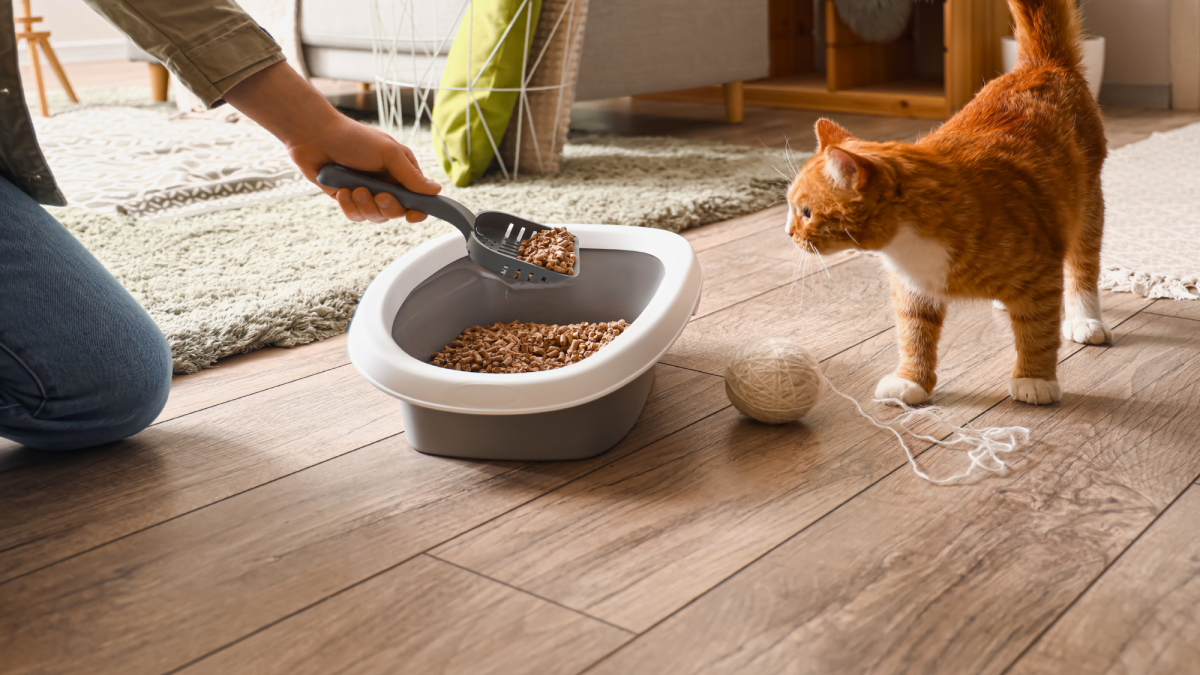
Keep the litter box clean by scooping daily. Remove waste and clumps to prevent odors.
Wash the box with mild soap weekly. Avoid strong-smelling cleaners that cats dislike.
Place fresh litter after cleaning. Cats prefer a clean surface to do their business.
Choosing The Right Litter And Box
Pick a litter that suits your cat’s preferences. Many cats prefer unscented, clumping litter.
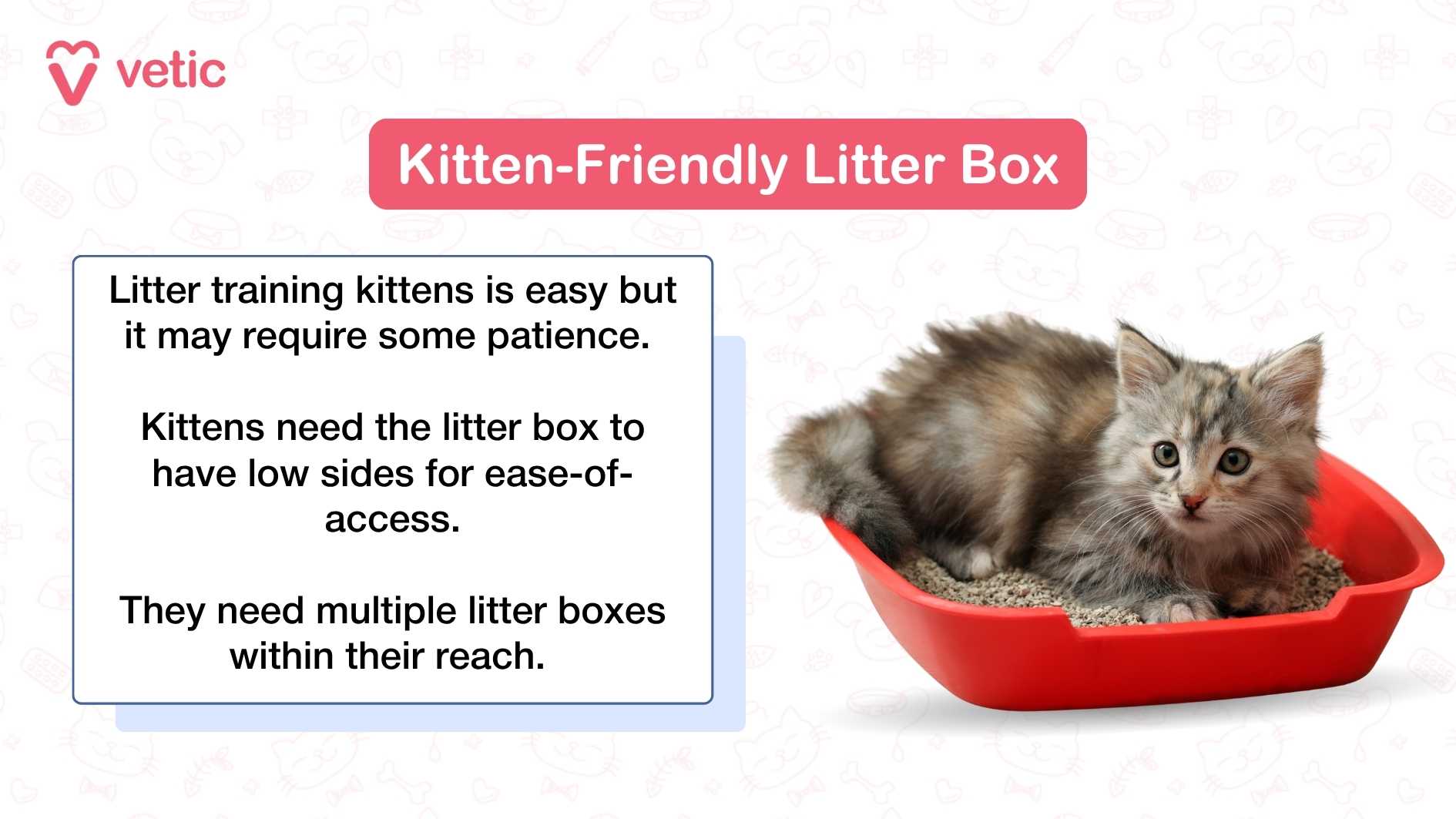
Choose a litter box with enough space. It should allow your cat to turn around easily.
Consider covered or uncovered boxes based on your cat’s comfort. Some cats dislike covers.
Try different types until you find what your cat likes best.
Creating A Comfortable Environment
Place the litter box in a quiet, low-traffic area. Cats need privacy to feel safe.
Avoid placing the box near food or water bowls. Cats dislike this proximity.
Use soft lighting and maintain a calm atmosphere around the box.
Provide multiple boxes if you have more than one cat. This prevents territorial conflicts.
When To Seek Veterinary Help
Noticing your cat pooping outside the litter box can be frustrating and confusing. Sometimes, this behavior signals a deeper health issue that requires veterinary attention. Knowing when to seek help can prevent serious problems and keep your furry friend comfortable and healthy.
Recognizing Medical Symptoms
If your cat suddenly starts pooping outside the litter box, watch closely for other signs of illness. Symptoms like blood in stool, diarrhea, vomiting, or sudden weight loss are red flags. Also, pay attention if your cat seems to be in pain while trying to poop or cries out unexpectedly.
Changes in appetite or excessive licking of the rear area can also indicate discomfort or infection. These subtle hints might be easy to miss but are important clues. Have you noticed your cat avoiding the litter box but still trying to go? This could signal constipation or urinary tract issues.
Tests And Treatments
Once you take your cat to the vet, they will likely run some tests to find the root cause. Common exams include stool analysis, blood tests, and sometimes X-rays or ultrasounds. These help detect infections, blockages, or other internal problems.
Treatment varies depending on the diagnosis. Antibiotics may be prescribed for infections, or dietary changes might be recommended for digestive issues. In some cases, pain relief or surgery could be necessary.
Remember, early veterinary intervention can make a big difference. Would you wait too long if your cat seemed uncomfortable or unwell? Trust your instincts and seek professional advice when you notice unusual bathroom habits.
Credit: vetic.in
Credit: pethelpful.com
Frequently Asked Questions
Why Does My Cat Suddenly Poop Outside The Litter Box?
Cats may poop outside the box due to stress, illness, or dirty litter. Changes in environment or routine can also cause this behavior.
How Can I Stop My Cat From Pooping Outside The Litter Box?
Keep the litter box clean, place it in a quiet area, and ensure it’s easily accessible. Consult a vet if health issues persist.
Could Health Problems Cause My Cat To Avoid The Litter Box?
Yes, urinary tract infections, constipation, or digestive issues can make cats avoid the litter box. A vet check is essential for diagnosis.
Does Litter Box Type Affect My Cat’s Bathroom Habits?
Absolutely. Cats prefer certain litter textures and box styles. Experiment with different types to find what your cat likes best.
Conclusion
Cats may poop outside their litter box for many reasons. Stress, illness, or a dirty box can cause this behavior. Watch your cat closely to spot any changes. Clean the litter box often to keep it inviting. Provide a quiet, safe place for your cat to use.
Consult a vet if the problem continues. Understanding your cat helps keep your home clean and your pet happy. Patience and care make a big difference.
