

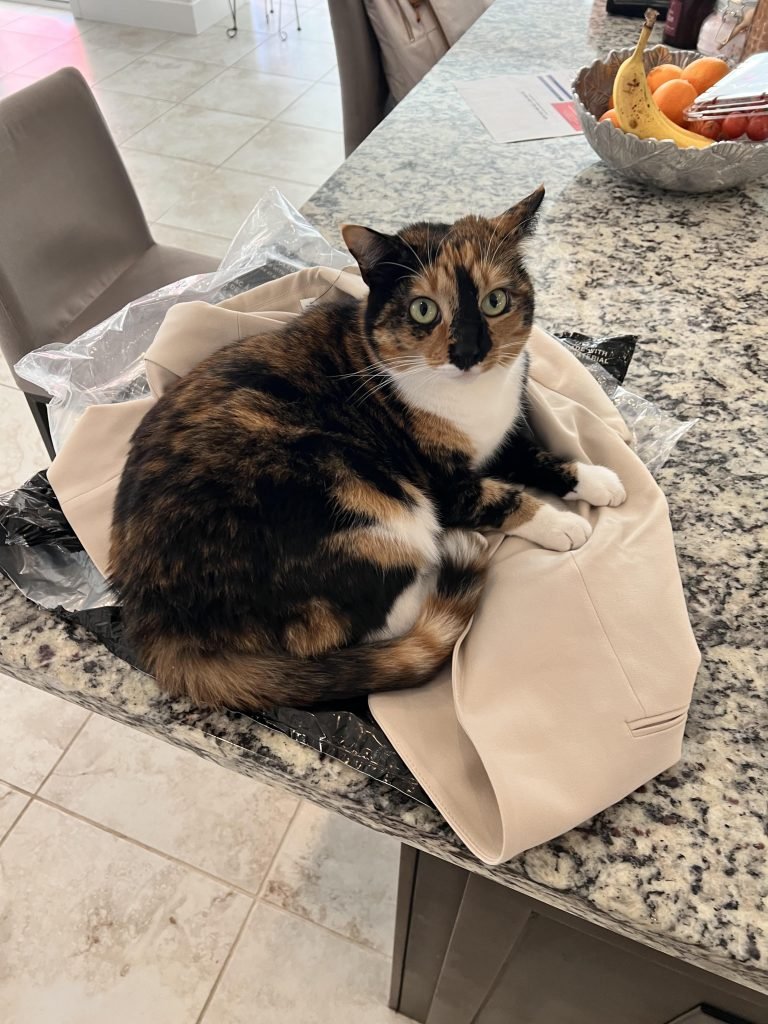
Have you ever come home to find your cat peeing outside the litter box? It’s frustrating, confusing, and can feel like your furry friend is acting out on purpose.
But why does this happen? Understanding the reasons behind this behavior is the first step to fixing it. You’ll discover the common causes and simple solutions to help your cat feel comfortable and keep your home clean. Keep reading—your cat’s happiness and your peace of mind depend on it.
Medical Reasons
Medical problems often cause cats to urinate outside the litter box. These health issues can make it painful or difficult for cats to use their box properly. Understanding these conditions helps in getting the right treatment fast.
Urinary Tract Infections
Urinary tract infections (UTIs) cause pain and urgency in cats. A cat with a UTI may urinate small amounts frequently. This discomfort can lead cats to avoid their litter box. They might pee in places that feel safer or more comfortable.
Kidney Disease
Kidney disease affects a cat’s ability to filter waste from the blood. Cats with kidney problems often drink more water and urinate more often. This increased urination can cause accidents outside the litter box. Kidney disease can also cause discomfort that changes a cat’s habits.
Diabetes
Diabetes makes cats thirsty and causes frequent urination. This condition can lead to accidents if the cat cannot reach the box in time. Diabetes also weakens the cat’s body, making it harder to control bladder movements. Managing diabetes helps reduce these problems.
Behavioral Issues
Behavioral issues often cause cats to pee outside the litter box. These behaviors are natural but can be frustrating for pet owners. Understanding these reasons helps in addressing the problem effectively.
Territorial Marking
Cats use urine to mark their territory. This is common when new pets or people enter the home. The cat wants to show ownership and warn others away. Marking helps cats feel secure in their space.
Stress And Anxiety
Stress can make cats avoid the litter box. Changes like moving, loud noises, or new family members can upset them. Anxiety leads to unusual behaviors, including peeing outside the box. Calm environments reduce this problem.
Litter Box Aversion
Cats dislike dirty or smelly litter boxes. They may also avoid boxes placed in noisy or hard-to-reach areas. The type of litter or box size can matter too. A clean, quiet, and comfortable box encourages use.
Environmental Factors
Environmental factors play a big role in why your cat might be peeing outside the litter box. Cats are sensitive to their surroundings, and small changes can make them uncomfortable. Understanding these factors helps you create a space that encourages your cat to use the litter box consistently.
Litter Box Location
Where you place the litter box matters a lot. Cats prefer quiet, private spots away from loud noises and heavy foot traffic. If your litter box is near the washing machine or a busy hallway, your cat might avoid it.
Think about your cat’s daily routine and choose a calm corner. Have you noticed your cat avoiding certain rooms? That might be a sign to relocate the box.
Type Of Litter Used
The kind of litter you use can affect your cat’s comfort. Some cats dislike strong scents or rough textures. If you recently switched brands or types, your cat might be reacting to the change.
Try unscented, clumping litter and observe your cat’s reaction. What kind of litter does your cat prefer? Experimenting with different types can help you find the perfect fit.
Number Of Litter Boxes
More isn’t always too much when it comes to litter boxes. The general rule is one box per cat, plus one extra. If you have multiple cats but only one box, your cat might avoid it due to competition or stress.
Are all the boxes clean and easy to access? Cats don’t like dirty or crowded boxes. Adding an extra box in different locations might solve the problem quickly.

Credit: www.reddit.com
Changes In Household
Changes in your household can deeply affect your cat’s behavior, especially when it comes to litter box use. Cats are creatures of habit, and any shift in their environment might cause stress or confusion. This can lead them to pee outside their litter box as a way to cope or communicate their discomfort.
New Pets
Introducing a new pet can disrupt your cat’s sense of security. They may feel threatened or anxious about sharing their space, which often leads to marking territory by peeing outside the litter box.
If your cat suddenly starts avoiding the litter box after a new pet arrives, try giving both animals separate spaces initially. This helps reduce competition and gives your cat time to adjust.
Moving To A New Home
Moving house is stressful for everyone, including your cat. The unfamiliar smells and layout can make your cat feel lost and unsure about where to go for their bathroom needs.
To ease this transition, keep the litter box in a quiet, consistent spot right away. Familiar scents on blankets or toys can also comfort your cat during this upheaval.
Changes In Family Dynamics
New family members, whether a baby, partner, or roommates, can change the household atmosphere. Cats may respond to this shift by acting out, including urinating outside the litter box.
Spend extra quality time with your cat to reassure them. Understanding their need for attention during these changes can prevent unwanted behaviors.
Age-related Causes
As cats grow older, changes in their body and mind can affect litter box habits. Age-related causes often explain why senior cats start peeing outside the box. Understanding these causes helps in providing better care and comfort for aging cats.
Cognitive Decline
Older cats can suffer from cognitive decline, similar to dementia in humans. This condition makes them forget where the litter box is. Confusion and disorientation can cause accidents around the house. They may not recognize the litter box or forget the purpose of it. Stress and anxiety can increase, making the cat avoid the box.
Arthritis And Mobility Issues
Arthritis is common in older cats and causes joint pain. Moving in and out of the litter box can become difficult. Cats with mobility problems might avoid the box to escape pain. They may choose easier places to relieve themselves. Stiffness and soreness can slow down their movements. A litter box with lower sides can help cats with arthritis.

Credit: www.youtube.com
Solutions And Prevention
Finding your cat peeing outside the litter box can be frustrating, but there are effective ways to address and prevent this behavior. Understanding the root cause is key, and taking practical steps can make a big difference. Let’s look at how regular health checks, a cozy environment, and targeted training can help your cat feel comfortable and keep your home clean.
Regular Veterinary Check-ups
Health issues often cause litter box problems. Conditions like urinary tract infections or kidney problems can make your cat avoid the litter box due to pain or discomfort.
Schedule regular vet visits to catch any health problems early. A quick exam and simple tests can save you from ongoing accidents and stress.
Have you noticed changes in your cat’s drinking or bathroom habits? These clues are important to share with your vet to get the right diagnosis.
Creating A Comfortable Environment
Your cat’s litter box setup can influence their behavior a lot. Make sure the box is clean and placed in a quiet, low-traffic area.
Try different types of litter to find one your cat prefers. Some cats dislike strong scents or certain textures.
Consider adding extra litter boxes if you have multiple cats. A good rule is one box per cat plus one extra to avoid territorial issues.
Think about whether your cat feels safe using the box. Could loud noises or other pets be scaring them away? Small changes here can lead to big improvements.
Behavioral Training
Positive reinforcement works wonders. Reward your cat with treats or praise when they use the litter box correctly.
If your cat has accidents, clean the spots thoroughly with an enzyme cleaner to remove odors and discourage repeat offenses.
Try to observe your cat’s routine and habits. Redirect them gently to the litter box if you catch them about to go elsewhere.
Patience is key—cats don’t change habits overnight. How can you adjust your approach to keep your cat motivated and stress-free?
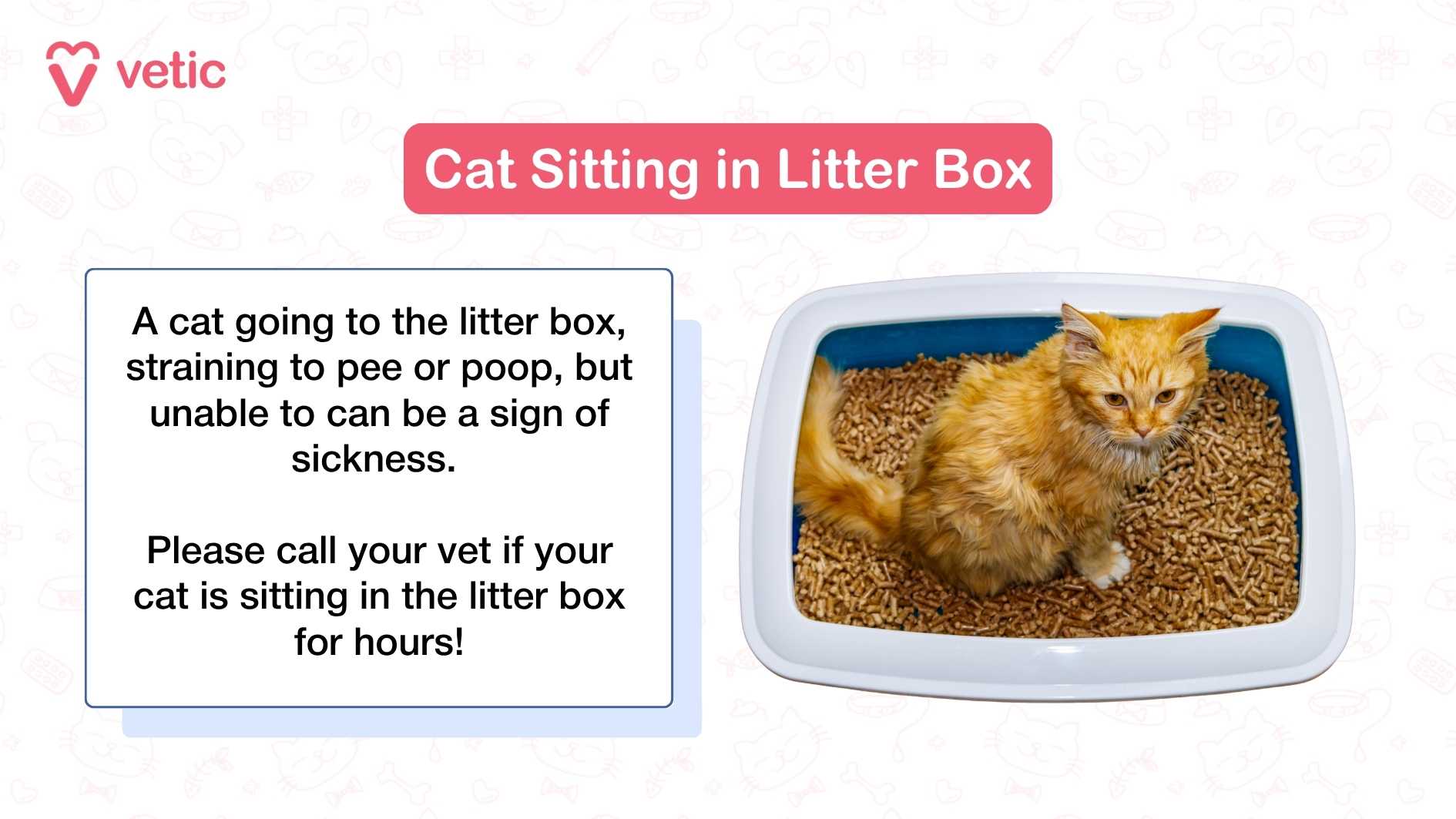
Credit: vetic.in
Frequently Asked Questions
Why Do Cats Suddenly Stop Using Litter Boxes?
Cats may avoid litter boxes due to stress, illness, or dirty boxes. Changes in their environment can trigger this behavior. Always check for medical issues and keep the litter box clean to encourage proper use.
Can Medical Problems Cause Cats To Pee Outside?
Yes, urinary tract infections or bladder issues often cause cats to urinate outside the litter box. A vet visit is essential to diagnose and treat any underlying health problems promptly.
Does Litter Box Type Affect A Cat’s Behavior?
Absolutely. Cats can be picky about litter texture and box size. Using an unsuitable litter or small box may lead cats to avoid it, so choose options that suit your cat’s preferences.
How Does Stress Influence Litter Box Habits?
Stress from new pets, changes, or loud noises can make cats pee outside their boxes. Providing a calm environment and safe spaces helps reduce anxiety and encourages litter box use.
Conclusion
Cats peeing outside the litter box can be frustrating. Stress, health issues, or litter problems often cause it. Watch your cat’s behavior closely. Keep the litter box clean and in a quiet spot. Visit the vet to rule out medical problems.
Patience and care help your cat feel safe. Small changes can make a big difference. Understanding your cat’s needs prevents accidents. Stay calm and consistent with training. Your cat will likely return to the box soon. Caring for your pet builds trust and comfort.
