

Have you ever noticed your cat licking itself nonstop, almost like it can’t stop? You might wonder, “Why do cats over groom?” It’s more than just a quirky habit.
When your furry friend spends too much time cleaning, it could be a sign that something is wrong. Understanding why your cat over grooms can help you protect their health and happiness. Keep reading, and you’ll discover what causes this behavior and how you can help your cat feel comfortable again.
Credit: basepaws.com
Common Grooming Habits
Cats spend a lot of time grooming themselves. Grooming helps them stay clean and healthy. It also calms them and reduces stress. Understanding common grooming habits can help you spot when grooming is normal or excessive.
Normal Grooming Patterns
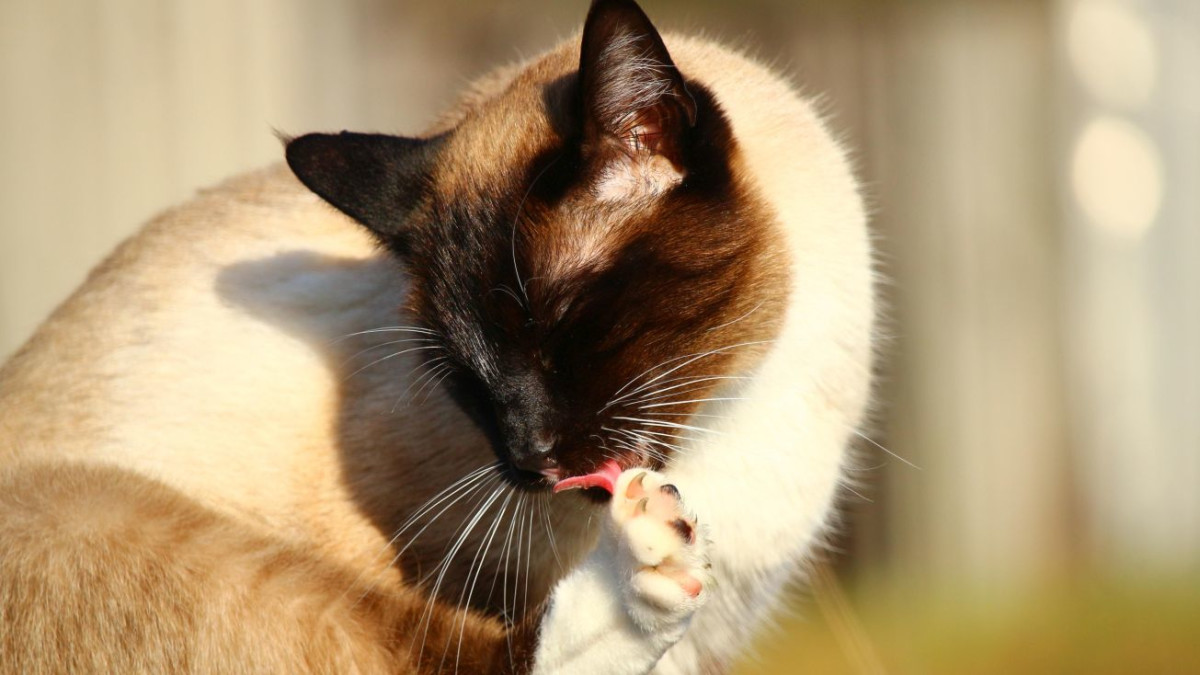
Cats usually groom several times a day. They lick their fur to remove dirt and loose hair. Grooming also spreads natural oils, keeping their coat shiny and soft. Cats often clean their face, paws, and tail thoroughly. This routine takes about 30-50% of their waking hours.
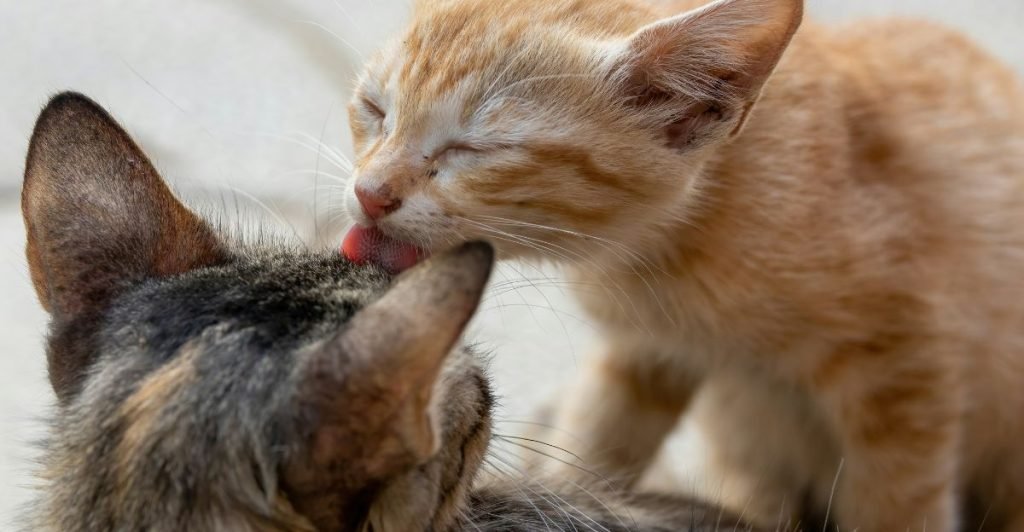
Normal grooming is gentle and steady. Cats pause often to rest or look around. They may also groom other cats or humans as a sign of affection. Healthy cats stop grooming once they feel clean and calm.
When Grooming Becomes Excessive
Excessive grooming happens when cats lick too much or too hard. It can cause hair loss, redness, or sores. Over grooming often points to stress, allergies, or skin problems. Cats may focus on one spot, licking it nonstop.
Signs of excessive grooming include:
- Bald patches or thinning fur
- Visible wounds or scabs
- Constant licking even after cleaning
- Restlessness or irritability
Watching these signs helps identify if your cat needs a vet checkup. Early help can prevent serious skin damage and discomfort.
Physical Causes
Physical causes often trigger cats to groom themselves too much. This behavior usually signals discomfort or irritation. Cats use grooming as a way to soothe their skin or mask pain. Understanding these physical reasons helps in caring for your feline friend properly.
Allergies And Skin Irritations
Allergies can cause redness, itching, and swelling on a cat’s skin. Common allergens include certain foods, pollen, or dust mites. Cats may lick or scratch the irritated areas to find relief. Over time, this can lead to over grooming and hair loss.
Skin irritations from dry skin or harsh shampoos also prompt excessive grooming. The constant licking worsens the irritation, creating a cycle that is hard to break.
Parasites And Infections
Fleas, ticks, and mites are common parasites that cause intense itching. Cats react by grooming the affected spots repeatedly. This behavior helps remove parasites but can damage the skin.
Bacterial or fungal infections may develop after parasite bites or due to other skin damage. These infections cause pain and discomfort, leading to more grooming. Identifying and treating parasites quickly can stop the over grooming behavior.
Pain And Discomfort
Pain from injuries or arthritis can cause a cat to groom certain areas more often. Grooming acts as a coping mechanism for pain relief. It can also be a way to protect a sore spot from further harm.
Internal problems like urinary or digestive issues may also increase grooming. The cat tries to manage discomfort by licking and cleaning itself more than usual.
Psychological Factors
Psychological factors play a significant role in why cats may over groom. Unlike physical causes, these reasons often stem from your cat’s emotions and mental state. Understanding these factors can help you identify and address the root of the behavior more effectively.
Stress And Anxiety
Cats can experience stress just like humans. Changes in their environment, loud noises, or new family members can trigger anxiety. Over grooming becomes a coping mechanism, a way for them to calm down and feel more secure.
If you notice your cat suddenly licking or biting itself excessively after a move or a new pet arrival, stress could be the cause. Ask yourself: Have there been recent changes in your cat’s routine or surroundings that might worry them?
Boredom And Lack Of Stimulation
A bored cat often finds ways to entertain itself, sometimes by over grooming. Without enough playtime or mental challenges, your cat’s energy can turn inward, leading to excessive licking or chewing.
Think about your cat’s daily activities. Are they getting enough toys, interaction, and exploration? Adding puzzle feeders or new toys can redirect their focus away from over grooming.
Compulsive Behaviors
Sometimes over grooming develops into a compulsive habit, similar to OCD in humans. This means your cat feels driven to groom even when there’s no physical need.
Compulsive grooming can cause bald spots and skin irritation. If you see these signs, consider consulting a vet for possible treatments or behavioral therapy. How often do you catch your cat grooming without stopping? That’s a key sign this behavior may be compulsive.

Credit: www.reddit.com
Environmental Influences
Environmental factors play a crucial role in why cats might over groom themselves. Changes around them can create stress or anxiety, pushing your feline friend to lick excessively as a coping mechanism. Understanding these triggers can help you create a more comfortable space for your cat.
Changes In Surroundings
Moving to a new home or rearranging furniture can unsettle your cat. Cats thrive on routine and familiarity, so even small changes can cause stress. Have you noticed your cat licking more after a visit to the vet or after guests arrive? These are signs that your cat is reacting to environmental shifts.
Household Conflicts
Conflicts with other pets or even tension between people in the household can affect your cat. Cats are sensitive to energy and can pick up on arguments or loud noises. Over grooming might be their way of escaping from this tension. If you observe this, try to provide calm moments and reduce conflict around your cat.
Lack Of Safe Spaces
Your cat needs places where it feels secure and can relax without disturbance. Without such safe spots, stress levels rise, leading to over grooming. Providing quiet hideouts or cozy corners can make a big difference. Ask yourself, does your cat have enough spots to retreat to when it feels overwhelmed?
Health Risks Of Over Grooming
Cats groom themselves to stay clean and comfortable. But over grooming can harm their health. It causes several serious health risks. Understanding these risks helps protect your cat’s well-being.
Skin Damage And Hair Loss
Excessive grooming can irritate your cat’s skin. Constant licking wears down the skin’s natural barrier. This causes redness, inflammation, and sores. Over time, hair falls out in patches. Bald spots may appear, making your cat look unhealthy.
Secondary Infections
Open sores and broken skin allow bacteria to enter. These infections cause pain and swelling. They may lead to abscesses or pus-filled wounds. If untreated, infections can spread and worsen. Veterinary care becomes necessary to heal them.
Behavioral Consequences
Over grooming often signals stress or anxiety. Cats may develop compulsive habits. This behavior can lead to isolation and withdrawal. They might avoid play or interaction. Addressing the root cause is crucial to help your cat feel safe.
Credit: pethelpful.com
Identifying Over Grooming Signs
Over grooming in cats can signal health or emotional problems. Early detection helps prevent serious issues. Cats groom to clean and relax, but too much grooming may cause harm.
Recognizing signs of over grooming is key to helping your cat stay healthy. Watch for changes in behavior and physical symptoms that might indicate stress or skin problems.
Spotting Behavioral Changes
- Your cat grooms obsessively, often stopping other activities.
- Restlessness or pacing increases without clear reason.
- Withdrawal from social interaction or hiding more than usual.
- Frequent licking or biting at the same spot.
- Increased irritability or aggression during grooming attempts.
Physical Symptoms To Watch For
- Red, inflamed, or irritated skin patches.
- Hair loss in specific areas, often belly or legs.
- Scabs, sores, or crusty wounds from constant licking.
- Uneven or thinning fur texture.
- Swelling or unusual lumps under the skin.
Treatment And Management
Managing a cat’s over grooming requires a careful approach. Treatment depends on the cause, whether medical, behavioral, or environmental. Early action helps prevent skin damage and improves your cat’s comfort. Understanding each step aids in effective care.
Veterinary Diagnosis
A vet exam is crucial to identify the root cause. They check for allergies, parasites, infections, or pain. Skin tests and blood work may be needed. Accurate diagnosis guides the right treatment plan.
Medical Treatments
Medications may include antibiotics, antifungals, or anti-inflammatory drugs. Parasite control is often necessary. Sometimes vets prescribe special shampoos or topical creams. In some cases, pain relief or allergy medication helps reduce itching.
Behavioral Therapies
Stress and anxiety often cause over grooming. Behavior modification can calm your cat. Techniques include gentle handling and positive reinforcement. Anti-anxiety medications might be recommended for severe cases.
Environmental Enrichment
Providing a stimulating environment reduces boredom and stress. Offer toys, scratching posts, and climbing areas. Regular playtime keeps your cat active and engaged. A calm, safe space supports emotional well-being.
Preventing Over Grooming
Preventing over grooming in cats is essential to keep them healthy and comfortable. Over grooming often signals an underlying issue that needs your attention. By taking a few thoughtful steps, you can help your cat feel better and avoid damage to their skin and fur.
Regular Health Checkups
Regular visits to the vet can catch medical problems before they cause over grooming. Skin infections, allergies, or parasites often trigger excessive licking or scratching. Have your cat checked if you notice bald patches or red spots.
Keeping a health diary can also help. Note any changes in your cat’s behavior or grooming habits and share this with your vet. Early detection makes treatment easier and faster.
Stress Reduction Techniques
Stress is a common cause of over grooming. Cats can feel anxious from loud noises, new pets, or changes in their environment. Creating a calm, safe space can reduce their stress levels.
Simple actions like playing soft music or using pheromone diffusers can soothe your cat. Have you noticed how your cat reacts when you speak gently or offer a favorite blanket? These small comforts can make a big difference.
Engaging Activities
Keeping your cat busy helps prevent boredom, a key factor in over grooming. Interactive toys, puzzle feeders, and regular playtime keep their minds sharp and bodies active. This reduces the urge to groom excessively.
Try rotating toys to keep things interesting. Spending just 10-15 minutes a day playing with your cat can improve their mood and health. What games does your cat enjoy most? Tailor activities to their preferences for the best results.
Frequently Asked Questions
Why Do Cats Groom Themselves Excessively?
Cats over groom to relieve stress, anxiety, or skin irritation. It can also signal allergies, parasites, or underlying health issues needing vet care.
Can Over Grooming Cause Health Problems In Cats?
Yes, over grooming can lead to hair loss, skin wounds, and infections. Persistent grooming should be checked by a vet for proper treatment.
What Stress Factors Trigger Over Grooming In Cats?
Stress factors include changes in environment, new pets, loud noises, or lack of stimulation. Identifying stressors helps reduce over grooming behavior effectively.
How Can I Stop My Cat From Over Grooming?
Provide a calm environment, regular playtime, and vet check-ups. Treat any allergies or parasites to help reduce over grooming habits.
Conclusion
Cats over groom for many reasons, from stress to skin problems. Watching their behavior helps spot issues early. A vet visit can find hidden health troubles. Helping your cat stay calm reduces over grooming. Clean, safe spaces make a big difference.
Remember, grooming is normal, but too much means something’s wrong. Pay attention, care gently, and keep your cat happy. Simple steps can improve your cat’s well-being. Over grooming is a sign—don’t ignore it. Your cat deserves comfort and love every day.
