

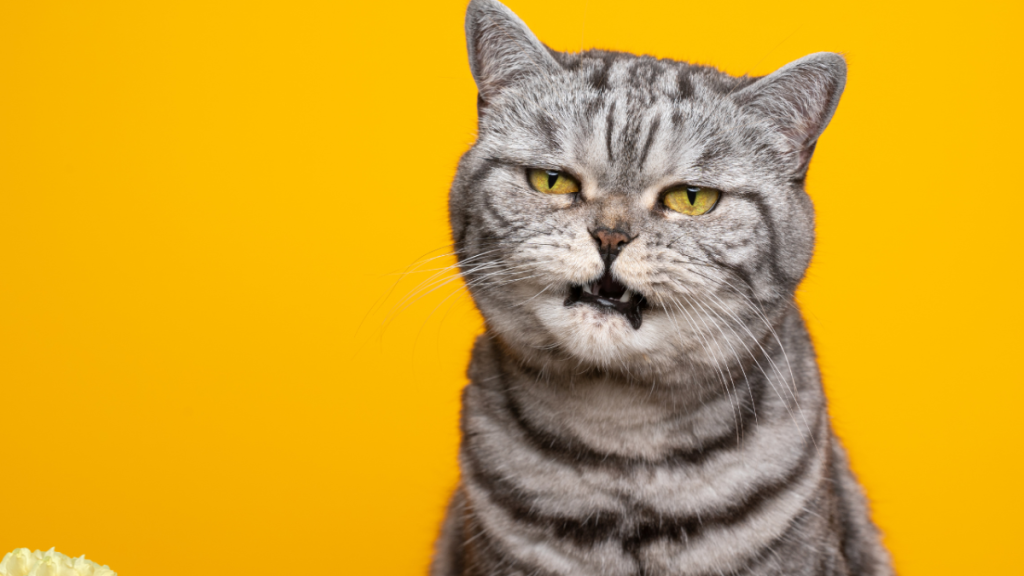
Have you ever noticed your cat suddenly open its mouth right after sniffing something? It looks a bit strange, doesn’t it?
But this curious behavior is actually your cat’s way of gathering more information about the world around them. If you’ve ever wondered why cats do this and what it means for you and your furry friend, you’re about to discover some fascinating answers.
Keep reading to unlock the secret behind this unusual habit and deepen your connection with your cat.
Cat’s Unique Sense Of Smell
Cats possess an extraordinary sense of smell. This unique ability sets them apart. Their olfactory system is highly developed. It allows them to detect scents unnoticeable to humans. Cats rely on their noses for communication and exploration. It enhances their understanding of the world around them.
How Cats Smell Differently
Cats have a highly sensitive nose. It contains up to 200 million scent receptors. In comparison, humans have around 5 million. This difference is significant. Cats can detect subtle changes in the environment. They use their sense of smell to identify territory and prey. It also helps them recognize familiar individuals.
Role Of The Jacobson’s Organ
The Jacobson’s organ, or vomeronasal organ, plays a crucial role. It is located on the roof of a cat’s mouth. This organ is used to detect pheromones. Pheromones convey information about other animals. Cats often open their mouths after smelling something. This behavior is known as the Flehmen response.
The Flehmen response helps cats analyze scents deeply. It allows them to gather more information. This is particularly useful for identifying potential mates. It also aids in understanding the emotional state of other cats. The Jacobson’s organ enriches a cat’s perception of its environment. It gives them a deeper insight into their world.

Credit: www.sasgroup.co
The Flehmen Response
Have you ever noticed your cat suddenly pause, open its mouth slightly, and seem to “taste” the air after sniffing something? This curious behavior is known as the Flehmen response. It’s a fascinating way cats gather more information about their surroundings beyond just using their noses.
What Triggers This Behavior
The Flehmen response kicks in when your cat detects a particularly interesting or unusual scent. These often include pheromones, chemicals animals release to communicate, or strong odors like urine or certain plants.
Imagine your cat encounters the scent of another cat nearby or a new object with an unfamiliar smell. Instead of just sniffing, your cat opens its mouth to draw the scent molecules toward a special organ called the Jacobson’s organ, located on the roof of the mouth.
This behavior is instinctive and helps cats pick up subtle details that their noses alone can’t process. Have you noticed your cat doing this after meeting a new cat or exploring a fresh area?
How It Helps Cats Analyze Scents
By opening their mouths, cats allow scent molecules to reach the Jacobson’s organ more directly. This organ is linked to the brain areas that handle emotions and reproductive status, giving cats deeper insight into the scent’s meaning.
This means your cat isn’t just smelling; it’s “reading” messages left by other animals. It helps them identify whether a potential mate is nearby, if there’s a rival cat around, or if an area is safe.
Next time your cat performs the Flehmen response, think of it as them unlocking a secret code in the scent. This behavior sharpens their understanding of the environment, which is critical for their survival and social interactions.
Biological Purpose Behind Mouth Opening
Cats open their mouths after smelling to gather more scent information. This action helps them detect chemicals in their environment more deeply. Their sense of smell works with a special organ to analyze scents beyond what the nose can detect alone. This behavior is natural and important for their survival and communication.
Chemical Detection Mechanism
Cats use the Jacobson’s organ, or vomeronasal organ, located on the roof of their mouth. When cats open their mouths, they draw air into this organ. This organ detects pheromones and other chemical signals. It helps cats understand if something is food, danger, or another animal nearby. This mechanism improves their ability to sense the world.
Connection To Reproductive Behavior
This mouth opening also plays a key role in reproduction. Cats can detect pheromones from other cats to know if they are ready to mate. The Jacobson’s organ helps male cats identify females in heat. Female cats also use this to sense male cats. This behavior assists in communication during mating seasons.

Credit: www.reddit.com
Other Reasons Cats Open Their Mouth
Cats open their mouths for reasons beyond just smelling. This behavior can signal different feelings and needs. Understanding these reasons helps in better caring for your feline friend. It also explains their unique body language clearly.
Stress Or Discomfort Signals
Cats may open their mouths when stressed or uncomfortable. This action can show anxiety or fear. It helps them cope with overwhelming situations. Sometimes, it happens after a scary event or loud noise. Watch for other signs like pacing or hiding. These clues together reveal your cat’s emotional state.
Heat Regulation And Panting
Like dogs, cats sometimes open their mouths to cool down. This panting helps release excess heat from their bodies. It usually happens after intense play or on hot days. Panting is a sign your cat needs a break or water. Keep an eye on your cat if panting lasts too long. It could mean overheating or illness.
When To Be Concerned
Sometimes cats open their mouths after smelling things. This behavior is normal and helps them understand scents better. But there are moments to watch out for. Changes in this behavior may point to health problems. Knowing the signs can help protect your cat’s health.
Signs Of Health Issues
- Bad breath that does not improve
- Drooling more than usual
- Difficulty breathing or wheezing
- Frequent pawing at the mouth
- Loss of appetite or weight loss
- Swelling or lumps around the mouth or face
- Excessive yawning or mouth opening without scent stimuli
When To Consult A Vet
Visit the vet if your cat shows any of these signs. Sudden changes in mouth behavior can signal dental or respiratory issues. Persistent mouth opening or bad smells need quick attention. Early diagnosis helps treat problems faster and easier.

Credit: www.petacoustics.com
How To Observe This Behavior In Your Cat
Observing your cat’s behavior when they open their mouth after smelling something can reveal a lot about their sensory world. This curious action, often called the Flehmen response, is a window into how cats analyze scents beyond just the nose. Paying close attention can deepen your bond and help you understand what excites or concerns your furry friend.
Creating A Safe Environment
Begin by ensuring your cat feels completely comfortable and secure. Choose a quiet room free from loud noises or sudden movements. Your cat is more likely to display natural behavior when they aren’t stressed or distracted.
Introduce new scents gently, such as a piece of cloth with an unfamiliar smell or a plant outside your home. Keep the scent source at a distance first and watch your cat’s reaction before moving it closer. This slow approach helps prevent overwhelming your cat and allows you to see the true Flehmen response.
Recording And Interpreting Reactions
Keep a notebook or use your phone to record when and how your cat opens their mouth after smelling something. Note the scent type, your cat’s body language, and the duration of the behavior. Over time, patterns may emerge that tell you which smells trigger this response most.
Does your cat lift their head, squint their eyes, or hold their mouth open longer with certain smells? These subtle clues show their level of interest or curiosity. By paying attention, you can learn if your cat is simply exploring or if something in the environment might be causing discomfort.
Frequently Asked Questions
Why Do Cats Open Their Mouth After Smelling?
Cats open their mouth to use the Jacobson’s organ. This organ helps analyze scents deeply. It enhances their ability to detect pheromones and chemical signals in the environment.
What Is The Purpose Of The Flehmen Response?
The Flehmen response helps cats transfer scents to the Jacobson’s organ. This behavior allows them to gather detailed information about other animals or surroundings. It is common in many mammals, not just cats.
How Does Mouth Opening Improve A Cat’s Sense Of Smell?
Opening the mouth allows scents to reach the Jacobson’s organ. This organ is more sensitive than the nose alone. It helps cats detect subtle chemical cues and pheromones that influence behavior.
Do All Cats Display This Mouth-opening Behavior?
Most cats show this behavior, especially when curious or investigating new smells. It is a natural and instinctive action. However, some cats may do it more frequently than others.
Conclusion
Cats open their mouths after smelling to get a better sense of scents. This helps them detect important information about their environment. It is a natural behavior that shows how smart cats are. Understanding this action helps you connect with your pet more.
Next time your cat does this, remember it is exploring smells deeply. This small behavior reveals a lot about how cats experience the world. Watching them can be fascinating and fun. Cats use their senses in ways we often do not see.
